
 Save Pin
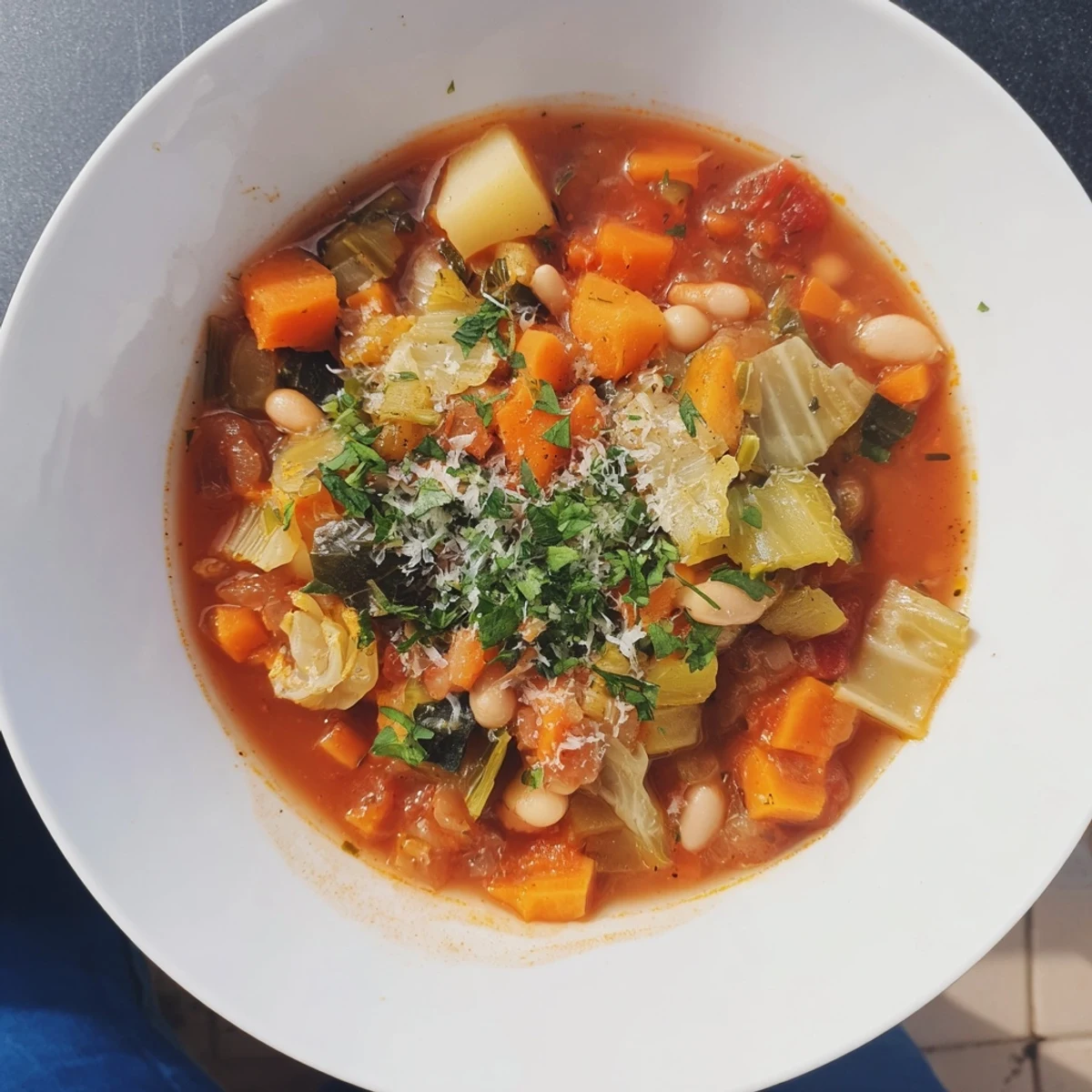
 This minestrone highlights a medley of hearty winter vegetables like parsnip, turnip, and savoy cabbage, simmered slowly with cannellini beans and tender pasta. Aromatic herbs and diced tomatoes enrich the broth, balancing savory and fresh notes. The dish offers a warming bowl perfect for chilly days, garnished optionally with fresh parsley and Parmesan. Adaptable for vegan diets by omitting cheese, it’s a wholesome, easy-to-prepare meal ideal for the colder season.
Discovering this winter vegetable minestrone soup was like stumbling upon a cozy hug on a cold day. I still remember the first time I simmered that pot, filling the kitchen with its rich, earthy aroma and feeling a simple warmth spread inside.
I recall a sudden winter evening when unexpected guests arrived, and this minestrone was my go-to lifesaver. Watching them savor each spoonful was the moment I knew this recipe was a keeper.
Ingredients
- Olive oil: I always reach for a good quality extra virgin olive oil to deepen the flavor and get that perfect sauté without burning
- Winter vegetables: The mix of savoy cabbage, parsnip, turnip, and leek is what gives this soup its distinctive heartiness in cold months
- Cannellini beans: These add creaminess and protein without overpowering the other flavors
- Small pasta: Ditalini or elbow macaroni works best because it holds onto the broth just right
- Vegetable broth: Use a rich, low-sodium broth so you can control seasoning easily
Instructions
- Get Everything Ready:
- Chop all the vegetables so you can add them in a dance of colors and textures. The smell of garlic and onion hitting the hot olive oil tells you the magic is about to start.
- The Part Where Magic Happens:
- As you stir in the medley of root vegetables and leafy greens, notice how the colors meld and the kitchen fills with a cozy scent. Adding the tomatoes and herbs unlocks layers of warmth and depth.
- Simmer and Watch:
- Let the soup bubble softly; this is when everything marries into a harmonious bowl of comfort. Adding the beans and pasta near the end keeps that perfect bite and creamy texture.
- Finishing Touches:
- Remove the bay leaf and adjust seasoning carefully. Garnishing with parsley and Parmesan (if you like) gives freshness and a touch of indulgence just before serving.
 Save Pin
 This soup once turned a bleak, freezing evening into a celebration of warmth and togetherness, reminding me that good food often saves the day in the simplest way.
Keeping It Fresh
To keep your minestrone tasting vibrant, store leftovers in the fridge for up to three days and reheat gently. If the soup thickens, add a splash of vegetable broth or water to bring back that fresh texture.
When You're Missing Something
Out of one vegetable or herb? No worries—kale, spinach, or even frozen mixed vegetables can stand in and still keep things delicious. I often swap in available pantry staples when I’m improvising.
Serving Ideas That Clicked
Serving this soup with crusty toasted bread or a sprinkle of crisp fried sage leaves really elevates the experience. For a full meal, a side salad with bright vinaigrette contrasts beautifully with the rich soup.
- Remember to taste before salting, as broths and cheeses vary in saltiness
- Keep extra parmesan nearby for those who want more indulgence
- If packing for lunch, separate pasta to avoid sogginess
 Save Pin
 Thanks for sticking around to share this recipe chat; may your kitchen always smell like this warm winter minestrone and your heart feel equally cozy.
Recipe Questions & Answers
- → Can I substitute other vegetables in this minestrone?
-
Yes, feel free to swap in winter vegetables like kale or sweet potato to suit your preference or availability.
- → How do I ensure pasta stays al dente in the soup?
-
Add the pasta towards the end of cooking and simmer gently until just tender, usually about 8-10 minutes, to maintain a firm texture.
- → What broth works best for this dish?
-
A flavorful vegetable broth enhances the natural taste of the ingredients, but a light homemade or store-bought version works well.
- → Is there a way to add extra depth of flavor?
-
Simmering with a Parmesan rind (removing it before serving) adds subtle richness without overpowering the dish.
- → How can I make this suitable for vegan diets?
-
Omit the Parmesan cheese or replace it with a plant-based alternative to keep the dish fully plant-based.