
 Save Pin
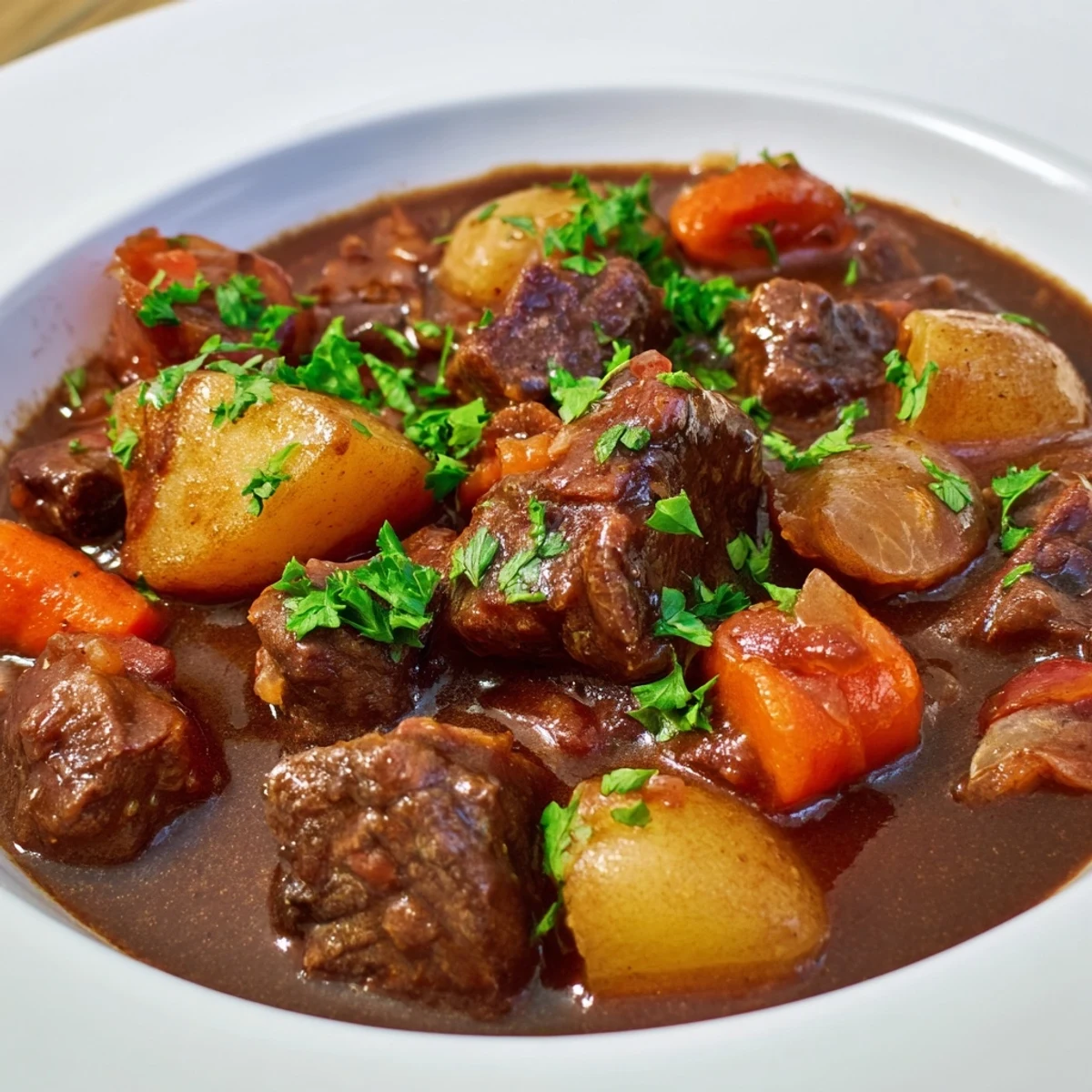
 This beef stew features tender chunks of stewing beef simmered with a medley of root vegetables, including carrots, parsnips, and potatoes. The rich, malty depth comes from non-alcoholic stout and Worcestershire sauce, creating a hearty and comforting dish ideal for chilly evenings. Slow cooking allows flavors to meld perfectly, while fresh thyme and bay leaves add aromatic complexity. Garnished with parsley, it's a nourishing meal for family dinners or gatherings.
Years ago, I stood in a Dublin pub watching someone nurse a perfectly poured Guinness, and I realized I couldn't have the same moment—not then, anyway. But I wanted that deep, malty comfort without the alcohol, so I started experimenting with non-alcoholic stout in my kitchen. The first pot of this stew was clumsy and thin, but something clicked when I browned the beef properly and let it simmer low and slow. Now it's the dish I make when the weather turns cold and people need feeding.
I made this for my neighbor last winter when she was recovering from surgery, and she ate three bowls in one sitting. She said it tasted like her grandmother's kitchen, which made me realize that good stew isn't about fancy ingredients—it's about time and attention. Now whenever someone's had a rough week, I know what to bring.
Ingredients
- Beef chuck or stewing beef (1 kg / 2.2 lbs), cut into 2.5 cm cubes: Don't skip the browning step or you'll lose the depth that makes this stew sing.
- Large onions (2), diced: They dissolve almost completely into the broth and create the sweet backbone of everything else.
- Carrots (3) and parsnips (2), peeled and sliced: The parsnips add an earthy sweetness that you won't quite be able to name but will absolutely crave.
- Potatoes (3), peeled and cut into chunks: Add these late so they don't break down into mush and thicken everything too much.
- Celery (2 stalks), sliced: It's quiet but essential, adding structure to all the other flavors.
- Garlic (3 cloves), minced: Add it after the harder vegetables so it doesn't turn bitter.
- Non-alcoholic stout or malt beverage (500 ml / 2 cups): This is where the magic lives—choose one with real depth and color.
- Beef stock (500 ml / 2 cups): Low sodium lets you control the final seasoning and tastes fresher.
- Tomato paste (2 tbsp): Just a small amount adds umami and helps balance the malty sweetness.
- Worcestershire sauce (2 tbsp), alcohol-free: Check the label twice—this brings savory complexity that ties everything together.
- All-purpose flour (3 tbsp): This dredges the beef and helps it brown properly.
- Vegetable oil (3 tbsp): Use it in batches so the meat actually browns instead of steaming.
- Fresh thyme leaves (2 tsp) or dried thyme (1 tsp): Fresh is noticeably brighter, but dried works beautifully here too.
- Bay leaves (2): Remove them before serving or you'll find one and remember you forgot.
- Salt and freshly ground black pepper, to taste: Taste as you go and don't be shy.
- Fresh parsley, chopped, for garnish: It's the final breath of freshness that makes people say this tastes better than they expected.
Instructions
- Dry and coat your beef:
- Pat the beef cubes completely dry—wet meat won't brown, it will steam. Toss them with flour, salt, and pepper until every piece is lightly coated; this creates the crust you're after.
- Build the color:
- Heat oil until it shimmers, then brown the beef in batches without crowding the pan. This takes patience, but it's the foundation of everything that comes next. Transfer each batch to a plate as it's done.
- Wake up the vegetables:
- In the same pot, add onions, carrots, parsnips, celery, and garlic. Sauté for five minutes, scraping up all those browned bits stuck to the bottom—that's liquid gold. The kitchen will smell alive at this point.
- Deepen with tomato:
- Stir in tomato paste and let it cook for one minute to lose its raw edge.
- Bring everything together:
- Return the beef to the pot, then pour in the non-alcoholic stout, beef stock, Worcestershire sauce, thyme, and bay leaves. Stir everything until it's combined, then bring it to a gentle simmer.
- Let time do the work:
- Cover and cook on low heat for 1.5 hours, stirring occasionally so nothing sticks. The beef will slowly become tender and the flavors will marry into something deeper than any single ingredient.
- Add the potatoes and finish:
- After 1.5 hours, add the potato chunks, cover again, and simmer for another 40 minutes. The beef should be fall-apart tender and the vegetables cooked through but still holding their shape.
- Taste and adjust:
- Remove the bay leaves and taste carefully. Add more salt and pepper if needed—this is your moment to make it exactly right.
- Serve with intention:
- Ladle into bowls and finish with a scatter of fresh parsley. Everything tastes better when it's warm and you've taken the time to make it.
 Save Pin
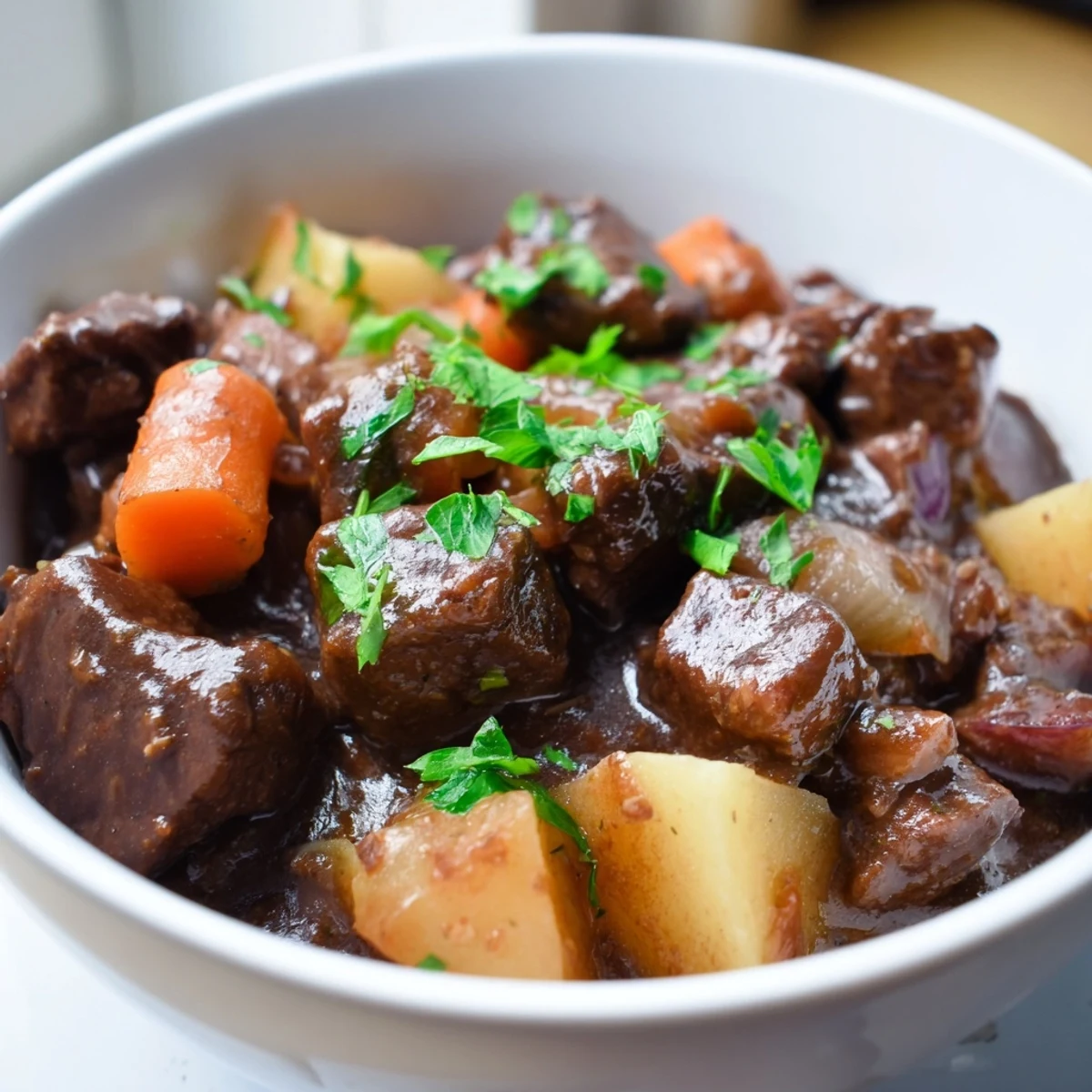
 The first time my partner tasted this, he closed his eyes between spoonfuls. I watched him realize that comfort food doesn't need alcohol to feel like a moment, and that's when I knew this stew had become something I'd make forever. It turned from an experiment into a ritual.
Why This Stew Works Without Alcohol
The non-alcoholic stout does something that regular beef stock alone can't—it brings malt sweetness, roasted depth, and a subtle bitterness that mirrors the complexity of the real thing. The tomato paste adds umami, the Worcestershire brings savory layers, and the long, slow simmer lets all of these notes develop and blend until the stew tastes like it's been building for hours.
Make It Your Own
This stew is forgiving and flexible, which is part of why it became a staple in my kitchen. The core is the beef and the malty liquid, but everything else can shift with what's in your pantry or what you're craving. I've made it with turnips instead of parsnips, added a splash of balsamic vinegar for more depth, and once used roasted garlic because I had it on hand.
Serving and Storing
Serve this hot with crusty bread for soaking up the broth, or alongside a sharp green salad to cut through the richness. It tastes even better the next day after the flavors have had time to settle and deepen, and it freezes beautifully for up to three months.
- Crush a piece of bread into the bowl to soak up every last bit of that malty broth.
- For a thicker stew, mash a few potato chunks into the liquid before serving.
- Pair it with something bright—a crisp salad, pickled vegetables, or tangy slaw balance the richness perfectly.
 Save Pin
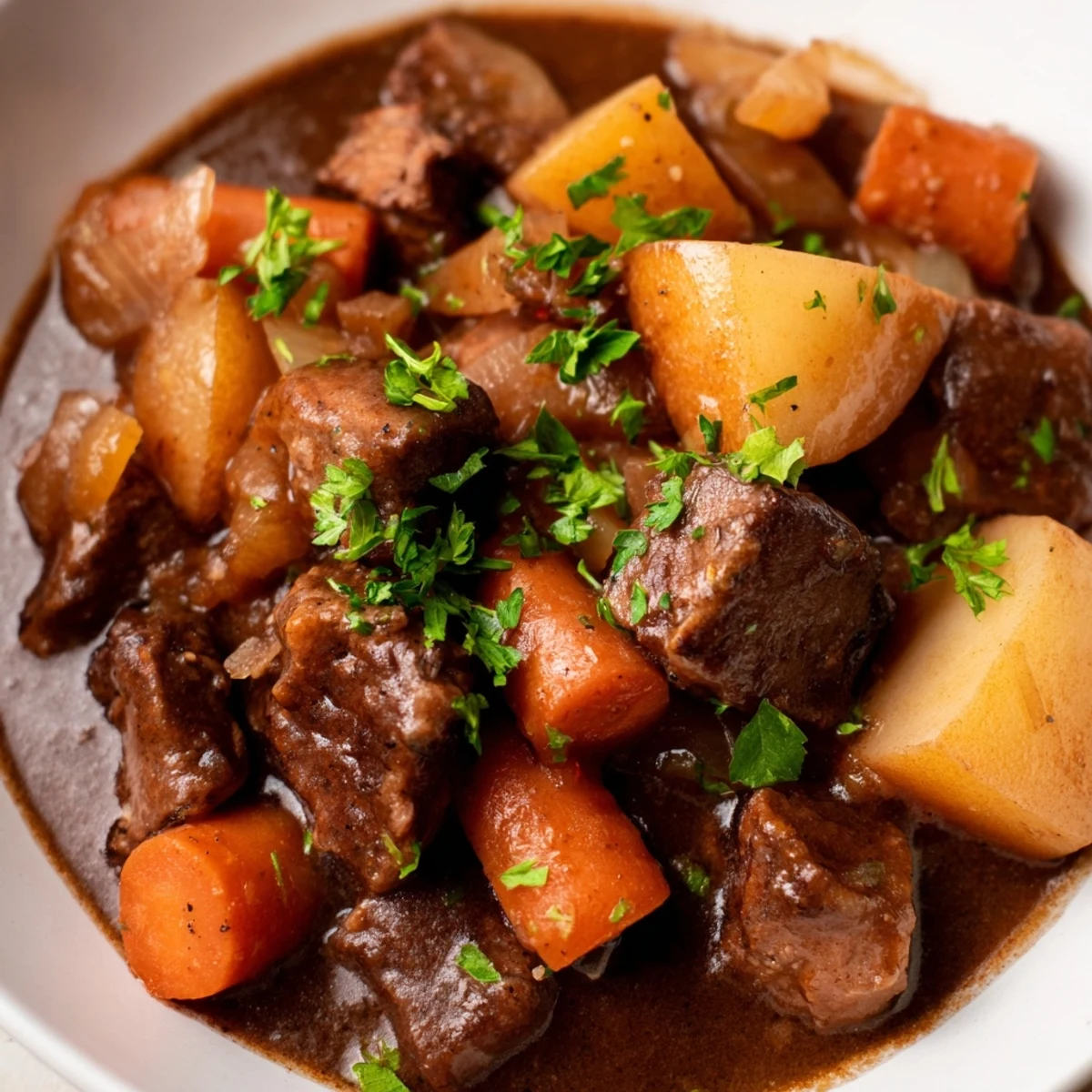
 This is the kind of stew that makes a house feel like a home, and that feeds both hunger and something quieter. Make it whenever you need to slow down.
Recipe Questions & Answers
- → What cut of beef is best for this stew?
-
Stewing beef or beef chuck cut into cubes works best, providing tenderness after slow cooking.
- → Can this stew be made dairy-free?
-
Yes, this version avoids dairy entirely, focusing on meat, vegetables, and malt-based liquids.
- → What gives the stew its rich malt flavor without alcohol?
-
Non-alcoholic stout and Worcestershire sauce deliver the deep, malty notes traditionally found in Guinness-style stews.
- → How long should the stew cook for ideal tenderness?
-
Simmer on low heat for about 2 hours and 15 minutes, allowing meat and vegetables to become tender and flavorful.
- → Can other vegetables be used in place of parsnips?
-
Turnips are a great substitute, adding a similar earthy sweetness to the dish.
- → How to thicken the stew if needed?
-
Mash some potato chunks into the broth before serving for a naturally thicker texture.