
 Save Pin
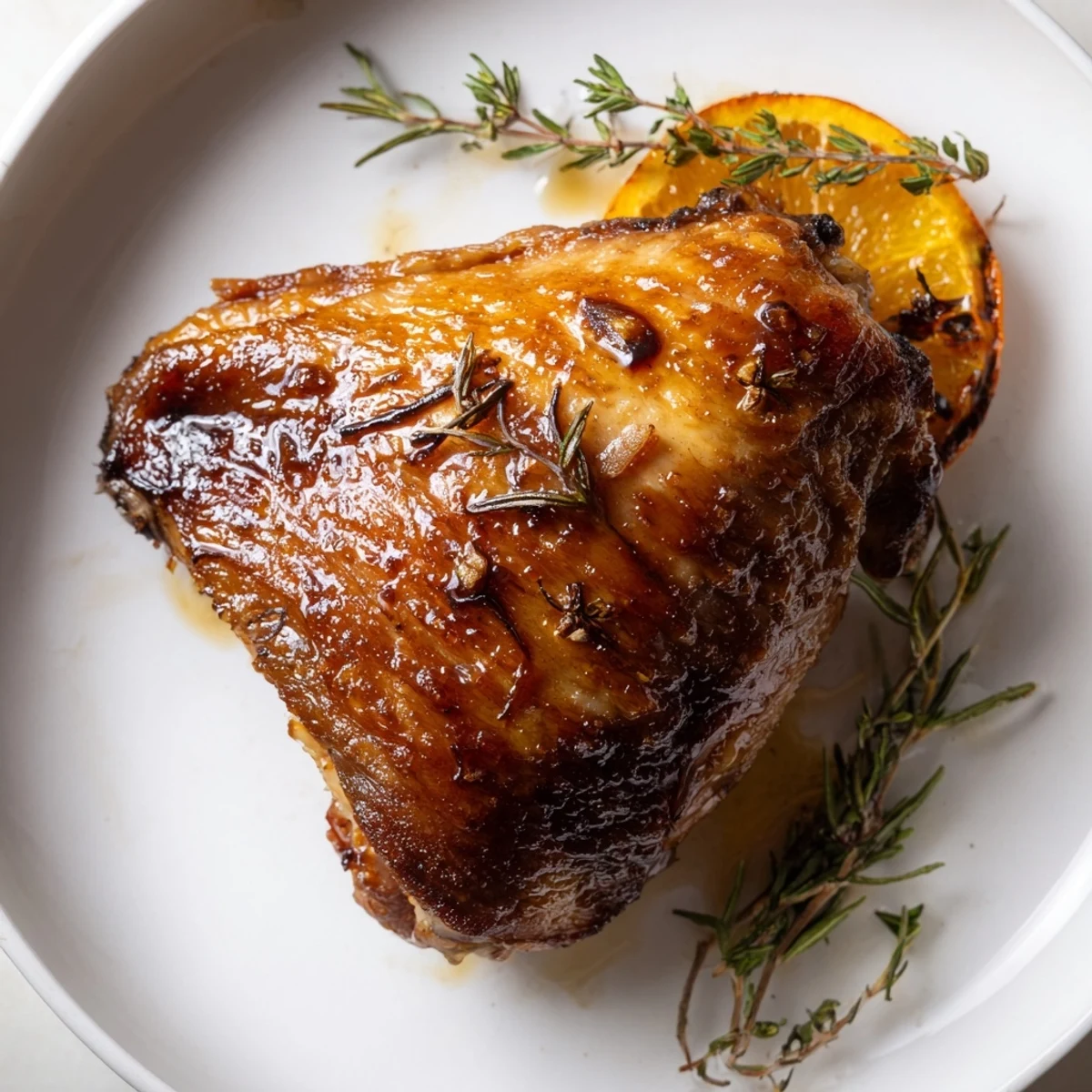
 This dish features a whole duck carefully scored and seasoned with salt and pepper. The cavity is filled with orange quarters, onion, garlic, thyme, and rosemary to infuse vibrant, aromatic flavors during roasting. The skin crisps up beautifully at high heat before the temperature is lowered for even cooking. Basting with a honey, balsamic vinegar, and orange glaze creates a glossy finish. After roasting, the meat is rested to lock in juices, delivering a tender, flavorful centerpiece ideal for celebratory dinners.
My uncle arrived at our holiday dinner with a gleaming duck on a platter, the skin crackling so loudly you could hear it across the table. That was the moment I realized roasting a whole duck wasn't some unattainable restaurant trick—it was something I could actually master at home. Years later, I still remember how he taught me that the secret wasn't fancy technique, but understanding how heat and patience transform that beautiful bird into something truly memorable. Now, whenever I roast a duck, I think of that dinner and the quiet confidence he brought to the kitchen.
I once made this for a dinner party where I was nervous about everything going wrong, so I called my partner into the kitchen every fifteen minutes for moral support. By the time we pulled it out of the oven, golden and perfect, they laughed and said I'd turned roasting duck into a team sport. That night taught me that sometimes the joy isn't just in the final dish—it's in the person standing beside you while it cooks.
Ingredients
- 1 whole duck (approx. 2 kg), giblets removed: The foundation of everything—ask your butcher for a fresh one if you can, and make sure they remove the giblets so you have a clean cavity to work with.
- 1 tablespoon kosher salt: Don't skip this step or use table salt; kosher salt granules cling to the skin better and give you that seasoning control you need.
- 1 teaspoon freshly ground black pepper: Grind it fresh right before you season—it makes a real difference in flavor depth.
- 1 large orange, quartered: This isn't just for flavor; it creates steam inside the cavity that keeps the meat moist while the outside crisps.
- 1 small onion, quartered: Adds sweetness and another layer of aroma that subtly seasons the duck from within.
- 4 garlic cloves, smashed: Smash them gently—you want them to release their oils, not turn to mush.
- 4 sprigs fresh thyme: Fresh is non-negotiable here; dried thyme tastes thin and dusty by comparison.
- 2 sprigs fresh rosemary: Use whole sprigs so they infuse without falling apart into the cavity.
- 2 tablespoons honey: This sweetens and glosses the glaze; raw honey has better flavor than processed.
- 1 tablespoon balsamic vinegar: The tang cuts through the richness of the duck skin like nothing else can.
- 1 tablespoon orange juice: Balances the vinegar and echoes the citrus already inside the bird.
Instructions
- Get your oven ready and prep the duck:
- Heat your oven to 220°C (425°F) and pat that duck absolutely dry with paper towels—any moisture on the skin will steam instead of crisp. Take your time here; this one step is what separates soggy skin from the crackling texture you're after.
- Score the skin with care:
- Using a sharp knife, make shallow criss-cross cuts all over the duck skin, being very careful not to cut into the meat beneath. Those scores let the fat render out evenly, which is the whole secret to crispy skin.
- Season inside and out:
- Rub the entire duck—outside and inside the cavity—with salt and pepper, really working it into those scored lines. Don't be shy; this is your only chance to season the inside properly.
- Stuff the cavity:
- Fill the duck's cavity with the orange quarters, onion, garlic, thyme, and rosemary, packing them in so they stay put as the duck cooks. This filling will perfume the meat and keep it tender from the inside out.
- Position for roasting:
- Place the duck breast side up on a rack in your roasting pan, making sure the rack keeps it elevated so hot air can circulate underneath. The pan below will catch all that precious rendered fat.
- Start with high heat to crisp the skin:
- Roast at 220°C for 20 minutes until the skin starts turning golden and you hear that first sizzle. This initial blast of heat is what gets the rendering process going strong.
- Lower the heat and make your glaze:
- Reduce the oven to 180°C and mix together the honey, balsamic vinegar, and orange juice in a small bowl. Stir it well so the honey dissolves and you have a shiny, glossy liquid ready to coat the duck.
- Drain fat and start basting:
- After 40 minutes total, carefully pour or spoon out the excess fat from the pan—save it for roasting vegetables later, it's liquid gold. Brush that glaze all over the duck, making sure to coat every inch.
- Finish roasting with regular basting:
- Continue roasting for another 45 minutes, pulling the pan out every 15 minutes to baste with more glaze, until the skin is deep golden and a thermometer inserted into the thickest part of the thigh reads 74°C (165°F). Each baste builds another layer of flavor and shine.
- Rest before carving:
- Transfer the duck to a platter and cover loosely with foil, letting it rest for 15 minutes while the juices redistribute through the meat. This rest is what keeps the meat tender and juicy when you carve.
 Save Pin
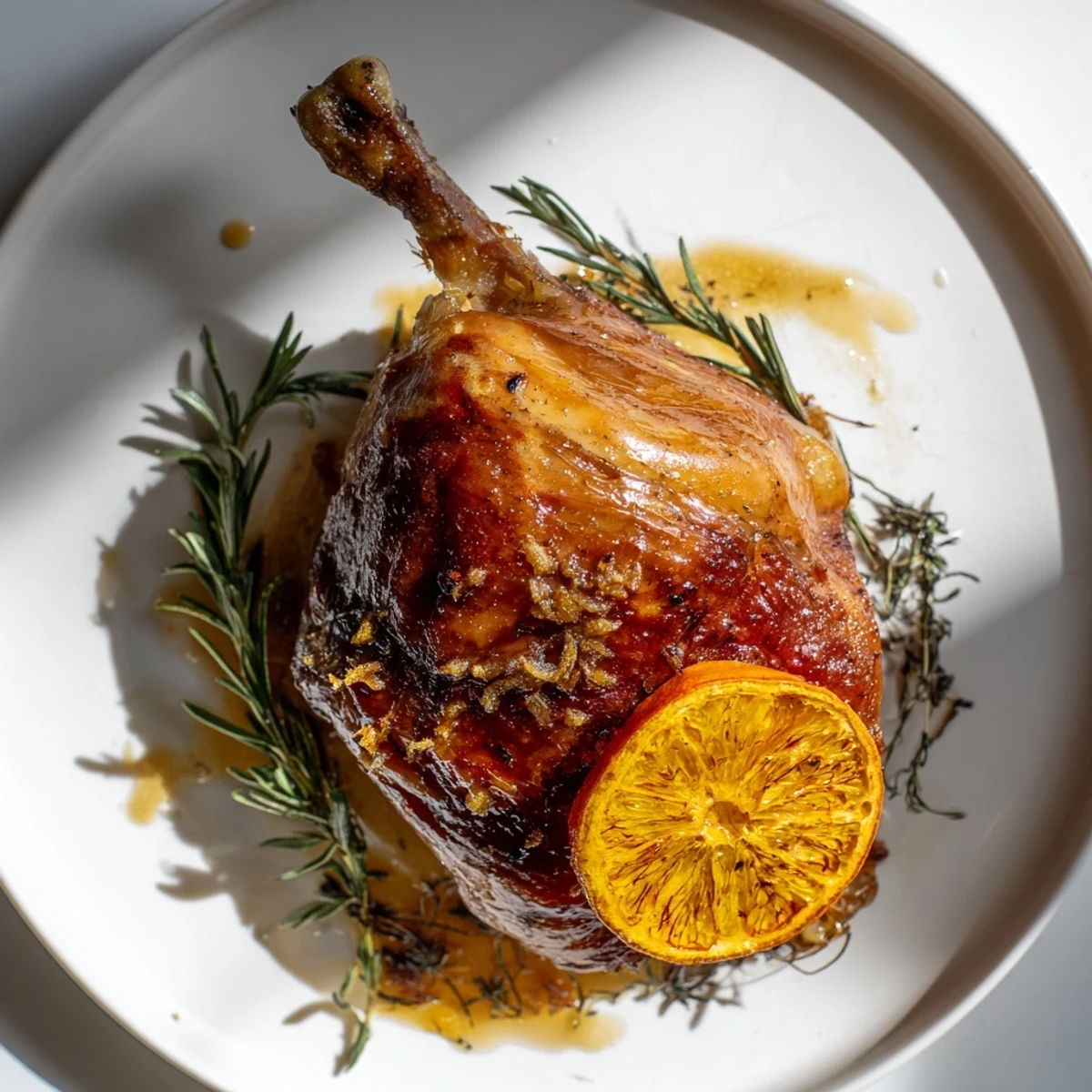
 There's a moment, right when you pull the duck out of the oven, where the kitchen fills with this incredible aroma—citrus, herbs, and that unmistakable smell of rendered fat and caramelized skin. That's when you know you've done something right, and everyone at your table will feel it too.
Why Rendering Fat Is Your Secret Weapon
The fat that collects in that pan isn't waste—it's the foundation for crispy skin and one of the best cooking ingredients you'll ever have. I learned this the hard way after my first duck roast when I poured it down the drain, and my partner gently pointed out what I'd just thrown away. Save every drop of that rendered duck fat; it'll stay in your fridge for months and make your roasted potatoes taste like they came from a French bistro.
Timing and Temperature Mastery
The two-temperature roast—high heat first, then lower—is the technique that actually works, and it's exactly what professional kitchens do. Start at 220°C to kickstart the rendering and get that skin crackling, then dial it back to 180°C so the meat cooks through without the outside burning to a crisp. A meat thermometer is your best friend here; aim for 74°C in the thickest part of the thigh, and you'll have meat that's cooked perfectly every time.
Serving and Sides That Shine
A roasted duck deserves sides that can stand up to its richness, so think about what you're putting on that plate. Roasted potatoes done in that rendered duck fat are non-negotiable, but braised red cabbage adds a bright, acidic contrast that makes every bite sing. A simple citrus salad works beautifully too, cutting through the richness and echoing the flavors already in the bird.
- Save that rendered fat for your potatoes and vegetables—it's better than any oil you can buy.
- If your oven runs hot, check the duck a few minutes early; ovens vary more than recipes admit.
- Leftover duck meat makes incredible sandwiches and salads the next day, so roast a little extra if you can.
 Save Pin
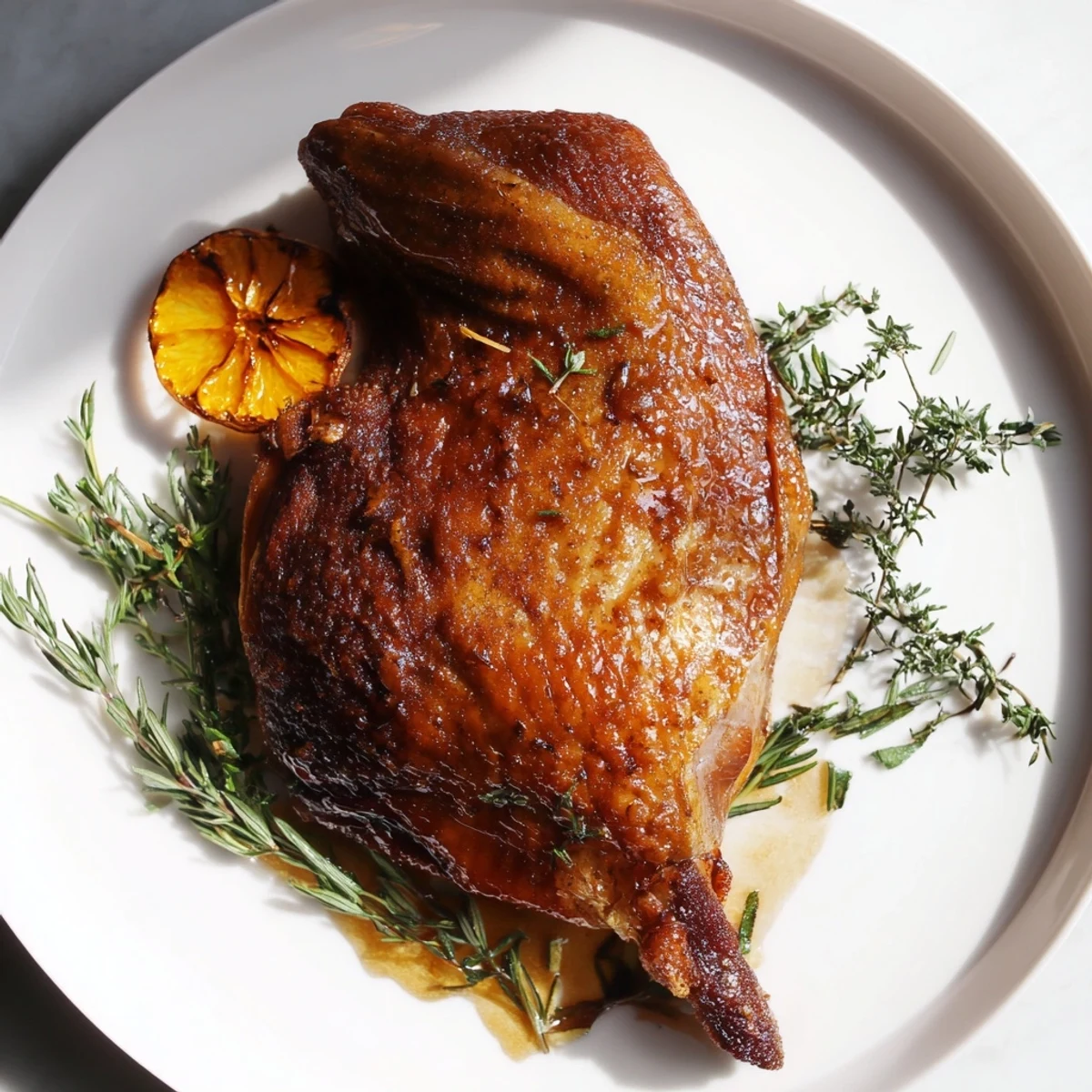
 There's something deeply satisfying about bringing a whole roasted duck to the table, the skin crackling, the aroma rising up to meet your guests. Once you've done it once, you'll want to do it again and again.
Recipe Questions & Answers
- → How do I achieve crispy skin on the duck?
-
Score the duck skin in a criss-cross pattern and roast it initially at a high temperature to render fat and crisp the skin before lowering the heat for thorough cooking.
- → What herbs best complement the duck?
-
Fresh thyme and rosemary add an aromatic depth that balances the richness of the duck perfectly.
- → Can I substitute orange with another citrus?
-
Yes, lemon works well and offers a brighter, tangier twist to the flavor profile.
- → How should I baste the duck during cooking?
-
Mix honey, balsamic vinegar, and orange juice for a glaze, and baste every 15 minutes after the initial crisping phase to enhance flavor and color.
- → What is the recommended resting time for the duck?
-
Rest the duck loosely covered with foil for about 15 minutes to allow juices to redistribute for tender, juicy meat.