
 Save Pin
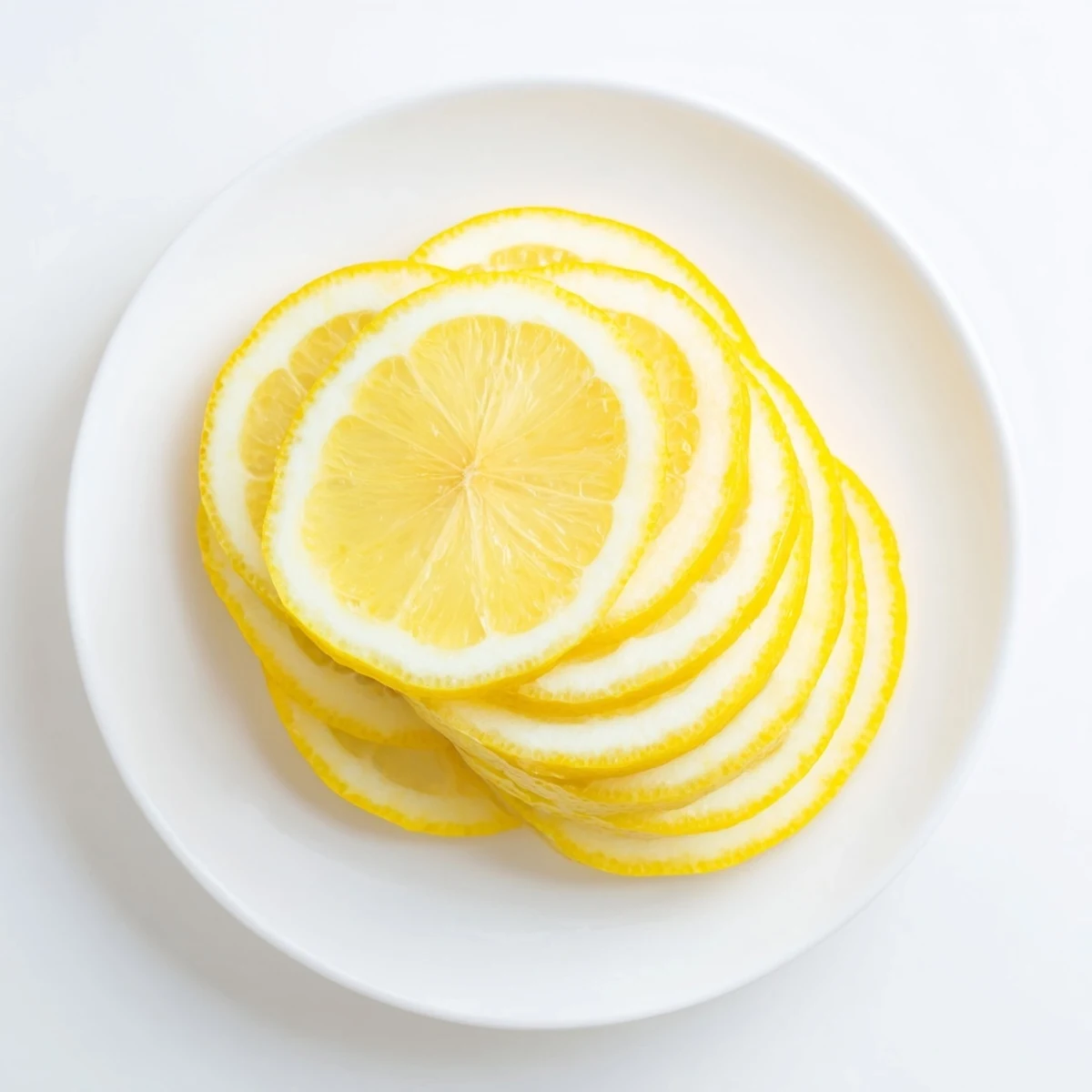
 Slicing a lemon properly is quick and easy, requiring just a sharp knife and cutting board. Trim the ends, then slice crosswise into thin, even rounds or wedges. These slices add a bright citrus note to beverages, seafood, and salads. Use immediately or store refrigerated for up to two days. Fresh lemon slices elevate flavor with minimal effort.
There's a moment in every kitchen when you realize that the smallest gestures matter most. I learned this while making a simple gin and tonic one evening—nothing fancy, just what I had on hand. But when I sliced a lemon so carefully that each round caught the light, something shifted. The drink tasted better, or maybe I just paid attention differently. Either way, I stopped treating lemon slicing like a chore and started seeing it as the foundation for better drinks, brighter dishes, and more thoughtful cooking.
I remember my grandmother's kitchen during summer visits, where a bowl of lemon slices always sat on the counter, ready for whatever the day demanded. She never measured or fussed; she just knew that good slices meant good flavor. I watched her hands move with such ease that I thought it took years to learn. It took me embarrassingly long to realize she was just being intentional about thickness and letting the knife do the work.
Ingredients
- 1 fresh lemon, washed: The foundation of everything here—choose one that feels heavy for its size and has thin, smooth skin if possible, as these are usually juicier and easier to slice evenly.
Instructions
- Wash and prep your lemon:
- Run it under cool water and rub gently with your hands or a soft cloth to remove any surface dust. Pat it dry so it doesn't slip under your knife.
- Trim both ends:
- Place the lemon on your cutting board and use a sharp knife to slice off a thin round from each end, removing just enough to create a flat surface. You're making anchor points so the lemon won't roll.
- Create your slices:
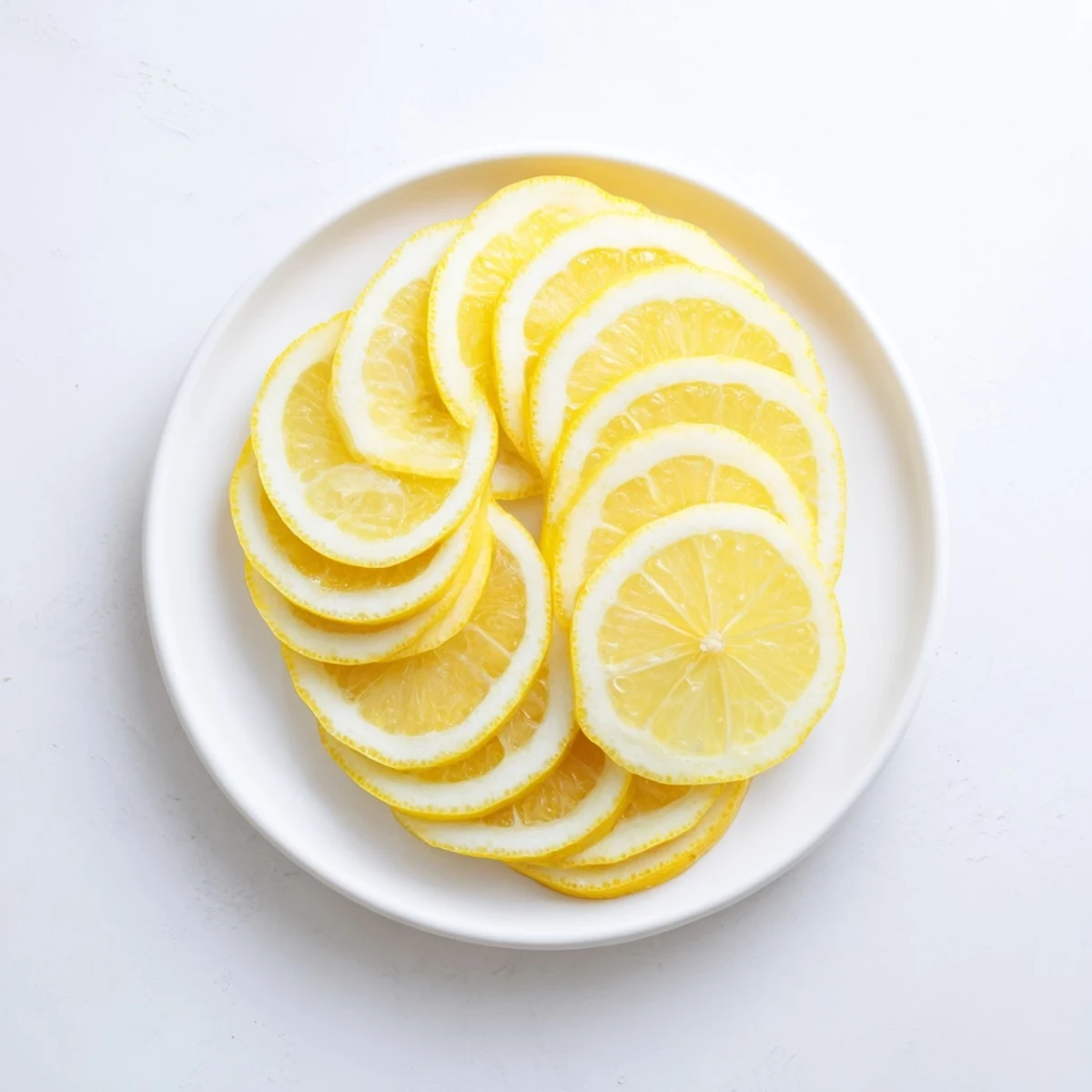
- Stand the lemon upright on one of those flat ends and slice crosswise with a smooth, forward motion, aiming for rounds about 1/8 inch thick. The key is consistent pressure—let the knife's weight do most of the work rather than sawing back and forth.
- Consider wedges if you prefer:
- Cut the lemon in half lengthwise if you want larger pieces, then slice each half into segments. Wedges work beautifully for garnishes or squeezing over food.
- Use or store wisely:
- Fresh slices are best used immediately, but if you need to prep ahead, layer them in an airtight container with a paper towel between layers and refrigerate for up to two days.
 Save Pin
 The first time I served sliced lemon with a simple fish dish, a friend asked why it tasted so much brighter than when she made it at home. I realized she'd been squeezing lemon juice from a bottle. There's a difference between convenience and intention, and fresh slices blur that line in the most delicious way.
Why Thickness Matters
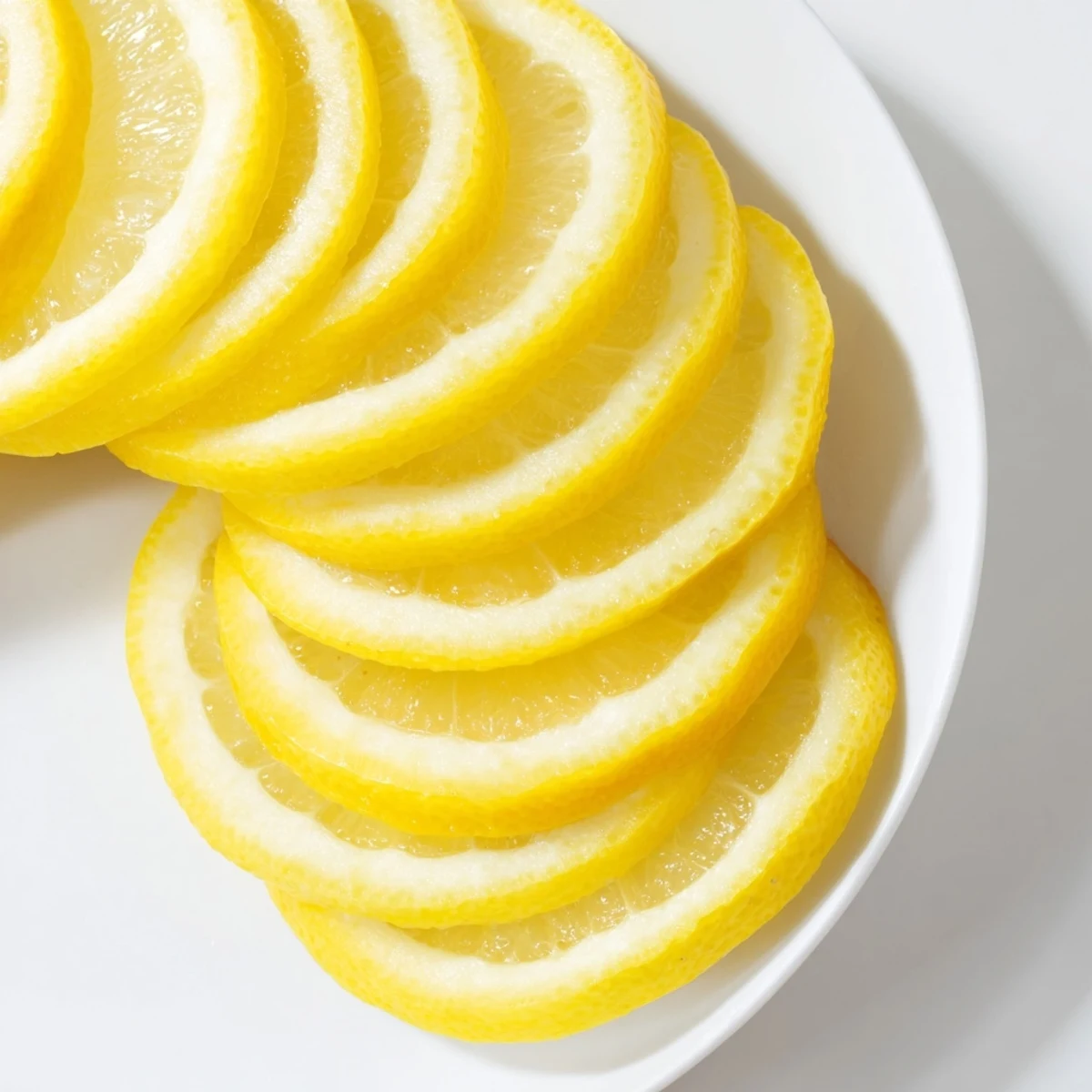
Too thin and your lemon slices become papery and fall apart in drinks; too thick and they're tough to bite through and the flavor stays locked inside. The sweet spot—around 1/8 inch—is where the slice becomes a real ingredient rather than just a garnish, contributing flavor and texture without overwhelming what it's touching.
The Right Knife Makes All the Difference
I spent years using whatever knife was closest until I borrowed a chef's knife that was actually sharp. The difference was immediate and humbling—the lemon practically fell into slices instead of resisting. A good knife also feels safer because you're not fighting the fruit, and honestly, cooking with the right tools changes how you feel about even the smallest tasks.
Beyond Basic Slicing
Once you're comfortable with slices, you'll start seeing lemons differently. A microplane zester before you slice opens up lemon zest for baking or savory dishes, capturing those bright oils. Some cooks keep half slices for casual weeknight drinks and reserve whole rounds for plating special dinners. The simplest technique becomes the most versatile once you own it.
- Always wash lemons thoroughly—especially if you're using the skin for zest or garnish—to remove any pesticide residues.
- Meyer lemons have thinner skin and a subtle sweetness that can be a nice change from standard lemons if you can find them.
- Room-temperature lemons juice more easily than cold ones, so pull yours from the counter if you plan to squeeze rather than slice.
 Save Pin
 Slicing a lemon properly is one of those small skills that makes cooking feel less like following orders and more like knowing something real. Once it's part of your routine, you'll reach for this technique without thinking—and that's when you know you've truly learned it.
Recipe Questions & Answers
- → What's the best way to slice a lemon evenly?
-
Trim both ends of the lemon, stand it upright, and slice crosswise into even rounds about 3-5 mm thick using a sharp knife.
- → How should lemon slices be stored for freshness?
-
Place slices in an airtight container and refrigerate. They stay fresh for up to two days.
- → Can I use wedges instead of slices?
-
Yes, cut the lemon in half lengthwise, then slice each half into segments to make wedges.
- → Are Meyer lemons good for slicing?
-
Meyer lemons offer a sweeter flavor and can be used as a substitute for regular lemons in slicing.
- → What are common uses for lemon slices?
-
Lemon slices add brightness to drinks like tea and cocktails, and serve as garnishes for seafood and salads.