
 Save Pin
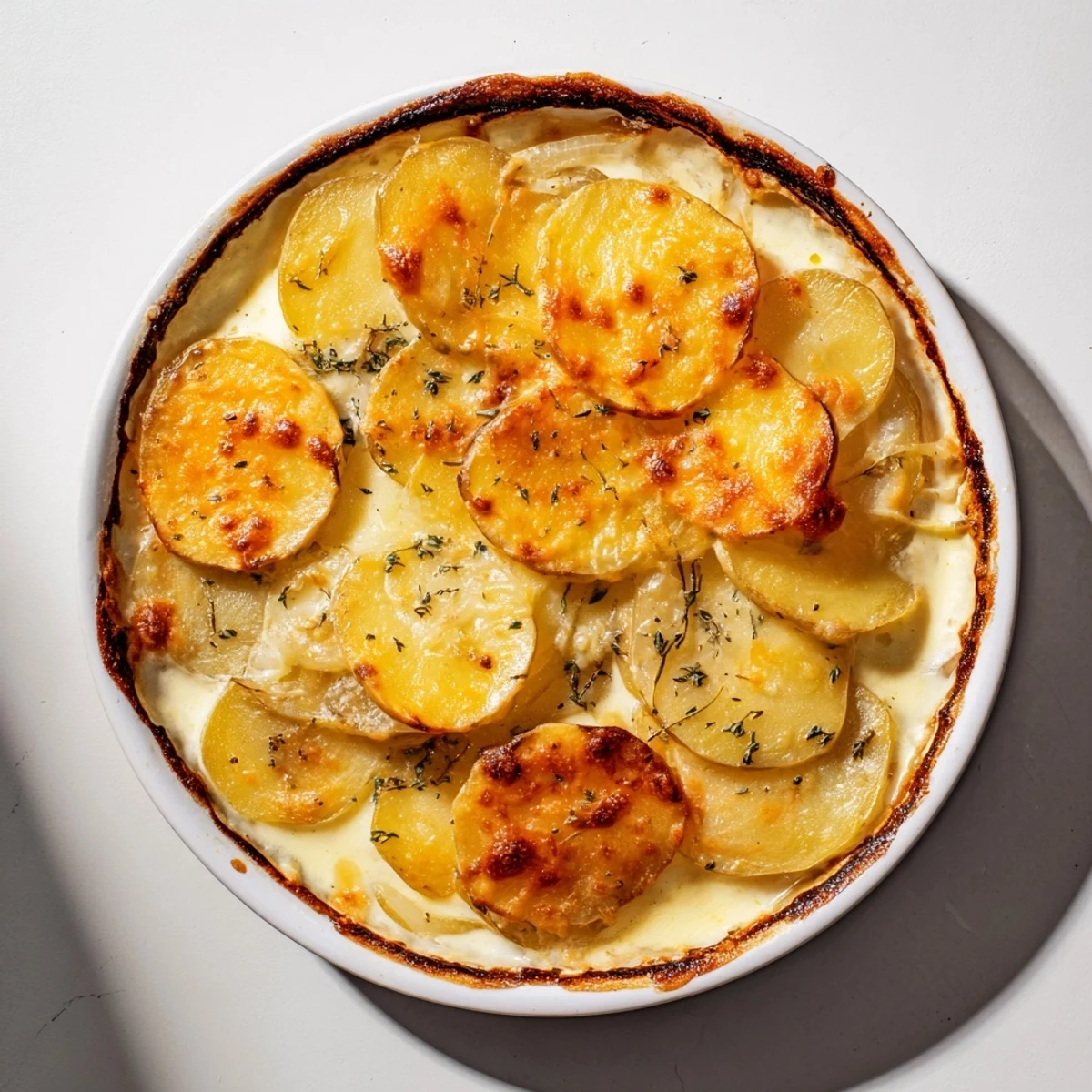
 This dish features thinly sliced Yukon Gold or Russet potatoes layered and baked in a creamy sauce enriched with whole milk, heavy cream, melted butter, garlic, and onions. A blend of Gruyère or sharp cheddar cheese creates a crunchy, golden crust that complements the tender potatoes underneath. Slowly baked until bubbly and fork-tender, it’s a comforting side ideal for pairing with roasted meats or enjoyed as a hearty vegetarian option.
The preparation involves sautéing garlic and onions in butter, stirring in dairy and seasonings, layering the potatoes and cheese, and baking covered then uncovered to achieve a crisp top. Optional touches include nutmeg for subtle warmth and broiling briefly for extra crispness.
I remember the first time my grandmother made scalloped potatoes for a family dinner—the kitchen filled with the most intoxicating aroma of cream, garlic, and melting cheese. I was mesmerized watching her layer those paper-thin potatoes like she was building something precious. Years later, I finally asked for her method, and she laughed, saying the secret wasn't in some fancy technique but in patience and good cheese. Now, whenever I make this dish, I'm transported back to that warm kitchen, and I understand why this humble side dish has graced tables for generations.
I learned the real power of this dish when I brought it to a potluck and watched it disappear in minutes while fancier sides sat untouched. That's when I realized comfort food isn't about being impressive—it's about being irresistible. A coworker asked for the recipe that night, and now her family makes it every Thanksgiving. It's become one of those recipes that travels.
Ingredients
- Yukon Gold or Russet potatoes (1.5 kg or 3.3 lbs), peeled and thinly sliced: Yukon Golds have a buttery flavor that gets even creamier when baked, while Russets offer a fluffier texture. The key is slicing them consistently thin—about 1/8 inch—so they cook evenly. A mandoline slicer makes this job quick and ensures uniform thickness, which means no sad raw potato hiding at the bottom.
- Medium onion, thinly sliced: The onion dissolves almost completely into the cream sauce, adding subtle sweetness and depth. Slice it thin so it softens quickly and disappears into the background where it belongs.
- Whole milk (2 cups or 480 ml): This is your base for richness without heaviness. It's the everyday ingredient that makes this dish accessible.
- Heavy cream (1 cup or 240 ml): This is what transforms everything into that velvety sauce. Don't skip it or substitute with half-and-half—the fat content matters here.
- Gruyère or sharp cheddar cheese, shredded (2 cups or 200 g), divided: Gruyère melts like silk and has a nutty complexity that elevates the dish. Sharp cheddar works beautifully too, offering a bolder flavor. Buy a block and shred it yourself—pre-shredded cheese has anti-caking agents that prevent silky melting.
- Unsalted butter (3 tbsp or 45 g): This builds the foundation of flavor in your sauce. It's where the garlic and onion get their gentle start.
- Garlic, minced (2 cloves): Fresh garlic, never jarred, is non-negotiable. It should be gentle here, infusing rather than shouting.
- Salt (1 tsp): Taste as you build the sauce. You're seasoning milk, which drinks up salt differently than water.
- Black pepper (½ tsp): Fresh cracked is ideal. It adds warmth without any sharp edge.
- Ground nutmeg (¼ tsp), optional: This is the secret whisper some people never find. Just a pinch makes you close your eyes after the first bite, wondering what you're tasting. Don't leave it out.
Instructions
- Prepare your canvas:
- Preheat your oven to 180°C (350°F) and butter a 9x13-inch baking dish generously. This isn't just to prevent sticking—the butter builds richness that touches every bite.
- Build the base:
- In a medium saucepan, melt butter over medium heat until it's foaming gently. Add your minced garlic and sliced onion, and let them soften for 3–4 minutes, stirring occasionally. You're looking for that moment when the onion turns translucent and the garlic becomes fragrant but never brown. This is where the foundation of flavor happens.
- Create the sauce:
- Pour in the milk and heavy cream, then add salt, pepper, and that whisper of nutmeg. Stir gently and watch the mixture carefully—you want it steaming and hot but never boiling. Boiling breaks the emulsion and makes the sauce grainy. When it's ready, it should smell like heaven in a pot. Remove from heat.
- Layer with intention:
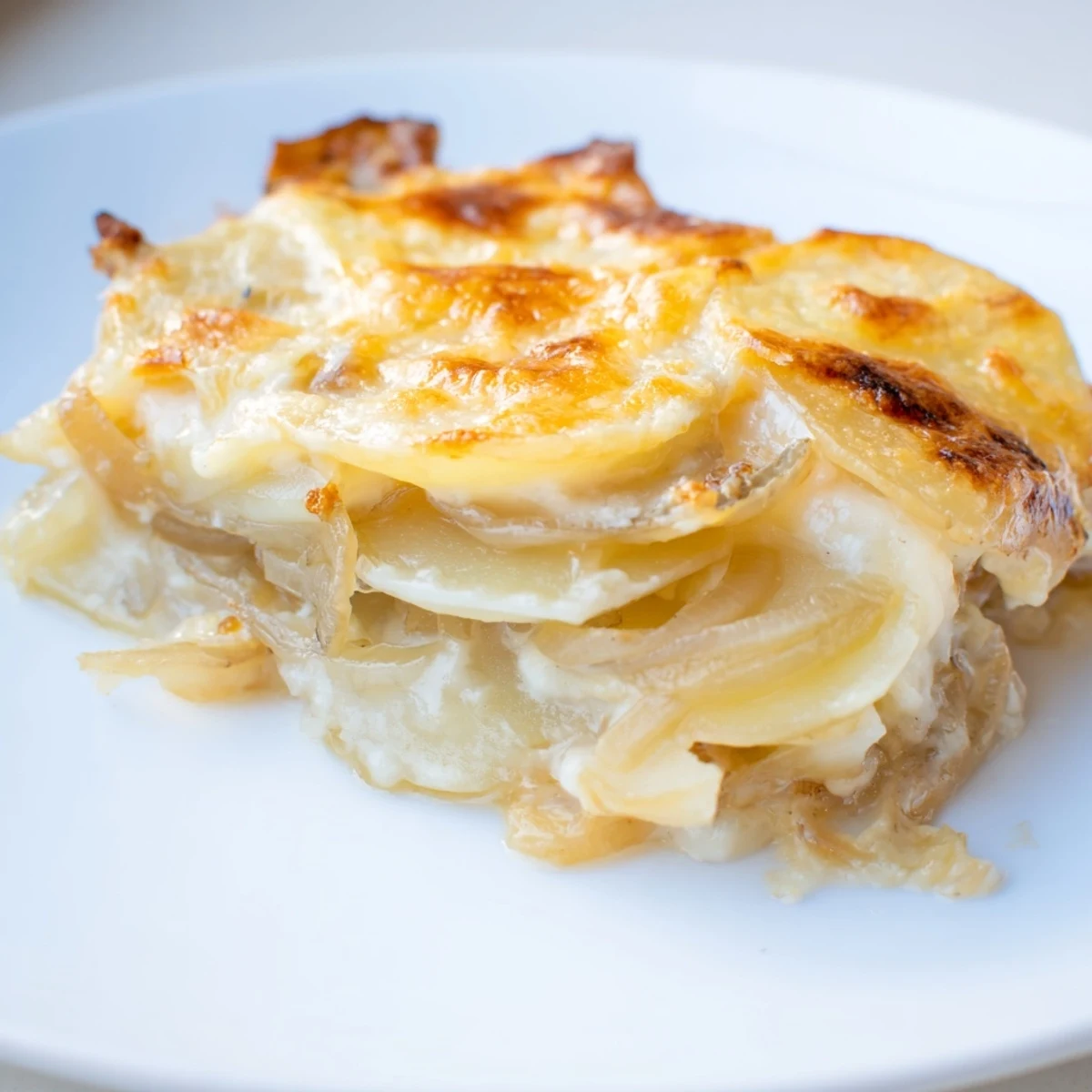
- Arrange half your potato slices in the baking dish, overlapping them like roof shingles. They should cover the bottom evenly. This is meditative work—take your time.
- First creamy embrace:
- Pour half the cream mixture over the potatoes. The sauce should nestle between the slices. Now sprinkle 1 cup of cheese across the top, making sure it's distributed evenly.
- Build the second layer:
- Layer the remaining potatoes on top, then pour the rest of the cream mixture over them. Top with the remaining cheese, letting some of it settle into the crevices.
- The first bake—covered:
- Cover the dish with foil and slide it into the oven for 45 minutes. The foil keeps the moisture in while the potatoes become tender. You're not looking for color yet, just softness.
- The final reveal:
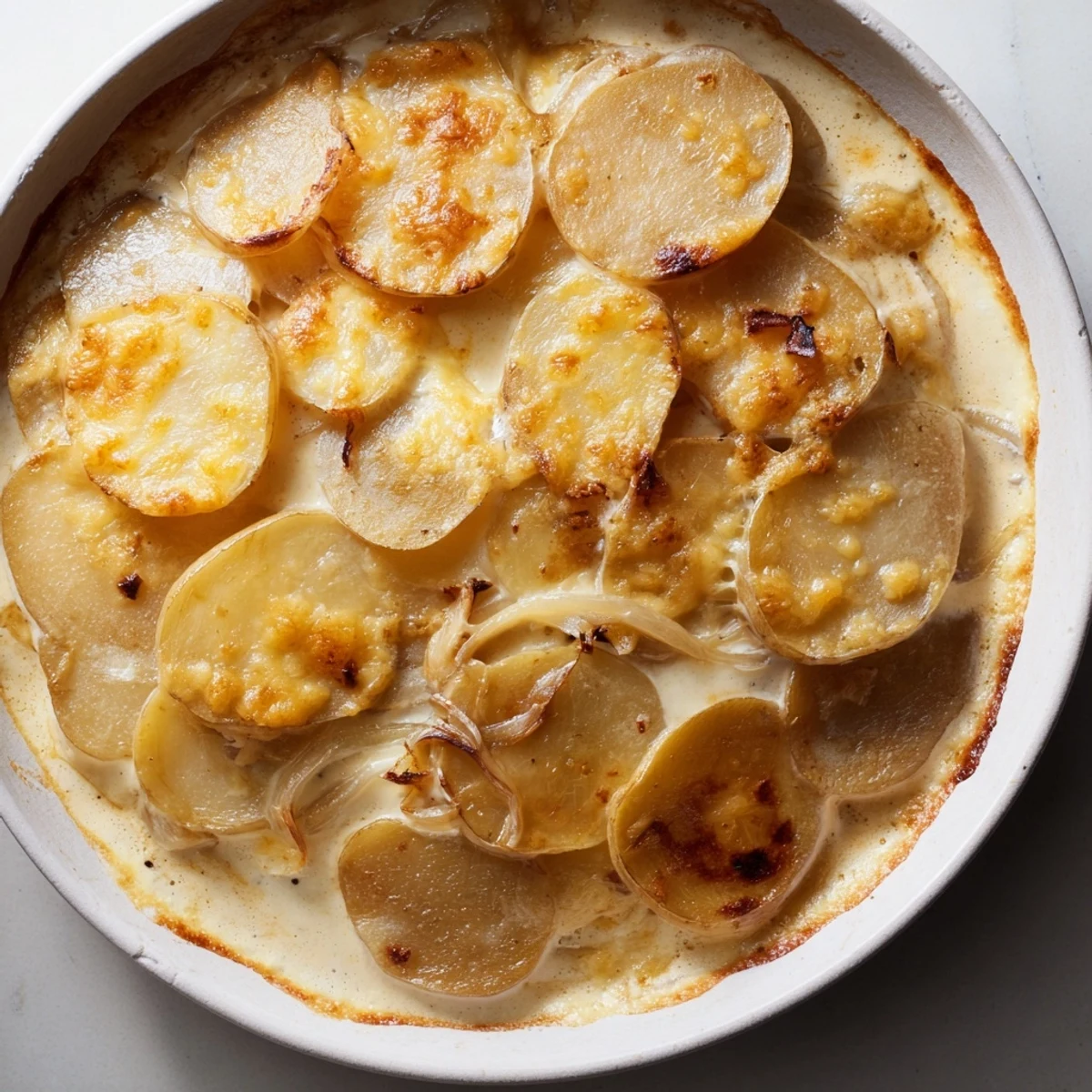
- Remove the foil and bake for another 25–30 minutes. This is when magic happens. The top will turn golden and slightly crispy, the sauce will bubble at the edges, and a fork should slide through a potato slice with no resistance. If the top isn't as golden as you'd like, you can give it 2–3 minutes under the broiler, but watch it carefully.
- The rest is sacred:
- Let the dish rest for 10 minutes out of the oven. This allows the cream to set slightly so it won't run all over the plate. It's also long enough to set the table and take a breath.
 Save Pin
 The moment I knew this recipe was truly special was when my teenage son, who usually pushes vegetables around his plate, asked if there were any leftovers. That's when a side dish becomes something more—it becomes the reason people come back to the table.
Why Texture Matters Here
The magic of scalloped potatoes lives in the contrast between the tender interior and that crispy, golden top. The covered-then-uncovered baking method is deliberately designed to achieve this. During those first 45 minutes under foil, steam circulates, gently cooking the potatoes through without any browning. Then, when the foil comes off, direct heat caramelizes the cheese and potatoes, creating a crust that shatters between your teeth. If you bake it uncovered the whole time, you'll get crispy before the potatoes are done. If you leave the foil on too long, the top stays pale and soft. Timing is everything.
Cheese Selection Secrets
Here's something I wish I'd known sooner: not all cheese melts the same way. Gruyère is almost impossibly smooth when melted, creating a sauce that feels luxurious. Sharp cheddar offers a bolder flavor and melts well too, but it can become slightly grainy if overheated. The reason I always shred my own cheese is that pre-shredded varieties contain anti-caking agents that interfere with smooth melting. Buy a wedge, grab a box grater, and notice the difference immediately. Also, dividing the cheese—1 cup in the middle layer, 1 cup on top—ensures you get cheesy flavor throughout, not just on the surface.
Variations That Still Feel Like Home
This is a foundation recipe that welcomes additions without losing its soul. I've made it with fresh thyme stirred into the sauce, which adds an herbaceous whisper. Some years I layer in crispy bacon or ham between the potatoes, turning it into something that can stand alone as a main course. For a spicy version, a pinch of cayenne in the sauce transforms it entirely. The beauty is that each variation still tastes like comfort—just wearing different clothes. Here are my three favorite tweaks that work every time:
- Stir 1 teaspoon of fresh thyme into the cream sauce for an earthy note that pairs beautifully with roasted meats.
- Layer in crispy bacon or diced ham between the potato layers for something heartier that becomes a main dish on its own.
- Add a tiny pinch of cayenne or smoked paprika to the cream sauce if you want a whisper of heat beneath all that richness.
 Save Pin
 Scalloped potatoes remind me why comfort food matters. It's not about being fancy—it's about creating a moment where people slow down and savor something made with care. Make this dish, and you're not just feeding people. You're creating a memory.
Recipe Questions & Answers
- → What type of potatoes work best?
-
Yukon Gold or Russet potatoes are ideal for thin slicing and layering due to their texture and flavor.
- → Can I substitute the cheese?
-
Gruyère can be replaced with Emmental or sharp cheddar for a similar melt and flavor profile.
- → How do I achieve a golden crust?
-
Bake uncovered for the last 25-30 minutes and optionally broil for 2-3 minutes to create a bubbly, golden top.
- → Is this suitable for vegetarians?
-
Yes, this dish contains no meat and centers on dairy and vegetables, making it vegetarian-friendly.
- → Can I prepare this in advance?
-
It can be assembled ahead of time and refrigerated before baking, allowing flavors to meld and save time on serving day.
- → What seasoning enhances the flavor?
-
Minced garlic, onion, salt, black pepper, and a hint of nutmeg give this dish its rich, layered taste.