
 Save Pin
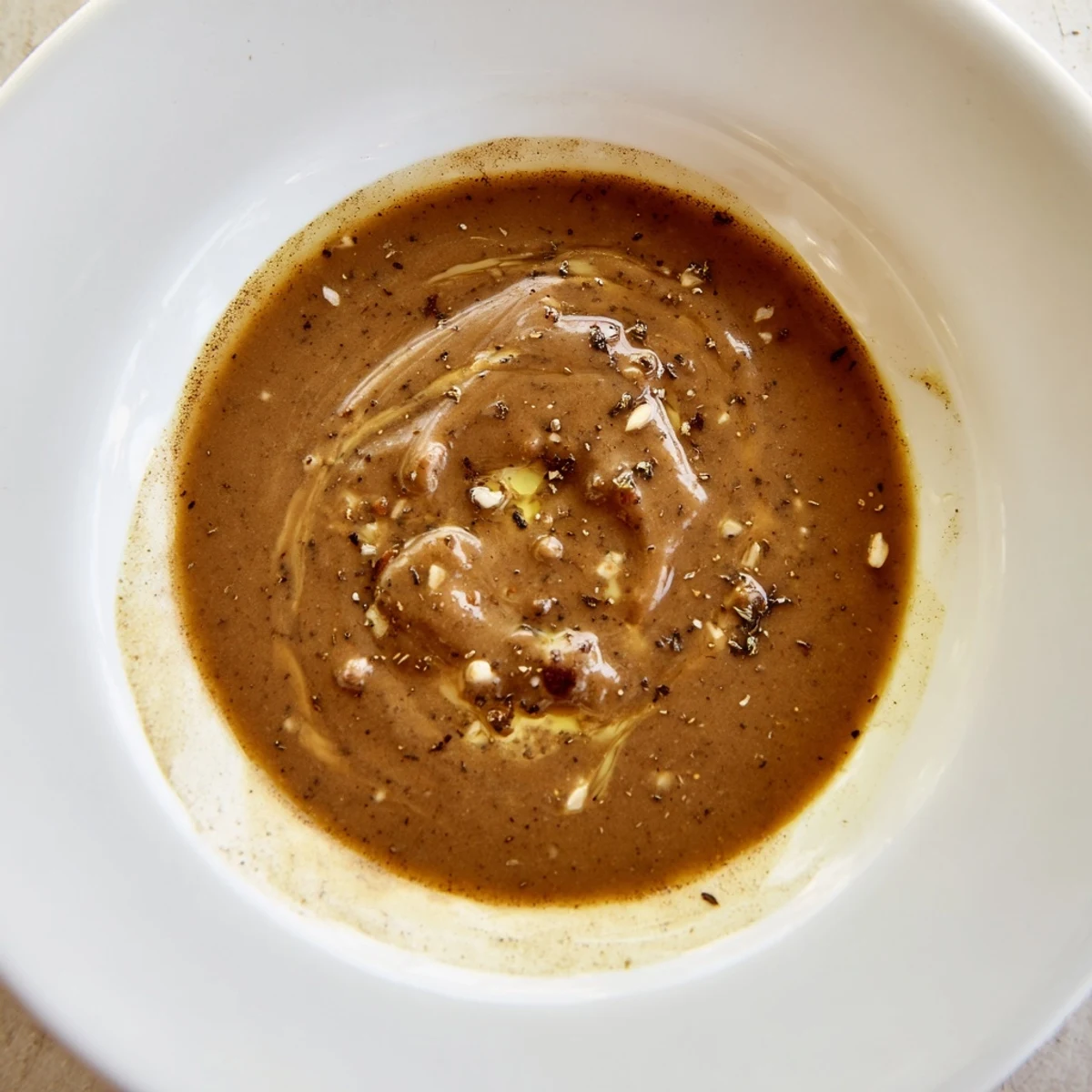
 This savory sauce blends butter, olive oil, shallots, and garlic, simmered with herbs and broth to create a deeply aromatic finish. A touch of soy sauce and optional cream add richness and complexity. Perfect for elevating meats, vegetables, or grains, it offers a balance of herbaceous and umami flavors. Vegan and gluten-free options ensure versatility for diverse diets. Simple preparation with thoughtful layering of flavors makes this sauce a kitchen staple for enhancing a variety of dishes.
I discovered this sauce almost by accident one rainy Wednesday evening when I had a beautiful piece of fish that deserved something more than salt and butter. My neighbor had just dropped off a bundle of fresh herbs from her garden, and I found myself reaching for the savory almost instinctively, layering it with thyme and something sparked. The first spoonful over roasted vegetables changed how I thought about simple weeknight cooking forever.
I made this sauce for my partner's birthday dinner last spring when he specifically asked for nothing fancy, just something that felt like home. We stood in the kitchen together while it simmered, the smell of thyme and savory filling the whole apartment, and he kept sneaking tastes from the spoon before it was ready. That's when I knew this wasn't just a recipe anymore.
Ingredients
- Unsalted butter and olive oil: The combination gives you both richness and a slightly higher smoke point than butter alone.
- Shallot and garlic: Don't skip the mincing step here, these build the whole foundation and release their sweetness better when finely chopped.
- Dried thyme and savory: Savory is the secret weapon nobody expects, it adds this peppery earthiness that makes people ask what your ingredient is.
- Freshly ground black pepper: Pre-ground pepper loses its spark after a few weeks, fresh grinding makes a real difference.
- Dry white wine: Pick something you'd actually drink, the cheap stuff leaves a weird aftertaste.
- Vegetable broth: I use the low sodium kind so I can control the salt myself.
- All-purpose flour: This creates your roux and thickens everything without any weird texture.
- Soy sauce: Just a teaspoon unlocks that deep savory note that makes people wonder what you did.
- Heavy cream: Optional but transforms this into something silky and restaurant-worthy.
Instructions
- Warm your fats gently:
- Melt the butter and olive oil together over medium heat. You want it warm and bubbly but not smoking or browning, this is your foundation.
- Soften the shallot:
- Toss in your finely chopped shallot and let it sit for a couple minutes before stirring occasionally. You're looking for it to turn translucent and start releasing its sweet aroma.
- Add garlic fast:
- Garlic burns quickly so add it after the shallot is soft, cook it just until fragrant which is literally 30 seconds, then move on.
- Make your roux:
- Sprinkle the flour in and stir constantly for a minute, you should see it turn from white to pale golden, this cooks out the raw flour taste.
- Whisk in the wine carefully:
- Pour slowly while whisking and scrape up all those brown bits stuck to the bottom, that's flavor gold. The mixture will look thick at first then smooth out as you add more liquid.
- Build the sauce:
- Add the remaining broth and your seasonings, then bring it to a gentle simmer. You want little bubbles breaking the surface, not a rolling boil.
- Let it cook and thicken:
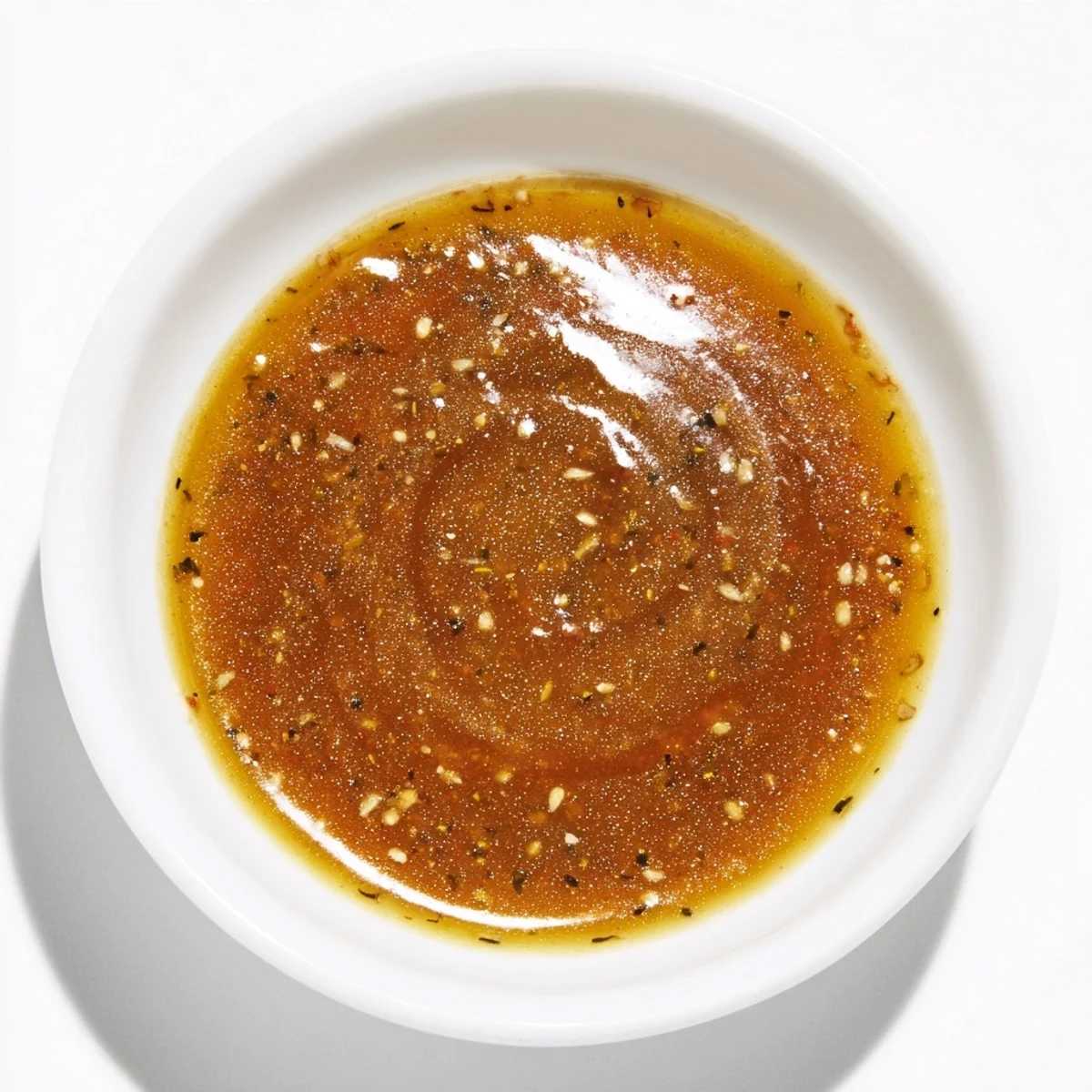
- Stir occasionally over 8 to 10 minutes as the sauce goes from loose to glossy and slightly thickened, this is where it transforms from ingredients into something cohesive.
- Finish with soul:
- Stir in the soy sauce and cream if you're using it, then taste and adjust your salt and pepper. This last step is where you make it yours.
- Optional straining:
- If you want that restaurant smooth finish, pour it through a fine mesh strainer. It's not necessary but it does make it look fancy.
 Save Pin
 There was a moment last month when my dad tasted this over mashed potatoes and got quiet for a second, the kind of quiet that means something registered. He asked for the recipe and I realized this wasn't just food anymore, it was becoming part of how people remembered eating together.
When Savory Becomes Indispensable
Savory is one of those herbs that most people walk past in the grocery store without thinking twice. It's not as famous as thyme or rosemary, but once you use it you understand why it's been showing up in cooking since ancient times. The peppery, slightly minty warmth it brings is impossible to replicate with anything else.
Scaling This Sauce Up
This recipe makes about a cup which serves four people nicely. If you're cooking for more, you can double or triple it without much fuss, just keep an eye on the cooking time as larger batches might need an extra minute or two to thicken properly. The ratios hold steady so there's no guesswork involved.
Beyond the Basic Recipe
Once you master the base of this sauce, you have endless options to play with. Mushrooms sautéed with the shallot add earthiness, fresh herbs stirred in at the end bring brightness, and a touch of mustard or wine reduction brings complexity. This sauce adapts to what you're serving and what you have on hand.
- Try adding finely chopped mushrooms or caramelized onions for deeper texture and flavor.
- Substitute the wine with extra broth if you need it alcohol-free, it won't taste quite as deep but it's still delicious.
- Store it in the fridge for up to four days and it actually gets better as flavors meld together.
 Save Pin
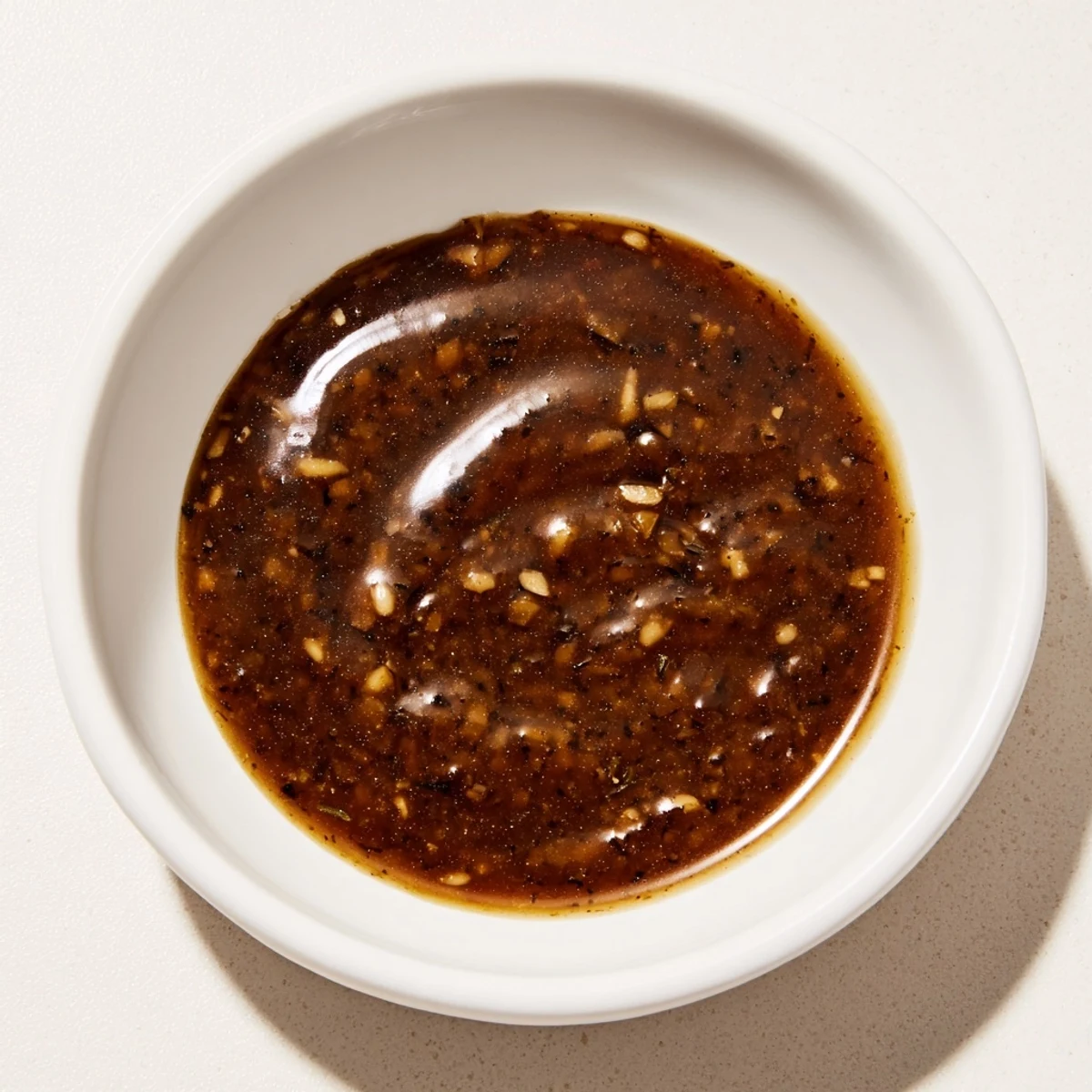
 This sauce has become the thing I make when I want to feel like I'm taking care of people through food. It's proof that something simple and honest beats complicated every single time.
Recipe Questions & Answers
- → What herbs are used in this sauce?
-
Dried or fresh thyme and savory provide earthy and herbaceous notes essential to the sauce’s flavor.
- → Can this sauce be made vegan?
-
Yes, substitute plant-based butter and omit or replace the cream with a vegan alternative to keep it dairy-free.
- → What is the purpose of the roux in this sauce?
-
The flour cooked with butter and oil creates a roux that thickens the sauce for a smooth, velvety texture.
- → How does soy sauce affect the flavor?
-
Soy sauce adds a subtle umami depth and enhances the savory qualities without overpowering the other ingredients.
- → Can I make this sauce gluten-free?
-
Yes, replace the all-purpose flour with cornstarch or another gluten-free thickener to maintain texture.
- → How long does it take to prepare this sauce?
-
Preparation takes about 10 minutes and cooking requires roughly 15 minutes, making it a quick addition to meals.