
 Save Pin
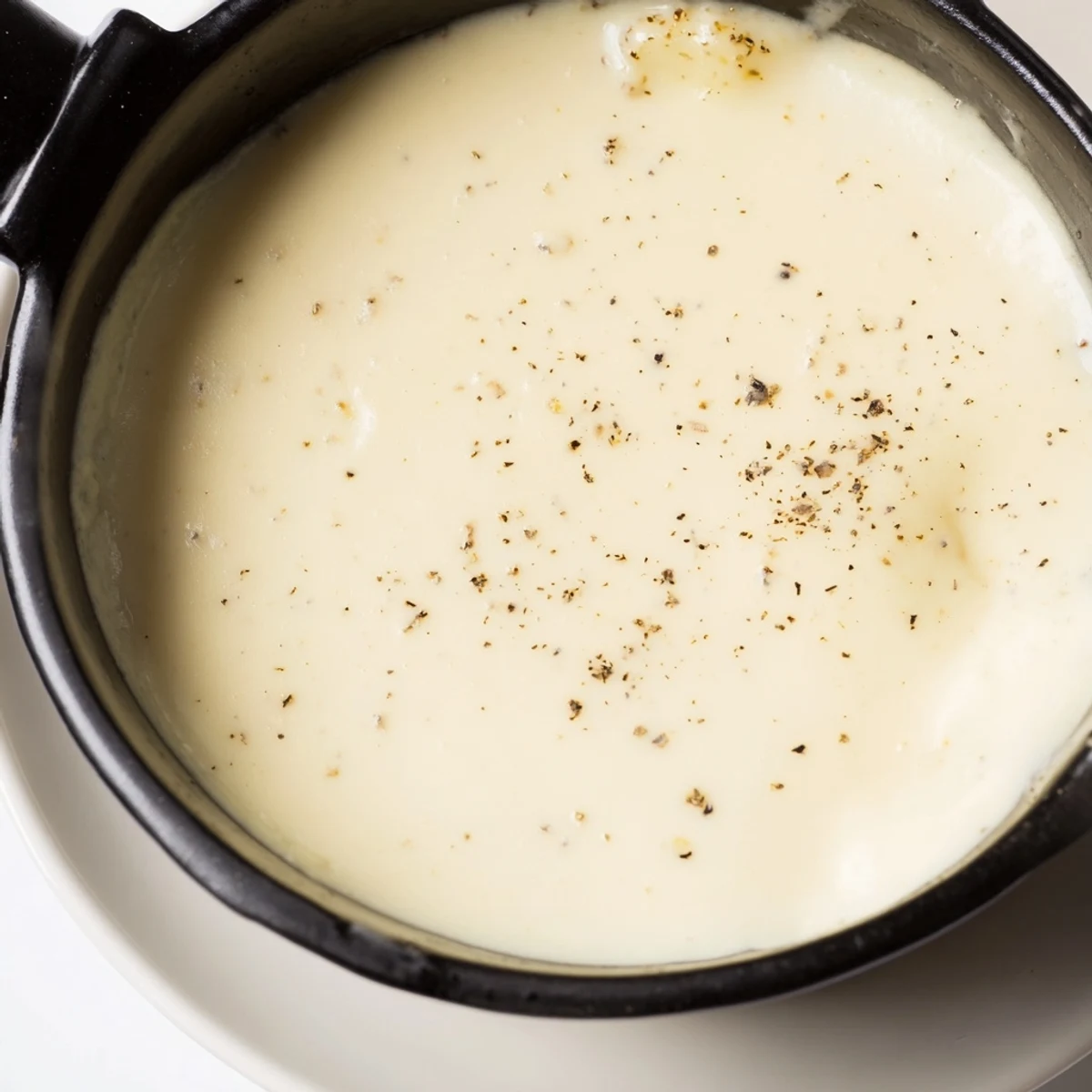
 This classic Swiss-style fondue offers a luscious blend of Gruyère and Emmental cheeses melted with dry white wine and a hint of lemon. Garlic gently seasons the base while cornstarch stabilizes the creamy mixture. Enhanced with black pepper and nutmeg, it’s served warm for dipping crusty baguette cubes and fresh vegetables, creating a perfect centerpiece for cozy evenings or friendly gatherings.
I still remember the first time I made fondue with my college roommates on a rainy Saturday evening in January. We huddled around a small pot on the stove, this being long before I owned a proper fondue set, armed with nothing but crusty bread and unbridled excitement. My Swiss roommate Margot had insisted it was the only way to truly warm up, and honestly, she was right. There's something about melted cheese that transforms a simple meal into an intimate gathering, where everyone leans in and shares something beyond just food.
Years later, I hosted a small dinner party in my first apartment with a real fondue pot, and watching my friends' faces light up as they tasted that creamy, nutmeg-kissed cheese mixture was pure magic. One friend declared it was the best thing she'd ever eaten. That night cemented fondue as my go-to dish when I wanted to feel capable of something both delicious and deeply welcoming.
Ingredients
- Gruyère cheese, grated (200 g): This is the backbone of your fondue—it brings depth and a slightly nutty edge that makes people ask what you did differently.
- Emmental cheese, grated (200 g): Where Gruyère gives character, Emmental adds creaminess and prevents the mixture from becoming grainy; never skip it.
- Garlic clove, halved (1): The garlic rub is like a secret handshake with the pot—it perfumes everything without overwhelming.
- Dry white wine (300 ml): This is your magic ingredient; it prevents the cheese from becoming a rubbery blob and adds complexity that makes people wonder if you added wine.
- Fresh lemon juice (1 tsp): A small squeeze that lifts everything; think of it as the brightness that keeps the fondue from feeling heavy.
- Cornstarch (2 tsp): This is your insurance policy against separation; it keeps the cheese smooth and stable as it sits on the burner.
- Kirsch, cherry brandy, optional (2 tbsp): The traditional ingredient that adds a subtle, almost mysterious note; water works if you skip it, but kirsch is worth seeking out.
- Freshly ground black pepper: Always grind it fresh right over the pot; pre-ground loses its voice.
- Freshly grated nutmeg: Just a whisper changes everything; it's the ingredient people taste but can't name.
- Crusty baguette, cut into bite-sized cubes (1): Quality matters here—a good baguette holds up to the cheese without disintegrating.
- Assorted vegetables for dipping: Blanched broccoli and cauliflower become tender vehicles, carrots add sweetness, and cherry tomatoes provide bright contrast.
Instructions
- Prepare Your Pot:
- Take your fondue pot or heavy saucepan and cut the garlic clove in half. Rub the inside of the pot with it, letting the fragrance coat every surface, then discard the garlic. This simple step layers in flavor without adding bulk.
- Heat the Wine Base:
- Pour your white wine and lemon juice into the pot and turn the heat to medium. You want it steaming and hot to the touch, but never boiling—boiling makes the wine taste sharp and can cause the cheese to break. Listen for gentle sizzles at the edges.
- Add the Cheese Slowly:
- This is where patience matters. Sprinkle the grated cheese in gradually, stirring constantly in a figure-eight motion. This movement keeps everything evenly incorporated and prevents lumps. The figure-eight is key—it's more thorough than circular stirring. The cheese will look separated at first, then suddenly come together into something silky.
- Make Your Slurry:
- In a small bowl, whisk the cornstarch with kirsch (or water) until smooth with no lumps. This mixture is your insurance against a separated, broken fondue.
- Thicken the Fondue:
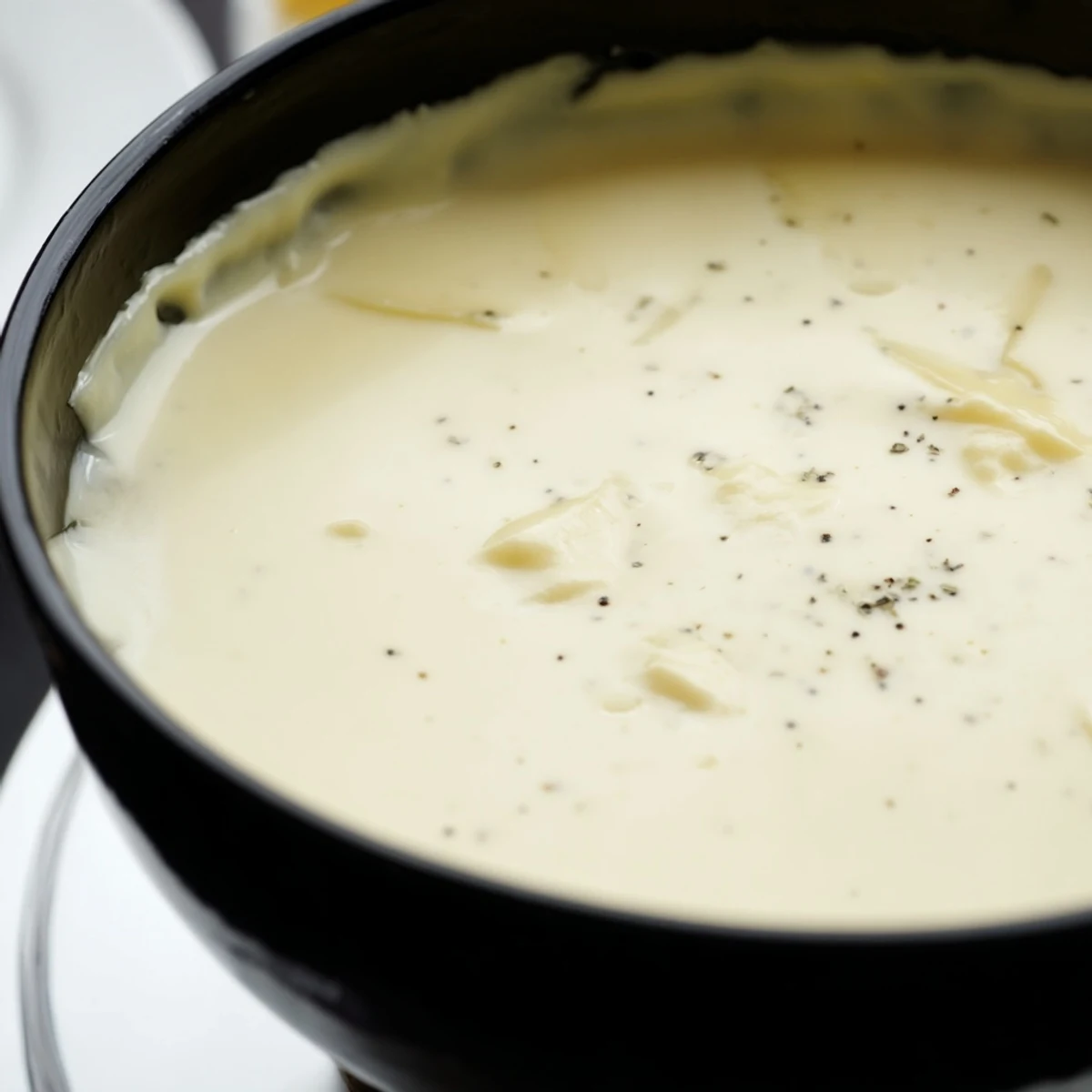
- Pour your slurry into the cheese mixture and stir continuously until it becomes thick and creamy. The cornstarch will cook almost immediately, and the fondue will go from loose to luxuriously coat-the-spoon thick. You'll know it's ready when a spoonful of cheese clings to itself.
- Season to Taste:
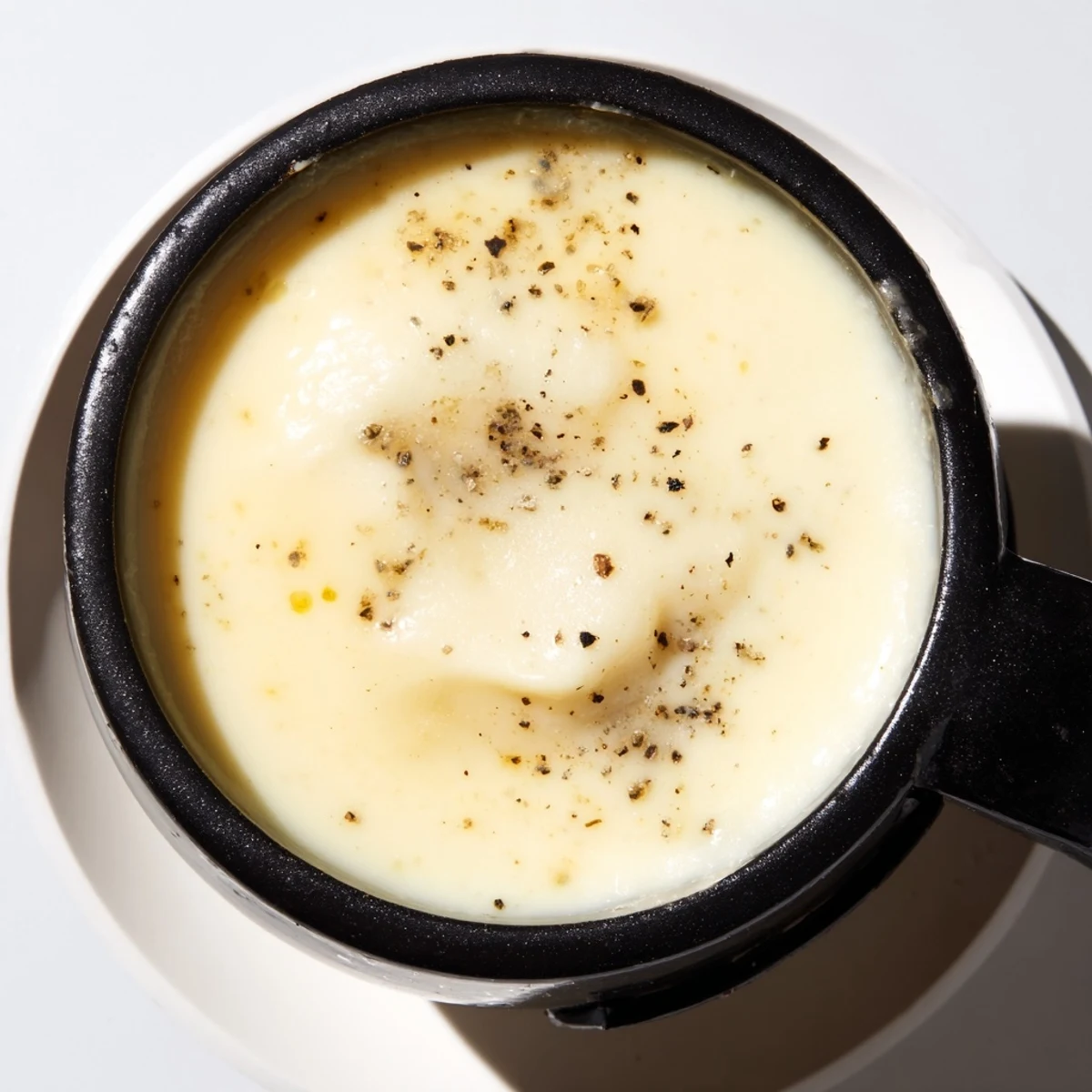
- Crack fresh black pepper right over the surface and grate nutmeg until you can smell it. Taste as you go. The seasoning should be noticeable but not overwhelming—you're complementing the cheese, not competing with it.
- Transfer and Serve:
- Carefully move your pot to a fondue burner on the table, or keep it on low heat if serving from the stove. Arrange your bread cubes and vegetables on a large platter nearby. Make sure everyone has a fondue fork or small skewer, and let the sharing begin.
 Save Pin
 I learned to appreciate fondue not just as a dish, but as a ritual. There's something about the deliberate pace of dipping bread into warm cheese, the conversation that naturally flows, and the way everyone becomes part of creating the meal together. It transformed how I think about cooking for others.
Choosing Your Cheeses
The beauty of this Swiss approach is that it's built on the perfect marriage of two cheeses that genuinely need each other. Gruyère is the showstopper with its deeper notes, but Emmental is the unsung hero that makes the whole thing work. If you can't find these exact cheeses, Appenzeller brings a sharper edge, while Comté adds sweetness. Raclette is melty and forgiving. But honestly, once you've made it with Gruyère and Emmental, you'll understand why the Swiss have been doing it this way for centuries.
The Wine Matters More Than You Think
When I first made fondue, I grabbed whatever white wine was on sale, and it showed. The second time, I used a decent Sauvignon Blanc, and the difference was striking. The wine doesn't just prevent separation—it adds a subtle acidity that keeps the cheese from feeling one-note. A crisp Riesling works beautifully too, bringing a hint of sweetness. The wine is doing half the work, so choose one you'd actually drink by itself.
Serving and Storing
Fondue is at its best served immediately and eaten communally, but there are ways to extend the magic. Keep the burner at a low temperature so it stays warm and creamy throughout the meal. If it sits too long, the bottom might brown slightly—that's flavor, not a mistake. For leftovers, let it cool completely and refrigerate it; you can reheat it gently in a pot with a splash of wine, though it's never quite the same as fresh.
- If your fondue thickens too much as it sits, stir in a small splash of warm wine to loosen it back up.
- Use good bread that won't fall apart—a crusty baguette or artisanal country loaf holds up best.
- Blanch hardy vegetables like broccoli and cauliflower for a minute or two so they're tender enough to dip without breaking.
 Save Pin
 There's something deeply satisfying about making fondue, whether you're preparing it for a special occasion or simply because Tuesday needs a little warmth. It's the kind of dish that reminds you that cooking isn't just about feeding people—it's about creating moments where everyone leans in a little closer.
Recipe Questions & Answers
- → What cheeses are best for a smooth fondue?
-
Gruyère and Emmental cheeses provide a creamy texture and rich flavor essential for a smooth fondue base.
- → How does cornstarch affect the fondue?
-
Cornstarch helps to thicken the mixture and keeps the cheese from separating, ensuring a smooth and creamy consistency.
- → Can I substitute the wine used in the fondue?
-
Dry white wines like Sauvignon Blanc or Riesling are recommended; they add acidity and depth but can be adjusted to personal taste.
- → What are good dipping options besides bread?
-
Assorted blanched vegetables such as broccoli, cauliflower, carrots, and cherry tomatoes complement the creamy cheese fondue nicely.
- → How do I prevent the fondue from becoming too thick?
-
If the fondue thickens too much, stirring in a splash of warm white wine can help restore its creamy texture.