
 Save Pin
 This creamy sauce base offers a rich, velvety texture, crafted by slowly whisking butter, flour, and milk into a smooth blend. Adding optional cream and subtle spices like nutmeg enhances depth and flavor. Perfect for elevating pastas, casseroles, and gratin dishes. Simple to prepare in just 15 minutes, it's a versatile component ideal for both everyday meals and special occasions. Customizable with cheese, herbs, or dairy substitutes to fit dietary needs.
I'll never forget the first time I made a proper creamy sauce from scratch. It was a rainy Sunday afternoon, and I was determined to elevate a simple pasta dinner into something that felt restaurant-worthy. My grandmother had always made her sauces taste effortlessly silky, and I wanted to understand her secret. Turns out, it wasn't magic—it was just butter, flour, milk, and patience. That first batch taught me that a good béchamel is the foundation for so many dishes, and once you master it, you unlock an entirely new world of cooking possibilities.
I remember making this sauce for my best friend's dinner party, when she was stressed about hosting for the first time. I walked her through each step over the phone, and when she tasted that first spoonful draped over fresh pasta, her whole face lit up. She realized right then that cooking elegant food wasn't about complexity—it was about understanding a few fundamental techniques and trusting the process. That moment changed how she thought about cooking.
Ingredients
- Unsalted butter (2 tablespoons): This is your base and the reason your sauce will taste rich and delicious. Unsalted lets you control the seasoning, a lesson I learned after oversalting too many sauces when I was starting out
- All-purpose flour (2 tablespoons): This thickens your sauce and is whisked with butter to create what the French call a roux. The key is whisking constantly so it stays pale and smooth, never brown
- Whole milk (2 cups): This is your canvas. I prefer whole milk for its natural richness, but you can use whatever you have. The fat content will determine how luxurious your final sauce tastes
- Heavy cream (1/2 cup, optional): Add this only if you want an extra-velvety sauce, like when you're making something special or when the people you're feeding deserve to be spoiled
- Fine sea salt (1/2 teaspoon): This brings out all the flavors. Add it slowly and taste as you go—it makes all the difference
- Freshly ground black pepper (1/4 teaspoon): Fresh ground black pepper has a brightness that pre-ground can't match. It's worth keeping a pepper grinder in your kitchen
- Ground nutmeg (pinch, optional): This ingredient is the secret handshake between you and anyone who truly knows béchamel. It adds a warmth you can't quite name but will absolutely notice if it's missing
Instructions
- Melt the butter gently:
- Place your saucepan over medium heat and let the butter melt slowly. You'll hear it sizzle softly—that's when you know it's ready for the next step. Don't let it brown or foam excessively; you want pale, fragrant butter
- Create a smooth roux:
- Add your flour and whisk immediately, stirring constantly for about 1-2 minutes. This is the moment where your patience pays off. The mixture will go from grainy to smooth and silky. Keep whisking, keep moving your whisk around the entire pan, and don't look away. This is where lumps get prevented
- Introduce the milk gradually:
- This is the most crucial moment. Pour your milk slowly—maybe a splash at first—while whisking vigorously. You're creating an emulsion, and going too fast will give you lumps that are impossible to fix. Imagine you're teaching the milk and flour to get along, one splash at a time
- Bring it to a simmer and thicken:
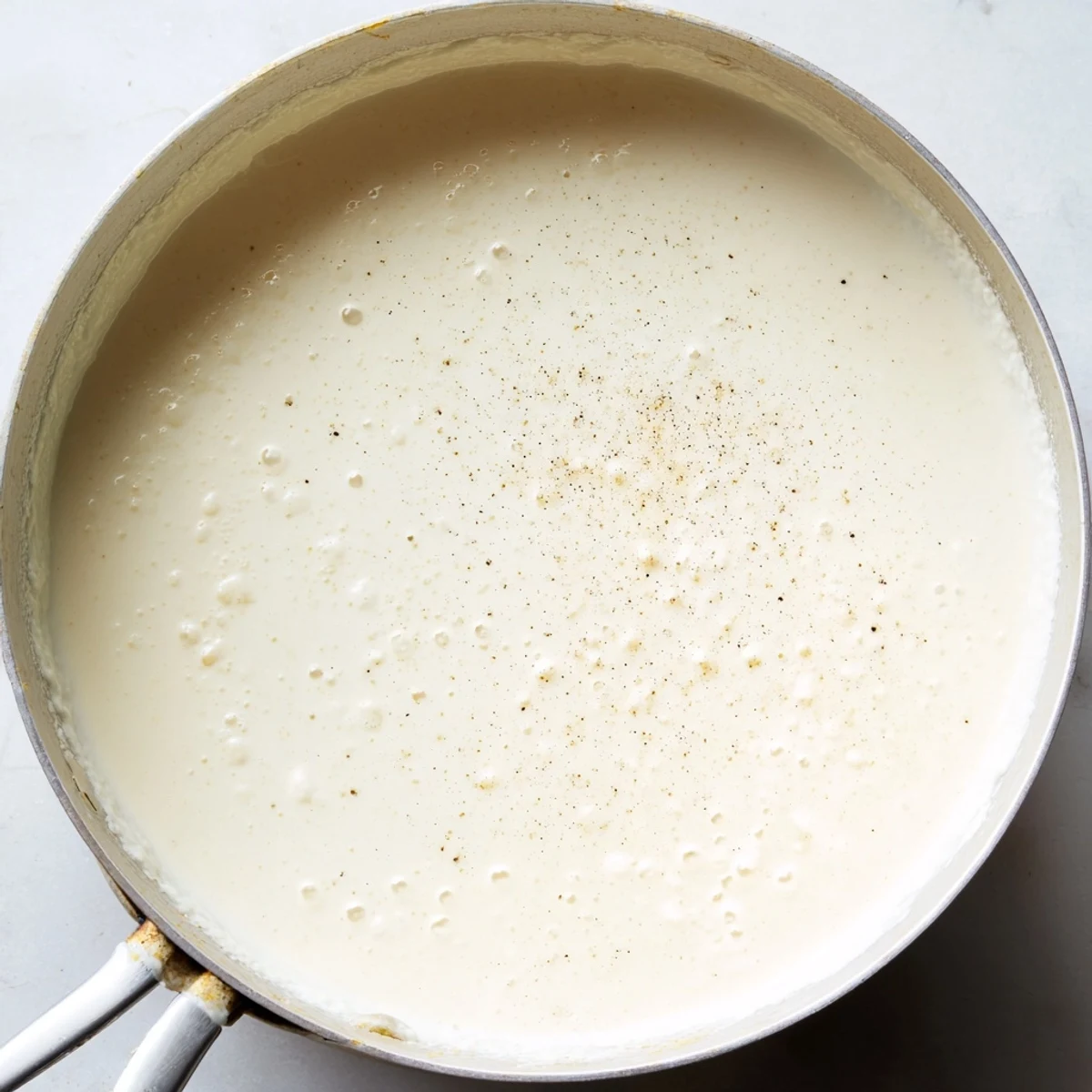
- Once you've incorporated most of the milk, increase the heat slightly and bring the sauce to a gentle simmer. You'll see it start to bubble softly around the edges. Now reduce to low heat and keep stirring often. This is the waiting game—it usually takes 5-7 minutes before the sauce coats the back of a spoon and flows slowly when you run your finger through it
- Season to perfection:
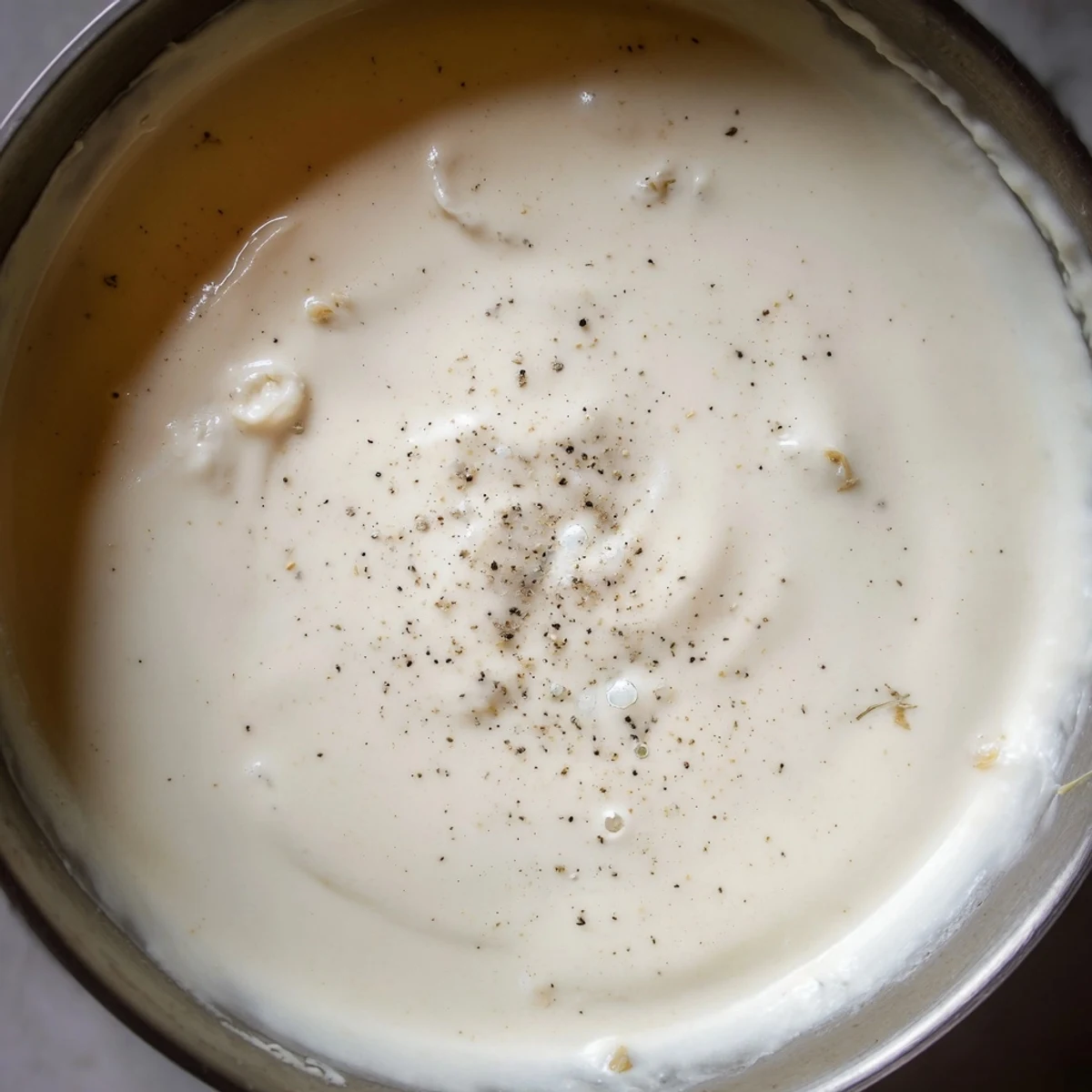
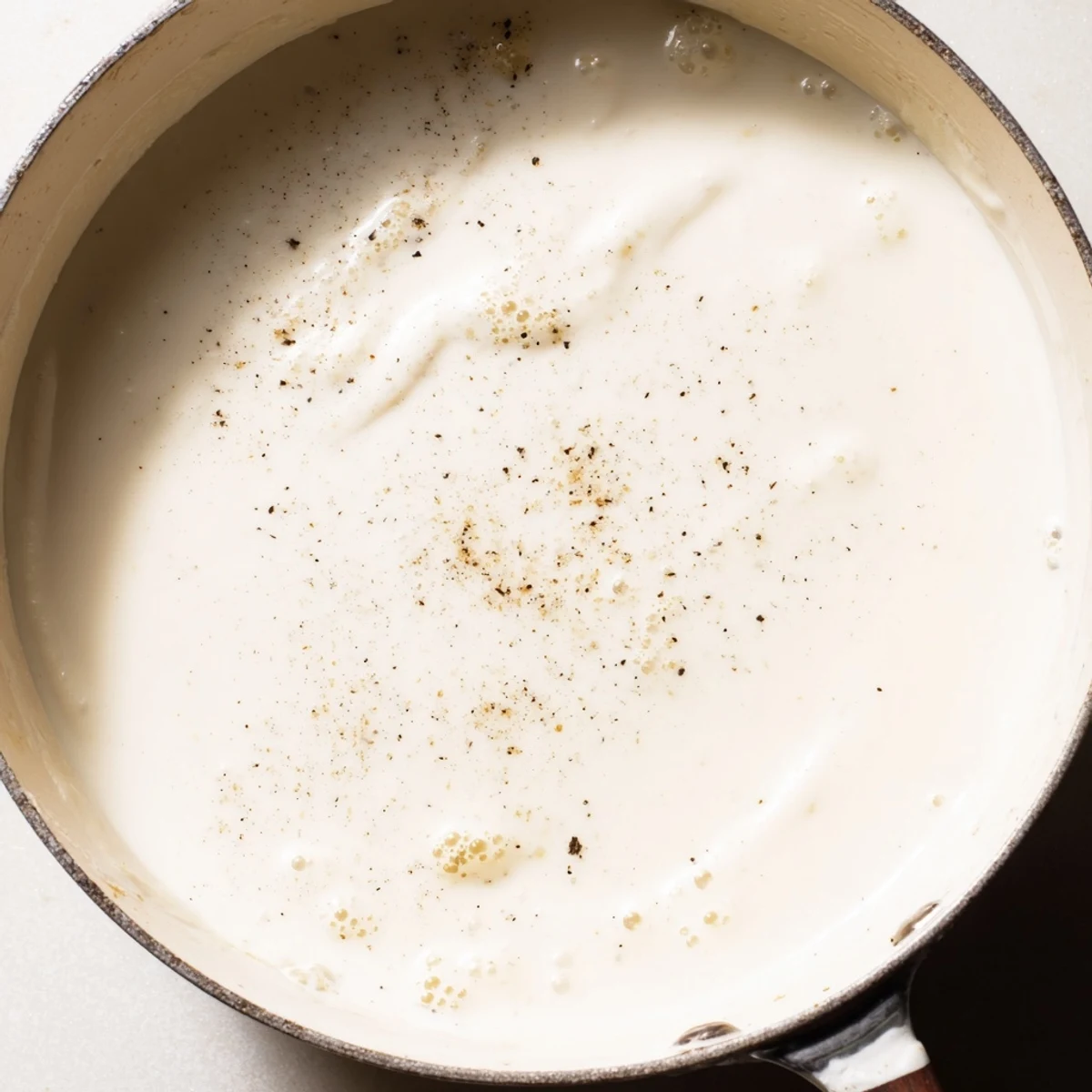
- Add the heavy cream if you're using it, then sprinkle in the salt, pepper, and nutmeg. Stir and taste. This is your moment to adjust. Too thick? A splash of milk. Too thin? Keep simmering a bit longer. Not flavorful enough? A tiny bit more salt, a whisper more nutmeg
- Use or store with care:
- The sauce is best used immediately, when it's at its silkiest. If you need to save it, press plastic wrap directly onto the surface of the sauce to prevent that sad skin from forming. When you reheat, do it gently over low heat, stirring in a touch more milk if it's thickened too much
 Save Pin
 There was this Tuesday night when my daughter helped me make this sauce for her first time. She was nervous about the whisking, worried she'd do it wrong. But as she felt the mixture transform under her whisk—from grainy to smooth to silky—something shifted in her confidence. She tasted it, added her own pinch of nutmeg, and suddenly she understood that cooking is really just following your senses and your instincts. We served that sauce with simple pasta and butter-roasted vegetables, and it tasted like love because we made it together.
The Magic of Technique
This sauce teaches you something fundamental about cooking: that technique matters more than fancy ingredients. The butter-flour-milk ratio has been tested and refined over centuries because it works. When you understand why you're whisking, why you're adding milk slowly, why you're seasoning at the end—you stop following recipes and start understanding cooking. That's when everything gets easier and better.
Make It Your Own
Once you've made this sauce a few times and feel confident with the basic technique, you can start playing. This is the beautiful part of learning a foundation—it becomes a springboard for creativity. I've made versions that would make my younger self amazed, and it all started with learning this one recipe well.
Endless Possibilities
This simple sauce transforms into so many different dishes. Stir in sharp cheddar and nutmeg, and you have a Welsh rarebit sauce. Add Dijon mustard and fresh tarragon, and it becomes a Béarnaise base. Make it thinner and layer it with eggplant and tomato sauce, and you've built the soul of a proper lasagna. The variations are limited only by what's in your pantry and what you're willing to taste-test.
- For a cheese sauce that's utterly irresistible, use a combination of gruyère and sharp cheddar, and add them only after the heat is off so the cheese melts gently without breaking
- Roast garlic cloves beforehand and whisk them in for a sauce that whispers of elegance over vegetables or pasta
- Fresh herbs like thyme, bay leaves, or parsley can simmer in the milk before you make your roux, infusing the entire sauce with their flavor
 Save Pin
 There's something deeply satisfying about mastering a sauce that feels simple but tastes luxurious. It's one of those skills that stays with you forever, showing up in your cooking for decades. This is the sauce I'll still be making when I'm old, and I hope someday I'll teach it to you over a warm stovetop.
Recipe Questions & Answers
- → How do I prevent lumps in the sauce?
-
Whisk continuously while gradually adding milk to the roux, ensuring a smooth mixture without clumps.
- → Can I use plant-based milk in this sauce?
-
Yes, plant-based milk and vegan butter work well as dairy-free alternatives without compromising texture.
- → What spices enhance the flavor of this sauce?
-
A pinch of nutmeg, sea salt, and freshly ground black pepper perfectly complement the creamy base.
- → How long should I cook the sauce to thicken it properly?
-
Simmer gently for about 5 to 7 minutes while stirring frequently until the sauce reaches desired thickness.
- → Is this sauce suitable for adding cheese?
-
Absolutely, stirring in grated cheese after thickening creates a delicious, cheesy variation.