
 Save Pin
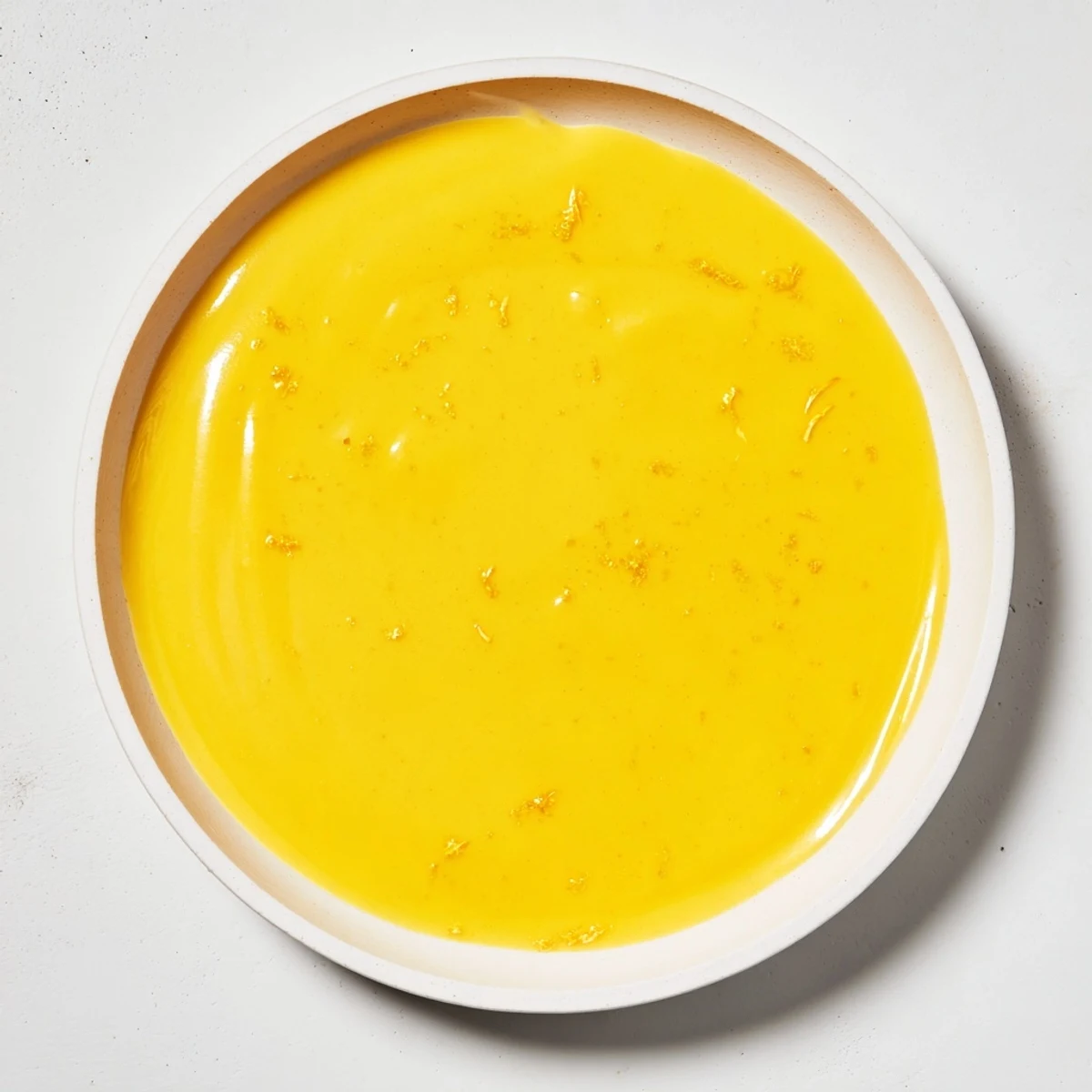
 This bright lemon curd offers a vivid burst of fresh citrus flavor, crafted from freshly zested and juiced lemons blended with butter, eggs, sugar, and a pinch of salt. Made gently over a double boiler, it achieves a smooth, creamy texture perfect for spreading or filling. Ideal for toast, scones, cakes, or tarts, the curd stays fresh refrigerated and thickens further when cooled. For an extra zing, Meyer lemons can be used to deepen the flavor profile.
I was spreading store-bought jam on toast one morning when I realized I'd never actually made lemon curd from scratch. It seemed like one of those mysterious preserves that required special skills, but curiosity got the better of me. That afternoon, I zested three lemons over my cutting board, and the scent alone made me wonder why I'd waited so long. Twenty-five minutes later, I had a jar of sunshine sitting on my counter.
I made this for a friend who was recovering from a cold, thinking the bright citrus might lift her spirits. She texted me later that evening asking for the recipe, saying she'd eaten half the jar with a spoon straight from the fridge. I laughed because I'd done the same thing the night before, standing in my pajamas at midnight.
Ingredients
- Lemons: Use fresh ones with thin, smooth skin because they have more juice and the zest is less bitter—I learned this after buying those thick-skinned ones that gave me more pith than flavor.
- Unsalted Butter: Cubing it first means it melts evenly into the warm eggs without clumping, and unsalted lets you control the exact balance of sweet and tart.
- Eggs: They're what thickens the whole thing into that creamy, spreadable consistency, so don't skip the whisking or you'll end up with scrambled lemon eggs (trust me).
- Granulated Sugar: It dissolves completely and keeps the curd glossy, though I've used a tablespoon less when the lemons were especially tart and it still turned out beautifully.
- Fine Sea Salt: Just a pinch wakes up the lemon flavor and keeps the sweetness from overwhelming your palate.
Instructions
- Prep the Lemons:
- Wash them well under warm water, then zest carefully so you only get the bright yellow part, not the bitter white underneath. Juice them into a small bowl and you should end up with about half a cup of liquid gold.
- Mix the Base:
- Whisk the eggs, sugar, lemon zest, and juice together in a heatproof bowl until everything looks unified and slightly frothy. It should smell incredible already.
- Set Up Your Double Boiler:
- Place the bowl over a saucepan with an inch or two of simmering water, making sure the bowl doesn't actually touch the water or the heat will be too direct. This gentle warmth is what keeps the eggs smooth instead of scrambled.
- Add Butter and Whisk:
- Drop in the cubed butter and the pinch of salt, then whisk continuously for 10 to 15 minutes. Your arm might get tired, but the moment it coats the back of a spoon and holds a line when you run your finger through it, you'll know it's done.
- Strain for Smoothness:
- Pour the hot curd through a fine-mesh sieve into a clean bowl to catch any bits of zest or cooked egg. This step makes the texture impossibly silky.
- Cool and Store:
- Let it sit for a few minutes, then spoon it into sterilized jars. Once it's cool, refrigerate it—it'll thicken even more as it chills and keep for up to two weeks.
 Save Pin
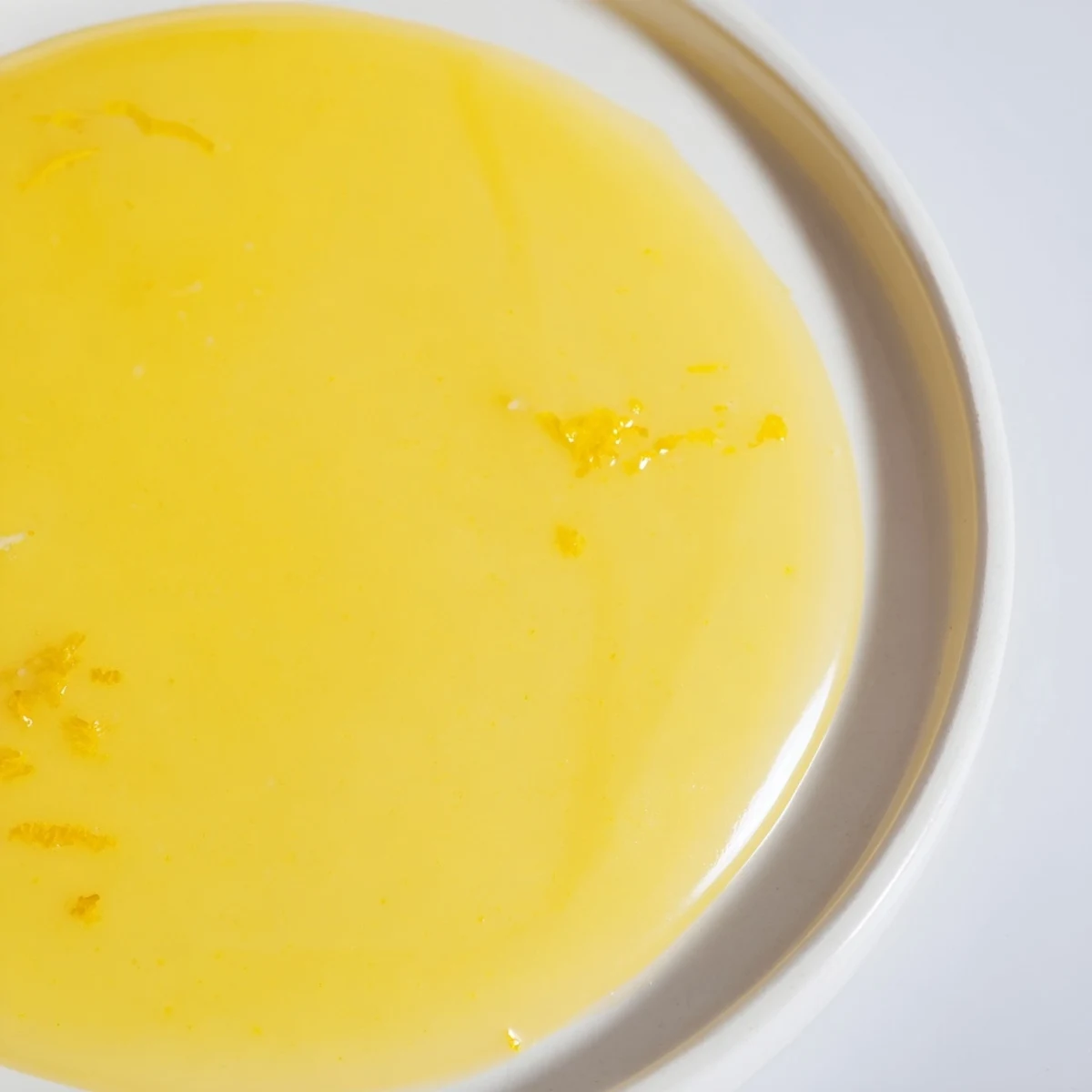
 The first time I spread this on warm scones at a weekend brunch, my partner looked up mid-bite and said it tasted like summer in England even though we'd never been. That's when I realized food doesn't just fill you up—it creates little moments you remember long after the plate is empty.
Flavor Variations
If you can find Meyer lemons, swap them in for a sweeter, more floral version that's less sharp on the tongue. I've also stirred in a tablespoon of finely chopped fresh lavender during the whisking stage for something unexpected, and once I added a splash of limoncello right before straining, which made it taste dangerously grown-up.
Serving Suggestions
I love it on buttered toast in the morning, but it's also perfect layered between cake rounds, dolloped onto pavlova, or swirled into Greek yogurt with a handful of berries. My favorite lazy dessert is spreading it on graham crackers and calling it a deconstructed lemon tart.
Storage and Make-Ahead Tips
This keeps in the fridge for two weeks in a sealed jar, though it's never lasted that long in my house. You can also freeze it in small portions—just thaw it overnight in the fridge and give it a good stir before using.
- Always use sterilized jars to prevent any off flavors or spoilage.
- Press plastic wrap directly onto the surface before sealing to keep a skin from forming on top.
- Label your jars with the date because once you start making this regularly you'll lose track of which batch is which.
 Save Pin
 Once you've made this, you'll start finding excuses to make it again—birthdays, quiet Sunday mornings, or just because the lemons at the market looked too good to pass up. There's something deeply satisfying about turning a few simple ingredients into something this bright and beautiful.
Recipe Questions & Answers
- → What lemons work best for this curd?
-
Meyer lemons add a richer, sweeter flavor, but regular large lemons deliver a bright tang perfect for this spread.
- → How is the curd thickened without boiling?
-
Cooking over a double boiler with continuous whisking gently thickens the mixture without curdling the eggs.
- → Can this spread be stored long term?
-
When refrigerated in sealed jars, it keeps well for up to two weeks, maintaining its fresh flavor and texture.
- → What tools are needed to make this curd?
-
A zester, citrus juicer, mixing bowl, whisk, double boiler or saucepan, fine-mesh sieve, and sterilized jars for storage.
- → Is this variation suitable for special diets?
-
It’s vegetarian and gluten-free but contains eggs and dairy, so it’s not suitable for vegan or dairy-free diets.