
 Save Pin
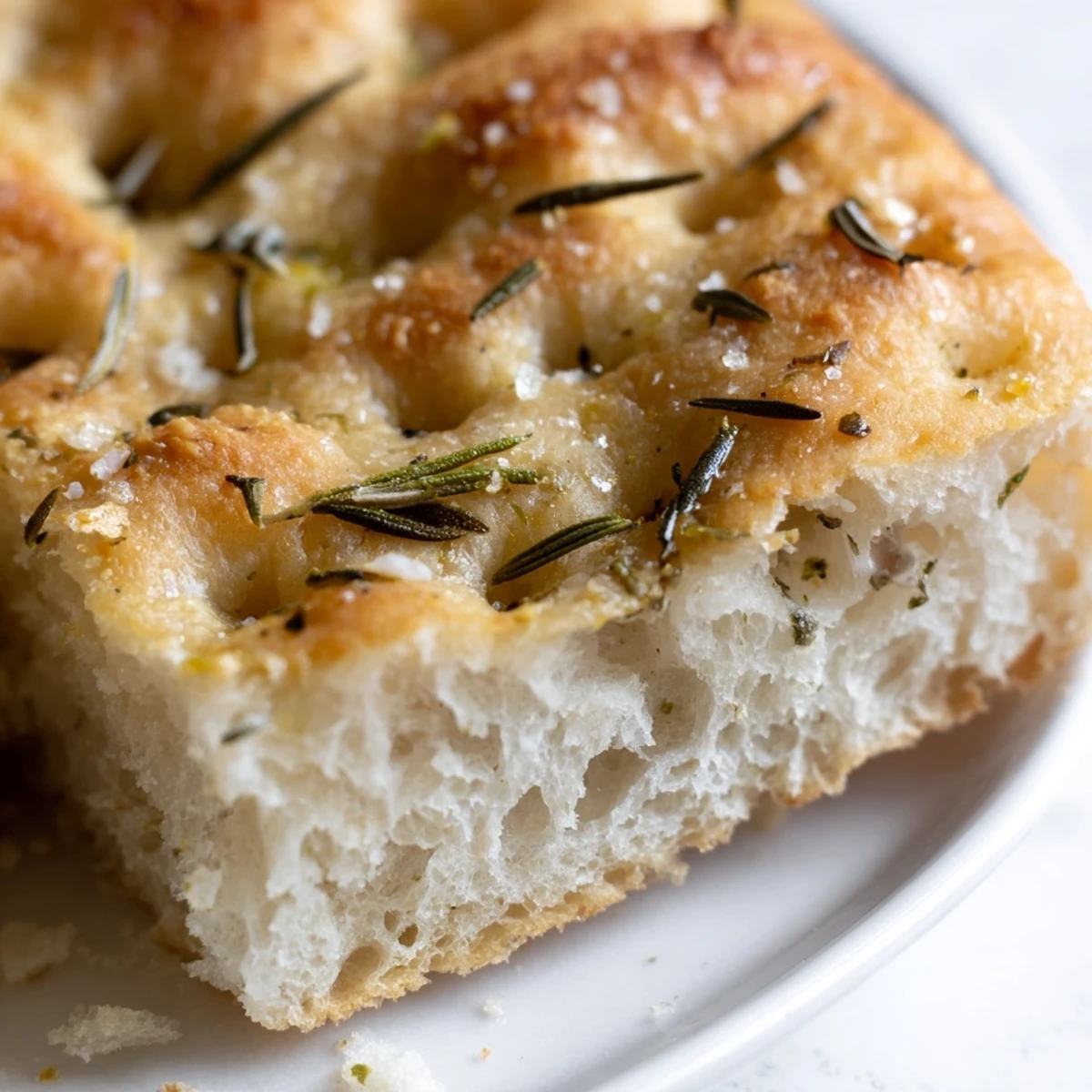
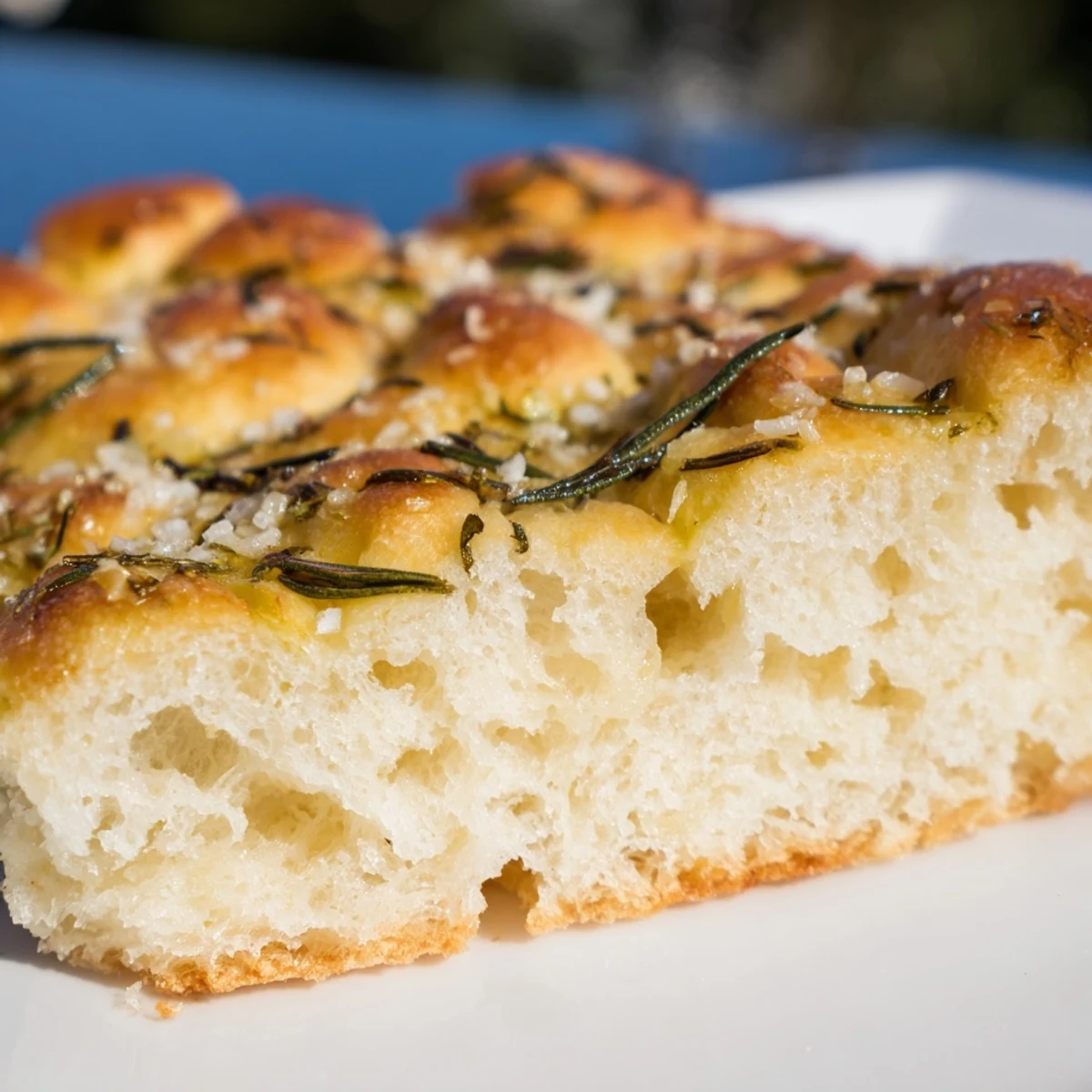
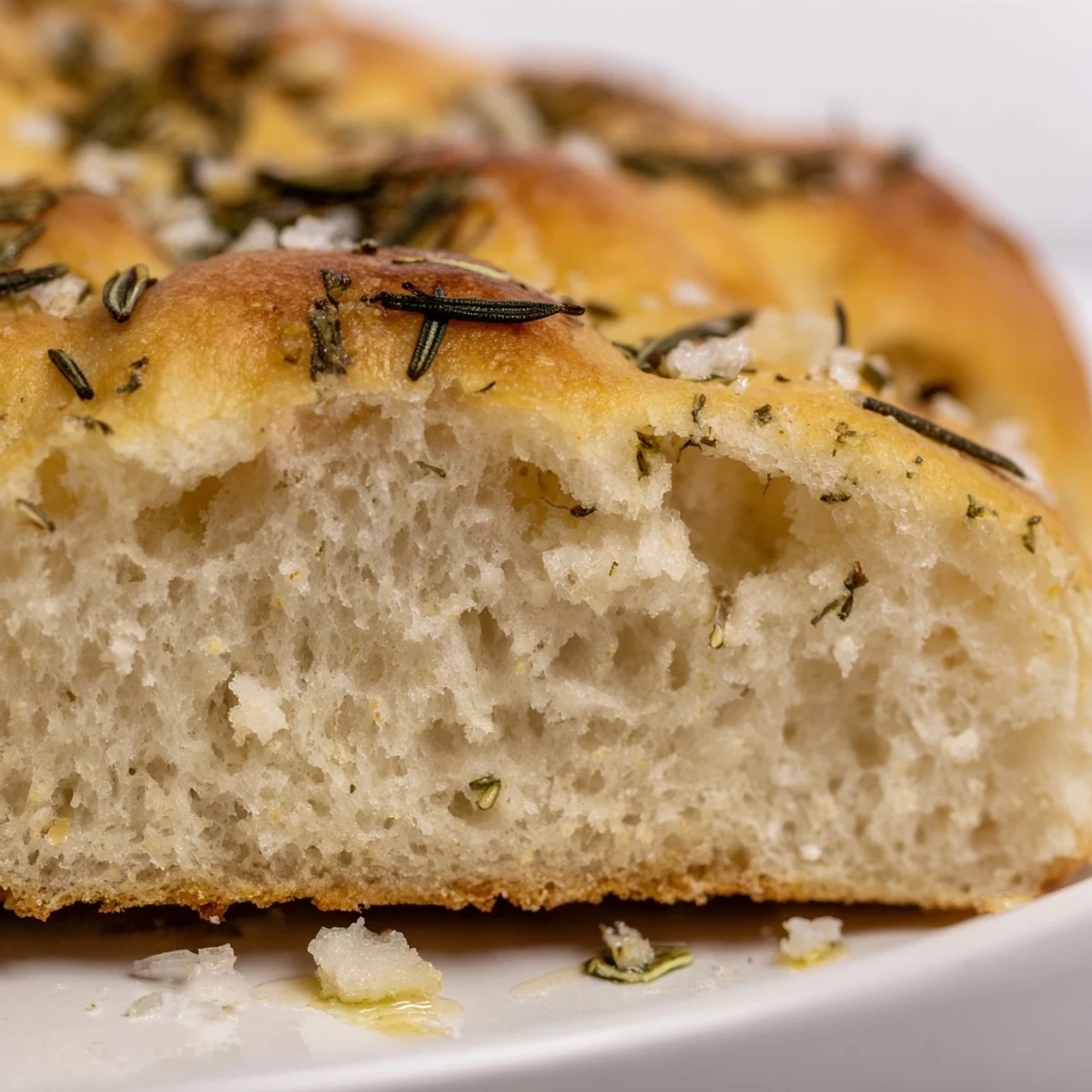
 This focaccia bread features a soft, airy crumb combined with fragrant garlic and fresh rosemary infused in olive oil. After a slow rise, the dough is dimpled to hold herb-infused oil, creating a crisp, golden crust. The subtle salt flakes enhance each bite, perfect alongside meals or for sandwiches. Baking takes just under half an hour following a simple kneading and rising process, yielding a large loaf with a delicate Mediterranean aroma.
The first time I made focaccia was completely by accident—I'd overproofed a basic dough and instead of tossing it, I pressed it into a pan and topped it with whatever herbs I had scattered on the counter. That happy mistake taught me that sometimes the best dishes come from improvisation, and focaccia is proof that simplicity and good olive oil can transform bread into something magical.
I made this for a small dinner party on a chilly autumn evening, and I remember my friend standing in the kitchen doorway just breathing in the smell of rosemary and garlic hitting the oven heat. She said, "You didn't buy this," and that moment—knowing she genuinely thought it came from a bakery—made me understand the real power of homemade bread.
Ingredients
- Bread flour (500 g): Use the real thing here; all-purpose flour won't give you that chewy structure focaccia needs.
- Instant dry yeast (7 g): Don't skip the instant version—it's more reliable than active dry and you'll thank yourself during the rise.
- Fine sea salt (10 g): This goes into the dough, not just the top; it strengthens the gluten and deepens flavor.
- Warm water (350 ml): Too hot kills the yeast, too cold and nothing happens; aim for the temperature of a comfortable bath.
- Extra virgin olive oil (60 ml for dough, 3 tbsp for topping): This is where focaccia gets its soul—use something you'd actually want to taste by itself.
- Fresh rosemary (2 tbsp chopped): Fresh is non-negotiable; dried will taste like you're baking with straw.
- Garlic (3 cloves, minced): Mince it fine so it distributes through the oil and toasts evenly, not charring into bitter bits.
- Flaky sea salt (1 tsp): The finishing touch—coarse grains that don't dissolve, giving you those little bursts of salt in every bite.
Instructions
- Mix Your Base:
- Combine your flour, yeast, and fine sea salt in a large bowl and whisk them together. This distributes the yeast evenly so your dough rises consistently.
- Bring It Together:
- Pour in the warm water and olive oil, then stir until everything comes together into a shaggy, sticky mass. Don't worry if it looks rough—it will become something beautiful.
- Knead Until Smooth:
- Work the dough on a lightly floured surface for 8–10 minutes, or use a stand mixer with a dough hook for 6–8 minutes, until it's smooth and springs back when you poke it.
- First Rise:
- Place the dough in an oiled bowl, cover it with plastic wrap or a damp towel, and let it sit in a warm spot for about 1 hour until it's roughly doubled in size. You'll know it's ready when you gently poke it and the indent doesn't bounce right back.
- Stretch Into the Pan:
- Oil a 23x33 cm baking pan lightly, then turn your dough into it and gently stretch it to fit, working from the center outward. Don't force it; if it resists, let it rest for a few minutes and try again.
- Second Rise:
- Cover the pan and let the dough proof again for 30–40 minutes until it's puffy and feels airy when you touch it gently. This is your sign it's ready for the oven.
- Heat Your Oven:
- While the dough rises, preheat to 220°C (425°F) so it's screaming hot when your focaccia goes in.
- Make the Garlic Oil:
- In a small bowl, mix together the extra virgin olive oil, finely minced garlic, and fresh chopped rosemary. Let it sit for a moment so the flavors meld slightly.
- Dimple and Dress:
- Using your fingertips, press dimples all over the dough surface, creating little wells that catch the oil and herbs. Drizzle the garlic-herb mixture evenly across the top, making sure the oil settles into those dimples, then scatter the flaky sea salt over everything.
- Bake Until Golden:
- Bake for 22–25 minutes until the top is deep golden brown and the edges are crisp. The bread should sound hollow when you tap the bottom.
- Cool and Slice:
- Let it cool for just a few minutes—it's best eaten warm when the olive oil is still silky—then slice and serve.
 Save Pin
 I learned the real value of this bread when my neighbor came over with a cold and I sent her home with a warm slice wrapped in foil. She texted me later saying she'd eaten it with butter while sitting on her couch, and it was the first thing that actually tasted good to her in days. That's when I realized focaccia isn't just bread—it's comfort in its simplest form.
The Secret to Perfect Texture
Focaccia is forgiving in some ways and exacting in others. The key is respecting the rises—they're not just about volume, they're about building flavor and structure. I used to rush mine, thinking an hour and twenty minutes was long enough for the whole thing. Then I started giving it the full two hours with proper resting between rises, and suddenly I had bread that was tender inside but held its shape, with a crust that crackled slightly when you bit into it. The difference between good and spectacular focaccia is patience and understanding that gluten development happens over time, not in a hurry.
Why Fresh Rosemary Changes Everything
There's a world of difference between fresh rosemary and the dried version, and I discovered this the hard way. I made this bread once with dried herbs because I was out of fresh, thinking the flavor would be similar. Instead, the dried rosemary turned bitter and woody, overwhelming the delicate garlic notes and making the whole thing taste harsh. Now I keep fresh rosemary on hand, and if I don't have it, I use fresh thyme or oregano instead—anything but the dried stuff. The oils in fresh herbs bloom when they hit the warm bread, releasing their fragrance and flavor in a way dried herbs simply cannot replicate.
Variations and What Works
Once you've made this focaccia a few times, you'll start seeing endless possibilities for toppings and flavor combinations. I've made versions with caramelized onions and thyme, others with just sea salt and coarse black pepper, and one unforgettable batch where I added crumbled feta and sun-dried tomatoes. The dough is your canvas—the important thing is maintaining the balance of oil, herbs, and salt so nothing overpowers the bread itself.
- Caramelized onions take 30 minutes to make but turn focaccia into something almost luxurious.
- A scatter of flaky salt right out of the oven is always worth doing, even if you think you've finished.
- Leftover focaccia makes the best sandwich bread, or cube it and toast it for salad croutons.
 Save Pin
 Focaccia is one of those breads that reminds you why people fell in love with baking in the first place. Make it once, and you'll be making it forever.
Recipe Questions & Answers
- → How does the olive oil affect the focaccia texture?
-
Olive oil enriches the dough, creating a tender crumb and crisp golden crust while adding subtle fruitiness.
- → Can I use fresh herbs other than rosemary?
-
Yes, thyme or oregano make excellent alternatives, complementing the garlic and enhancing aroma.
- → What is the purpose of dimpling the dough?
-
Dimpling traps the garlic-herb oil in indentations, ensuring even flavor distribution and moisture retention.
- → How long should the dough rise before baking?
-
Two rising periods: one hour until doubled, then 30–40 minutes after shaping to develop fluffiness.
- → What temperature is best for baking focaccia?
-
Baking at 220°C (425°F) helps achieve a crisp exterior and soft interior within 22–25 minutes.