
 Save Pin
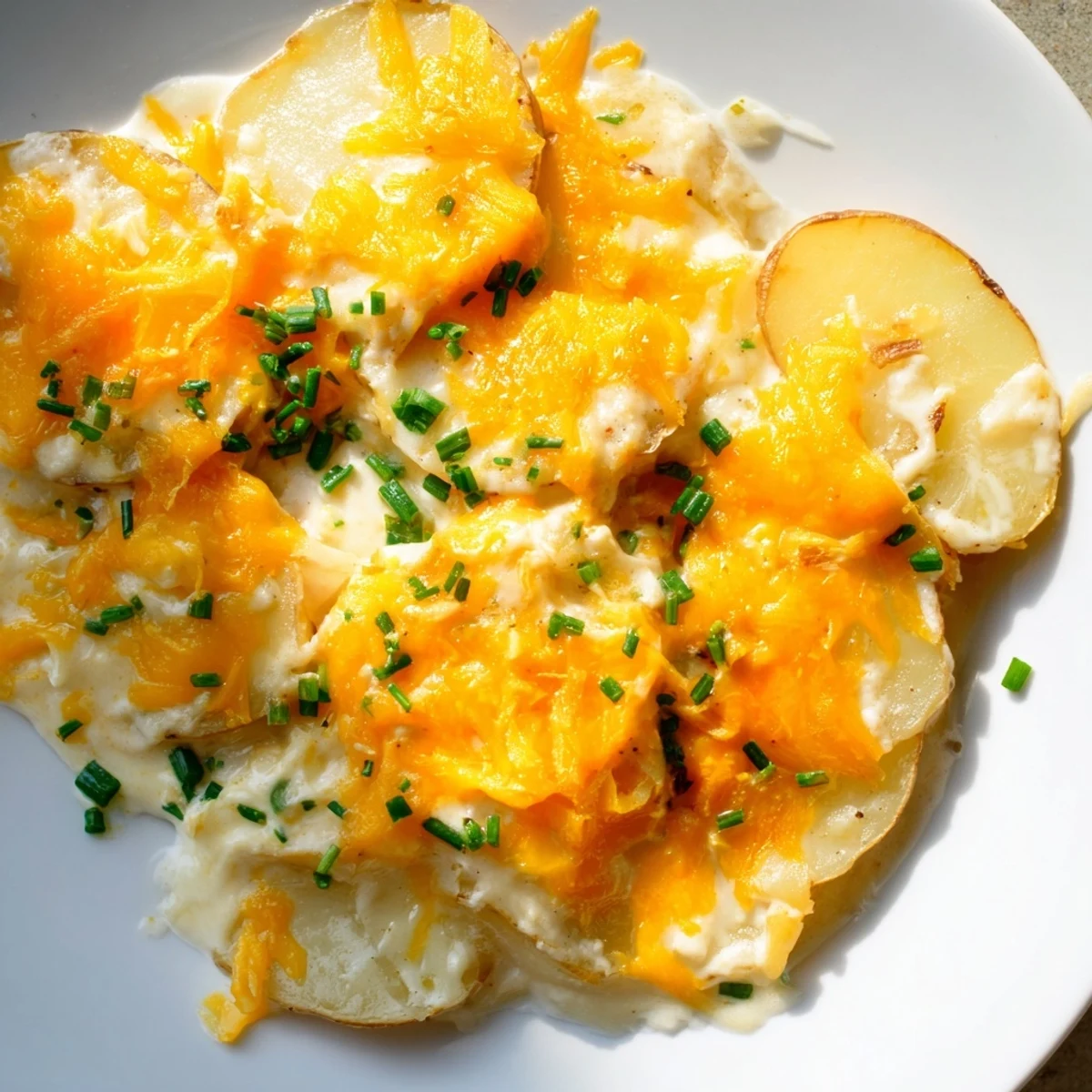
 Experience tender, thinly sliced russet potatoes baked in a luscious blend of heavy cream, milk, sharp cheddar, and Gruyère cheeses. This dish is lovingly layered and slow-baked until bubbling golden perfection, delivering a rich, creamy texture with a hint of garlic and nutmeg for subtle warmth. Garnished with fresh chives or parsley, it’s an indulgent and comforting addition to any gathering or meal.
I sliced too many potatoes once, thinking I'd never have enough, and ended up with a dish so tall it bubbled over in the oven. The smell of burnt cream and cheese filled the kitchen, but underneath that mess was the creamiest, most indulgent thing I'd ever tasted. I learned two things that night: less is more when layering, and a baking sheet under the dish saves a lot of scrubbing.
My sister requested this for her birthday dinner three years in a row, not cake, just these potatoes. We'd stand around the dish with forks, sneaking bites from the edges before it even made it to the table. It became our tradition, the kind of food that turns a regular Tuesday into something worth remembering.
Ingredients
- Russet potatoes: Their starchy texture soaks up the cream like a sponge, slice them thin and evenly so they cook at the same rate.
- Heavy cream and whole milk: This combination gives you richness without feeling too heavy, and the milk keeps it from turning greasy.
- Sharp cheddar and Gruyere: Cheddar brings that familiar sharpness while Gruyere adds a nutty sweetness that makes people ask what your secret is.
- Garlic and nutmeg: Just enough garlic to wake everything up, and a whisper of nutmeg that makes the cream taste almost mysterious.
- Butter: For greasing the dish and starting the sauce, it adds a silky base that smells like comfort the moment it hits the pan.
Instructions
- Prep the dish and oven:
- Preheat to 180°C (350°F) and butter your baking dish generously, getting into the corners. This step prevents sticking and gives the edges a golden, crispy texture.
- Make the creamy base:
- Melt butter in a saucepan, soften the onion if using, then add garlic until it smells sweet and toasty. Pour in the cream, milk, salt, pepper, and nutmeg, heating gently until it steams but never boils.
- Layer the potatoes:
- Arrange half the sliced potatoes in overlapping rows, pour over half the cream mixture, and scatter half the cheeses on top. Repeat with the remaining potatoes, cream, and cheese, pressing down lightly so everything settles together.
- Bake covered, then uncovered:
- Cover tightly with foil and bake for 45 minutes until the potatoes are tender. Remove the foil and bake another 15 to 20 minutes until the top is golden and bubbling at the edges.
- Rest before serving:
- Let it stand for 10 minutes so the sauce thickens and the layers hold together when you scoop. Sprinkle with chives or parsley for a fresh, bright finish.
 Save Pin
 One winter evening, I brought this to a potluck and watched a room full of strangers go quiet as they took their first bites. Someone asked if I'd gone to culinary school, and I laughed because all I'd done was follow my instincts and taste as I went. That night, I realized good food doesn't need to be complicated, it just needs to be made with care.
Choosing Your Potatoes
Russets are my go to because they have enough starch to absorb the cream without falling apart, but Yukon Golds work beautifully too if you want a creamier, slightly sweeter flavor. I once used a mix of both and liked the way the textures played off each other, some slices firm, others melting soft. Avoid waxy potatoes like red or new potatoes, they hold their shape too well and won't drink in the sauce the way you want.
Making It Your Own
I've added a pinch of cayenne when I wanted a quiet heat that snuck up on you, and smoked paprika when I craved something deeper and a little mysterious. Sometimes I tuck in thin slices of ham between the layers, or swap Gruyere for Swiss when that's what I have on hand. The recipe is forgiving, treat it like a canvas and trust your cravings.
Storage and Reheating
Leftovers keep in the fridge for up to three days, covered tightly so they don't dry out. I reheat individual portions in the oven at 160°C (325°F) until warmed through, adding a splash of milk if the sauce looks tight. The microwave works in a pinch, but the oven brings back that crispy top and keeps everything from turning rubbery.
- Let the dish cool completely before covering and refrigerating to avoid condensation that makes it soggy.
- Freeze portions in airtight containers for up to two months, thaw overnight in the fridge before reheating.
- If the sauce separates after reheating, stir gently and it will come back together as it warms.
 Save Pin
 This dish has never let me down, whether I'm feeding a crowd or just craving something warm and rich on a cold night. I hope it becomes one of those recipes you turn to without thinking, the kind that feels like home no matter where you are.
Recipe Questions & Answers
- → What type of potatoes work best for scalloped potatoes?
-
Russet potatoes are ideal as they hold their shape well and absorb the creamy sauce beautifully, resulting in tender, layered slices.
- → Can I use different cheeses for this dish?
-
Yes, swapping Gruyère for Swiss cheese or adding smoked cheese varieties enhances flavor while maintaining creaminess.
- → How do I ensure the sauce thickens properly?
-
Gently heating the cream, milk, and seasonings without boiling helps meld flavors and allows the cheese to melt smoothly, creating a rich sauce.
- → Is it necessary to cover the dish while baking?
-
Covering with foil during the first baking stage traps steam for even cooking, while removing it later helps achieve a golden, bubbly top.
- → What garnishes complement scalloped potatoes?
-
Fresh chopped chives or parsley add a bright, herbal note that balances the dish’s richness and enhances presentation.