
 Save Pin
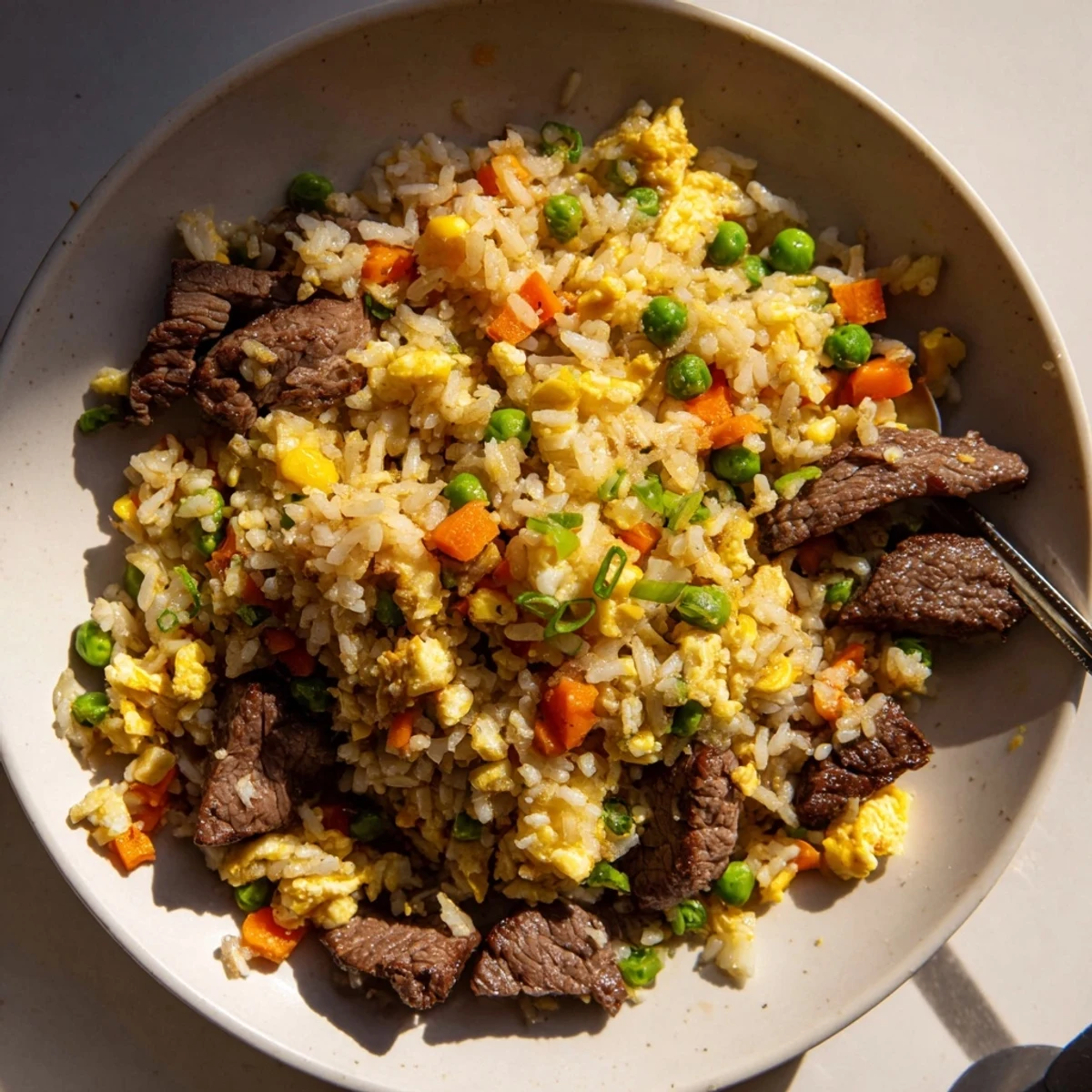
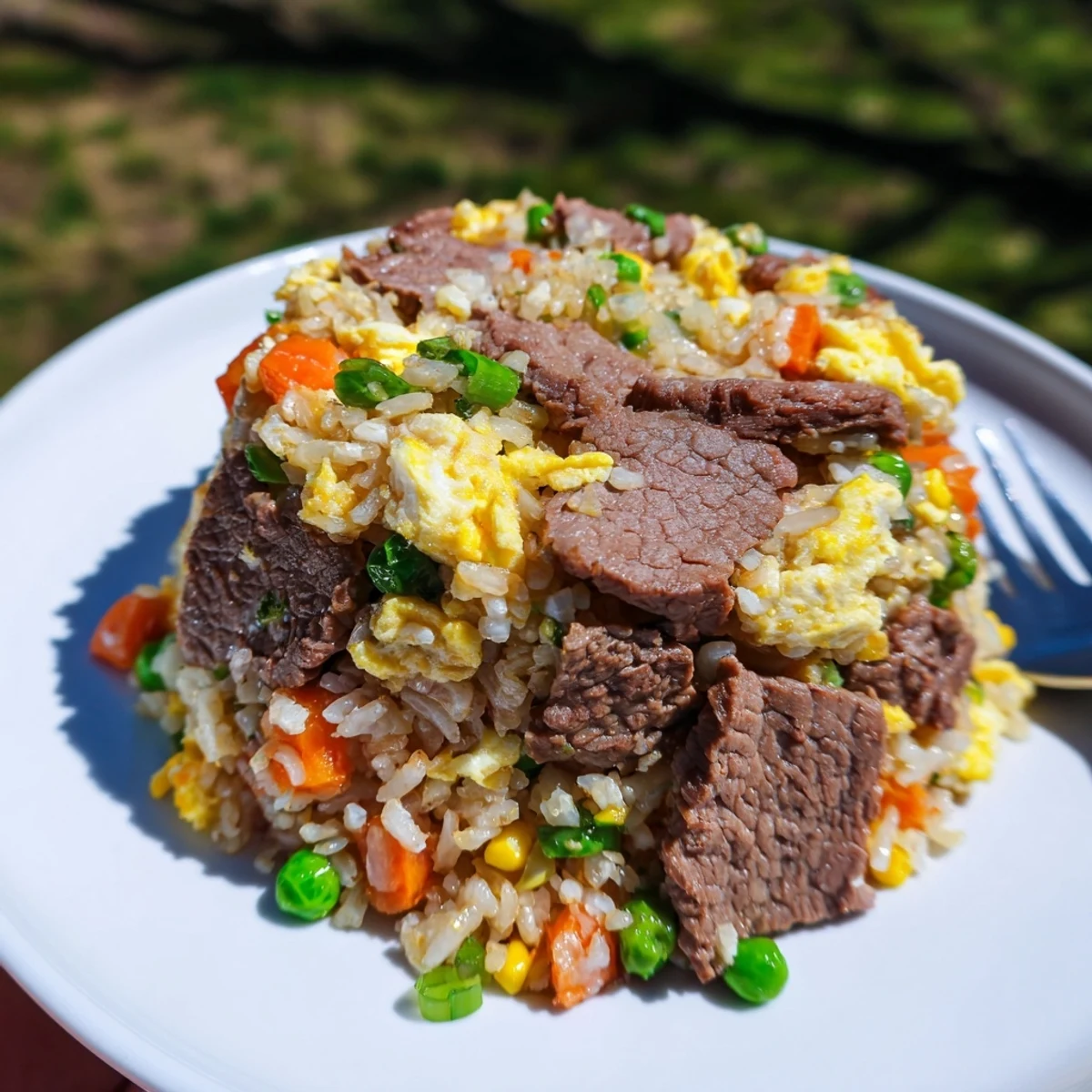
 This dish combines tender slices of beef, vibrant mixed vegetables, and fluffy scrambled eggs, all stir-fried with aromatic seasonings and sauces for a balanced, satisfying meal. Using day-old rice ensures a perfect texture, with each grain separated and coated in flavorful soy and oyster sauces. Quick to prepare, this meal is ideal for busy evenings, offering a harmonious blend of savory, sweet, and umami notes.
There's something about the sizzle of beef hitting a hot wok that makes everything feel like dinner service at a real restaurant, even though I'm just cooking at home on a Tuesday night. The first time I nailed beef fried rice, I wasn't trying to be fancy—I just had yesterday's rice, some beef scraps, and a craving for something warm and quick. What started as leftovers became the dish I make whenever I need to feel capable in the kitchen and have something substantial on the table in under thirty minutes.
I remember making this for my sister on a rainy Sunday when she dropped by unannounced, hungry and a little stressed about work. I had the wok going, the smell of garlic and soy sauce filling the apartment, and by the time the rice was coated and shimmering, she was sitting at the counter with her elbows propped up, already relaxed just from watching it come together. That's when I realized fried rice isn't just a dish—it's proof that you can make someone feel cared for in fifteen minutes.
Ingredients
- Beef sirloin or flank steak, thinly sliced (250 g): Thin slices cook fast and stay tender; marinating with soy sauce and cornstarch is the secret to that silky texture you get at restaurants.
- Soy sauce (3 tbsp total): Split between the beef marinade and the final seasoning—it's the backbone of the whole dish's flavor.
- Cornstarch (1 tsp): This tiny amount coats the beef and helps it stay juicy during the quick, hot cooking.
- Day-old jasmine or long-grain rice (3 cups cooked): Cold, slightly firm rice grains stay separate and don't turn mushy; fresh rice will clump no matter what you do.
- Frozen mixed vegetables (1 cup): No need to thaw—they cook perfectly in the heat of the wok and add color and texture without extra prep.
- Onion and garlic (1/2 onion finely chopped, 2 cloves minced): The aromatics that make your kitchen smell incredible and build the flavor foundation.
- Green onions (2 sliced): Added at the very end, they bring fresh brightness that balances all the savory depth.
- Eggs (2 large): Beaten with a splash of milk, they scramble gently into soft curds that weave through the rice.
- Oyster sauce (1 tbsp): A small amount adds umami sweetness that makes everything taste more rounded and complete.
- Sesame oil (1 tsp): Just a teaspoon—it's potent and aromatic, so a little goes a long way to make the dish taste authentically good.
- Vegetable oil (2 tbsp): High heat cooking needs a neutral oil that won't smoke; split between cooking the beef and the vegetables.
Instructions
- Marinate the beef:
- Toss your thin beef slices with soy sauce, cornstarch, and black pepper in a bowl and let it sit for ten minutes—this isn't a long wait, but it matters. The cornstarch coating will make the beef silky inside while it gets golden outside.
- Prep and beat the eggs:
- In a separate small bowl, whisk your eggs with a splash of milk and a pinch of salt until they're pale and slightly frothy. Having this ready before you start cooking means you won't scramble to find it when things are moving fast.
- Sear the beef until browned:
- Heat one tablespoon of oil in your wok or large skillet over medium-high heat until it shimmers—you want it hot enough that the beef makes a satisfying sound when it hits the pan. Let it cook undisturbed for about two minutes until the edges turn brown, then toss it around and remove it to a plate.
- Build the flavor base:
- Add the remaining oil and sauté your chopped onion and minced garlic for about a minute until the smell is almost perfumy. Then add the frozen vegetables and let them heat through, stirring occasionally—this should take two to three minutes and the vegetables should still have some color.
- Scramble the eggs gently:
- Push all the vegetables to one side of the wok, pour in your beaten eggs, and let them sit for a few seconds before gently stirring and breaking them into soft curds. They'll cook through in less than a minute, so don't walk away.
- Add the rice and break up clumps:
- Dump in all your cold rice and stir everything together, using your spatula to break up any clumps that stuck together. This is the moment where the dish comes together—you're folding everything into one unified texture.
- Season and finish cooking:
- Return the beef to the pan, pour in the soy sauce, oyster sauce, and sesame oil (and the sugar if you're using it), then stir-fry everything for two to three more minutes until the rice is coated and the flavors are evenly distributed. The dish should look glossy and smell incredibly savory.
- Top with green onions and serve:
- Remove from heat, stir in the sliced green onions, and serve immediately while everything is still steaming and hot.
 Save Pin
 Years of making this have taught me that fried rice is really about rhythm and confidence—you're moving fast but you're not panicking, you're listening to the sounds the food makes in the pan and trusting your instincts about when things are done. It became the dish I make when I want to feel like I have my life together, even if it's just for thirty minutes.
Why Cold Rice Changes Everything
The texture difference between fried rice made with fresh rice versus day-old rice is night and day, and I learned this the hard way by making soggy, disappointing rice early on. Cold rice has less moisture clinging to each grain, so when it hits the heat, the grains stay separate and toast slightly instead of steaming into mush. If you don't have day-old rice, you can spread fresh cooked rice on a sheet pan and refrigerate it for an hour—it's not quite the same, but it's better than giving up.
The Beef Marinade Trick
That combination of soy sauce and cornstarch does something almost magical to thin-sliced beef—it creates a silky coating that seals in moisture while the beef cooks at high heat. I used to skip this step thinking I was saving time, but the five-minute wait is worth every second because the difference in tenderness is dramatic. It's one of those small moves that separates really good fried rice from the kind you make once and forget about.
Layering Flavor and Texture
The magic of this dish is that everything you add happens at a different moment—the beef browns first and gets set aside, the vegetables soften while the aromatics bloom, the eggs scramble into clouds, and then the rice gets coated with everything. Each component brings its own texture and flavor, and they don't all compete for attention.
- The oyster sauce is key—it's not something you taste directly, but it rounds out the salty-savory profile and makes everything taste more intentional.
- Don't skip the sesame oil at the end; it's strong and aromatic, and those few drops make the dish smell and taste like you really know what you're doing.
- Timing matters most on the rice—stir and coat for two to three minutes until the soy and oyster sauce turn every grain golden and glossy.
 Save Pin
 Fried rice is one of those dishes that feels simple until you make it a few times and realize there's real technique hiding inside the ease. Once you've got this one down, you've learned something that will make your kitchen feel more confident and capable.