
 Save Pin
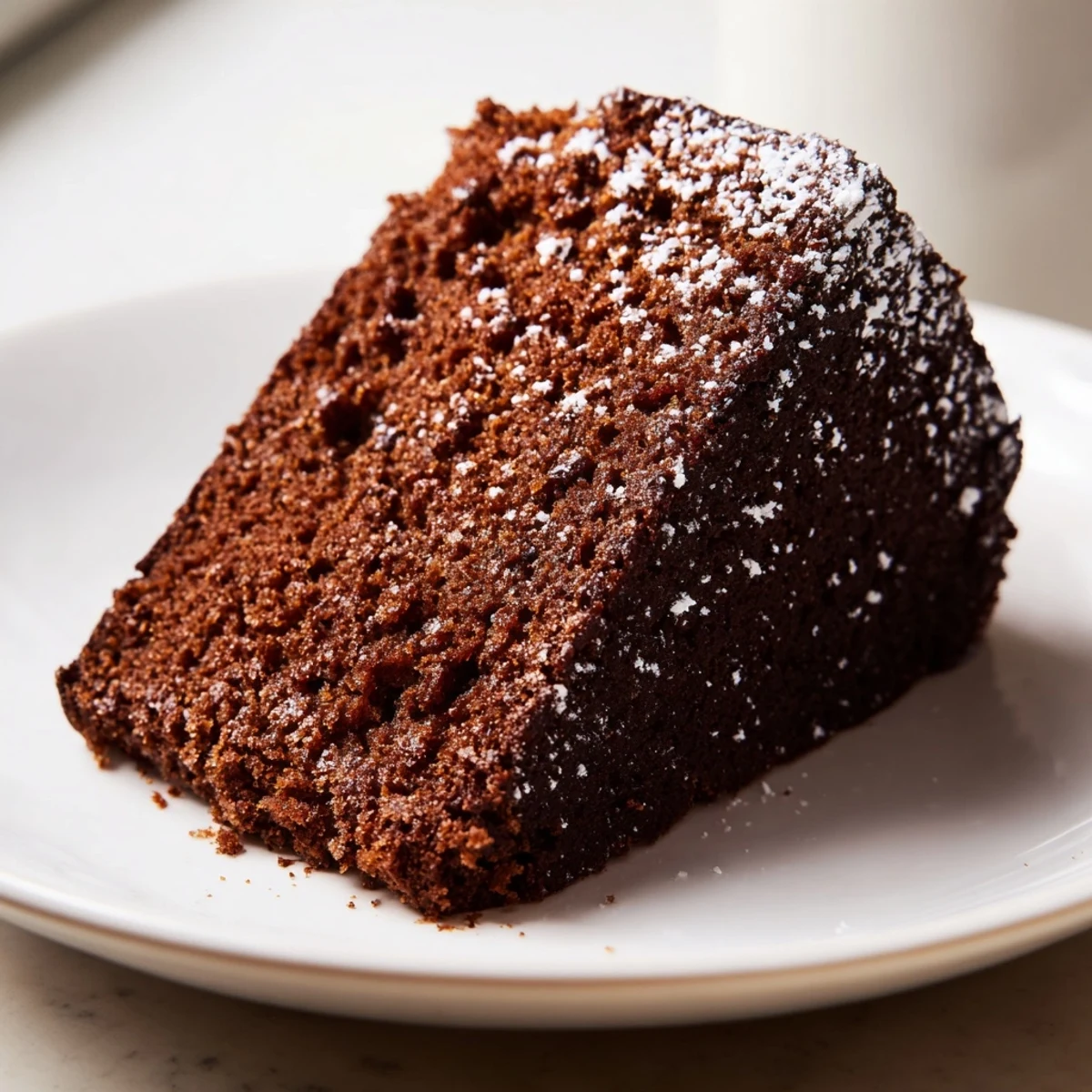
 This traditional gingerbread offers a warmly spiced crumb enriched with molasses and cinnamon. Combining both dry spices like ground ginger, nutmeg, and cloves with wet ingredients including brown sugar, butter, and vanilla, the batter is smooth and baked to a perfect tender texture. Ideal for festive occasions, it pairs wonderfully with powdered sugar or whipped cream, and can be enhanced with crystallized ginger. A simple yet flavorful treat that brings comfort and seasonal warmth to the table.
There's something about the smell of ginger and molasses hitting the kitchen air that stops everything else. Years ago, I made this gingerbread cake on an ordinary Tuesday, not expecting much—just following a recipe I'd scribbled down. But when that warm, spiced aroma drifted through the house, my daughter wandered in asking what smelled like Christmas, even though it was barely autumn. That cake became our thing after that, the one we'd bake whenever the seasons shifted or someone needed comfort in cake form.
I learned the true power of this cake when I brought it to a potluck where everyone had brought store-bought everything. One bite and suddenly people were asking for the recipe, standing in the kitchen while I tried to remember exactly what I'd done. That's when I realized gingerbread isn't just a seasonal thing—it's a quiet show-off move, the kind that doesn't need to be loud to make an impression.
Ingredients
- All-purpose flour (2 1/2 cups): The foundation that keeps everything tender; don't sift it, just spoon and level to avoid packing it down.
- Ground ginger (2 teaspoons): This is where the warmth comes from, so use fresh ginger if you can—the flavor difference is worth hunting down a good spice jar.
- Ground cinnamon (1 1/2 teaspoons): The supporting player that makes the ginger sing instead of overpower.
- Ground cloves and nutmeg (1/4 teaspoon each): Tiny amounts, but they add a complexity that keeps you reaching for another slice.
- Baking soda (1 1/2 teaspoons): Your leavening agent, and it reacts with the molasses to give you that tender crumb.
- Salt (1/2 teaspoon): Doesn't make it salty—it wakes up all the spices.
- Unsalted butter (1/2 cup): Softened butter creams better with the brown sugar, giving you more lift and tenderness.
- Brown sugar (1/2 cup packed): The molasses in the sugar itself adds depth that white sugar never could.
- Large eggs (2, room temperature): Cold eggs won't incorporate smoothly, and you want everything emulsified together.
- Unsulphured molasses (1 cup): Don't use blackstrap unless you want something almost bitter; unsulphured gives you the real gingerbread flavor.
- Hot water (1 cup): The secret to keeping this cake moist even days later, so don't skip it.
- Vanilla extract (1 teaspoon): Rounds out the spices and adds a gentle sweetness underneath the molasses.
Instructions
- Set your stage:
- Preheat your oven to 350°F and grease that 9x13 pan well, then dust it with flour so nothing sticks around later. This takes two minutes and saves you heartbreak.
- Build your spice mixture:
- Whisk the flour with all your spices—ginger, cinnamon, cloves, nutmeg, baking soda, and salt. You're creating an even distribution so no bite ends up bland, and whisking does that better than stirring.
- Cream the butter and sugar:
- Beat them together until they look light and fluffy, almost pale, which takes about three minutes with an electric mixer. This traps tiny air bubbles that become your tender crumb.
- Add the eggs one at a time:
- Drop one in, beat it until it disappears completely, then add the second one the same way. Rushing this step means you end up with a grainier texture.
- Stir in the molasses and vanilla:
- Mix until everything looks uniformly dark and incorporated—don't worry if it looks almost soupy at this point. That's exactly what you want.
- Fold in the dry ingredients gently:
- Add them gradually and mix just until you don't see streaks of flour anymore, then stop. Overmixing develops gluten, which makes it tough.
- Stir in the hot water:
- This loosens the batter into something closer to thick pancake batter, and it's what keeps this cake so tender and moist. The batter should look smooth and pourable but not thin.
- Pour and bake:
- Smooth the top into the prepared pan and slide it into the oven for 30 to 35 minutes, until a toothpick inserted in the center comes out clean. Your kitchen will smell absolutely incredible halfway through.
- Cool and slice:
- Let it rest in the pan for 10 minutes so it sets slightly, then turn it out onto a wire rack to cool all the way down. Cutting it warm means it crumbles; patience rewards you here.
 Save Pin
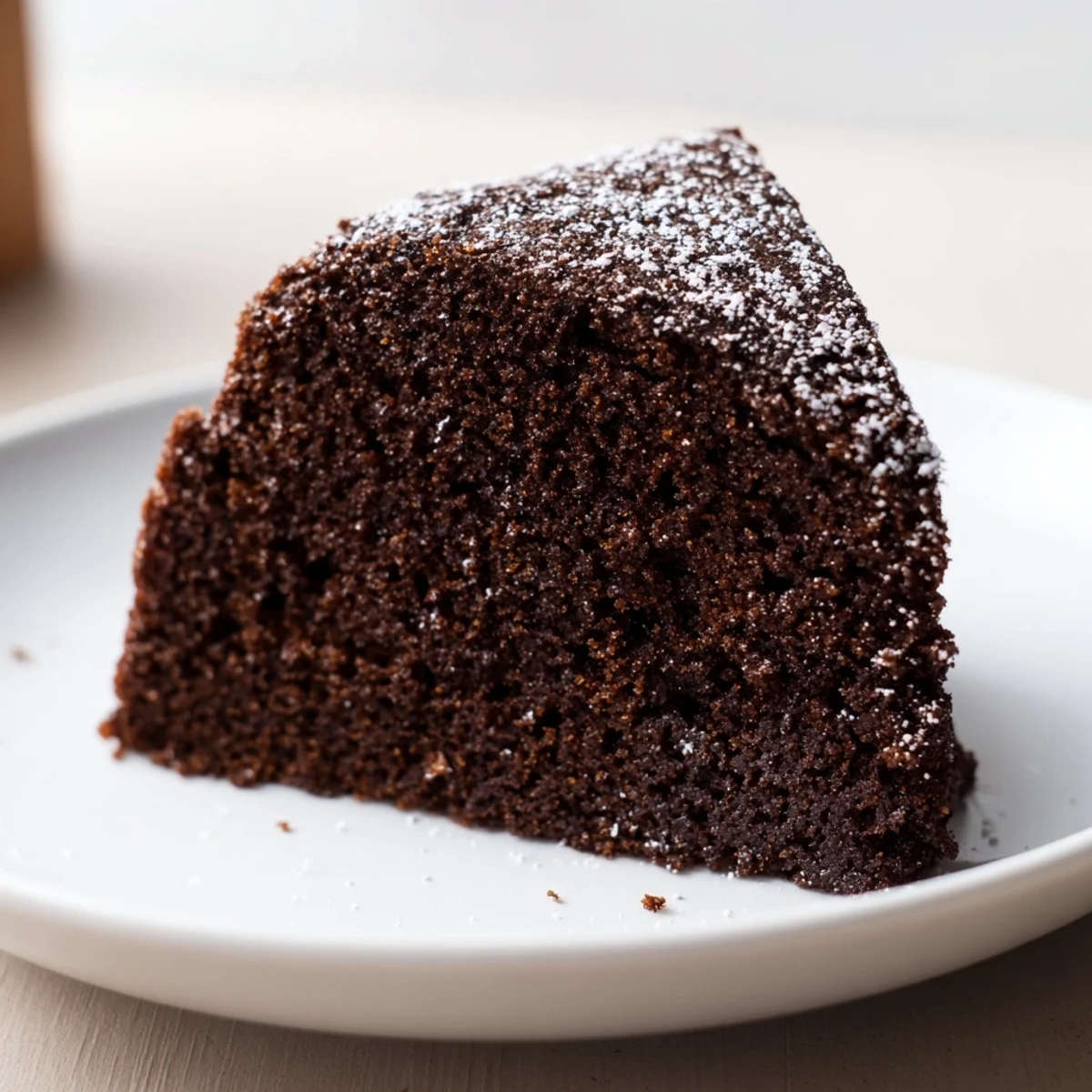
 I remember a morning when I cut into this cake still wearing an old sweater and messy hair, and my partner came downstairs just to be near it while the steam was still rising. We didn't say much, just stood there with coffee, watching the cake cool, and suddenly it felt like a small ritual, something simple that mattered. That's when I knew this recipe had become part of our rhythm.
The Spices You Should Know About
Gingerbread lives or dies on spice quality, and stale spices are the difference between a cake that tastes like genuine warmth and one that tastes like you're eating a dusty cabinet. I learned this the hard way after making a batch with spices that had been sitting in my pantry for two years. The flavor was muted, almost sad, so now I replace my spices every year, right around the time I start craving autumn flavors again.
Making It Your Own
The beauty of this cake is that it handles additions without falling apart. I've added crystallized ginger for a sharper bite, a teaspoon of espresso powder to deepen everything, even a pinch of black pepper once when I was feeling brave. Each version becomes its own thing, but the foundation stays so solid that you can play with it without fear.
Serving and Storage
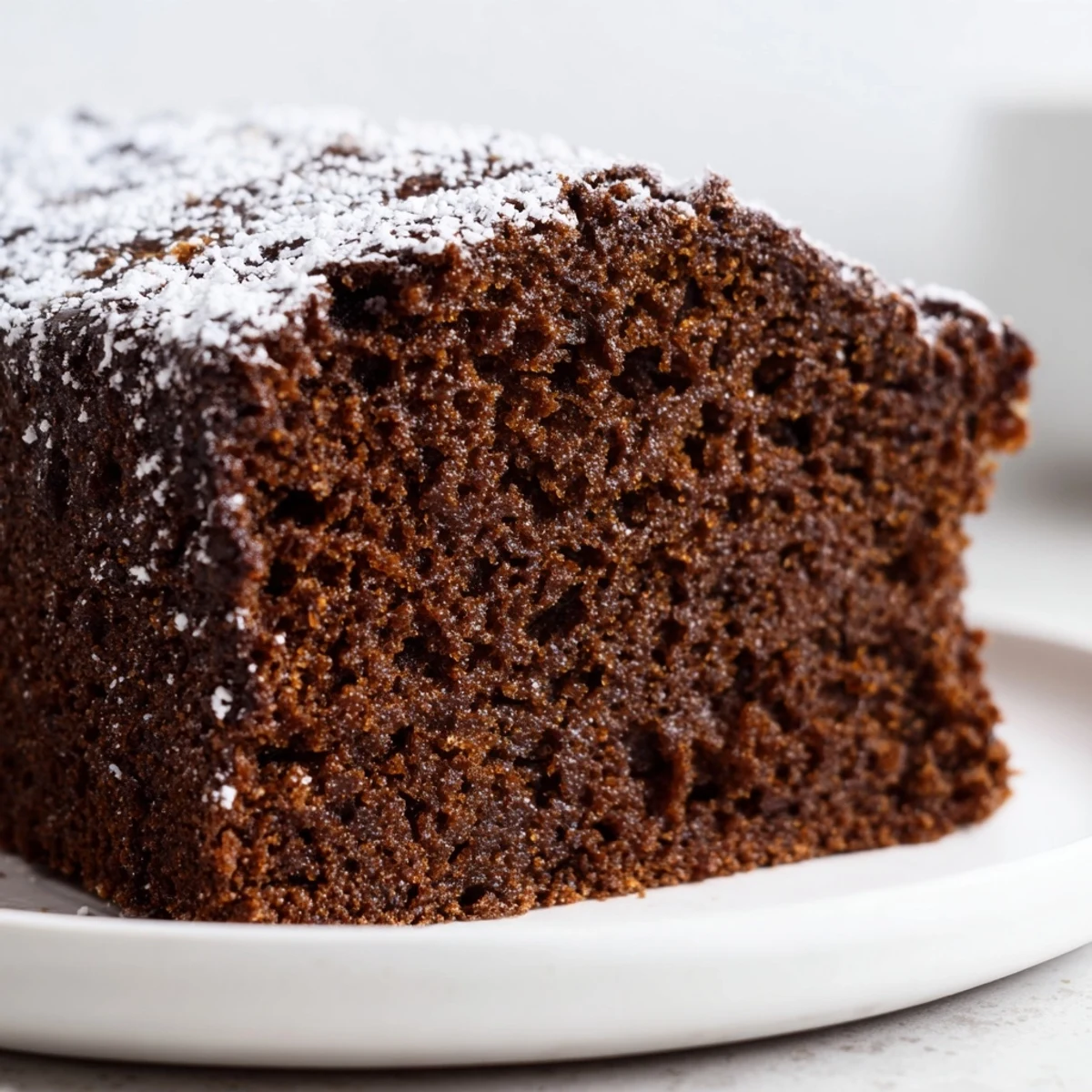
This cake is equally good with nothing at all, with a light dusting of powdered sugar, or with a generous dollop of whipped cream that pools into the warm crumb. It pairs perfectly with hot tea on a quiet afternoon or mulled wine if you're feeling fancy. Wrap leftovers in an airtight container and it keeps for up to five days, though I've never seen it last that long.
- A sprinkle of powdered sugar right before serving catches the light and makes it feel a little fancier than it is.
- Cold cake is different from warm cake, and both are worth experiencing, so try it both ways.
- Leftover cake crumbled into yogurt or vanilla ice cream is a breakfast secret that changed my life.
 Save Pin
 This gingerbread cake is the kind of recipe that gets better each time you make it, not because you're improving your technique, but because you're building memories around it. Make it once and you'll understand why people keep coming back to it.
Recipe Questions & Answers
- → What spices give this gingerbread its flavor?
-
Ground ginger, cinnamon, cloves, and nutmeg combine to create the warm, aromatic profile characteristic of this gingerbread.
- → How is the moist texture achieved?
-
The combination of brown sugar, unsalted butter, molasses, and hot water helps keep the cake tender and moist after baking.
- → Can I add extra flavor to this gingerbread?
-
Adding finely chopped crystallized ginger enhances the spicy kick and adds texture to the cake.
- → What is the best way to serve it?
-
Serving with a dusting of powdered sugar or a dollop of whipped cream brings extra sweetness and complements the warm spices.
- → How should leftovers be stored?
-
Store in an airtight container at room temperature to maintain freshness for up to five days.