
 Save Pin
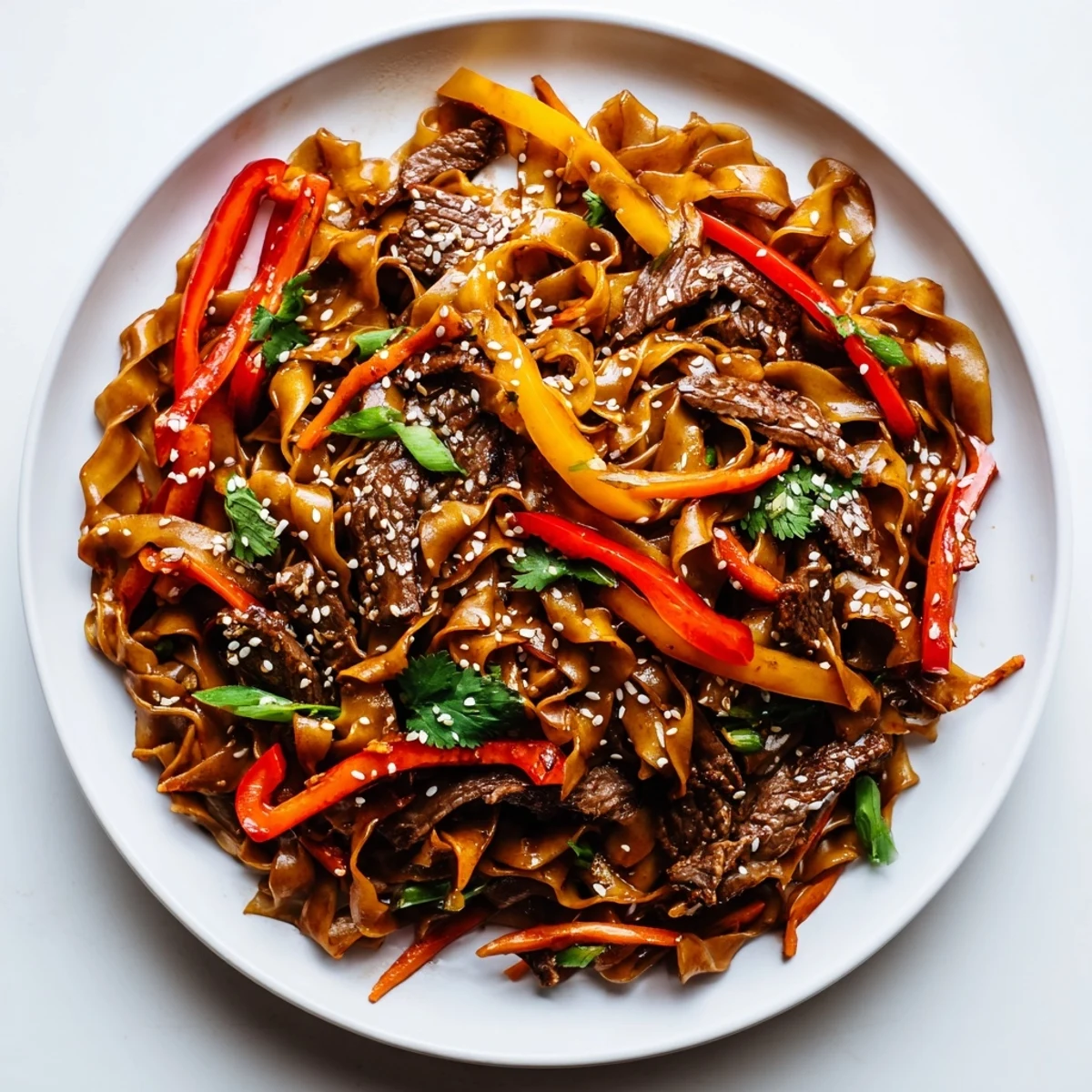
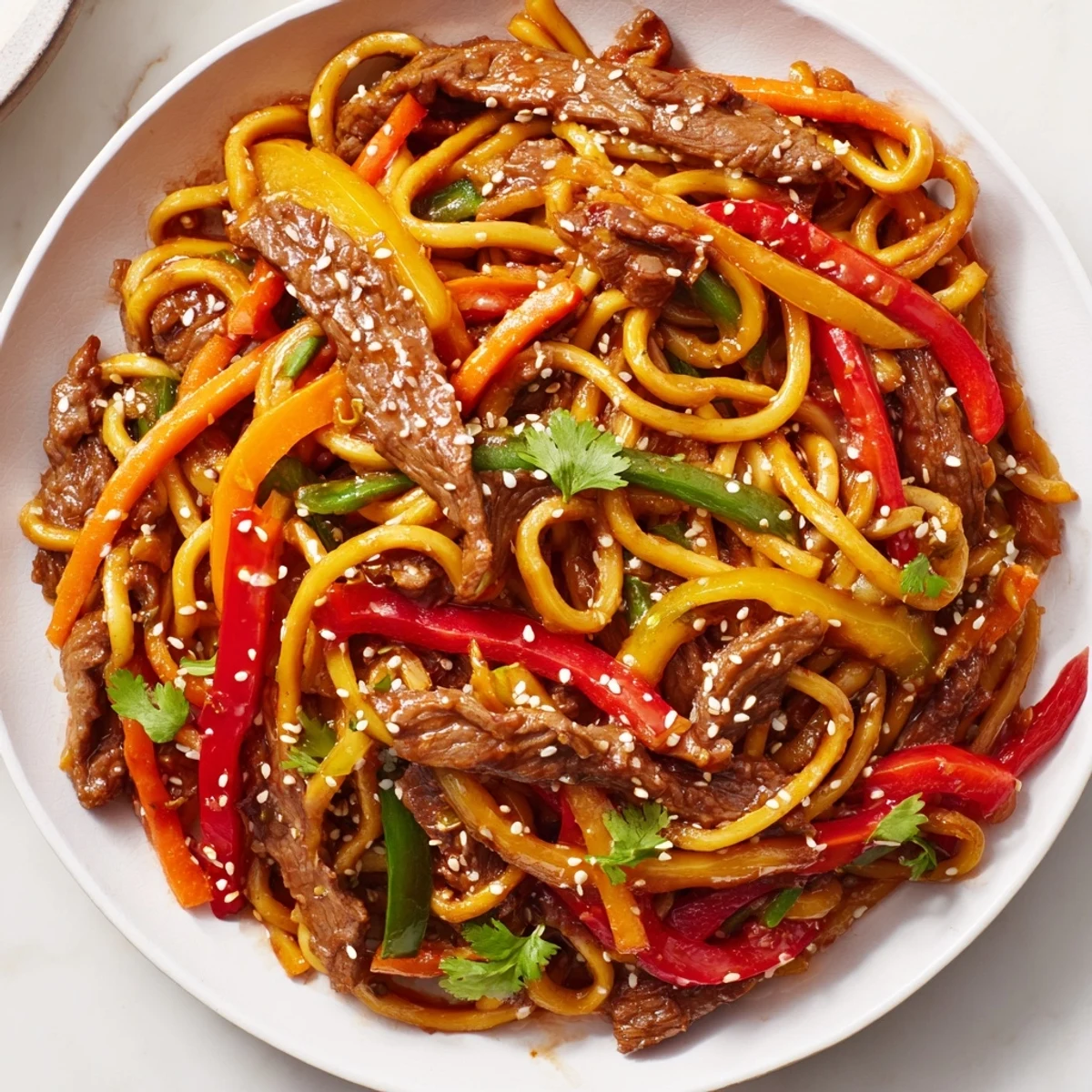
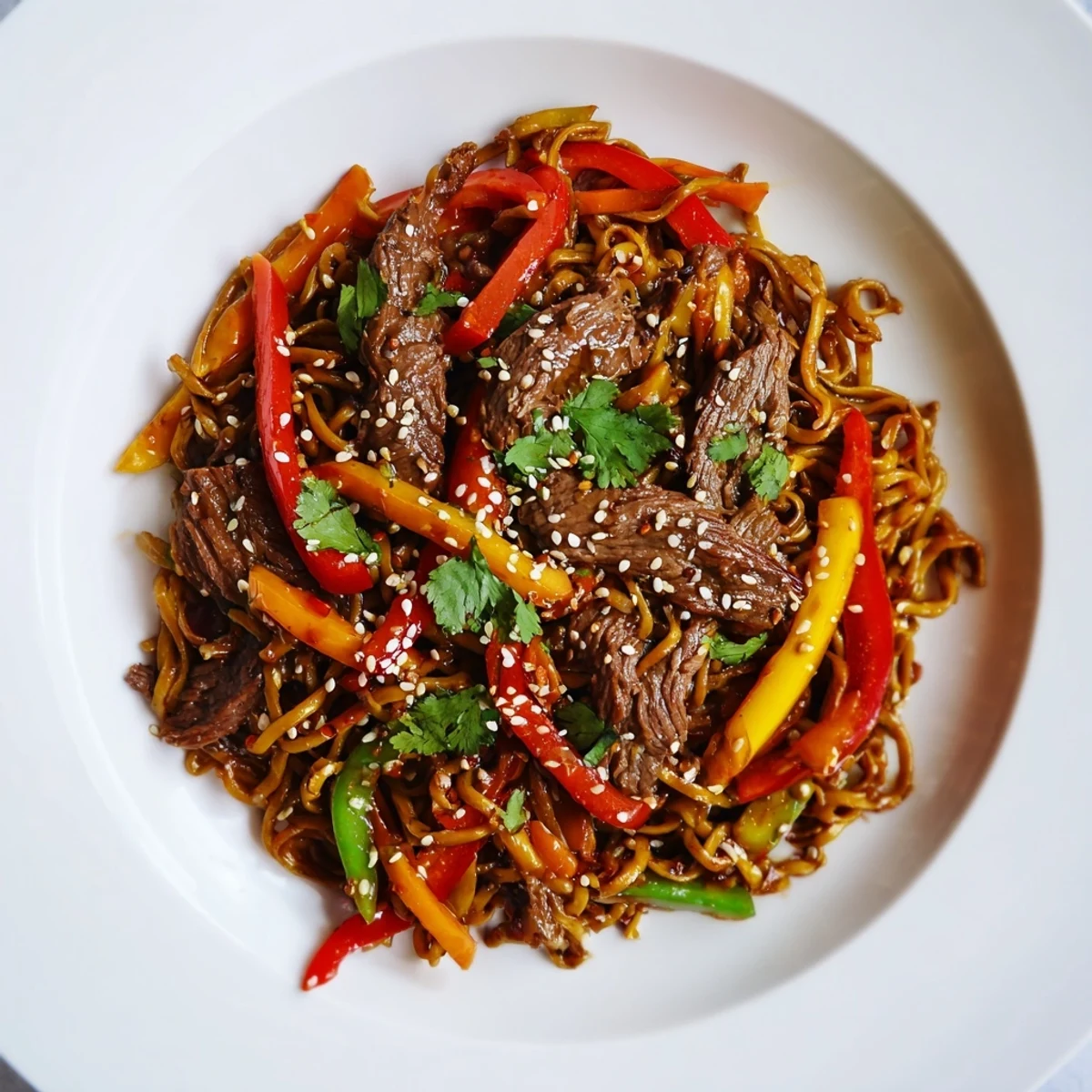
 This vibrant Asian-inspired stir fry combines tender beef strips with crisp bell peppers, carrots, and snap peas, all tossed with chewy noodles in a bold spicy-savory sauce. The dish comes together in just 35 minutes—20 minutes prep and 15 minutes cooking—making it perfect for weeknight dinners. Beef is marinated briefly in soy sauce and cornstarch for tenderness, then seared until browned and set aside. Fresh vegetables are stir-fried until tender-crisp, then the beef returns to the wok along with a complex sauce combining soy, oyster, hoisin, and sriracha for heat and depth. Cooked noodles and spring onions finish the dish, tossed together until heated through. Serve immediately with optional sesame seeds and cilantro. Easily customizable with chicken, tofu, or shrimp as substitutes.
The aroma of ginger and garlic sizzling in hot oil takes me straight back to that tiny apartment in my twenties where I first attempted to recreate the stir fry from my favorite takeout spot. My kitchen window fogged up completely as the steam rose from the wok, and despite setting off the smoke alarm, that first bite convinced me I was onto something special. What began as a budget-friendly dinner experiment has evolved into this spicy beef stir fry that rivals any restaurant version.
Last winter when my sister visited during that awful snowstorm, we were stuck inside for three days straight. By day two, cabin fever was setting in until I remembered I had flank steak in the freezer and a drawer full of vegetables that needed using. The rhythmic chopping and intense sizzle of beef hitting the hot wok became our entertainment, and soon laughter replaced the tension of being cooped up. Even now, she requests this stir fry whenever she visits.
Ingredients
- Flank steak: Slicing it thin against the grain is the secret to tender meat that soaks up all that amazing sauce.
- Colorful bell peppers: Beyond adding vibrant color, they maintain a satisfying crunch that contrasts beautifully with the tender beef and chewy noodles.
- Oyster sauce: This umami-packed ingredient might look unassuming, but it adds incredible depth that ties everything together.
- Rice vinegar: The subtle tang cuts through the richness of the beef and balances the spice from the sriracha.
Instructions
- Prepare your beef properly:
- Toss those thin strips with soy sauce and cornstarch, then let them hang out while you prep everything else. This quick marinade not only flavors the meat but creates that velvety texture you get in restaurant stir fries.
- Get your wok screaming hot:
- When you add that beef, it should sizzle immediately and dramatically. Listen for that sound, it means youre getting a proper sear instead of steaming the meat.
- Respect the vegetables:
- Give those colorful bell peppers, carrots and snap peas just 3-4 minutes in the hot wok. Theyre at their best when still crisp and vibrant.
- Sauce it up:
- When you pour that aromatic mixture of soy sauce, oyster sauce, and all those fragrant ingredients into the hot wok, stand back and breathe in that intoxicating steam. Youll know youre on the right track when the sauce starts to thicken and cling to everything in the pan.
- Bring it all together:
- Toss those cooked noodles in at the end, using tongs to lift and fold everything together. The noodles will soak up any extra sauce in the pan, becoming little flavor sponges.
 Save Pin
 During that hectic week when our kitchen was being renovated, I made this stir fry on a portable induction burner in our makeshift dining room kitchen. My contractor, who had been working through lunch, paused when the aroma filled the house. I ended up doubling the recipe on the spot, and now whenever he stops by for other projects, he not-so-subtly mentions how good that beef stir fry was. Food has a way of turning strangers into friends, even amid the chaos of home repairs.
Noodle Know-How
After much experimentation, I discovered that rinsing the cooked noodles with cold water isnt just an optional step, its crucial for this recipe. This stops the cooking process immediately and removes excess starch, preventing them from turning into a gummy mass when added back to the hot wok. Some might consider it heresy in Italian pasta cooking, but for stir fries, its absolutely transformative.
Vegetable Variations
While I love the crunch and color of bell peppers in this stir fry, its become a fantastic clean-out-the-fridge meal in our house. Baby corn, broccoli florets, mushrooms, and even leftover roasted vegetables have made delicious appearances. The key is maintaining a similar volume and cutting everything to roughly the same size for even cooking.
Heat Management
The first time I made this for my mother-in-law, who claims to hate spicy food, I secretly reduced the sriracha by half. To my surprise, she asked if there was more sauce because it was so good. Ive learned that balancing heat with sweet and savory elements makes this dish accessible to even the most spice-averse eaters.
- For young children or very spice-sensitive guests, try using sweet chili sauce instead of sriracha for a gentler heat.
- Keep a bottle of sriracha on the table so heat-lovers can customize their portions.
- The spice level tends to intensify as leftovers sit overnight, so consider this when deciding how much heat to add initially.
 Save Pin
 This spicy beef stir fry has saved countless weeknight dinners when time and energy were in short supply. Its a testament to how a well-stocked pantry and a few fresh ingredients can create something that feels special enough for company but simple enough for Monday night.
Recipe Questions & Answers
- → How do I prevent the beef from becoming tough?
-
Slice the beef thinly against the grain and marinate it with soy sauce and cornstarch before cooking. This helps tenderize the meat and creates a protective coating. Sear it quickly over high heat in a single layer without overcrowding the wok, then remove it promptly. Overcooking is the main culprit for tough beef in stir fries.
- → Can I prepare this ahead of time?
-
You can prep all ingredients in advance—slice vegetables, marinate beef, and mix the sauce up to a few hours ahead. Store them separately in the refrigerator. Cook the noodles fresh just before serving, as they'll stick together if made too early. The actual stir frying should be done fresh to maintain the crispness of vegetables and the texture of noodles.
- → What type of noodles work best?
-
Egg noodles or rice noodles both work well. Egg noodles provide a slightly chewier texture, while rice noodles are lighter and gluten-free. For a gluten-free option, ensure you're using certified gluten-free noodles and tamari instead of regular soy sauce. Avoid soft noodles that may become mushy when tossed with the hot sauce.
- → How spicy is this dish, and can I adjust the heat?
-
The heat level depends on the amount of sriracha used. Start with 1 tablespoon and taste before adding more. You can further customize heat by adding sliced fresh chilies, more sriracha, or chili flakes. Conversely, reduce sriracha or omit it entirely for a milder version. The dish remains flavorful even without the spicy element.
- → What are good protein substitutes?
-
Chicken breast, tofu, and shrimp are excellent alternatives to beef. Use similar cooking methods—marinate and sear chicken briefly, press and cube tofu before stir-frying, or add shrimp near the end as it cooks quickly. Adjust cooking times accordingly: chicken needs slightly longer than beef, while shrimp cooks in just 2-3 minutes. Pork and turkey also work wonderfully.
- → What should I serve with this stir fry?
-
This dish is substantial on its own thanks to the noodles, but pairs beautifully with jasmine or steamed white rice for those wanting extra carbohydrates. Beverage-wise, crisp Asian lagers cut through the spice, while dry Riesling adds aromatic complexity. A simple cucumber salad or steamed bok choy on the side provides freshness and balance.