
 Save Pin
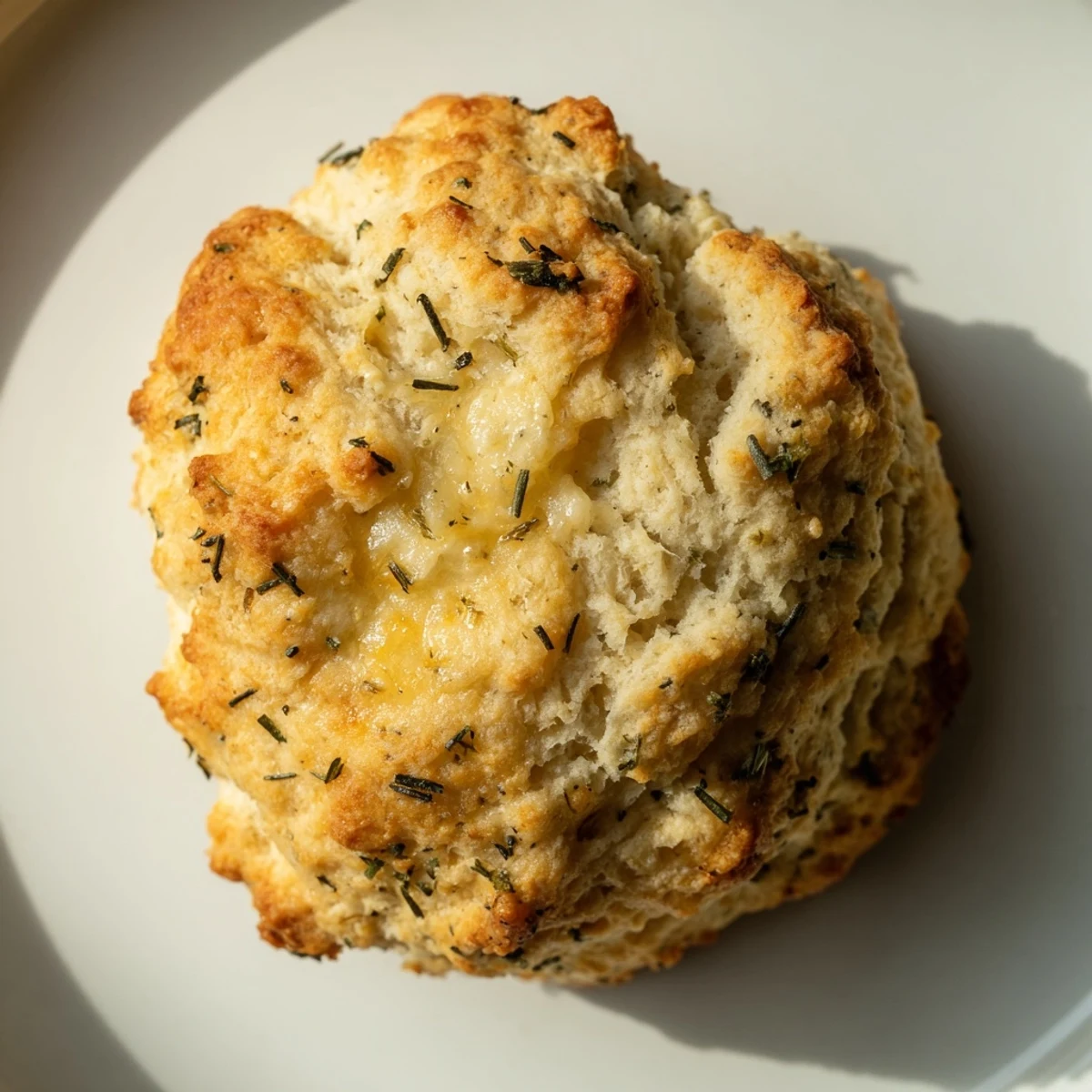
 This fluffy dough combines all-purpose flour, baking powder, and seasonings with cold butter and milk to create tender, savory biscuits. Optional sharp cheddar and fresh herbs add depth, while gentle mixing preserves a light texture. After cutting into rounds, bake until golden brown. Perfectly suited for pairing with hearty meals or breakfast spreads.
Simple ingredients and quick preparation make this dough a reliable base for delicious baked biscuits anytime.
I learned to make savory biscuits on a cold Sunday morning at my grandmother's kitchen table. She had this worn wooden pastry cutter that her mother had used, and she pressed it into the dough with such certainty that I knew this recipe carried generations of care. The smell of butter and fresh herbs filled the kitchen, and suddenly I understood why people gathered around warm biscuits—they weren't just breakfast, they were belonging.
I'll never forget the first time I made these for a dinner party. I was nervous about the timing, worried the biscuits would be cold by the time the soup was ready. But my friend Maria told me a secret: pull them out of the oven, wrap them in a warm tea towel, and they stay perfect for almost an hour. That night, everyone reached for seconds and thirds, and I realized something magic happens when you serve food that's still warm from your own hands.
Ingredients
- All-purpose flour (2 cups): This is your foundation. I learned to spoon it into the measuring cup and level it off rather than scooping directly—it makes a real difference in texture.
- Baking powder (1 tablespoon): This is what gives the biscuits their lift and tenderness. Don't skip it or substitute baking soda—I learned that lesson the hard way with dense, flat biscuits.
- Sugar (1 teaspoon): Just a whisper of sweetness that brings out the savory flavors. It's subtle, but it matters.
- Salt (1/2 teaspoon): The whole dish hinges on this little bit of salt. Taste as you go and trust your instincts.
- Freshly ground black pepper (1/2 teaspoon): Freshly ground is absolutely worth the extra step. Pre-ground pepper tastes tired compared to cracking it yourself.
- Garlic powder (1/2 teaspoon, optional): If you add this, you're hinting at something savory and a little fancy. Your kitchen will smell like comfort.
- Unsalted butter, cold and cubed (1/2 cup): This is crucial. The butter needs to be cold so it creates those little pockets that become the flaky layers. I keep mine in the freezer and cube it right before using.
- Whole milk, cold (3/4 cup): Cold milk matters just as much as cold butter. It keeps everything cool so the biscuits rise up instead of spreading out.
- Sharp cheddar cheese (1/2 cup, optional): If you're using this, shred it yourself from a block. Pre-shredded cheese has cellulose and doesn't melt as beautifully.
- Fresh chives or parsley (2 tablespoons, optional): Finely chopped fresh herbs scattered through the dough add a brightness that makes people ask for the recipe.
Instructions
- Heat your oven and prep:
- Turn your oven to 425°F and line a baking sheet with parchment paper. This matters because it lets you focus on the dough without worrying about cleanup. I learned to do this first so I'm never rushing.
- Build your dry foundation:
- In a large bowl, whisk together flour, baking powder, sugar, salt, pepper, and garlic powder if you're using it. Whisking incorporates a little air right from the start, and I can hear the soft whisper of the dry ingredients coming together.
- Work in the cold butter:
- Add the cubed cold butter and use a pastry cutter, two knives, or your fingertips to work it in. You want the mixture to look like coarse breadcrumbs—this is where patience pays off. Your fingers are warmer than any tool, so work quickly and lightly. If you overmix, the biscuits become tough instead of tender.
- Add your flavor notes:
- Stir in the cheese and herbs if you're using them. Keep everything as cool as possible; every second counts when you're trying to keep butter cold.
- Bring it together:
- Make a well in the center and pour in the cold milk. Using a fork, gently mix just until the dough comes together. Stop as soon as it's combined. This is the hardest part for some people—the urge to knead and work it. Resist. Overmixing is the enemy of tender biscuits.
- Shape your biscuits:
- Turn the dough onto a lightly floured surface and pat or roll it to about 3/4-inch thickness. Work gently, like you're coaxing the dough into shape rather than commanding it. Using a 2.5-inch round cutter, cut straight down without twisting. Gather scraps, pat them together, and cut again until you have eight biscuits.
- Arrange for baking:
- Place the biscuits on your prepared baking sheet with a little space between them. This allows steam to circulate and helps them brown evenly on all sides.
- Bake until golden:
- Bake for 12 to 15 minutes until the tops are golden brown. You'll know they're ready when the kitchen smells like buttery heaven and your biscuits have risen beautifully. Don't open the oven door too early—let them have the full heat to rise properly.
- Serve warm:
- Pull them from the oven and let them cool for just a minute if you can wait that long. Wrap them in a clean tea towel to keep them warm and a little steamy inside.
 Save Pin
 One autumn, I made a batch of these biscuits for my neighbor who had just lost her husband. I didn't think much about it at the time, just wanted to help with dinner. But months later, she told me that my biscuits had been the first thing that made her feel normal again, that tearing into something warm and real had somehow helped. That's when I understood that biscuits aren't just bread—they're an extension of care.
The Secret to Tender Biscuits
The difference between a good biscuit and a great one often comes down to one thing: respecting the dough. When I first started making biscuits, I treated them like bread dough, kneading and working them. Everything changed when I started treating them more like pie crust—minimal mixing, cold ingredients, and a light touch. The butter stays in little pieces, creates steam pockets as it melts, and those pockets become the flaky layers everyone loves. It's actually quite simple once you understand why each step matters.
Variations to Try
These biscuits are like a blank canvas waiting for your creativity. Once you've made the basic recipe and it feels comfortable in your hands, you can start playing. I've added crumbled bacon and smoked paprika for breakfast biscuits that feel special. I've used fresh rosemary and cracked pepper for something more elegant. I've even made a slightly sweet version with a touch more sugar and a pinch of cinnamon to serve alongside soup. The beauty is that the base recipe is so solid that you can make it your own.
Making Them Ahead and Storing
Life gets busy, and biscuits don't always need to be made fresh. I discovered that you can prepare the dough, cut the biscuits, and freeze them on a baking sheet before baking. Then, whenever you want fresh warm biscuits, you just bake them straight from the freezer, adding a couple extra minutes to the baking time. Leftover baked biscuits keep in an airtight container for a day or two, and they reheat beautifully wrapped in foil at 350°F for about five minutes.
- Frozen dough biscuits bake beautifully and taste just-made even if you made them weeks ago
- Wrap any leftovers in a clean tea towel immediately after baking to keep them soft and steamy
- Day-old biscuits are perfect split and toasted with butter, almost better than fresh
 Save Pin
 These biscuits are my quiet confidence in the kitchen. They remind me that the best things don't need to be complicated—just thoughtful, made with care, and shared with people you love.
Recipe Questions & Answers
- → What makes the dough fluffy?
-
The cold butter cut into the dry ingredients creates flaky layers, while careful mixing with cold milk ensures a tender and airy texture.
- → Can I add cheese to the dough?
-
Yes, shredded sharp cheddar enhances flavor and adds richness to the biscuits without affecting texture.
- → How thick should I roll the dough?
-
Roll or pat the dough to about 3/4 inch thickness to ensure even baking and a soft crumb.
- → What is the ideal baking temperature?
-
Bake at 425°F (220°C) until the biscuits turn golden brown on top, usually around 12 to 15 minutes.
- → Can I customize the seasoning?
-
Absolutely, adding herbs like chives or parsley, or spices such as smoked paprika, enhances the savory profile.