
 Save Pin
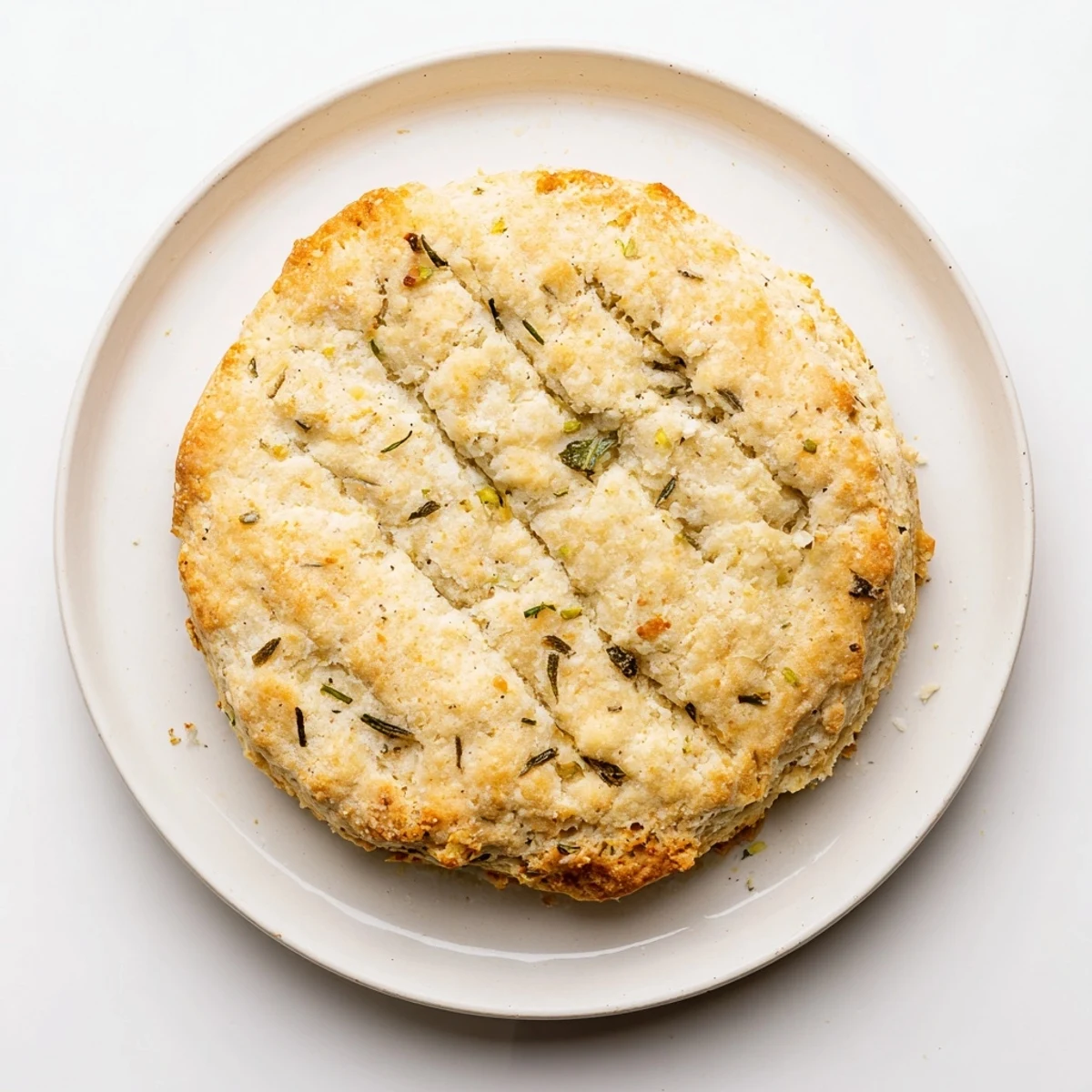
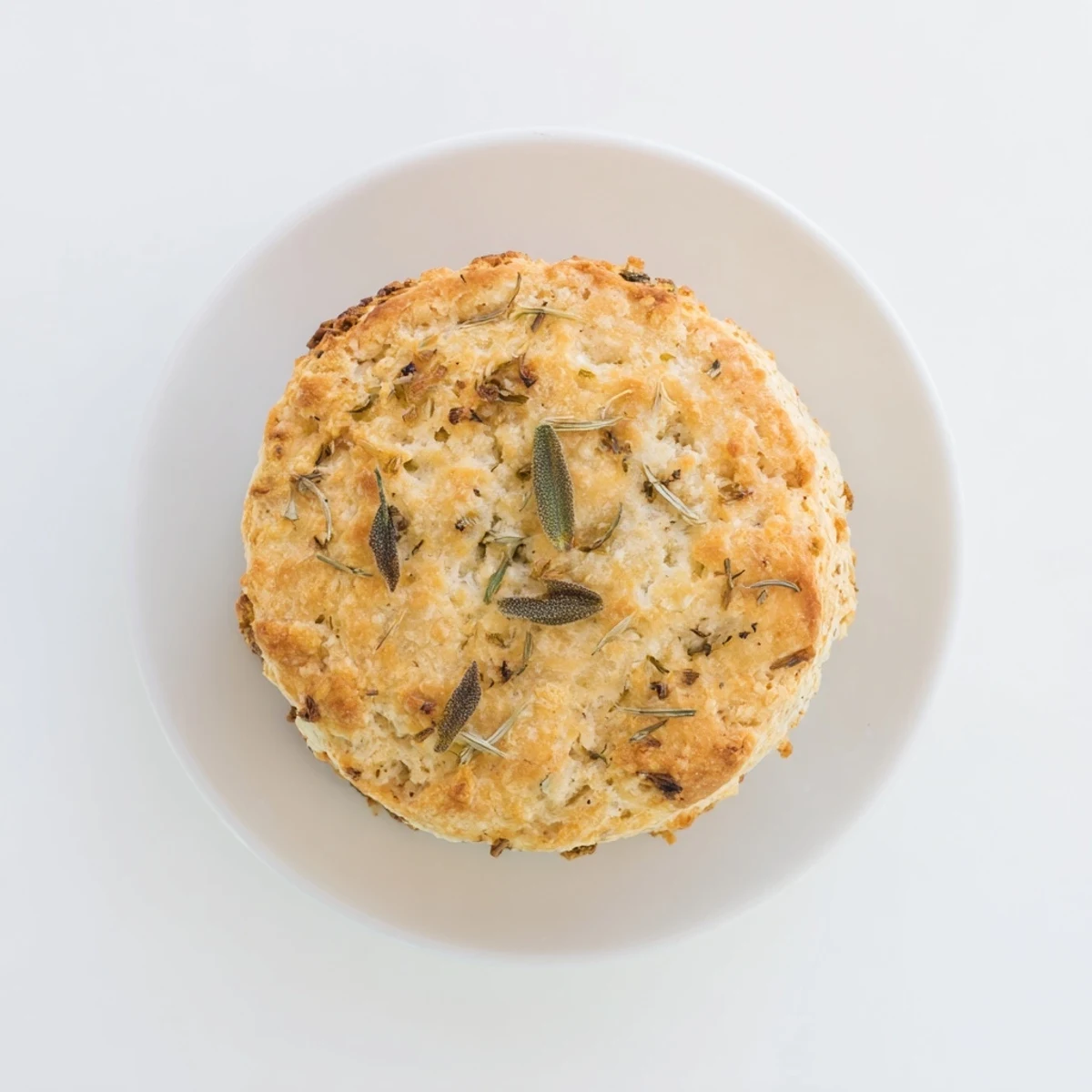
 These tender biscuits feature flaky layers enriched with cold butter and buttermilk, delivering a rich texture that melts in your mouth. The earthy freshness of chopped sage pairs beautifully with Gruyere's nutty depth, creating a sophisticated flavor profile that elevates ordinary bread. Each golden-brown round emerges from the oven with a crisp exterior and soft interior, ideal for spreading with salted butter or drizzling with honey for a sweet-savory contrast.
The kitchen was already warm from the morning sun when I first experimented with adding sage to biscuits. Something about that earthy, pine-like fragrance made the whole house feel instantly cozy, like autumn had arrived early even on a July morning.
I made these for a weekend brunch last fall when friends dropped by unexpectedly. The way everyone went quiet at first bite, then immediately started asking what I had done differently, told me these were something special.
Ingredients
- All-purpose flour: The backbone that gives structure while keeping things tender
- Baking powder and baking soda: The lift team that makes biscuits rise beautifully
- Fine sea salt: Essential for balancing the rich cheese and highlighting the herbs
- Freshly ground black pepper: Adds just enough subtle warmth to complement the sage
- Unsalted butter: Must be ice cold for those flaky layers we are after
- Gruyere cheese: Melts into pockets of savory goodness throughout each biscuit
- Buttermilk: Provides tang and tenderness while helping the baking soda work its magic
- Fresh sage: The star that makes these taste like something from a fancy bakery
Instructions
- Get your oven ready:
- Preheat to 425°F and line a baking sheet with parchment paper so you are not scrambling later
- Whisk the dry ingredients:
- Combine flour, baking powder, baking soda, salt, and pepper in a large bowl until everything is evenly distributed
- Cut in the butter:
- Add cold butter cubes and work them into the flour with a pastry cutter or your fingertips until you see coarse crumbs with some pea sized butter pieces remaining
- Add the flavor makers:
- Fold in the grated Gruyere and chopped sage until they are evenly distributed throughout the mixture
- Bring it together:
- Pour in cold buttermilk and mix gently with a fork just until the dough holds together
- Shape and cut:
- Turn the dough onto a floured surface, pat into a 1 inch thick rectangle, and cut straight down with a floured biscuit cutter
- Bake to golden:
- Place biscuits on your prepared sheet, brush with milk if you want extra color, and bake 14 to 16 minutes until beautifully golden brown
 Save Pin
 These have become my go to when I need to bring something to gatherings. There is something about handing someone a warm, cheese flecked biscuit that feels like giving them a hug.
Making Ahead
I have learned that cutting the biscuits and freezing them raw on a baking sheet before transferring to a bag means I can bake fresh ones anytime. Just add a couple minutes to the baking time straight from the freezer.
Serving Ideas
These pair beautifully with scrambled eggs at breakfast or alongside a bowl of tomato soup for lunch. Sometimes I will split and toast them the next day, slathered with salted butter and maybe a little honey if I am feeling adventurous.
Getting Creative
The basic formula is forgiving once you have made it a few times. Consider swapping in different cheeses or herbs based on what you have on hand.
- Add a pinch of cayenne if you like things with a little kick
- Try swapping half the Gruyere for sharp cheddar to change the flavor profile
- These freeze exceptionally well for those busy weekday mornings
 Save Pin
 There is nothing quite like pulling these from the oven and breaking one open while steam still curls up from the center.
Recipe Questions & Answers
- → Why is cold butter important?
-
Cold butter creates pockets of steam during baking, resulting in flaky layers. Work quickly to keep butter from melting before hitting the oven.
- → Can I use dried sage instead of fresh?
-
Yes, use 1 teaspoon of dried sage for every 2 tablespoons of fresh. Rub the dried herbs between your fingers to release their oils before adding.
- → What cheese works best as a Gruyere substitute?
-
Sharp cheddar, Swiss, or Emmental all work well. Aged provolone or fontina also provide excellent melt and flavor depth.
- → Why twist the biscuit cutter?
-
Avoid twisting when cutting. Press straight down to seal the edges, which helps biscuits rise taller and maintain their shape during baking.
- → How should I store leftover biscuits?
-
Store in an airtight container at room temperature for up to 2 days, or freeze individually wrapped for up to 3 months. Reheat in a 350°F oven for best texture.
- → Can I make the dough ahead of time?
-
Yes, cut the biscuits and freeze them unbaked on a baking sheet. Once frozen, transfer to a bag and bake from frozen, adding 2–3 minutes to the baking time.