
 Save Pin
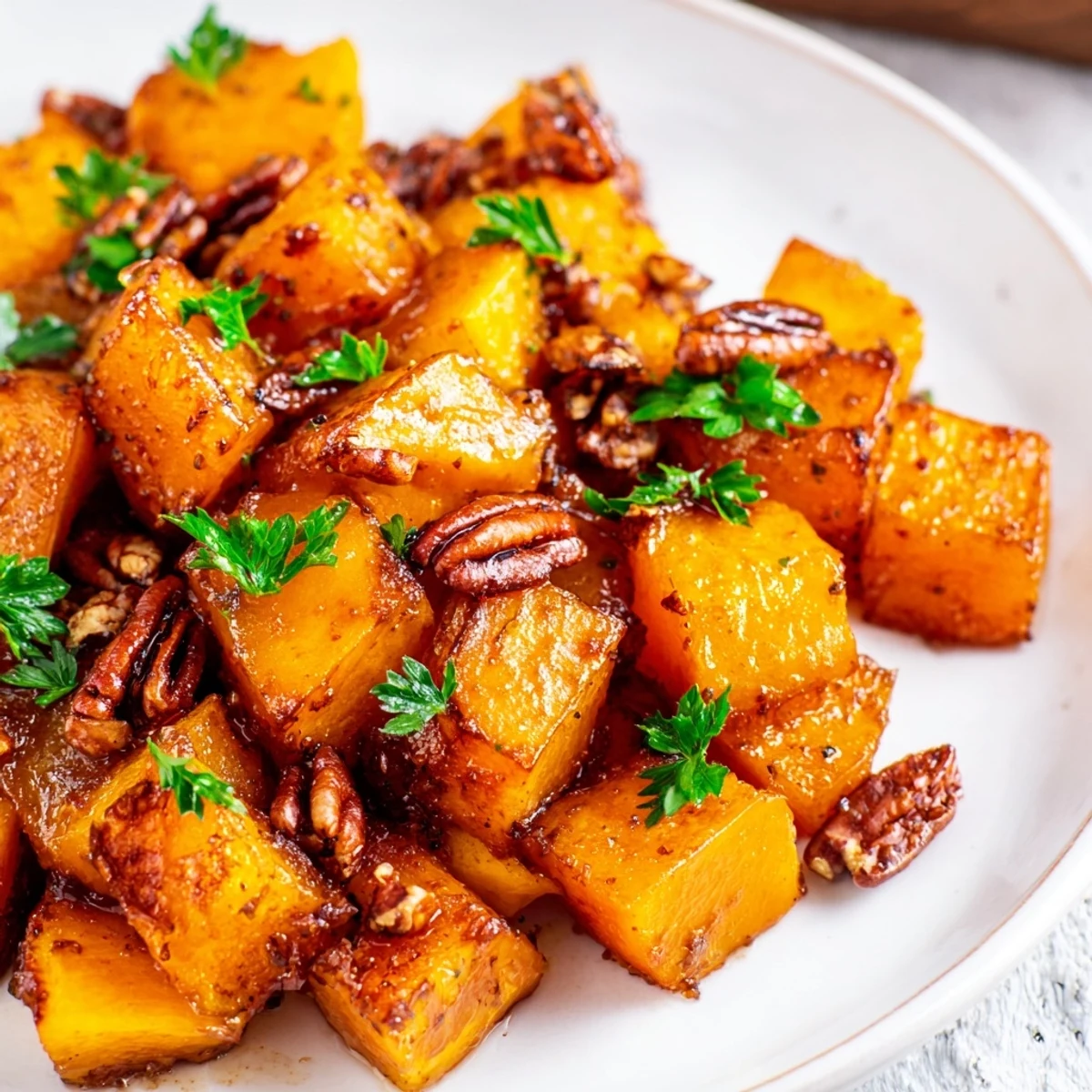
 This dish features butternut squash cubes roasted to golden perfection, coated in a glaze of pure maple syrup, olive oil, and warming spices like cinnamon and nutmeg. The squash becomes tender and caramelized, delivering both sweetness and depth of flavor. Fresh herbs and toasted nuts add a bright, crunchy finishing touch, making it a comforting and elegant side for fall meals.
My neighbor handed me a butternut squash from her garden one October morning, and I had no plan for it. I roasted it with whatever I had on hand: olive oil, maple syrup, a shake of cinnamon. The kitchen smelled like a bonfire and warm sugar, and I ate half the pan standing at the counter. That squash taught me that simple things, done right, don't need much fuss.
I brought this to a potluck once, skeptical that roasted squash could hold its own next to casseroles and pies. It was gone before the main course. Someone asked if I'd used brown butter or added cream. Nope, just squash, maple, and heat. Sometimes the plainest things surprise you most.
Ingredients
- Butternut squash: Look for one with a long neck and firm skin, the neck has more usable flesh and fewer seeds to scoop out.
- Pure maple syrup: The real stuff matters here, it has a depth that pancake syrup can't touch, and it caramelizes without burning.
- Olive oil: A good coating helps the squash crisp up instead of steam, don't skimp or it will turn mushy.
- Ground cinnamon: Warm and woody, it bridges the sweetness and the roasted char without tasting like dessert.
- Ground nutmeg: Just a whisper, too much turns the dish bitter and perfumey.
- Sea salt and black pepper: They pull the flavors into focus and keep the dish savory enough to belong on a dinner table.
- Fresh parsley or thyme: A handful of green at the end makes it look alive and taste brighter.
- Toasted pecans or walnuts: Optional, but they add crunch and a buttery richness that plays nicely with the maple.
Instructions
- Prep the oven and pan:
- Heat your oven to 425°F and line a large baking sheet with parchment. The high heat is what gives you those crispy, caramelized edges.
- Toss the squash:
- In a big bowl, mix the cubed squash with olive oil, maple syrup, cinnamon, nutmeg, salt, and pepper until every piece is glossy. Use your hands if you want, it's faster and more fun.
- Spread it out:
- Lay the squash in a single layer on the baking sheet, leaving space between the cubes. Crowding steams the squash instead of roasting it, and you'll lose that caramelized crust.
- Roast and flip:
- Roast for 30 to 35 minutes, flipping the pieces halfway through with a spatula. You're looking for golden brown edges and a fork that slides through without resistance.
- Finish and serve:
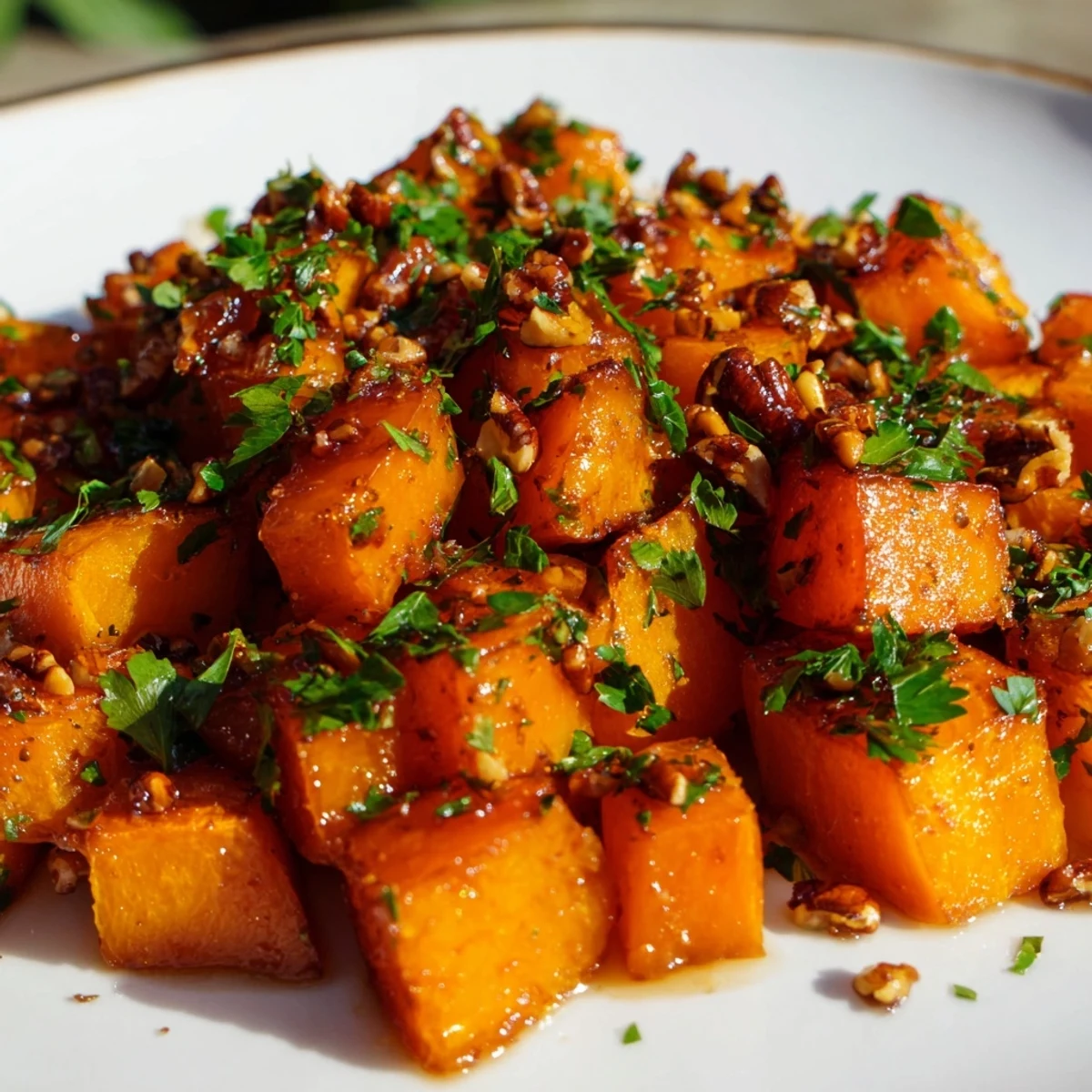
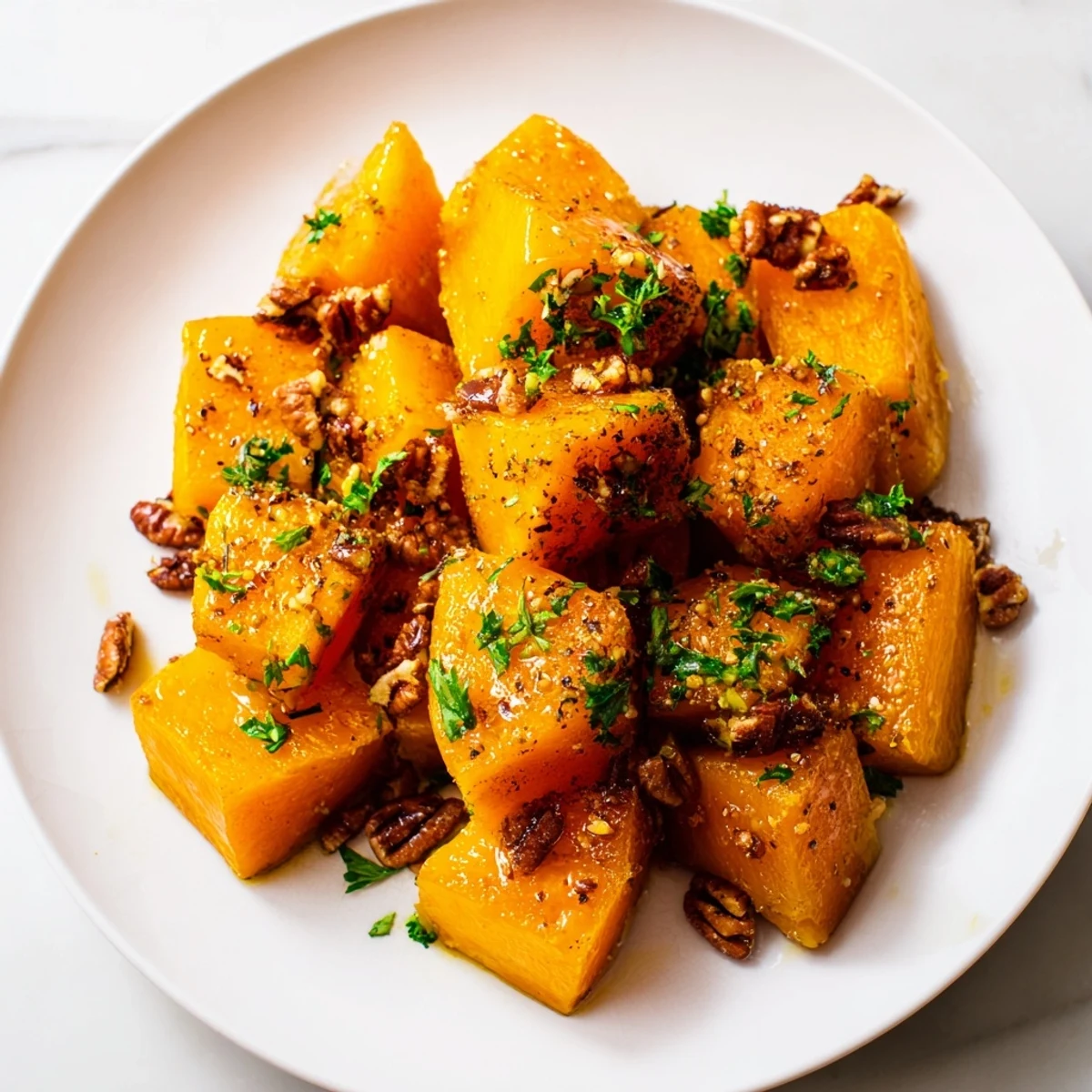
- Transfer to a serving dish and scatter fresh herbs and toasted nuts over the top. Serve it warm, straight from the oven if you can.
 Save Pin
 My dad, who claims he doesn't like squash, ate three helpings of this last Thanksgiving. He didn't say much, just nodded and went back for more. That's when I knew it had earned its place on the table.
How to Pick and Prep Butternut Squash
Choose a squash that feels heavy for its size and has a matte, tan skin without soft spots. Peeling it is the hardest part: use a sharp vegetable peeler and work in long strokes from top to bottom. Cut off both ends first so it sits flat on your cutting board and doesn't roll around. The neck is easier to peel and cube than the bulbous bottom, so save that part for soup if you're feeling lazy.
Flavor Twists and Swaps
A pinch of cayenne or smoked paprika adds a gentle heat that makes the sweetness more interesting. Honey works in place of maple syrup, though it's slightly stickier and less complex. I've also tossed in a tablespoon of balsamic vinegar at the end for a tangy edge, or swapped thyme for rosemary when I wanted something more piney and bold.
Serving and Storage Ideas
This sits beautifully next to roasted chicken, pork chops, or a pile of wild rice. I've also folded leftovers into grain bowls with farro, arugula, and goat cheese, or tossed them into a salad with cranberries and pecans. Store any extra in an airtight container in the fridge for up to four days. Reheat in a hot oven or skillet to bring back the crisp, the microwave will turn it soggy.
- Serve it on a platter with a drizzle of extra maple syrup and a sprinkle of flaky salt for a showstopper side.
- Leftovers make a great base for a quick soup, just blend with broth and a splash of cream.
- If you're meal prepping, roast a double batch and use it throughout the week in different dishes.
 Save Pin
 This recipe has become my default when I need something easy that still feels special. It's proof that good food doesn't have to be complicated, just honest.
Recipe Questions & Answers
- → What temperature is best for roasting butternut squash?
-
Roasting at 425°F (220°C) ensures the squash caramelizes nicely while becoming tender inside.
- → Can I substitute maple syrup with another sweetener?
-
Honey can be used as a substitute for maple syrup, but note it is not vegan-friendly.
- → How do the spices enhance the dish?
-
Cinnamon and nutmeg add warm, subtle notes that complement the natural sweetness of the squash.
- → Are toasted nuts necessary?
-
They’re optional but provide a pleasant crunchy texture and nutty flavor that balances the softness.
- → What herbs work best as a garnish?
-
Fresh parsley or thyme brighten the dish with a mild, herbal aroma and fresh flavor.
- → Is this dish suitable for gluten-free diets?
-
Yes, all ingredients are naturally gluten-free, making it safe for gluten-sensitive individuals.