
 Save Pin
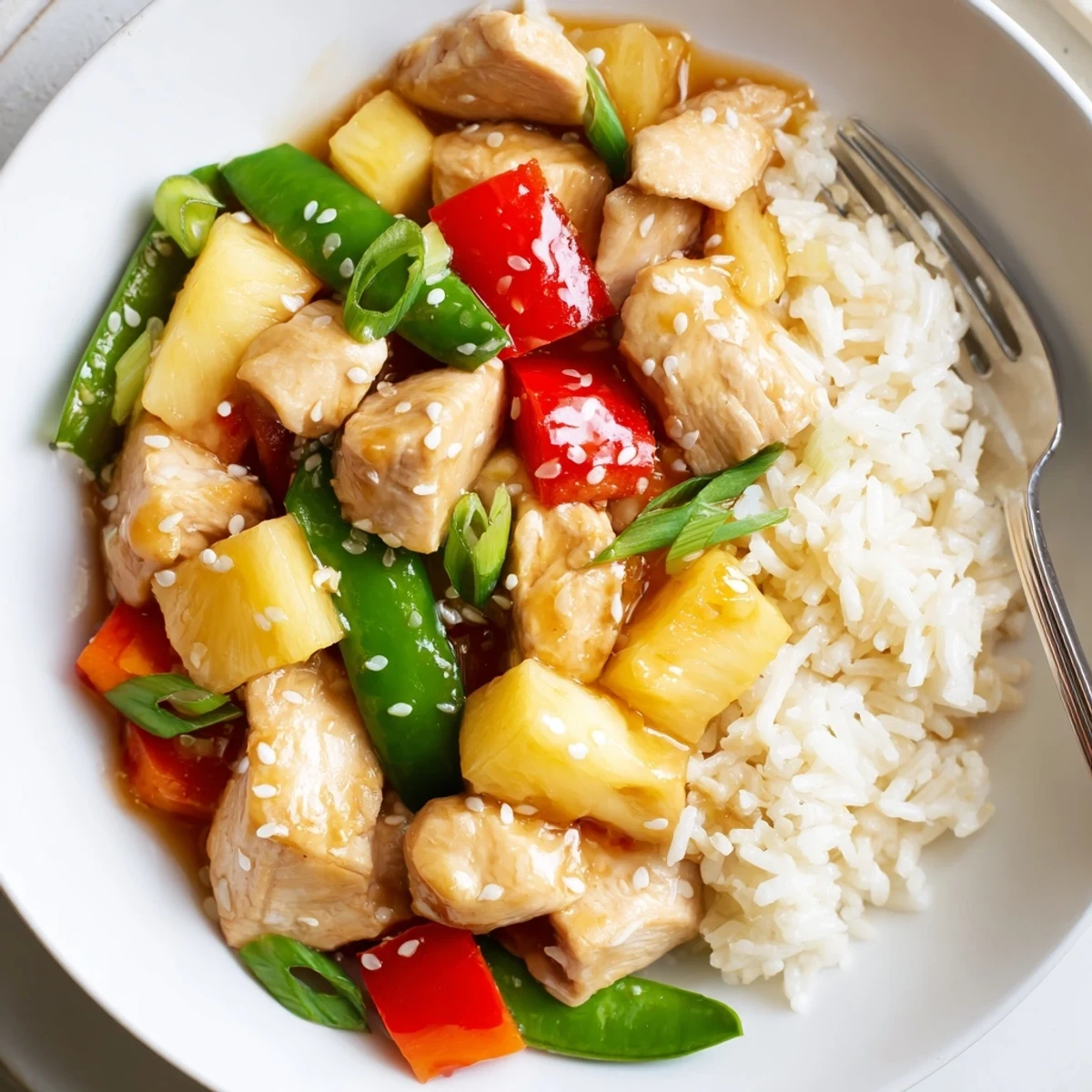
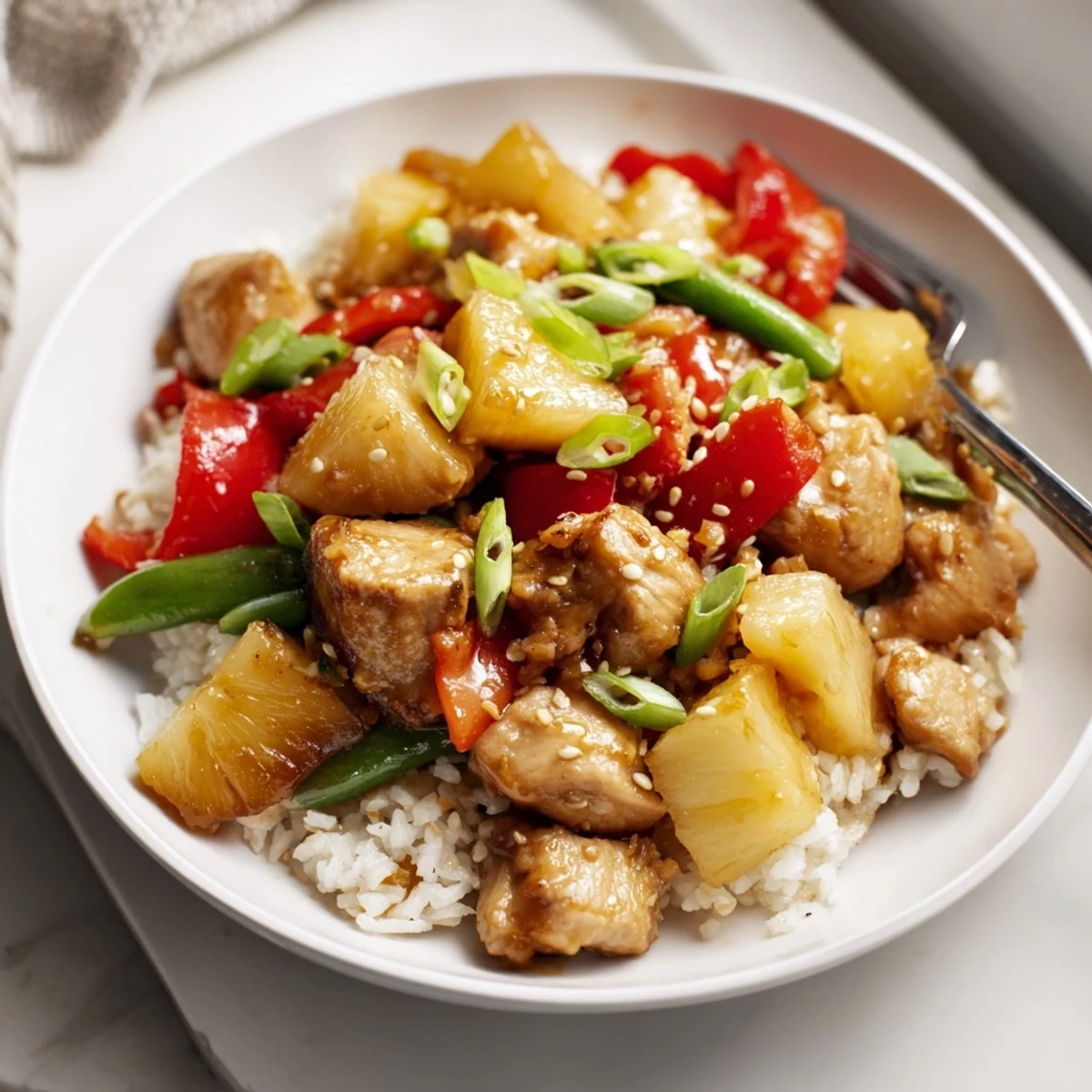
 Pineapple, bite-sized chicken, bell pepper and sugar snap peas are stir-fried and coated in a glossy soy, pineapple juice, and honey glaze, then tossed with jasmine rice. Prep takes 15 minutes and cooking 25, yielding four servings. Use day-old rice for best texture, substitute tamari for gluten-free, or swap chicken for tofu for a meatless option.
The sizzle of chicken hitting a hot wok on a Tuesday evening is one of those sounds that instantly makes a kitchen feel alive, and this pineapple chicken and rice has become my go-to when I want something bright and satisfying without spending an hour at the stove. The sweetness of fresh pineapple caramelizing against golden chicken pieces is genuinely irresistible. It all comes together in one pan, which means cleanup is almost as easy as cooking.
My neighbor walked in once while I was tossing the rice in that glossy sauce and declared it smelled better than any takeout spot within ten miles. She was not wrong. I handed her a bowl and we stood in the kitchen eating over the sink because neither of us wanted to wait for plates.
Ingredients
- Boneless, skinless chicken breast (1 lb, cut into bite-sized pieces): Breast meat stays tender if you do not overcrowd the pan and give each piece room to sear properly.
- Fresh pineapple (1 cup, diced): Fresh is ideal because it holds its shape and delivers a brighter acidity, but canned chunks drained well will rescue you in winter.
- Red bell pepper (1, chopped): The sweetness of the pepper echoes the pineapple and adds a crunch that keeps every bite interesting.
- Sugar snap peas (1 cup, trimmed): They bring a crisp snap and a lovely green contrast that makes the whole dish look as good as it tastes.
- Green onions (3, sliced): Reserve some for garnish because the raw bite on top is a perfect finish against the warm, sticky sauce.
- Garlic (2 cloves, minced) and fresh ginger (1-inch piece, grated): This aromatic duo is the backbone of almost everything delicious in this recipe, so do not skimp.
- Day-old cooked jasmine or basmati rice (2 cups): Cold, leftover rice is the secret weapon here because it fries up fluffy instead of turning into a gummy mess.
- Soy sauce or tamari (1/4 cup): Tamari keeps this gluten-free while delivering the same deep, salty richness the sauce needs.
- Pineapple juice (2 tbsp): If you are cutting a fresh pineapple, press the juice straight from the trimmings for the most vibrant flavor.
- Rice vinegar (1 tbsp): A small splash lifts the sweetness and keeps the sauce from feeling heavy or one-dimensional.
- Honey or brown sugar (1 tbsp): Either works beautifully to round out the edges and help the glaze develop a slight caramel sheen.
- Sesame oil (1 tsp): Just a teaspoon adds a toasty, nutty perfume that ties every flavor together.
- Cornstarch (1 tsp): This tiny amount is all you need to turn a thin liquid into a sauce that coats instead of puddling.
- Vegetable oil (2 tbsp): A neutral oil with a high smoke point is best since you will be cooking over fairly high heat.
- Salt and black pepper (to taste): Season the chicken before it hits the pan and you will notice the difference immediately.
Instructions
- Whisk the sauce together:
- In a small bowl, combine the soy sauce, pineapple juice, rice vinegar, honey, sesame oil, and cornstarch, whisking until the cornstarch disappears completely. Set it near the stove so it is ready the moment you need it.
- Sear the chicken:
- Heat one tablespoon of oil in a large skillet or wok over medium-high heat until it shimmers, then add the chicken in a single layer, season with salt and pepper, and let it sit undisturbed until the underside turns golden. Cook for five to six minutes total, turning once, then transfer the chicken to a plate.
- Build the aromatics and vegetables:
- Pour the remaining oil into the pan, add the garlic and ginger, and stir for about thirty seconds until your kitchen smells incredible. Toss in the bell pepper and sugar snap peas, stir-frying for three to four minutes until they are bright and barely tender.
- Bring everything together:
- Return the chicken to the pan along with any juices from the plate, then add the diced pineapple and green onions. Pour the sauce over everything and toss to coat, letting it simmer for two to three minutes until it thickens into a glossy glaze.
- Fold in the rice:
- Add the cold rice to the pan and toss gently but thoroughly, letting it warm through and absorb the sauce for about two minutes. Each grain should be lightly coated and heated but still distinct.
- Serve and enjoy:
- Slide everything onto a platter or divide into bowls right away, scattering extra green onions and a sprinkle of sesame seeds on top if you have them.
 Save Pin
 I made a double batch for a potluck once and watched three people ask for the recipe before they even finished their first bowl. That is when I knew this one was a keeper.
When to Serve This
This dish shines on busy weeknights when you want something colorful and filling but cannot muster the energy for a multi-pot production. It also makes surprisingly good leftovers tucked into a container and eaten cold straight from the fridge the next afternoon.
Making It Your Own
Slide a sliced chili or half a teaspoon of red pepper flakes in with the garlic if you want a gentle, warming heat playing against the sweetness. You can swap the chicken for cubes of pressed firm tofu and the dish transforms seamlessly into a vegetarian dinner that still satisfies completely.
Getting the Rice Right
Day-old rice is not just a suggestion here, it is the difference between fried rice that is fluffy and fried rice that clumps into something sad. Spread freshly cooked rice on a sheet pan and refrigerate it uncovered for at least a few hours if you do not have overnight leftovers ready.
- Break up any clumps with your fingers before adding the rice to the pan so it distributes evenly.
- A splash of extra soy sauce at the very end can rescue rice that tastes a bit plain.
- Remember that the rice continues absorbing flavor as it sits in the bowl, so do not over-sauce it in the pan.
 Save Pin
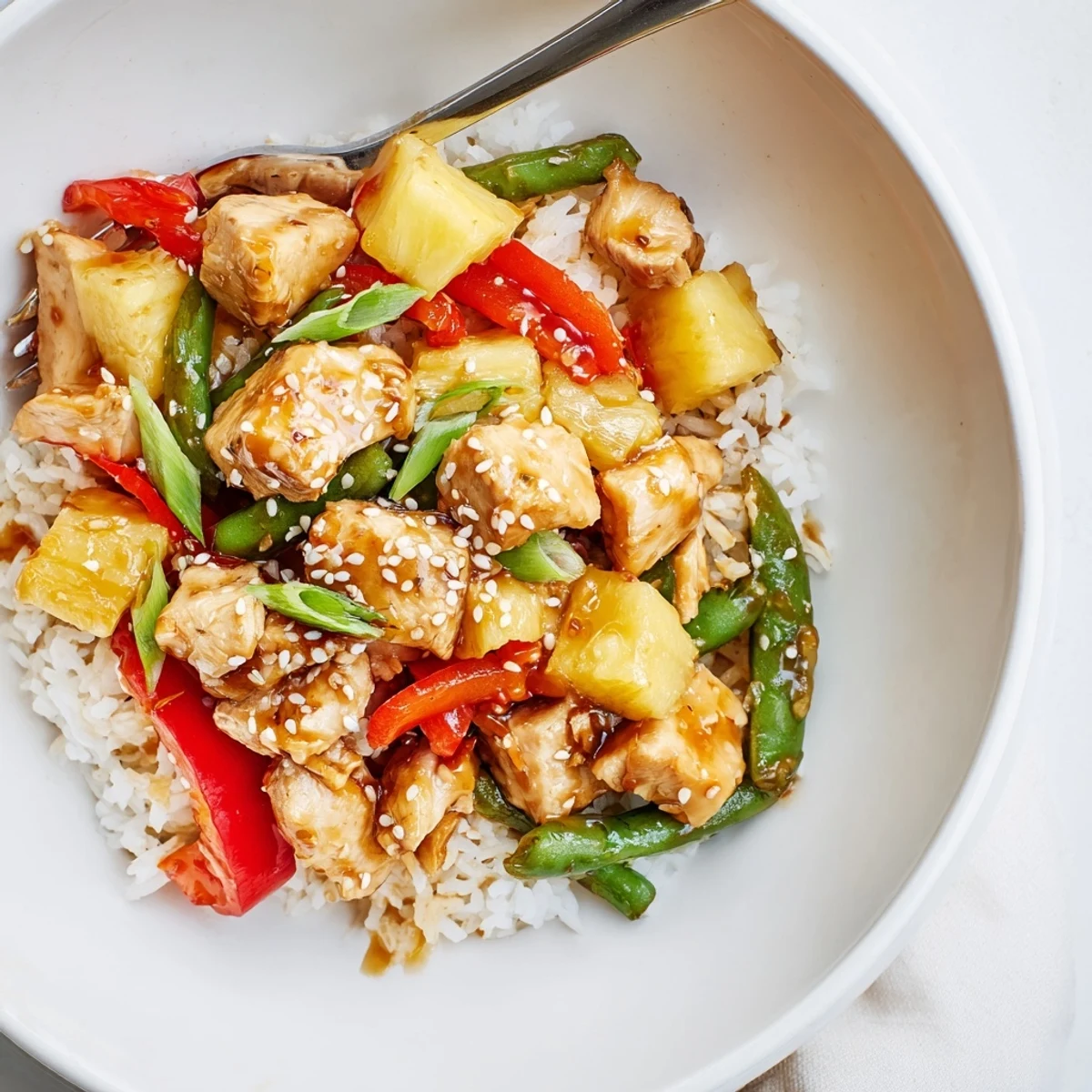
 Keep a crisp Riesling chilled or a pineapple-spiked sparkling water on hand, serve this in big shallow bowls, and watch it disappear every single time.
Recipe Questions & Answers
- → What type of rice works best?
-
Day-old jasmine or basmati holds up best and gives a separated, slightly chewy texture. If using freshly cooked rice, spread it on a tray to cool and dry slightly before tossing.
- → How do I prevent the sauce from being too thin?
-
Whisk a teaspoon of cornstarch into the sauce mixture and simmer briefly after adding to the pan; it will thicken into a glossy coating. Reduce heat slightly while stirring to avoid burning.
- → Can I make a gluten-free version?
-
Use tamari or a certified gluten-free soy sauce in place of regular soy sauce and check labels on sesame oil and other condiments to ensure they’re gluten-free.
- → How can I add heat to the dish?
-
Stir in sliced fresh chili, a pinch of chili flakes with the garlic, or a dash of Sriracha to the sauce. Add gradually and taste as you go to reach the desired spice level.
- → What are good protein swaps?
-
Firm tofu cut into cubes works well for a vegetarian option; shrimp or pork strips are also delicious. Adjust cooking times to avoid overcooking each protein.
- → How should leftovers be stored and reheated?
-
Cool quickly and refrigerate in an airtight container for up to 3 days. Reheat gently in a skillet over medium heat with a splash of water or extra pineapple juice to revive the sauce.