
 Save Pin
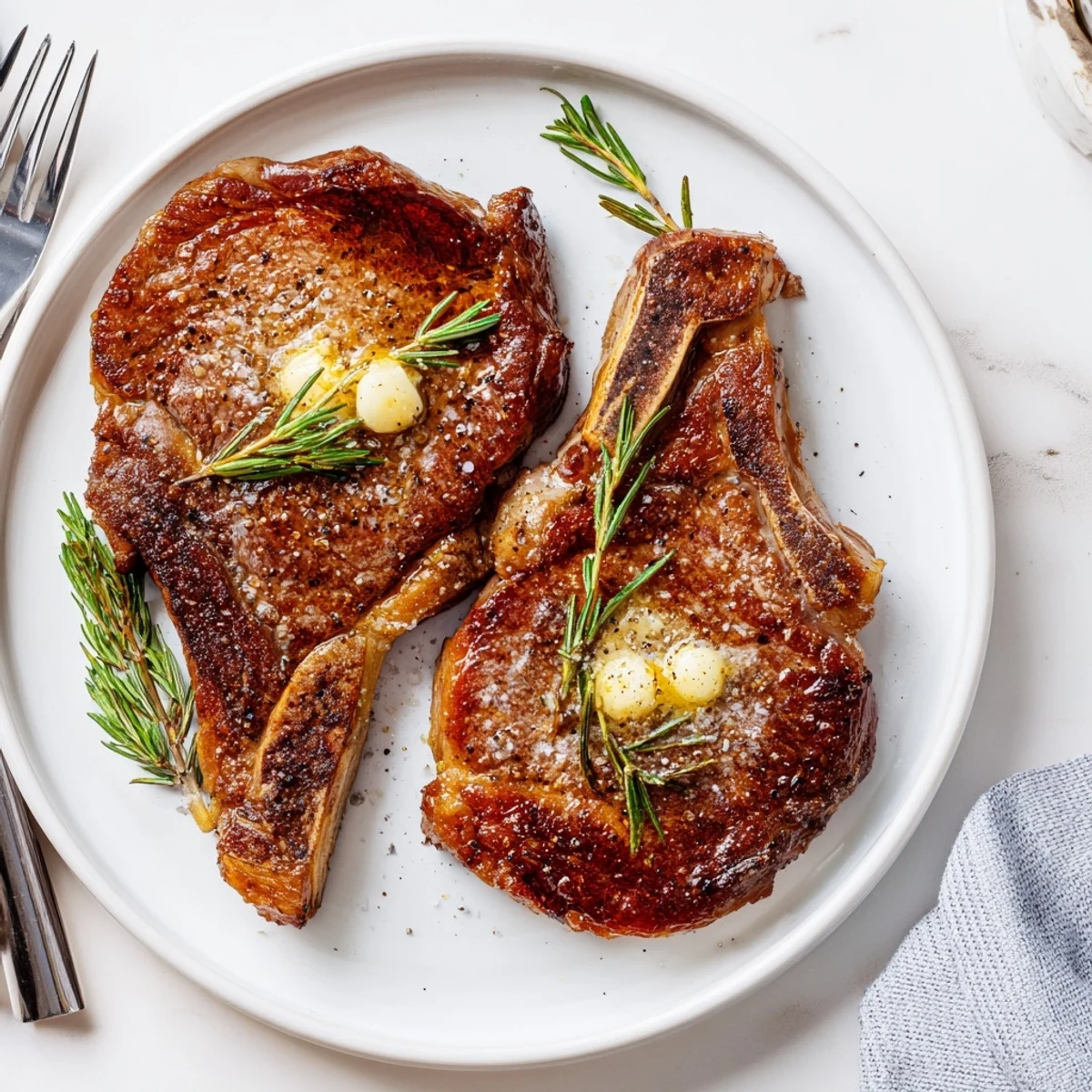
 This method delivers restaurant-quality results at home. The key is starting with room temperature steaks, achieving proper searing temperature, and the continuous basting technique with aromatics. The high-heat cast iron creates that signature caramelized exterior while keeping the interior perfectly juicy. Resting ensures maximum tenderness and juice retention.
The smell of a searing ribeye still pulls me back to my first apartment kitchen, where I learned that patience and high heat can transform a piece of beef into something restaurant-worthy. My roommate leaned against the doorframe, arms crossed, watching me nervously hover over the pan while butter hissed and popped.
We cut into those steaks too early, juices running everywhere, but one bite erased every mistake. That night turned into Sunday steak tradition, sometimes with friends, sometimes just for myself when I needed something undeniably good.
Ingredients
- Ribeye steaks: Room temperature is non-negotiable here, cold meat seizes up and cooks unevenly
- Kosher salt and black pepper: Be generous, this creates the flavorful crust were after
- Unsalted butter: We control the salt ourselves, plus it melts cleaner than salted
- Garlic cloves: Smashed, not minced, so they infuse the butter without burning
- Fresh thyme and rosemary: Woody herbs hold up better than delicate ones in high heat
- High-heat oil: Canola or avocado oil can take the temperature without smoking
Instructions
- Prep the steaks:
- Pat them completely dry with paper towels, then season generously on both sides with salt and pepper
- Get the pan ripping hot:
- Heat your cast iron over high heat for about 2 minutes until its visibly hot, then add the oil and swirl it around
- Sear without touching:
- Lay the steaks in the pan and leave them alone for 3 to 4 minutes until a deep golden crust forms
- Flip and add the aromatics:
- Turn the steaks over, toss in the butter, garlic, thyme, and rosemary
- Baste like a chef:
- Tilt the pan and spoon that melting, garlic scented butter over the steaks for 2 to 3 minutes until they hit 125 degrees for rare
- Rest before slicing:
- Let the meat rest on a cutting board for 5 minutes so the juices redistribute throughout
 Save Pin
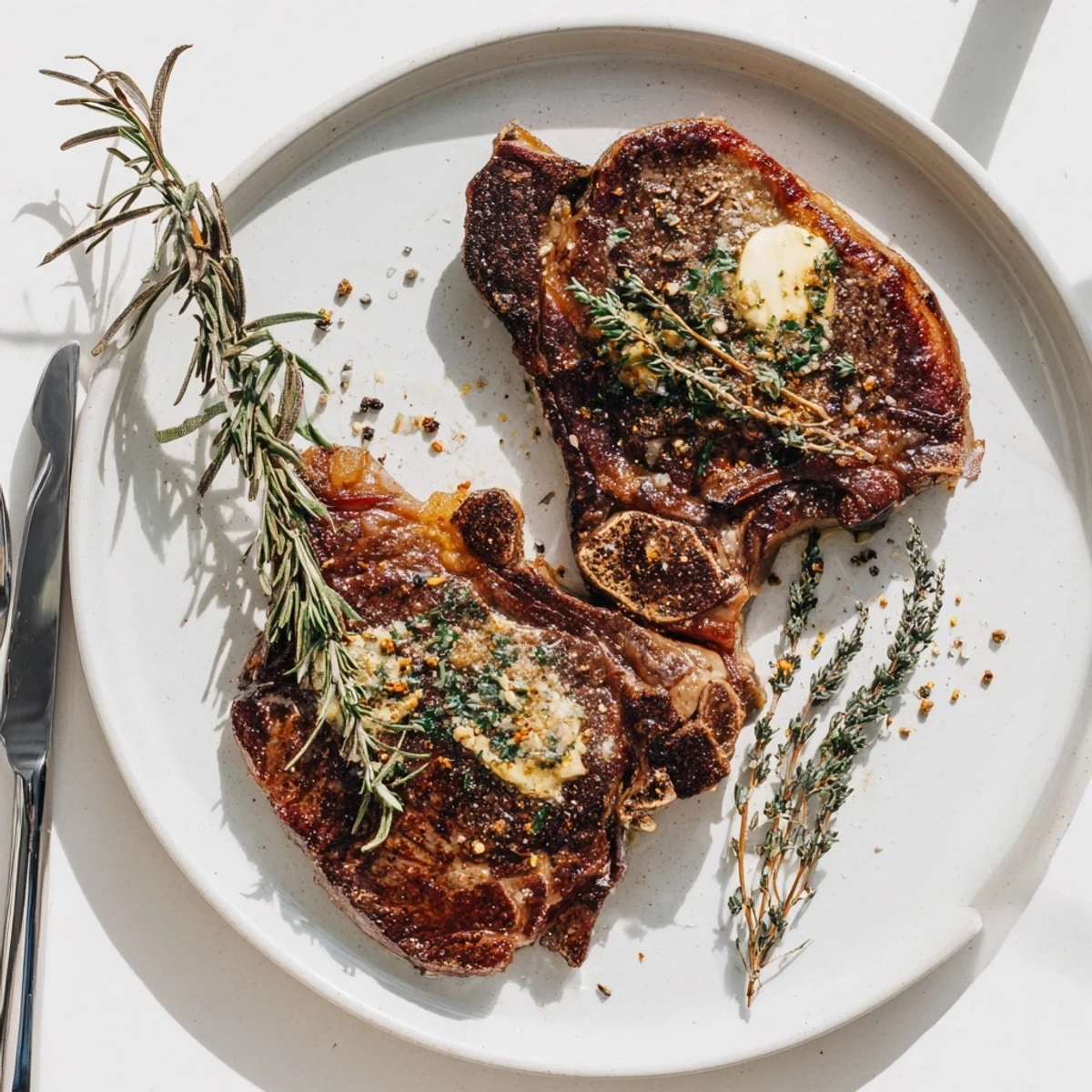
 Last winter I made these for my parents, who usually prefer their steaks well done, but they tried them medium rare and actually enjoyed it. Sometimes the food changes the people, not the other way around.
Getting That Restaurant Crust
The secret is moisture control and heat management. Any water on the surface steams the meat instead of searing it, and moving the steak too early tears off the forming crust.
Temperature Guide
I use an instant read thermometer because guessing leads to overcooked steak. 125 degrees gives you rare, 135 is medium rare, and anything past 140 starts losing that juicy texture.
Serving Ideas
A ribeye stands on its own, but the right sides make it a meal. Roasted vegetables cut through the richness, and a crisp salad lightens everything up.
- Mashed potatoes soak up that garlic butter beautifully
- A bold red wine like Cabernet pairs perfectly
- Flaky sea salt right before serving adds texture
 Save Pin
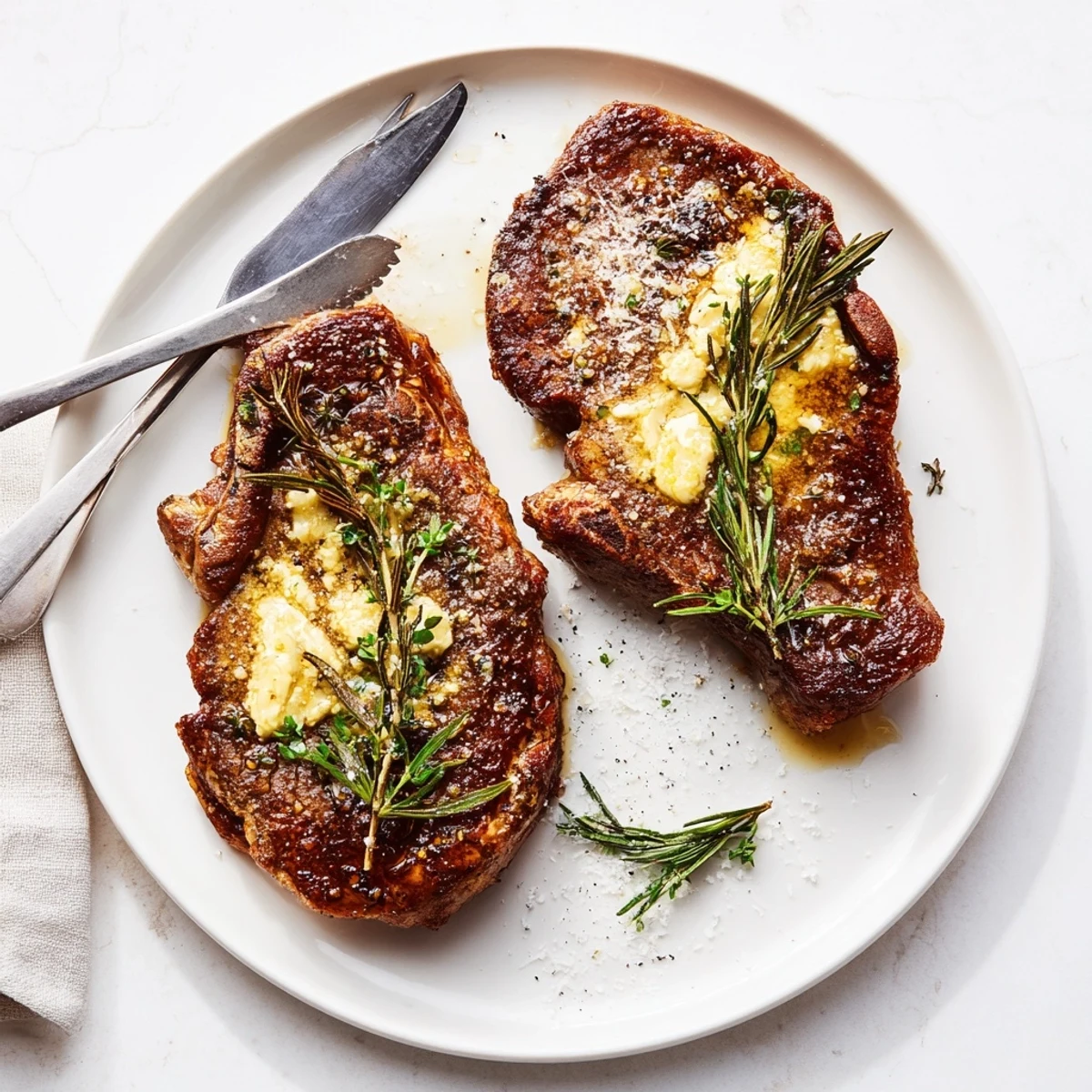
 Theres something deeply satisfying about cooking a steak perfectly at home. It feels like a small victory every single time.
Recipe Questions & Answers
- → How do I know when my steak is done?
-
Use an instant-read thermometer for accuracy. Rare registers 125°F, medium-rare reaches 135°F, and medium hits 145°F. The touch test also works—rare feels soft like your cheek, medium-rare has slight resistance like your chin.
- → Why must the steak rest before serving?
-
Resting allows the internal juices to redistribute throughout the meat. Cutting immediately releases all those flavorful juices onto your plate, leaving the steak dry. Five minutes ensures maximum tenderness.
- → Can I use other cuts of meat?
-
While ribeye offers ideal marbling and flavor, this method works beautifully for New York strip, sirloin, or filet mignon. Adjust cooking times slightly based on thickness—thinner cuts cook faster than thicker ones.
- → What if I don't have a cast iron skillet?
-
A heavy stainless steel pan performs well, though cast iron retains heat best for consistent searing. Avoid non-stick as it can't handle the high temperatures needed for proper crust formation.
- → How do I get the best caramelized crust?
-
Pat the meat completely dry before seasoning, ensure your pan is thoroughly hot, and don't move the steaks during the initial sear. This contact time creates the golden-brown crust.
- → Can I prepare this ahead of time?
-
For best results, cook just before serving. However, you can season the steaks up to 24 hours in advance and refrigerate, bringing them to room temperature before cooking.