
 Save Pin
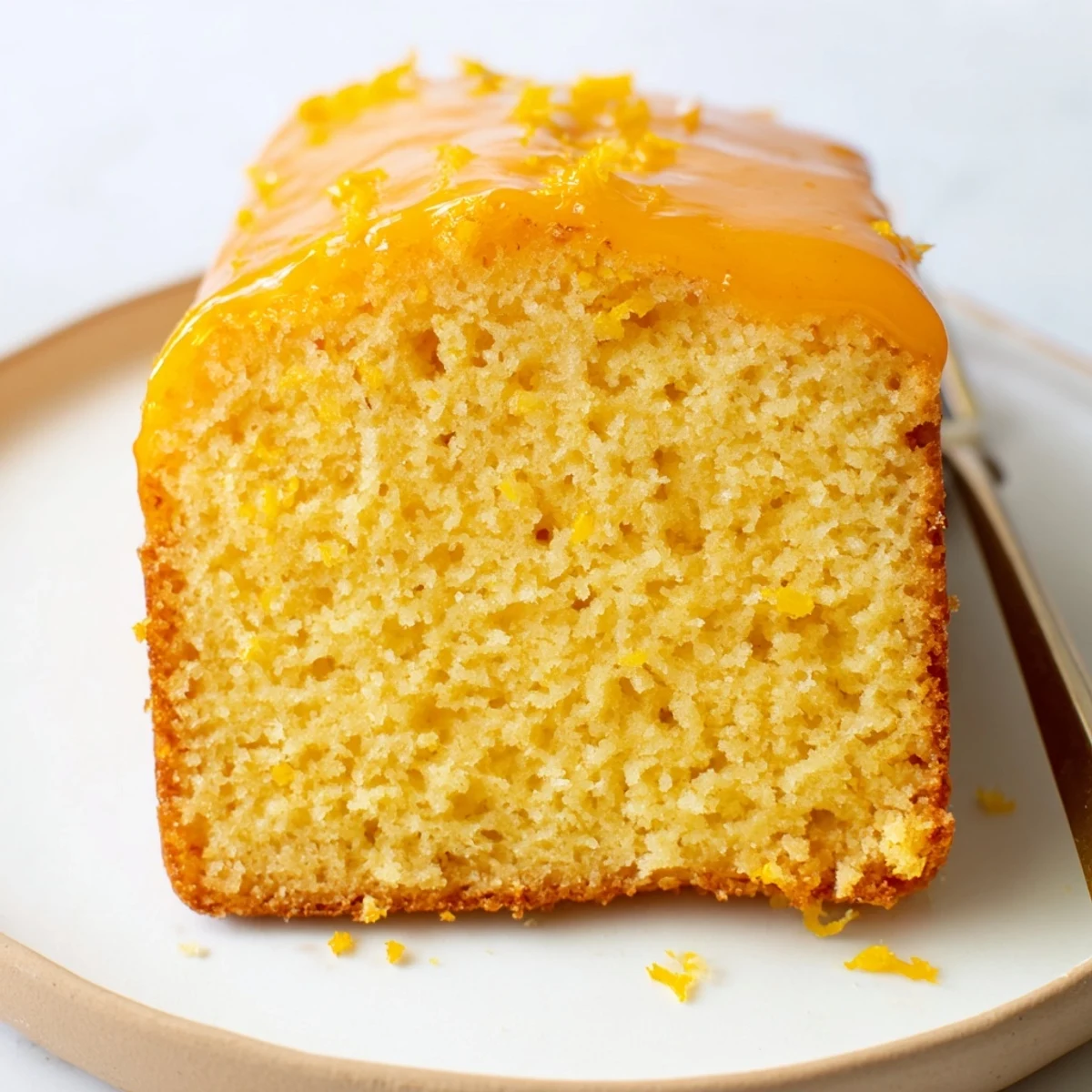
 This orange-flavored quick bread offers a moist and tender crumb with bright citrus notes from fresh orange juice and zest. Mixed with simple pantry staples, it bakes into a golden loaf that pairs beautifully with tea or coffee. Optional additions like nuts or chocolate chips add texture and flavor, while the gentle rise from baking powder and soda ensures a soft, crumbly bite. Perfect to enjoy warm or at room temperature, this loaf suits morning or afternoon moments with ease.
I still remember the morning my grandmother pulled a golden orange bread from her kitchen oven, and the aroma was so intoxicating that my siblings and I abandoned Saturday morning cartoons to gather in the kitchen. She'd learned this recipe from a neighbor years ago, and it became the unofficial smell of our weekend mornings. The citrus brightness felt like sunshine on a plate, and somehow, a simple quick bread became a memory marker—the taste of lazy mornings and quiet conversations over warm slices.
I made this bread for my college roommate on her first really difficult day away from home, and watching her face light up with that first bite reminded me that sometimes comfort food isn't about perfection—it's about saying 'I'm thinking of you' without words. That loaf became a tradition, and now whenever I bake it, I think of that dorm room and how food can be a quiet act of love.
Ingredients
- All-Purpose Flour (2 cups): The foundation of your bread—don't sift it unless you want to get fussy, but spoon and level for accuracy so you don't end up with a dense loaf
- Granulated Sugar (1 cup): This sweetens the bread and helps create that tender, moist crumb you're after. White sugar gives you a clean canvas for the orange to shine
- Baking Powder (1½ tsp): The leavening agent that gives this quick bread its gentle rise and fluffy texture
- Baking Soda (½ tsp): It reacts with the acidic orange juice to create lift and ensure even browning
- Salt (½ tsp): A small amount that you'll barely taste but that makes everything else taste more like itself
- Large Eggs (2): Your binder—these hold the bread together and add richness. Room temperature eggs mix more smoothly, so pull them out while you're prepping
- Vegetable Oil (½ cup): This keeps the bread moist and tender for days. Oil does this better than butter in quick breads because it distributes more evenly
- Freshly Squeezed Orange Juice (½ cup): This is where the magic lives—bottled juice works in a pinch, but fresh-squeezed gives you a brightness that tastes like you actually cared. Squeeze it yourself and you'll taste the difference
- Milk (¼ cup): Adds moisture and a touch of richness. Any kind works, but whole milk creates the most tender crumb
- Orange Zest (2 tbsp): Use a microplane or the smallest holes on your grater—this is where concentrated flavor happens. Zest before you juice, and don't dig into the bitter white pith
- Vanilla Extract (1 tsp): A quiet flavor note that deepens and rounds out the orange without announcing itself
- Walnuts or Pecans (½ cup, optional): If you add them, toast them lightly first for deeper flavor—and chop them small so they distribute throughout instead of sinking
- Mini Chocolate Chips (½ cup, optional): A secret addition that some people swear by. They add little moments of sweetness and won't overpower the orange
Instructions
- Heat Your Oven and Prepare:
- Preheat to 350°F while you gather everything. Grease your loaf pan generously—especially the corners and edges where bread likes to stick—or line it with parchment for zero-stress removal. A cold pan is fine; it'll heat up as the oven comes to temperature.
- Build Your Dry Base:
- In a large bowl, whisk together the flour, sugar, baking powder, baking soda, and salt. Make sure everything is evenly distributed—you're creating the structure that will hold everything together. This only takes a minute, but it matters.
- Mix Your Wet Components:
- In another bowl, crack your eggs and whisk them together first, then add the oil, fresh orange juice, milk, orange zest, and vanilla. Whisk until the mixture is smooth and the zest is evenly scattered throughout. You'll see tiny orange speckles—that's exactly right.
- Bring It Together Gently:
- Pour the wet mixture into the dry ingredients and stir with a spatula or wooden spoon, just until the flour disappears. Stop as soon as you don't see white streaks anymore. This is the moment where patience pays off—overmixing develops gluten and creates a tough, dense bread instead of the tender crumb you want.
- Add Optional Treasures:
- If you're using walnuts, pecans, or chocolate chips, fold them in now with just a few gentle strokes. Let them settle where they want to—don't force even distribution.
- Into the Pan and Into the Oven:
- Pour the batter into your prepared loaf pan and smooth the top with the back of a spatula or an offset knife. It should be even and level. Slide it into the oven and set your timer for 45 minutes.
- The Golden Moment:
- Around 45 minutes, the top should be golden brown and spring back slightly when you touch it. Insert a toothpick in the very center—it should come out clean or with just a crumb or two. If it comes out wet, bake for another 5 minutes and test again. Some ovens run warm or cool, so use your eyes as much as your timer.
- Cool with Intention:
- Let the bread rest in the pan for 10 minutes—this is crucial because it sets the structure so it won't fall apart when you turn it out. Then invert it onto a wire rack to cool completely. Yes, completely. Slicing into a warm loaf tastes incredible but looks like a crumbled mess.
 Save Pin
 My neighbor once told me that baking orange bread was her way of marking the seasons—she'd make it in winter when fresh citrus was at its peak, and somehow, sharing a warm slice with someone felt like sharing bottled summer. I understood exactly what she meant the first time someone knocked on my door because they could smell my oven from their car.
Elevating Your Orange Bread
Once your bread is completely cool, you can take it one step further. Mix together ½ cup powdered sugar with 1 to 2 tablespoons of fresh orange juice until you have a thin, pourable glaze. Drizzle it over the top of your loaf in loose, intentional strokes—this isn't about perfection, it's about adding a hint of gloss and extra citrus flavor. The glaze soaks into the bread slightly and creates a subtle sweetness that makes people reach for a second slice.
Storage and Keeping
This bread actually improves after a day. Wrap it well in plastic wrap or store it in an airtight container at room temperature, and it will stay moist and delicious for up to five days. If you want to keep it longer, slice it, wrap the slices individually in plastic wrap, and freeze for up to three months. Toast a frozen slice and it tastes almost as good as the day you baked it—perfect for those mornings when you need something warm and citrusy but didn't plan ahead.
Variations and Flavor Combinations
This bread is a canvas, and once you understand the basic formula, you can play. Some people add a touch of cardamom for warmth, others swap half the orange juice for lemon juice for brightness, and I once made it with Earl Grey tea steeped into the milk for an unexpected afternoon tea moment. If you want to make it dairy-free, almond milk or oat milk works beautifully in place of regular milk. The nuts and chocolate chips are completely optional, but if you add them, consider toasting the nuts first to deepen their flavor—and if you go the chocolate route, dark chocolate chips pair surprisingly well with the orange, creating this sophisticated bitter-sweet moment.
- For a spiced version, add ½ teaspoon of ground cardamom or cinnamon to your dry ingredients
- Pair a slice with Earl Grey tea or a simple cappuccino for the perfect moment
- Serve warm with a light smear of cream cheese frosting if you want to make it feel fancy
 Save Pin
 There's something about orange bread that feels both simple and special at the same time. It's the kind of recipe that becomes a quiet ritual, pulled together on mornings when you want something warm and citrus-bright waiting on the counter.
Recipe Questions & Answers
- → How can I enhance the orange flavor?
-
Adding a drizzle of orange glaze made from powdered sugar and fresh orange juice intensifies the citrus aroma and taste.
- → What substitutions can I use for milk?
-
Almond milk or oat milk can be used as dairy-free alternatives without altering the texture significantly.
- → Can I add nuts or chocolate chips?
-
Yes, folding in chopped walnuts, pecans, or mini chocolate chips before baking adds extra texture and flavor options.
- → How do I know when the bread is fully baked?
-
Insert a toothpick into the loaf center; when it comes out clean or with a few moist crumbs, the bread is done.
- → What tools are recommended for preparation?
-
Essential tools include a 9x5-inch loaf pan, mixing bowls, a whisk, measuring cups and spoons, a zester, and a wire rack for cooling.