
 Save Pin
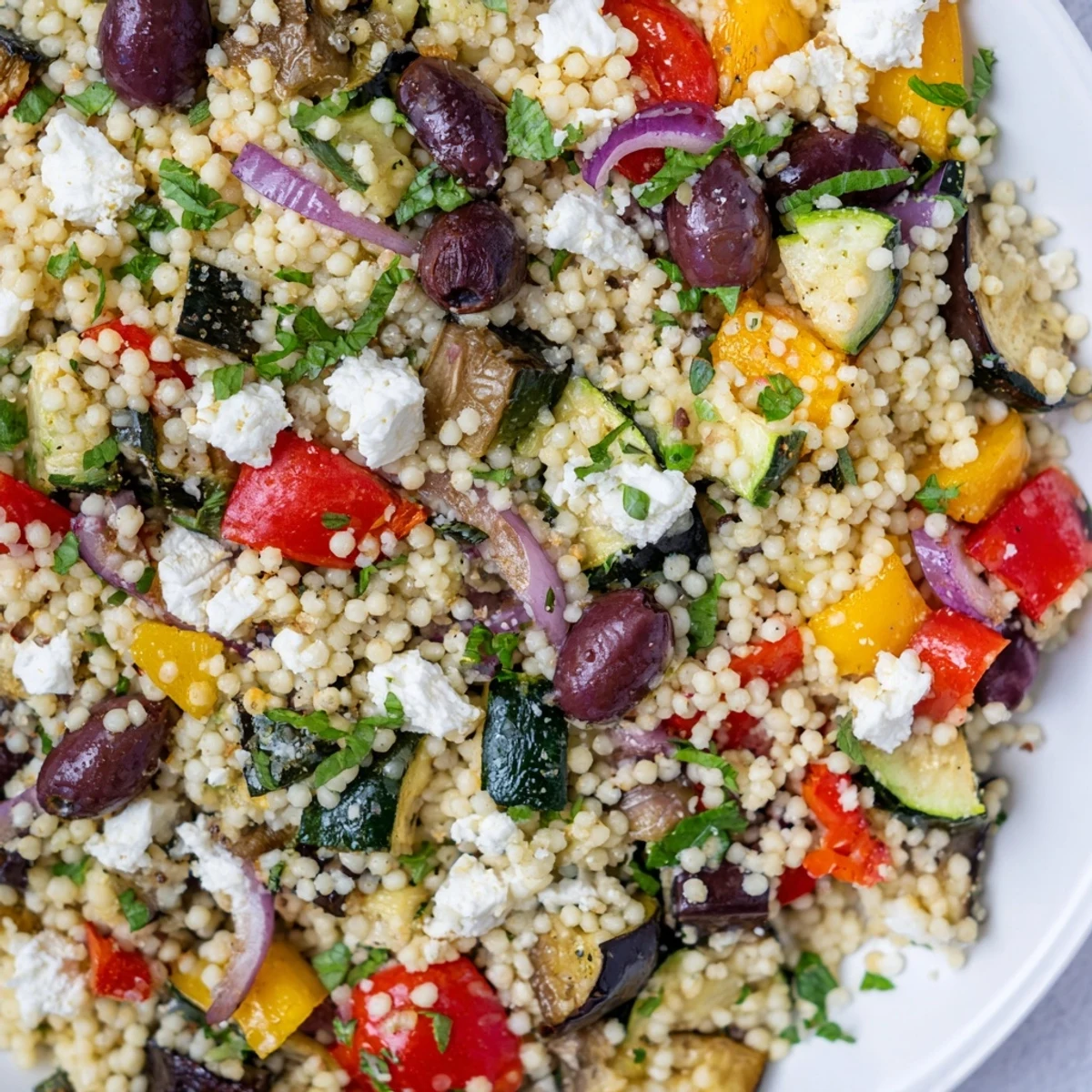
 This vibrant Mediterranean dish brings together fluffy couscous and a colorful mix of roasted vegetables like zucchini, bell peppers, eggplant, and red onion. Tossed with fresh herbs such as parsley, basil, and optional mint, it’s enhanced by cherry tomatoes, Kalamata olives, and crumbled feta cheese. A zesty lemon and garlic dressing completes the harmony of flavors, offering a refreshing and light option perfect for lunch or as a side dish.
Vegetarian-friendly and quick to prepare, it balances textures and tastes with a simple roasting method that brings out the natural sweetness of the vegetables. Serve chilled or at room temperature for a satisfying and wholesome experience.
Summer came early the year I discovered that couscous didn't have to be a side dish—it could be the whole story. I was standing in my kitchen with a bag of couscous, some vegetables that needed using, and an afternoon that felt too warm for cooking. The idea of roasting everything, letting the oven do the work while I stayed cool, felt like a small rebellion against the heat. What emerged was something that tasted like a Mediterranean vacation in a bowl.
I made this for a potluck once, not sure if anyone would touch it, and somehow it was the first thing gone. Someone asked for the recipe while they were still eating, which is when I knew I'd stumbled onto something good. Now it's the dish I reach for when I want to feed people something that feels thoughtful without looking like I spent hours in the kitchen.
Ingredients
- Zucchini: One medium zucchini, diced into roughly half-inch pieces so it roasts evenly and develops soft edges.
- Red and yellow bell peppers: The colors matter here—they're not just pretty, they bring different sweetness levels that balance each other out.
- Red onion: Small, chopped, it caramelizes just enough to taste mellow and sweet when roasted.
- Eggplant: Small and diced, it becomes almost creamy when roasted and soaks up the olive oil beautifully.
- Olive oil for roasting: Two tablespoons is enough to coat everything lightly without making the vegetables greasy.
- Sea salt and pepper: These bring out the vegetable flavors rather than hiding them.
- Couscous: One cup of the regular kind, which fluffs into something light and cloud-like when you add hot broth.
- Vegetable broth: One and a quarter cups boiling—the heat matters because it needs to fully hydrate the couscous quickly.
- Olive oil for couscous: Just one tablespoon, stirred in while the couscous is still absorbing the broth.
- Cherry tomatoes: Halved, they stay bright and sweet without cooking down to nothing.
- Kalamata olives: Pitted and sliced, they give you that briny, salty punch that makes everything taste intentional.
- Feta cheese: Crumbled, it adds a creamy, tangy note that feels essential.
- Fresh parsley and basil: Chopped right before serving so they stay vibrant and don't turn dark.
- Fresh mint: Optional, but it adds a cooling brightness that makes the whole dish feel fresh.
- Extra virgin olive oil for dressing: Three tablespoons of the good stuff you actually enjoy tasting.
- Lemon juice: Fresh from a large lemon, it's the backbone of the dressing and keeps everything tasting alive.
- Garlic clove: Minced small, it dissolves into the dressing rather than overpowering it.
- Dried oregano: Half a teaspoon is enough to suggest the Mediterranean without taking over.
Instructions
- Get your oven ready:
- Heat it to 425°F—this temperature gives you roasted vegetables with slightly caramelized edges in about 20 minutes.
- Prep and toss the vegetables:
- Dice everything into roughly half-inch pieces, spread them on a baking sheet, drizzle with olive oil, season generously, and toss until everything glistens. The oil is what lets them brown, so don't skip it.
- Let them roast:
- Put them in the oven and set a timer for about 10 minutes, then give them a stir so they brown evenly. They'll be done when the edges are lightly browned and the centers are soft—you should smell the caramelization happening.
- Prepare the couscous while vegetables roast:
- Pour the couscous into a large bowl, add the boiling broth and a tablespoon of olive oil, then cover tightly and walk away. The heat does all the work in those five minutes.
- Fluff it up:
- After five minutes, remove the cover and use a fork to gently separate the grains—this keeps it light and fluffy instead of clumpy.
- Make the dressing:
- Whisk together the extra virgin olive oil, fresh lemon juice, minced garlic, oregano, salt, and pepper in a small bowl. Taste it straight—it should taste bright and lemony, not muted.
- Bring it all together:
- Add the cooled roasted vegetables to the couscous along with the tomatoes, olives, feta, and fresh herbs, then pour the dressing over everything. Toss gently so the feta doesn't break apart too much, but make sure the dressing reaches every corner.
- Taste and adjust:
- This is important—taste a bite and decide if it needs more salt, lemon, or oregano. Sometimes the vegetables release water and dilute the flavors slightly.
- Serve however you like:
- It's delicious at room temperature right after you make it, or you can chill it and serve it cold. Both versions taste different and equally good.
 Save Pin
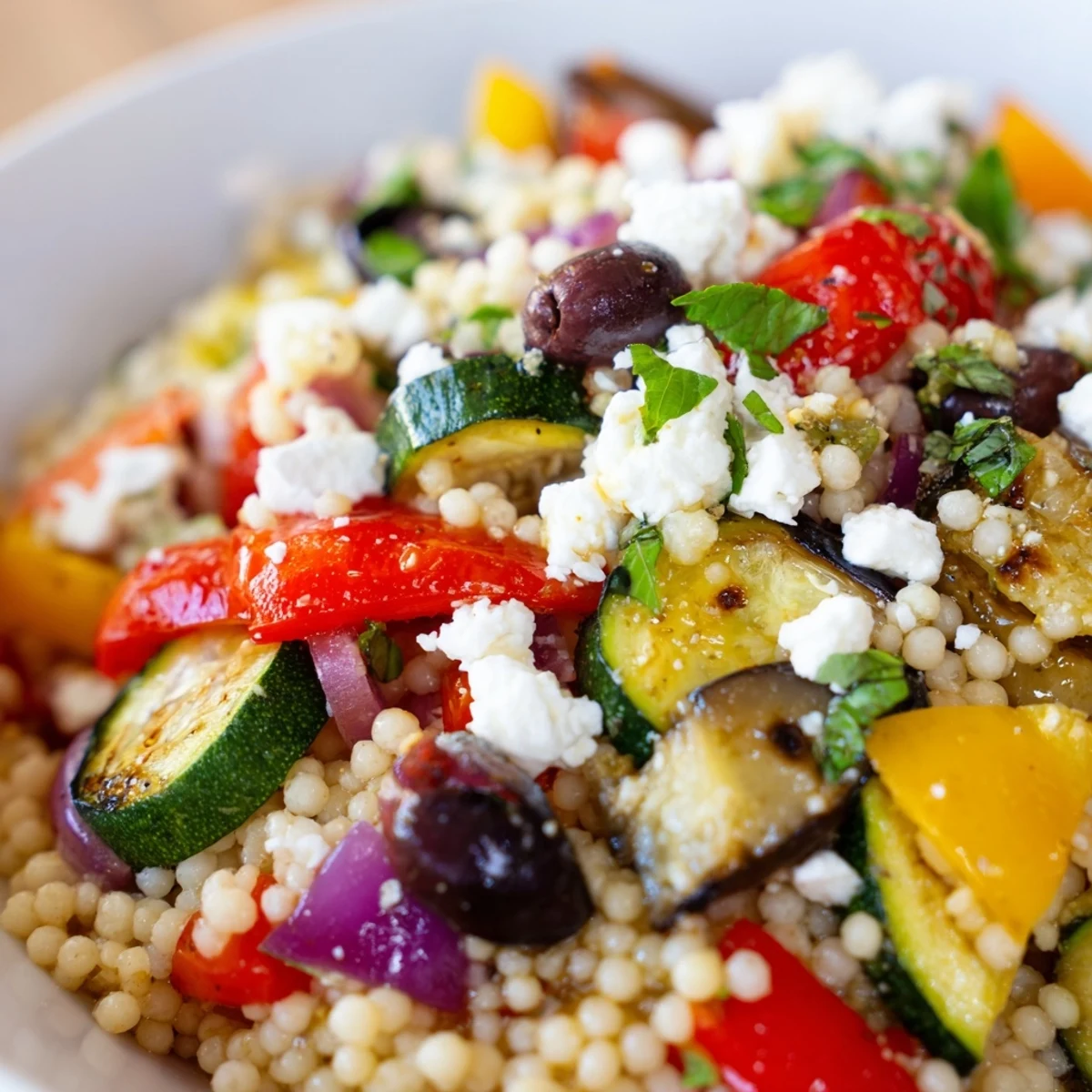
 There's a moment when you pull those vegetables from the oven and the smell hits you—that's when you know this simple salad is about to become something special. It's one of those dishes that reminds you that sometimes the best meals are just good ingredients treated gently.
Why Room Temperature Works Better Than Cold
The first time I chilled this salad, I lost something essential—the flavors seemed muted, the textures less interesting. Room temperature lets you taste everything clearly: the sweetness of the roasted vegetables, the brightness of the lemon, the saltiness of the olives and feta all coming through at once. It's also more forgiving if you've dressed it ahead of time, because the warmth keeps the couscous fluffy instead of letting it absorb too much dressing and get dense. If your kitchen is hot, you can serve it cool and the salad will come alive again after sitting out for five minutes.
Making It Your Own
This recipe is more of a template than a strict formula, which is why it works so well as a base for whatever you have around. I've made versions with grilled chicken, others where I've thrown in chickpeas for protein, and once I swapped the couscous for quinoa because that's what needed using. The vegetables can shift with the season—roasted butternut squash in fall, asparagus and peas in spring—and the dressing stays steady enough that everything still tastes coherent. The fresh herbs are what anchor it to Mediterranean territory, so those are worth keeping, but almost everything else is negotiable.
Pairing and Storage
This salad pairs beautifully with something crisp and light—a Sauvignon Blanc or even a cold beer feels right alongside it. It keeps well in the refrigerator for three days, though it tastes best within the first two before the couscous starts absorbing moisture and getting softer. If you're bringing it somewhere, pack the dressing separately and dress it just before serving so it stays fresh-tasting.
- Keep any dressing you don't use on vegetables in a separate container—it works on other salads or grilled bread for days.
- If you're making this vegan, cashew cream crumbled over the top gives you the creamy, salty richness that feta provides.
- Leftover roasted vegetables are amazing eaten cold straight from the container as a snack, so you might want to roast extra.
 Save Pin
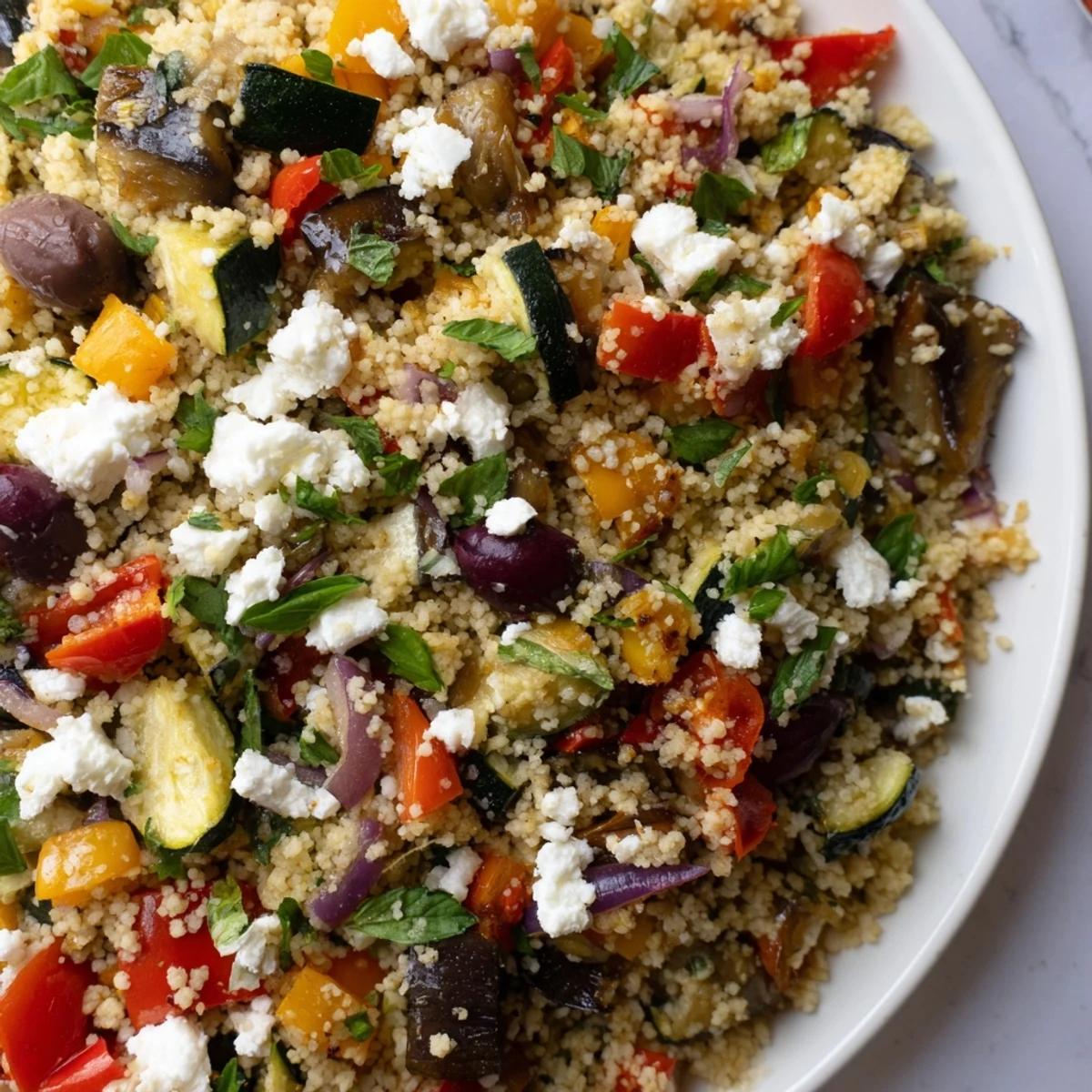
 This is the kind of salad that makes you feel taken care of without anyone having to fuss in the kitchen, and that's its real magic. Make it once and you'll find yourself reaching for it whenever you want to eat something that tastes like summer.
Recipe Questions & Answers
- → How do I roast the vegetables perfectly?
-
Roast diced zucchini, bell peppers, eggplant, and red onion at 425°F (220°C) for 20-25 minutes, stirring halfway through until tender and lightly browned.
- → Can I substitute the couscous with something else?
-
You can replace couscous with quinoa or gluten-free grains to suit dietary preferences or restrictions.
- → What herbs work best in this dish?
-
Fresh parsley, basil, and mint (optional) add vibrant flavor and complement the roasted vegetables beautifully.
- → Is this dish served warm or cold?
-
This salad can be enjoyed at room temperature or chilled according to your preference.
- → How can I add protein to this meal?
-
Consider adding grilled chicken or chickpeas to boost protein content while maintaining the fresh flavor balance.