
 Save Pin
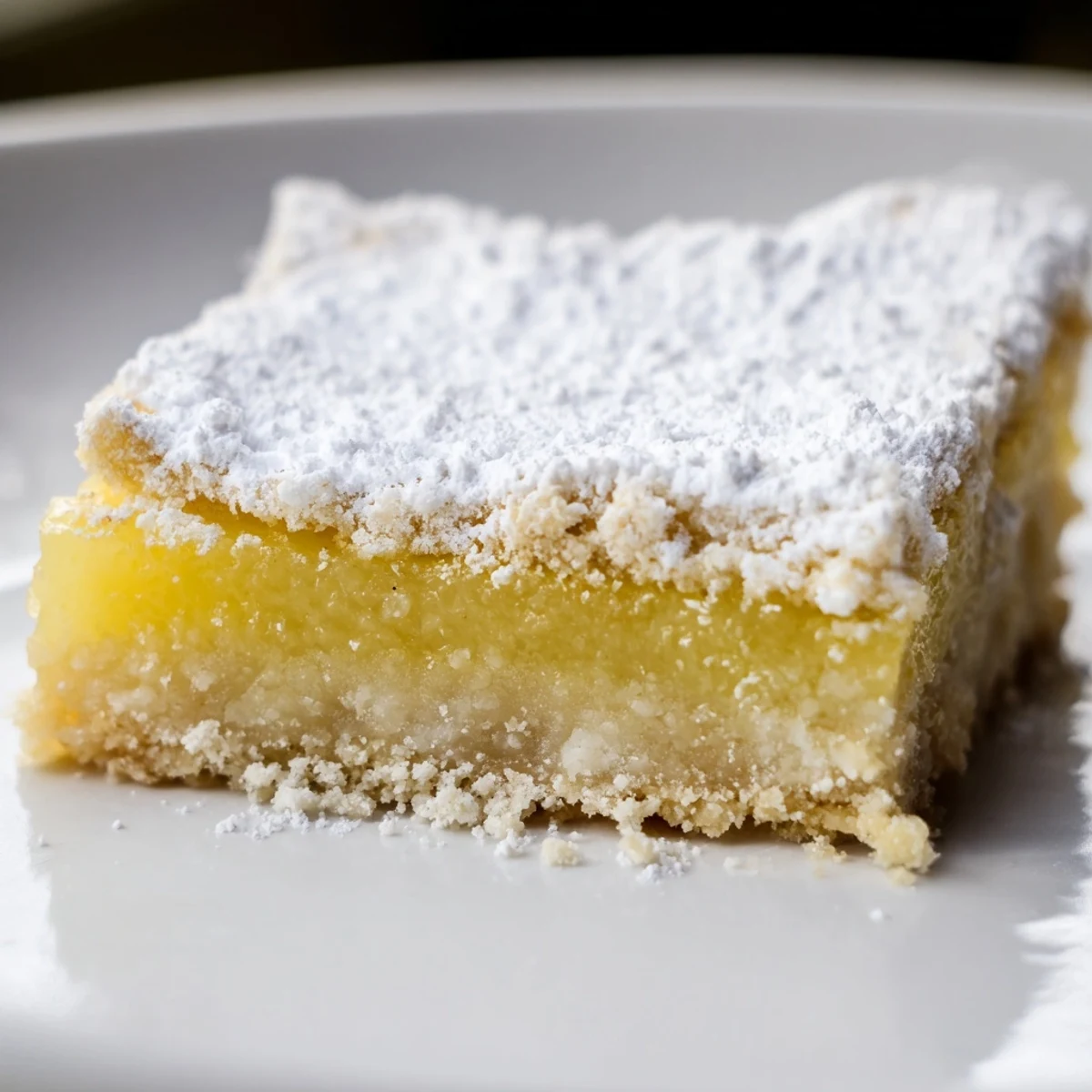
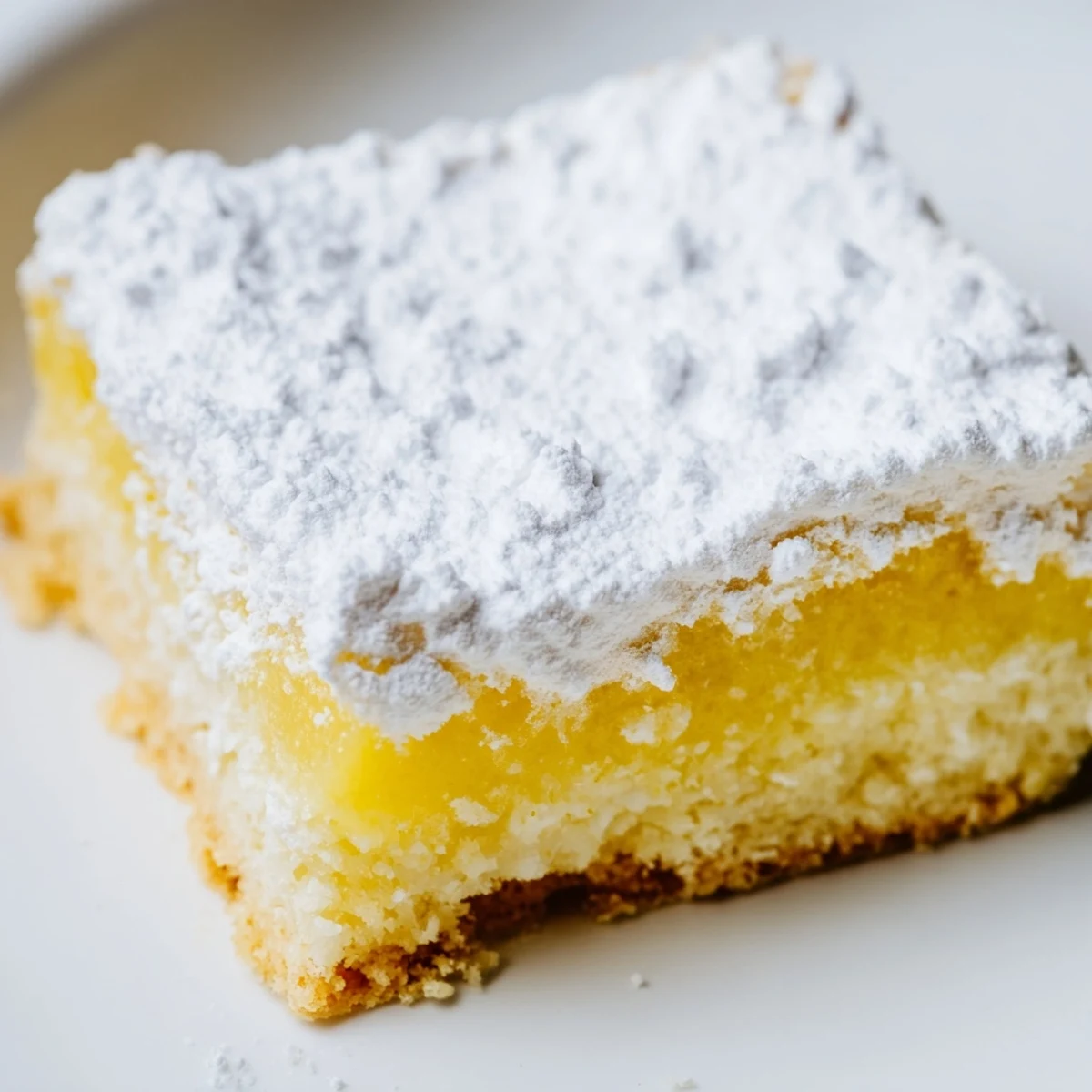
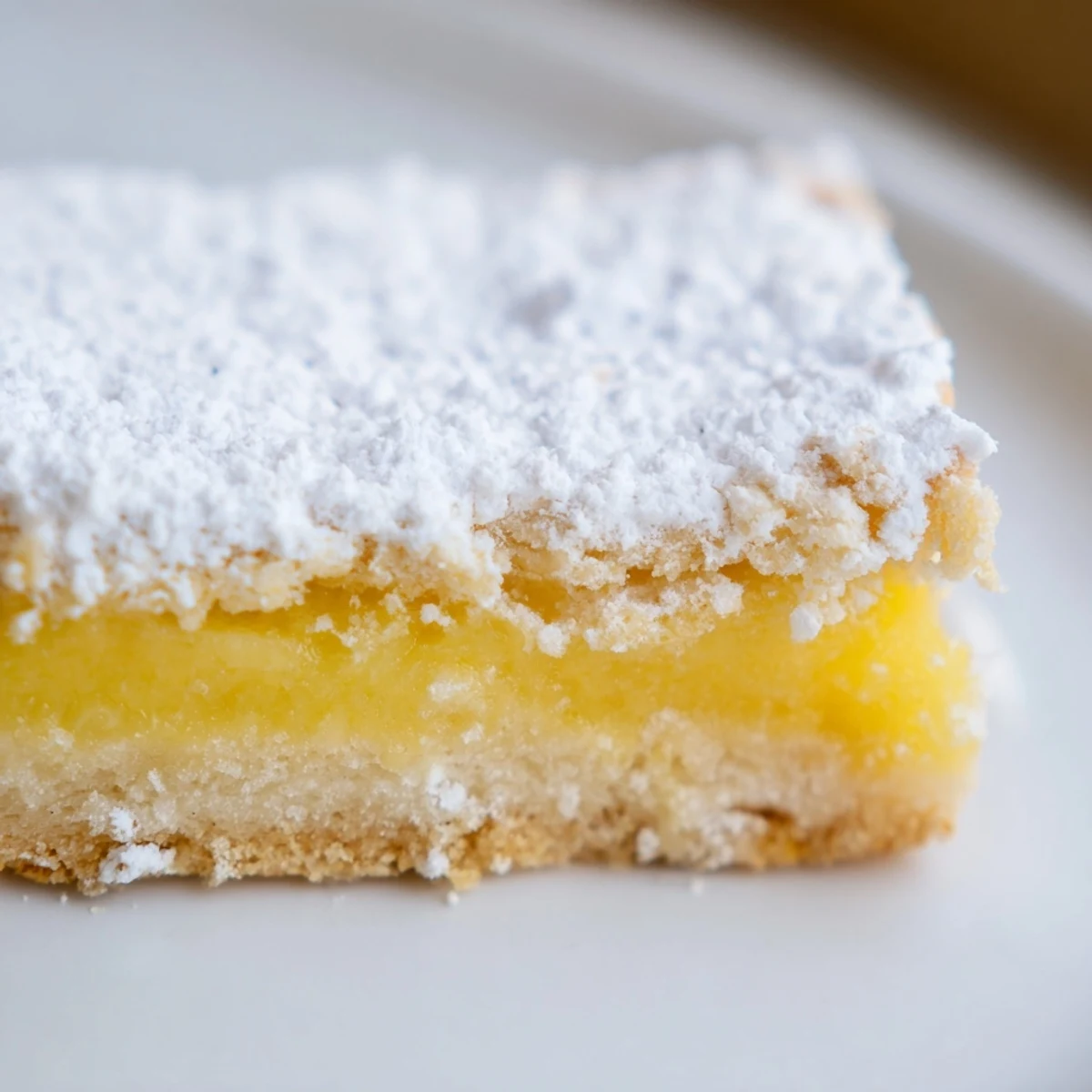
 This lemon slice offers a crisp and tangy base made from flour, butter, and sugar, topped with a smooth lemon filling bursting with fresh lemon juice and zest. Baked to golden perfection, it pairs beautifully with a hot cup of black tea, enhanced by subtle sweetness from honey or sugar. Ideal for a light dessert or snack, this treat brings refreshing citrus notes alongside the robust flavor of tea for balance and comfort.
There's something about the smell of lemon zest filling a kitchen that stops you mid-thought. I discovered this combination almost by accident one grey afternoon when I had both a craving for something bright and a kettle already whistling. The shortbread base crumbles just enough to hold together, while the filling sets into this silky, tangy layer that makes each bite feel intentional. That first pairing of warm tea with a still-warm bar changed how I think about afternoon treats.
I made these for a friend who'd been having a rough week, and watching her face soften at that first taste reminded me why simple food matters. She came back specifically for the recipe, which is the highest compliment I know. Now whenever anyone visits on a quiet afternoon, I have bars cooling on the rack and the kettle warming up.
Ingredients
- All-purpose flour (1 cup total): Use the 2 tablespoons in your filling along with 1 cup for the base—it keeps both layers delicate rather than stodgy.
- Unsalted butter, softened (1/2 cup): Cold butter won't cream properly, so let it sit on the counter while you gather everything else.
- Granulated sugar (1 cup total): Split between base and filling; it dissolves differently in each, creating texture rather than sweetness.
- Eggs (2 large): Room temperature eggs whisk into a lighter custard, which is why the filling stays silky.
- Freshly squeezed lemon juice (1/4 cup): Bottled tastes flat by comparison; the fresh juice brightens the whole dish.
- Lemon zest (from 1 lemon): Use a microplane and don't be shy—the oils are where the real lemon flavor lives.
- Black tea bags (4, Earl Grey or English Breakfast): Earl Grey adds a subtle floral note that complements citrus beautifully.
- Hot water (4 cups): Use water just off the boil so the tea steeps properly without becoming bitter.
- Powdered sugar (for dusting): A light dusting looks beautiful and adds a touch of sweetness, though it's entirely optional.
Instructions
- Set your oven and prepare:
- Preheat to 350°F and line your 8x8-inch pan with parchment paper, leaving a slight overhang so you can lift the whole thing out later. This step takes one minute and saves you from wrestling to cut bars clean.
- Make the shortbread base:
- Combine your flour, softened butter, and 1/4 cup sugar in a bowl and mix until it resembles wet sand—this is the texture you're after. Press it evenly across the pan's bottom, using your fingertips to create a thin, consistent layer.
- Bake the crust:
- Let it toast for 15 minutes until pale golden at the edges. You're looking for firmness, not color.
- Prepare the lemon filling:
- While the base bakes, whisk together eggs, 3/4 cup sugar, 2 tablespoons flour, lemon juice, and zest in a separate bowl until completely smooth. This mixture should be pale and slightly thickened from the whisking.
- Layer and bake again:
- Pour the lemon mixture over the warm crust and bake for exactly 15 minutes. The filling should be just set with a slight jiggle in the very center—this is the sweet spot between underbaked and dry.
- Cool completely:
- Let the whole pan rest at room temperature for at least two hours before cutting. Patience here makes the difference between bars that hold together and ones that crumble.
- Brew your tea:
- Steep your tea bags in water that's just boiled for 3 to 5 minutes depending on how strong you like it. Sweeten with honey or sugar to taste—the warmth of the tea and the tartness of the bars need that gentle sweetness to balance.
 Save Pin
 There's a moment between pulling these from the oven and cutting into them where your kitchen smells like a proper tea room, and that's when you know you've done something worth repeating. These bars became the thing I make whenever I want an excuse to sit still for an hour with someone I care about.
Why the Pairing Works
Lemon and black tea share a certain brightness that shouldn't work together but somehow does—the tannins in the tea echo the tartness in the bars, and that shared note means they amplify each other rather than compete. The warmth of the cup becomes a counterpoint to the cool tartness on your tongue, creating a rhythm that makes you want to keep going back. It's the reason this combination has endured in tea rooms for decades.
Storage and Keeping
These bars stay fresh for three days covered on the counter, though they often disappear faster than that. You can refrigerate them for up to a week, and they're actually lovely straight from the fridge—the crust becomes more shortbread-like and the filling firms up to almost a lemon curd consistency. They don't freeze particularly well because the crust tends to become sandy, so treat them as something to make fresh and share quickly.
Small Variations Worth Knowing
The beauty of this recipe is that it tolerates gentle experimentation without falling apart. A pinch of ground ginger in the filling adds warmth without announcing itself, cardamom works if you prefer more floral notes, and a tiny bit of almond extract deepens the shortbread layer. If you're brewing tea to serve alongside, Darjeeling's delicate maltiness complements the lemon without fighting it, while a light green tea keeps things even brighter for those who prefer it.
- A sprinkle of fleur de sel on top before baking adds sophistication and a subtle savory note that balances sweetness.
- If your kitchen is warm, work quickly with the shortbread base so the butter doesn't soften too much while mixing.
- These are perfect for meal prep because you can make them two days ahead and they taste better as the flavors settle.
 Save Pin
 These bars ask for nothing fancy from you except a willingness to sit for an hour and pay attention. Make them once and you'll understand why they've remained a quiet favorite in tea rooms and home kitchens for generations.