
 Save Pin
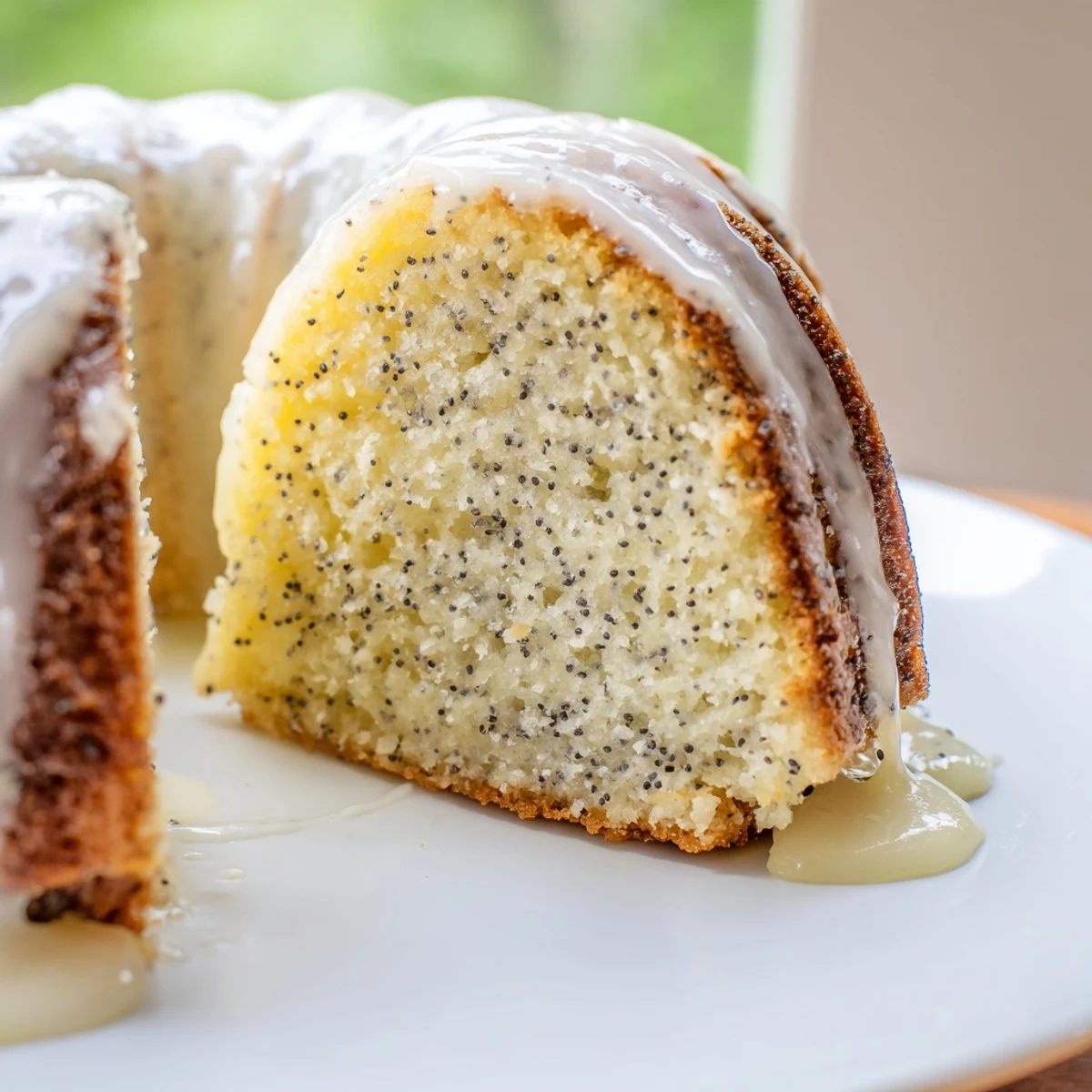
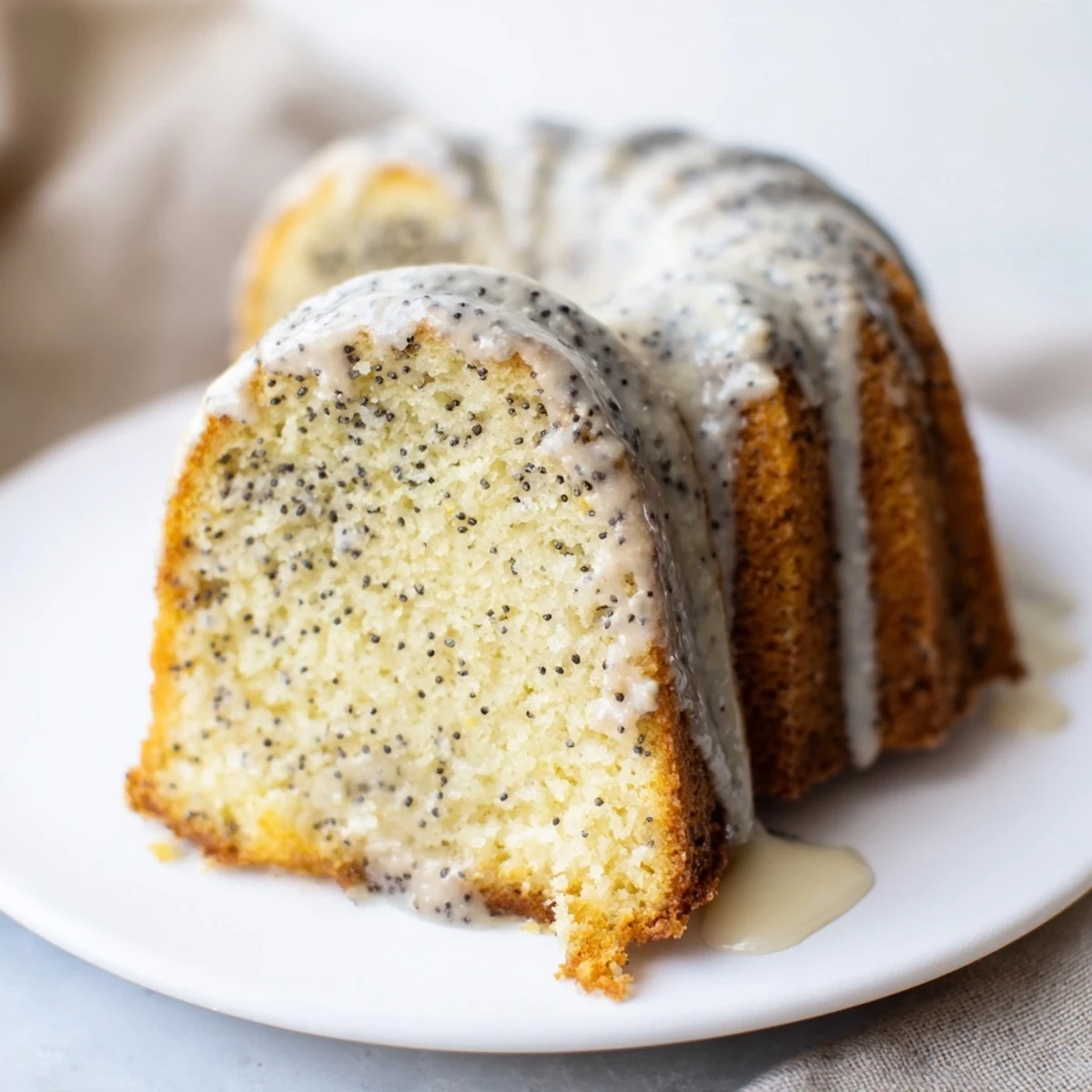
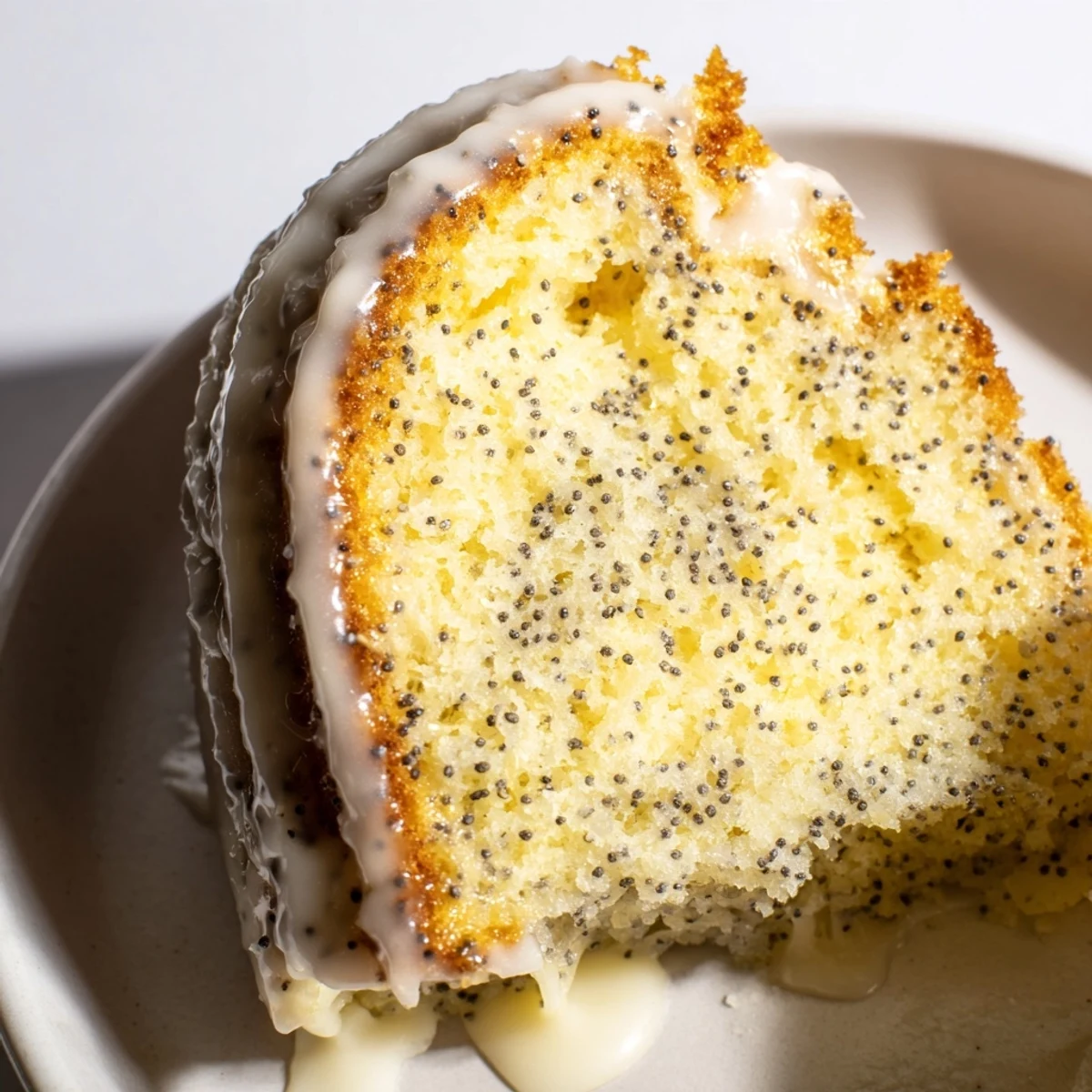
 This moist bundt showcases bright lemon zest combined with crunchy poppy seeds for a delightful texture. Creamy butter and buttermilk create tender crumb, while a tangy lemon glaze adds refreshing finish. Easy to bake and perfect for brunch or afternoon tea, it yields 12 servings. Mixing wet and dry ingredients carefully maintains moistness and balance of flavors. Serve with berries or whipped cream for extra indulgence.
The first time I smelled lemon poppy seed cake baking, I was standing in my neighbor's kitchen in my socks, having run across the street in a panic because I'd promised to bring dessert to a dinner party and completely forgotten. Mrs. Patterson waved me in without a word, handed me a wooden spoon, and the citrus steam rising from her oven made my shoulders drop for the first time that entire frantic afternoon. That cake saved my reputation and taught me that some flavors arrive exactly when you need them.
I made this for my sister's baby shower last spring, standing at the counter while my niece napped in the next room, the quiet broken only by the whisk against the bowl and the occasional chirp from the oven timer. The poppy seeds scattered across my cutting board looked like tiny crescent moons, and I remember thinking how strange it is that something so small could make a cake feel so festive. When my sister finally cut into it, she closed her eyes without meaning to, and that involuntary pause before the first bite is still the best review I've ever received.
Ingredients
- All-purpose flour: The backbone of the crumb, measured with a light hand so the cake doesn't turn heavy on you.
- Poppy seeds: These tiny blue-black specks bring a subtle crunch and a faint nuttiness that makes the lemon sing rather than shout.
- Baking powder and baking soda: The partnership that lifts this dense batter into something airy and sliceable.
- Salt: Barely noticeable but absolutely necessary, the quiet conductor keeping all the sweetness in harmony.
- Unsalted butter: Must be truly soft, not microwave-melted, so it can whip up into that pale, cloud-like base.
- Granulated sugar: More than just sweetness, it helps create the tender structure through creaming.
- Eggs: Room temperature is non-negotiable here, cold eggs will seize the butter and ruin the emulsion.
- Lemon zest: Grate directly over the bowl so the oils spray into your batter, that's where the real perfume lives.
- Fresh lemon juice: Bottled juice tastes flat and metallic against the real thing, squeeze it yourself.
- Vanilla extract: A warm undertone that bridges the gap between citrus brightness and buttery richness.
- Buttermilk: The secret to that velvety crumb, its acidity tenderizes the gluten and adds a gentle tang.
- Powdered sugar: Sifted so the glaze pours like silk rather than clumping in stubborn streaks.
Instructions
- Set the stage:
- Heat your oven to 350°F and take real time greasing every curve of your bundt pan, flour it too and tap out the excess like you're waking someone gently.
- Whisk the dry team:
- Combine flour, poppy seeds, leavening, and salt in a bowl, the seeds will distribute evenly now instead of sinking later.
- Cream with patience:
- Beat butter and sugar until the mixture turns almost white and feels like cool whipped cream against your spatula, this usually takes longer than you think.
- Add eggs one by one:
- Each egg should disappear completely before the next joins, if the mixture looks curdled keep beating, it will come back together.
- Wake up the citrus:
- Stir in zest, juice, and vanilla, the batter will look slightly broken but that's normal and temporary.
- Alternate with care:
- Add dry ingredients in three additions, buttermilk in two, starting and ending with flour, mix only until you stop seeing streaks.
- Fill the pan:
- Spoon batter evenly, then smooth the top with the back of your spoon so it rises level in the oven.
- Bake until golden:
- Thirty-eight to forty-two minutes, the cake will pull slightly from the pan edges and a toothpick will emerge clean.
- Cool with discipline:
- Fifteen minutes in the pan feels like forever but invert too soon and you'll leave half the cake behind, trust the timer.
- Glaze with confidence:
- Whisk sugar and juice until pourable, then drizzle in lazy loops over the completely cooled cake, let it set before you slice.
 Save Pin
 My husband once ate three slices of this cake standing at the kitchen counter at midnight, still in his work clothes, not saying a word until he finally looked up and asked if we could have this every Sunday. That question, asked with powdered sugar on his chin, is why I still bake when I'm tired.
The Right Pan Makes All the Difference
I learned the hard way that not all bundt pans are created equal, my first attempt stuck so badly I had to excavate the cake in chunks and call it a trifle. Now I use a well-seasoned aluminum pan with a simple design, those intricate castle shapes are beautiful but unforgiving, save them for when you've mastered the release.
Reading Your Oven
My oven runs hot by fifteen degrees, a discovery I made after several dry cakes and a cheap oven thermometer that changed everything. Start checking at thirty-five minutes if you know your oven has opinions, and remember that the cake continues cooking from residual heat even after you pull it.
Serving and Storing
This cake actually improves on day two, the flavors meld and the crumb settles into something even more sliceable. Keep it under a glass dome or wrapped well, and it will reward your patience.
- A thin layer of lemon curd between slices turns this into something restaurant-worthy.
- Freeze unglazed wedges wrapped in parchment and foil for up to a month, glaze after thawing.
- If the glaze sets too thick, whisk in drops of juice until it loosens, too thin, add sugar by the spoonful.
 Save Pin
 However this cake finds its way into your kitchen, I hope it arrives at the right moment and stays with you long after the last crumb disappears. Some recipes become part of your rotation, but the best ones become part of your story.
Recipe Questions & Answers
- → What gives the bundt its lemon flavor?
-
Fresh lemon zest and lemon juice in the batter provide a bright, natural citrus note that permeates the cake.
- → How do poppy seeds affect the texture?
-
Poppy seeds add a pleasant crunch and subtle nutty flavor that contrast with the tender crumb of the cake.
- → Can I substitute buttermilk in this bundt?
-
Buttermilk contributes moisture and tenderness; if unavailable, a mix of milk and lemon juice or yogurt can be used as a substitute.
- → What’s the best way to ensure even baking?
-
Greasing and flouring the bundt pan well and baking until a toothpick comes out clean ensures even baking and easy removal.
- → How should the lemon glaze be applied?
-
Whisk powdered sugar with fresh lemon juice until smooth and pourable, then drizzle evenly over the cooled bundt to set before slicing.
- → How to store the bundt cake properly?
-
Keep covered at room temperature for up to 3 days or refrigerate for up to a week to maintain freshness.