
 Save Pin
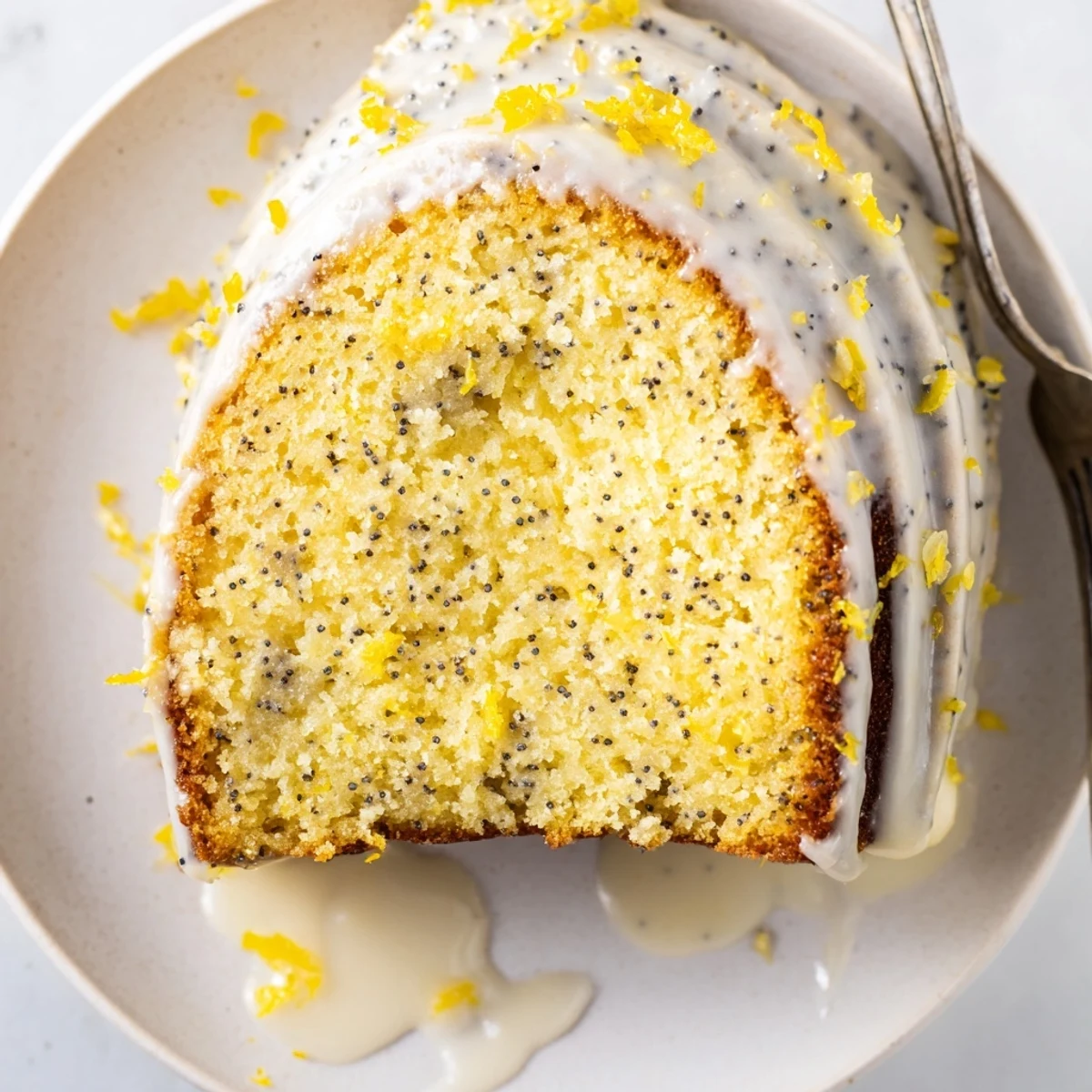
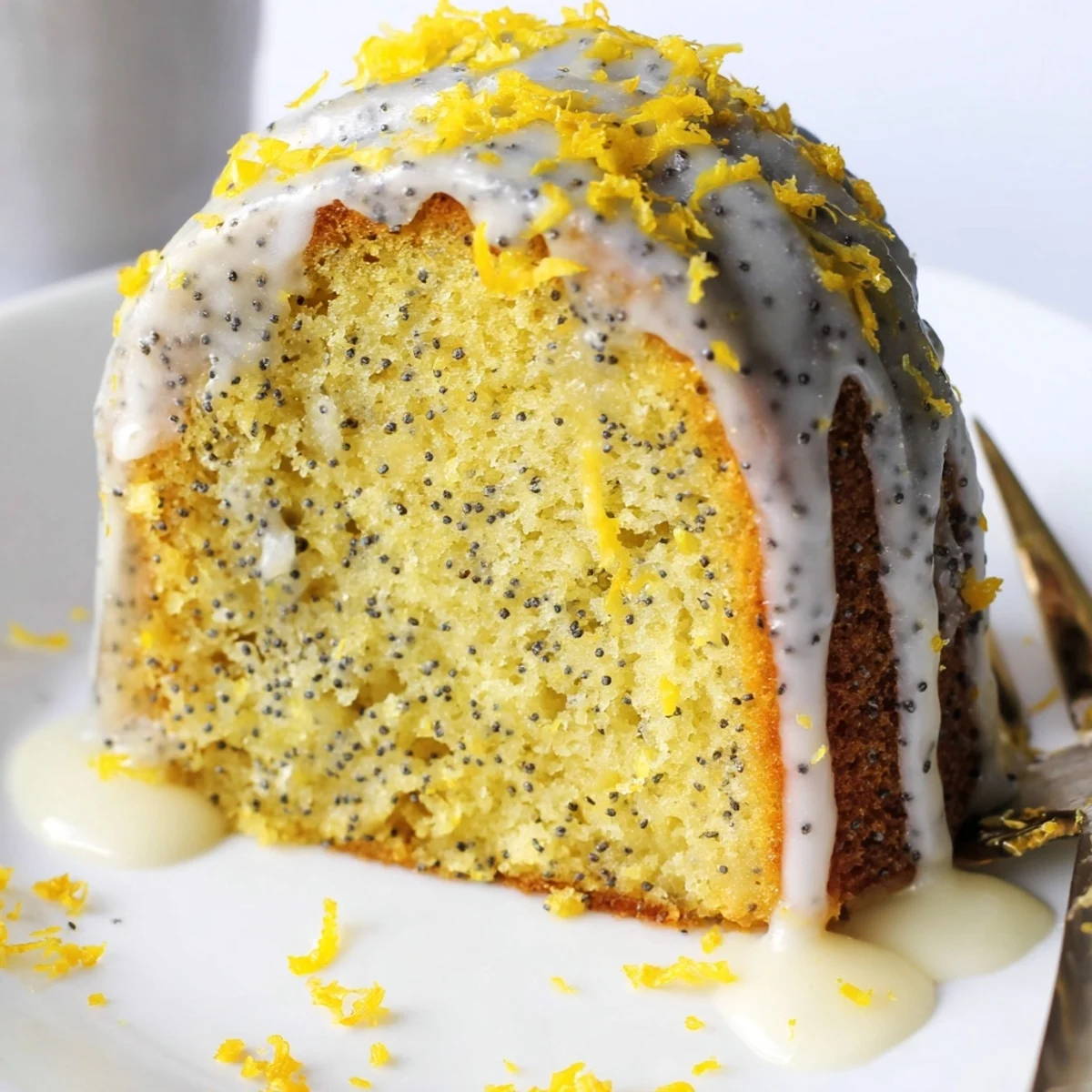
 This moist lemon bundt combines a bright citrus flavor with the subtle crunch of poppy seeds, baked to golden perfection in a classic bundt shape. The batter blends softened butter, fresh lemon zest, and juice with sour cream for a tender crumb. A tangy lemon glaze crowns the cake, adding a refreshing finish. Ideal for gatherings or a sweet snack, this bundt offers a balanced sweetness and satisfying texture that highlights fresh lemon’s natural zest.
My neighbor showed up at my door one spring afternoon with a lemon poppy seed cake she'd just pulled from her oven, and the smell of it—bright, buttery, with that subtle crunch of poppy seeds in every slice—completely changed how I thought about bundt cakes. I'd always assumed they were dry or one-note, but this was moist, tender, and unapologetically zesty in the best way. I begged her recipe, made it that same week, and haven't stopped making it since.
I made this for my mother's book club last summer, and she called me the next day to say people were still talking about it. One guest even asked if I'd used a bakery box mix because she didn't believe I'd made it from scratch—which, honestly, felt like the highest compliment.
Ingredients
- All-purpose flour (2 ¾ cups): The foundation of the cake; make sure it's fresh and scooped correctly to avoid a dense crumb.
- Poppy seeds (2 tablespoons): These tiny seeds scatter throughout the batter and give you little bursts of nutty flavor and that delightful textural contrast.
- Baking powder and baking soda (1 ½ teaspoons and ½ teaspoon): Together they create lift and help the cake rise evenly in the bundt pan.
- Salt (½ teaspoon): A pinch amplifies the lemon flavor and balances the sweetness.
- Unsalted butter (1 cup): Softened butter creams with sugar to trap air, giving you that light, tender crumb.
- Granulated sugar (2 cups): The creaming process with butter is crucial; don't skip those 3–4 minutes.
- Large eggs (4): Room temperature eggs incorporate more smoothly and create a better emulsion with the butter.
- Lemon zest and juice (1 tablespoon zest, ¼ cup juice): Use fresh lemons—the zest holds oils that make the flavor sing, and fresh juice tastes nothing like bottled.
- Vanilla extract (1 teaspoon): A small amount deepens the lemon without making it taste like vanilla.
- Sour cream (1 cup): This is the secret weapon; it adds tang, moisture, and a tender crumb that regular milk can't deliver.
- Powdered sugar (1 cup): Sift it before using so the glaze is completely smooth.
Instructions
- Prepare your pan:
- Preheat to 350°F and thoroughly grease and flour a 10-cup bundt pan, getting into every ridge and crevice so the cake releases cleanly. This step matters more than you'd think.
- Mix dry ingredients:
- Whisk flour, poppy seeds, baking powder, baking soda, and salt together in a medium bowl and set aside. This ensures the leavening agents are evenly distributed.
- Cream butter and sugar:
- Beat softened butter and sugar for 3–4 minutes until the mixture is pale, fluffy, and noticeably lighter in color. You're incorporating air here, which creates lift.
- Add eggs one at a time:
- Beat well after each egg so it fully incorporates before adding the next. This creates a stable emulsion.
- Mix in flavorings:
- Stir in lemon zest, lemon juice, and vanilla extract until fully combined. The zest adds visible texture and intense flavor.
- Alternate wet and dry ingredients:
- Add the flour mixture and sour cream in alternating batches, starting and ending with flour; mix just until combined to avoid developing gluten. Overmixing makes the cake tough.
- Pour and bake:
- Pour batter into the prepared pan, smooth the top, and bake for 40–45 minutes until a toothpick inserted in the center comes out clean. Every oven bakes differently, so check at 40 minutes.
- Cool in pan then invert:
- Let the cake rest in the pan for 15 minutes so it sets slightly, then carefully turn it out onto a wire rack to cool completely. Cooling in the pan too long can cause sticking.
- Make the glaze:
- Whisk powdered sugar with 2 tablespoons lemon juice, adding more juice a teaspoon at a time until you reach a pourable consistency. It should flow but not be runny.
- Finish and serve:
- Drizzle the glaze over the completely cooled cake and let it set for 15 minutes before slicing. This gives the glaze time to firm up slightly.
 Save Pin
 The moment I saw my eight-year-old nephew pick up a second slice without asking, and heard him tell his mom it tasted like sunshine, I knew this recipe had won him over. That's when I realized this cake is about more than just dessert—it's about the small joy of something homemade tasting better than anything you could buy.
Why Fresh Lemon Matters Most
I learned this the hard way when I tried to speed up a batch using bottled lemon juice. The cake tasted flat and one-dimensional, missing that vibrant zing that makes people ask for the recipe. Fresh lemons have oils in the zest and juice that bottled versions have lost, and those oils are what give this cake its signature brightness. Now I always buy extra lemons and zest them fresh on the day I bake.
The Bundt Pan Advantage
A bundt pan isn't just for show—the ridges and ring shape actually help this cake bake more evenly and look elegant without any frosting or decoration. The larger surface area also means more of those beautiful edges that people love. If you don't have one, a regular 9-inch round cake pan will work, but you'll lose some of the visual magic.
Make It Your Own
This recipe is a great starting point, but I've had fun experimenting over the years. Some mornings I add a touch of almond extract, or occasionally I'll fold in a handful of blueberries for visual interest and tartness. The beauty of this cake is that the sour cream keeps it moist no matter what small tweaks you make.
- For extra lemon intensity, add ½ teaspoon of lemon extract to the wet ingredients or use 2 tablespoons of zest instead of 1.
- Pair it with fresh berries, whipped cream, or even a simple dusting of powdered sugar for a lighter look.
- Store it covered at room temperature for up to 3 days, or wrap it tightly and freeze for up to a month.
 Save Pin
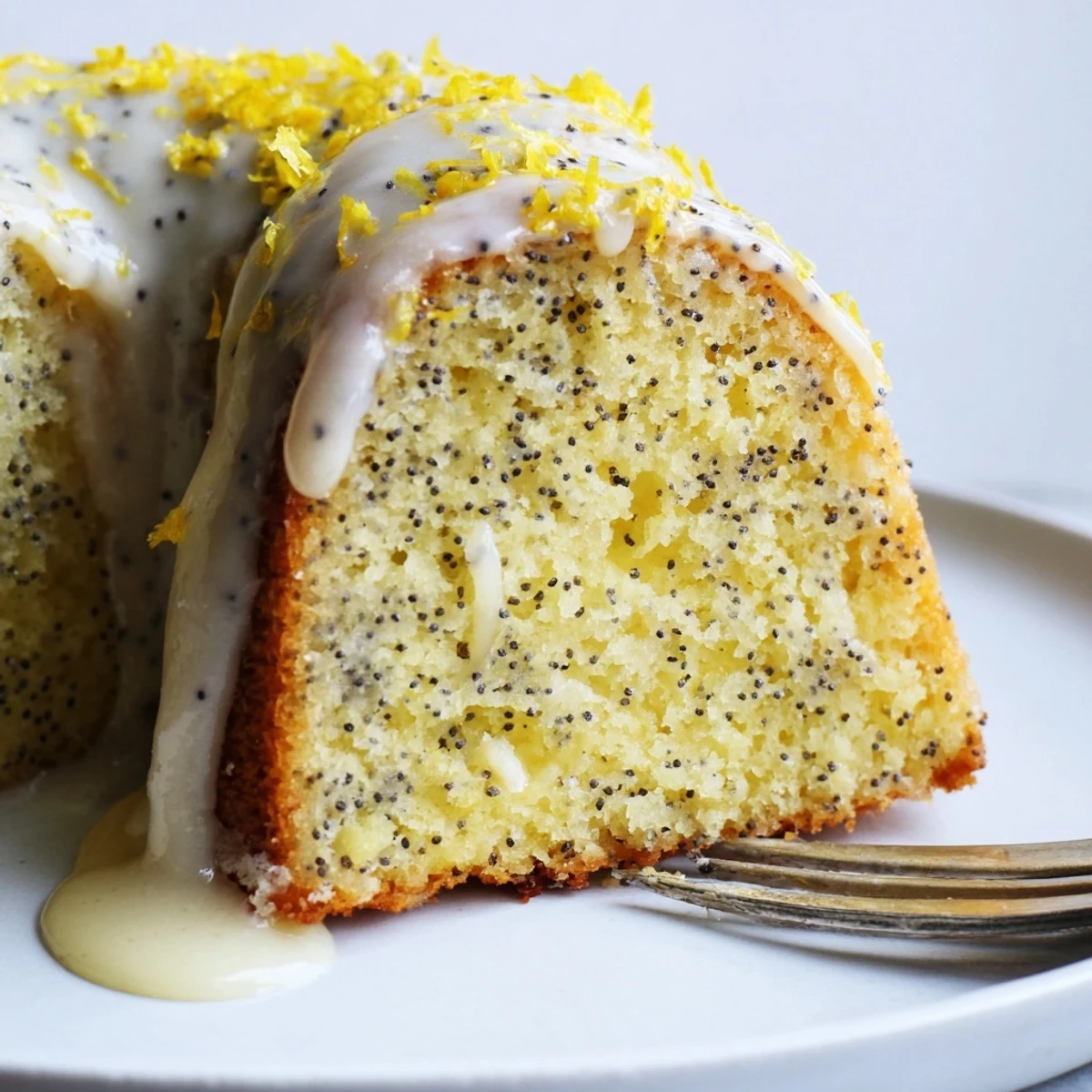
 This cake has become my go-to gift, my weekend baking project, and the recipe people request by name. There's something deeply satisfying about pulling a beautiful, fragrant bundt cake from the oven and knowing it came from your own hands.
Recipe Questions & Answers
- → How do I prevent the bundt cake from sticking to the pan?
-
Grease the bundt pan thoroughly with butter or non-stick spray and lightly dust with flour, ensuring all crevices are coated before pouring the batter.
- → Can I substitute poppy seeds with another ingredient?
-
Chia seeds or sesame seeds can be used for a different texture, but poppy seeds provide a distinct crunch and mild nutty flavor unique to this cake.
- → What is the best way to zest lemons for this cake?
-
Use a microplane or fine grater to remove only the yellow outer skin of the lemon, avoiding the white pith for a bright, clean lemon flavor.
- → How can I ensure the cake stays moist?
-
Incorporating sour cream in the batter adds moisture and richness, and avoiding overmixing the batter helps maintain a tender crumb.
- → Is it necessary to let the glaze set before slicing?
-
Yes, allowing the lemon glaze to set for about 15 minutes ensures it firms up slightly, preventing it from sliding off when slicing.