
 Save Pin
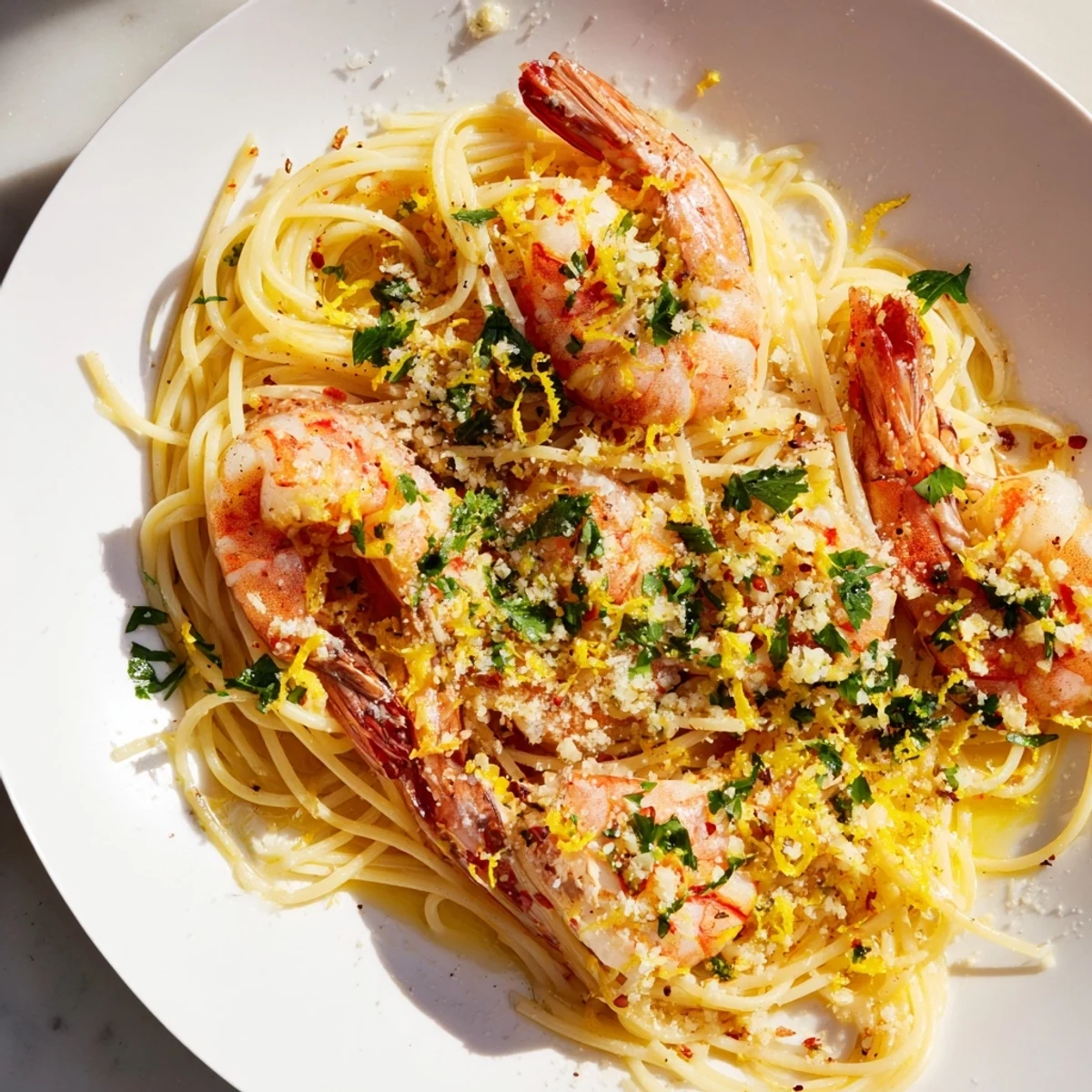
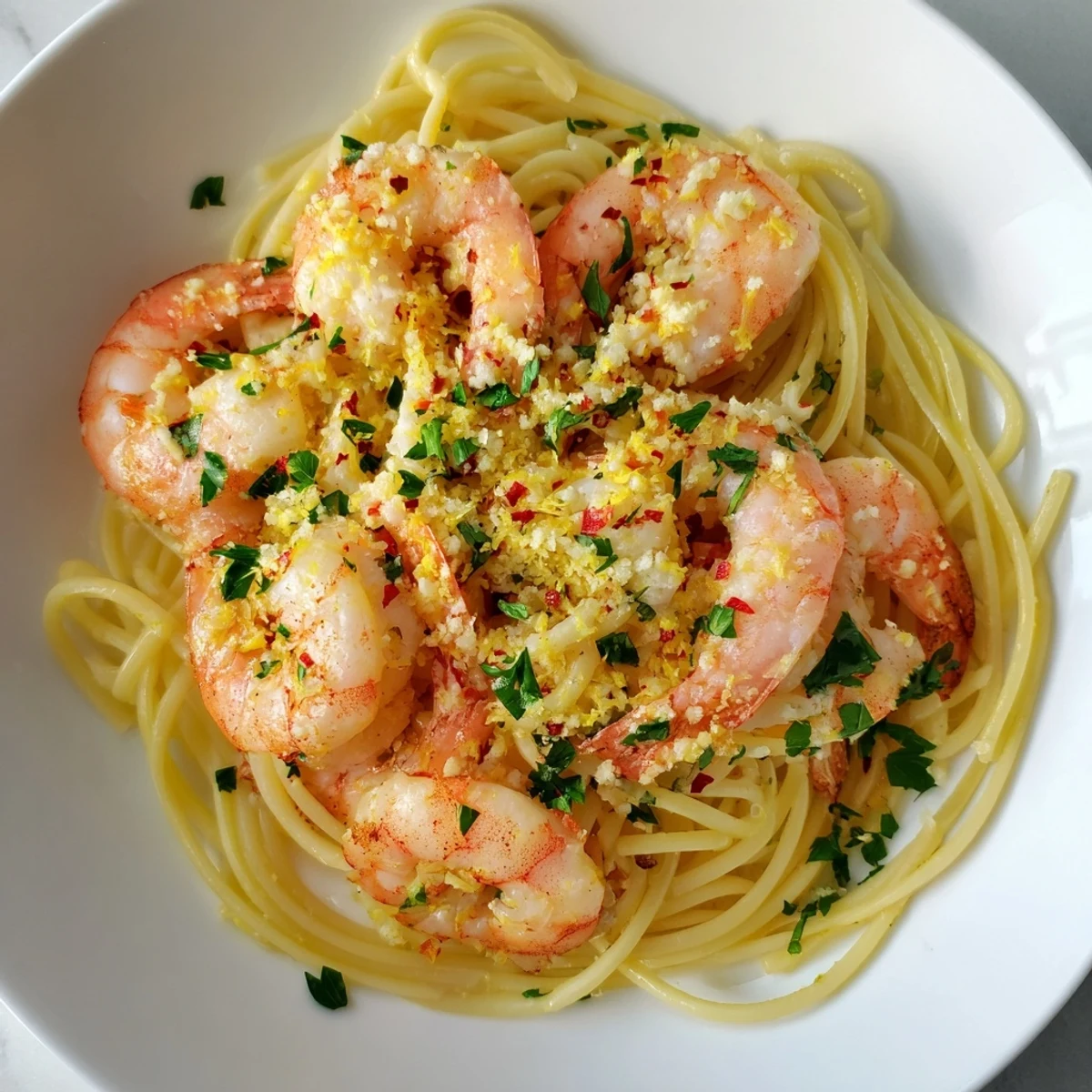
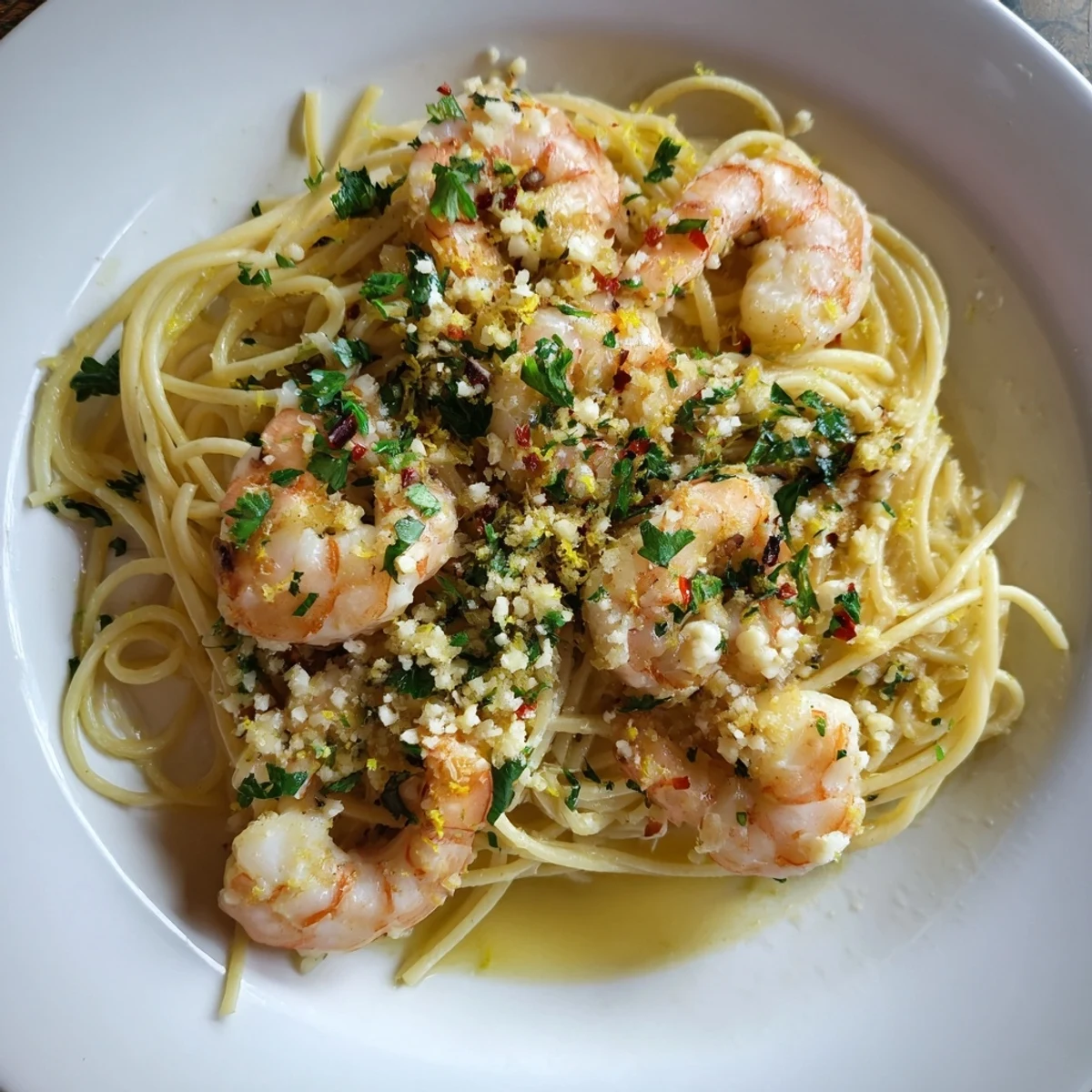
 This dish features plump shrimp cooked in fragrant garlic and fresh lemon zest, creating a bright and zesty sauce. Tossed with al dente pasta and finished with parsley and Parmesan, it offers a delicate balance of flavors and textures. The quick cooking time and simple ingredients make it perfect for an easy yet elegant meal. A splash of white wine or broth elevates the sauce, and a touch of butter adds richness, rounding out the dish beautifully.
The first time I made this lemon garlic shrimp pasta, I was attempting to impress a date who claimed to love seafood but had somehow never had fresh shrimp before. I was terrified of overcooking the shrimp, so I hovered over the pan like a helicopter parent, timing each second with breathless precision. When we finally sat down to eat, she took one bite and actually stopped talking for a full minute. That shrimp pasta has been my go-to dinner party staple ever since.
Last summer, my sister came to visit exhausted from a new job, and I whipped this up while she curled up on my couch. She kept drifting into the kitchen saying whatever smells like heaven needs to hurry up. When we ate, she confessed it was exactly the kind of meal she forgot existed, simple but special, the kind that makes you remember food can be comfort without being heavy.
Ingredients
- 1 lb large shrimp: Fresh shrimp makes all the difference here, but if using frozen, thaw completely and pat them ruthlessly dry before cooking
- 1/2 tsp kosher salt: Season the shrimp generously before cooking, underseasoned seafood is a tragedy that cannot be fixed later
- 1/4 tsp freshly ground black pepper: Grind it right before you need it, pre-ground has lost its spark
- 12 oz spaghetti or linguine: I prefer linguine for how it catches the sauce, but either works beautifully
- 3 tbsp olive oil: Split between searing the shrimp and building your garlic base
- 4 cloves garlic: Do not be shy with garlic, it is the backbone of this entire dish
- Zest of 1 lemon: Use a microplane if you have one, it catches the fragrant oils without the bitter pith
- 1/4 tsp crushed red pepper flakes: Even if you think you do not like heat, this tiny amount wakes everything up
- 1/3 cup dry white wine or chicken broth: The wine adds sophistication but broth keeps it family friendly
- Juice of 1 large lemon: Room temperature lemons yield more juice, roll them on the counter first to break down the membranes
- 2 tbsp unsalted butter: This finishes the sauce with that velvety restaurant quality texture
- 1/4 cup fresh parsley: Flat leaf parsley has more flavor than curly, and it brightens the whole dish visually and tastewise
- 1/3 cup freshly grated Parmesan cheese: Buy a wedge and grate it yourself, pre-grated has anti-caking agents that prevent melting
- Lemon wedges: An extra squeeze at the table makes each person feel like they have control over their perfect bite
Instructions
- Get your pasta water going first:
- Bring a large pot of salted water to boil, cook pasta until al dente, then reserve that precious half cup of pasta water before draining, it is liquid gold
- Prep your shrimp while water heats:
- Pat the shrimp completely dry with paper towels, then season with salt and pepper, dry shrimp sear, wet shrimp steam
- Sear the shrimp like a pro:
- Heat 2 tablespoons olive oil in a large skillet over medium high, add shrimp in a single layer, cook 1 to 2 minutes per side until pink and just opaque, remove immediately to a plate
- Build your flavor base:
- Reduce heat to medium, add remaining olive oil, sauté garlic, lemon zest, and red pepper flakes for 1 minute until fragrant but not browned
- Create the sauce:
- Pour in wine or broth, simmer 2 to 3 minutes while scraping up any browned bits, add lemon juice and butter, stir until butter melts into something silky
- Bring it all together:
- Return shrimp to the pan, add drained pasta, toss everything together, add pasta water as needed until the sauce coats each strand beautifully
- Finish and serve immediately:
- Remove from heat, stir in parsley, sprinkle with Parmesan, serve with lemon wedges while the steam is still rising
 Save Pin
 This recipe became my anniversary dinner tradition after my husband admitted it was the meal that made him realize I could actually cook. Now every year we make it together, him manning the shrimp while I handle the pasta, dancing around each other in our tiny kitchen. It has become about so much more than the food.
Choosing the Perfect Shrimp
I have learned through many experiments that shrimp labeled previously frozen can work beautifully if thawed properly, but fresh never frozen is worth seeking out. Look for shrimp that smell like the ocean, not ammonia, and avoid anything with icy patches or discoloration. The size matters too, large shrimp give you that satisfying bite while still cooking quickly enough for a weeknight.
Wine Pairing Magic
A crisp Pinot Grigio or Sauvignon Blanc mirrors the bright lemon notes while cutting through the slight richness of the butter sauce. I once served this with an oaky Chardonnay and the clash was undeniable, the wine fought the lemon instead of complementing it. Now I keep the pairing simple and let the fresh flavors shine without interference.
Making It Your Own
This pasta base is incredibly forgiving once you understand the technique. I have added cherry tomatoes that burst in the heat, baby spinach that wilts into the sauce, and even roasted asparagus when spring arrives. The key is keeping the lemon garlic foundation intact and building from there.
- Cherry tomatoes can be halved and added with the garlic
- A handful of baby spinach wilts perfectly in the hot sauce
- Extra butter is never a mistake, just saying
 Save Pin
 This pasta has served me through first dates, bad days, and celebrations worth remembering. I hope it finds its way into your regular rotation too.
Recipe Questions & Answers
- → How do I prevent shrimp from overcooking?
-
Cook shrimp just until they turn pink and opaque, usually 1-2 minutes per side. Remove immediately to avoid toughness.
- → Can I substitute the pasta type?
-
Yes, spaghetti or linguine work well, or choose gluten-free options to suit dietary needs.
- → What is the purpose of reserving pasta water?
-
Reserved pasta water helps loosen the sauce and bind it to the pasta, enhancing texture and flavor.
- → Is white wine necessary for the sauce?
-
White wine adds depth, but chicken or vegetable broth can be used as a non-alcoholic alternative.
- → How can I add more color and flavor?
-
Incorporate cherry tomatoes or baby spinach during the final toss for extra vibrancy and taste.