
 Save Pin
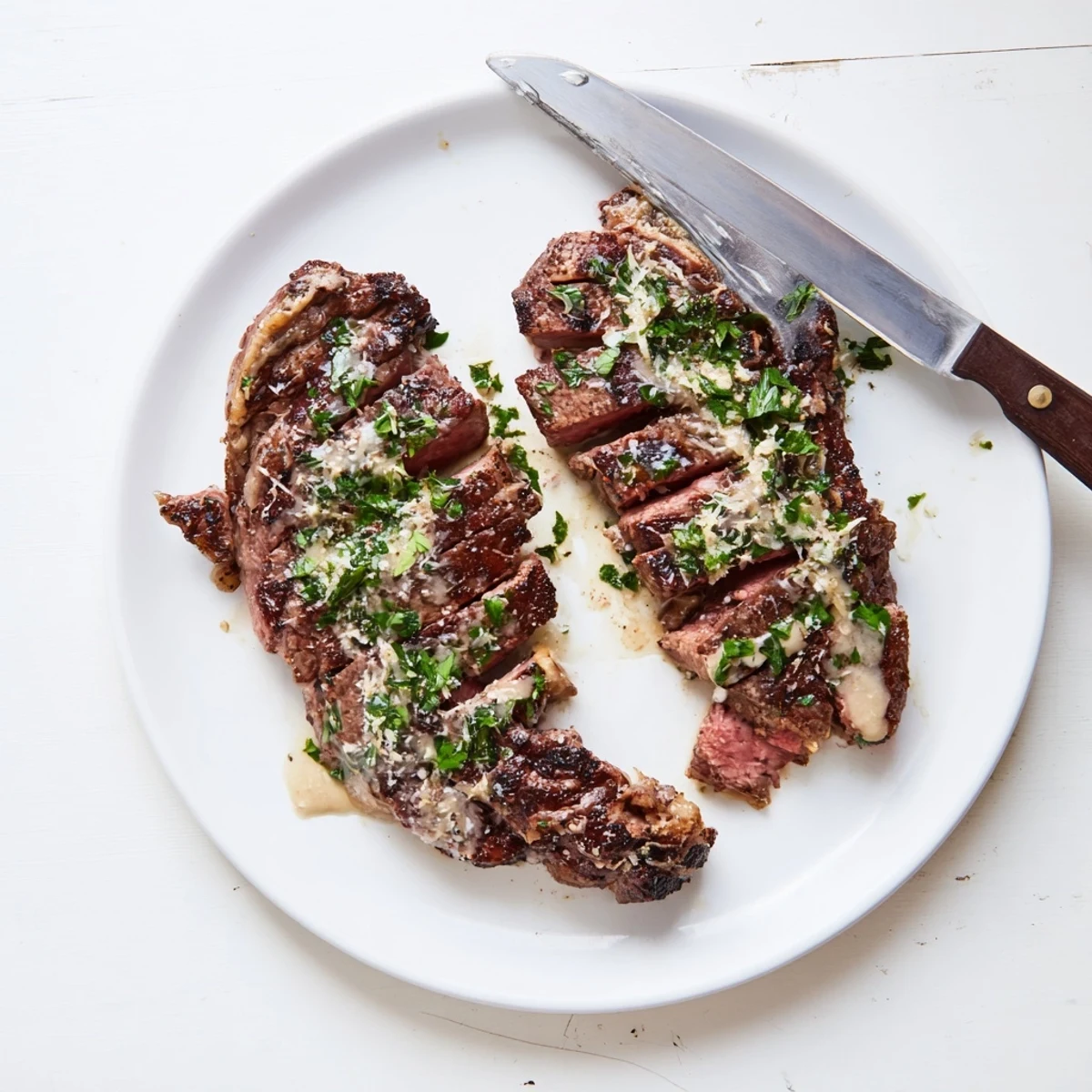
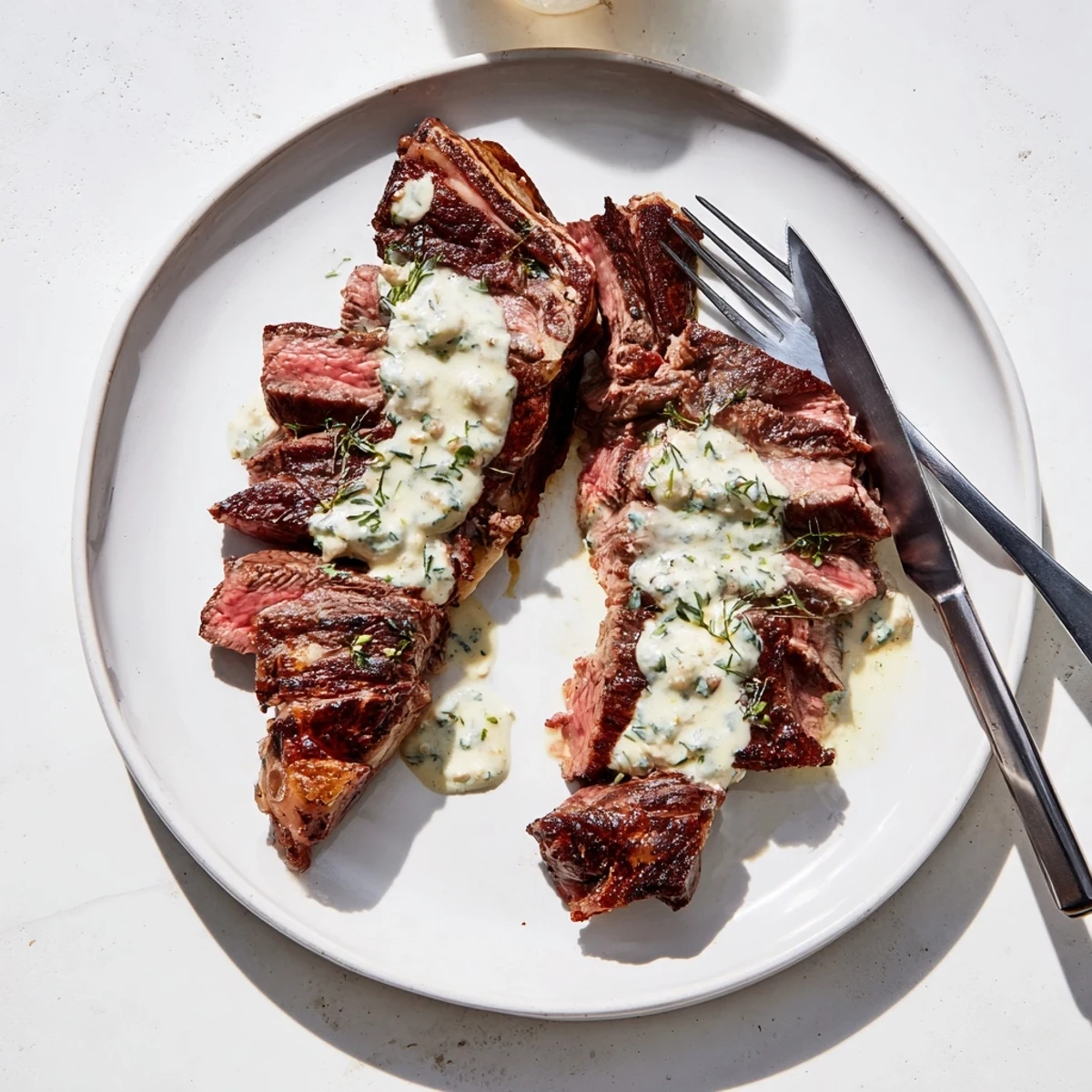
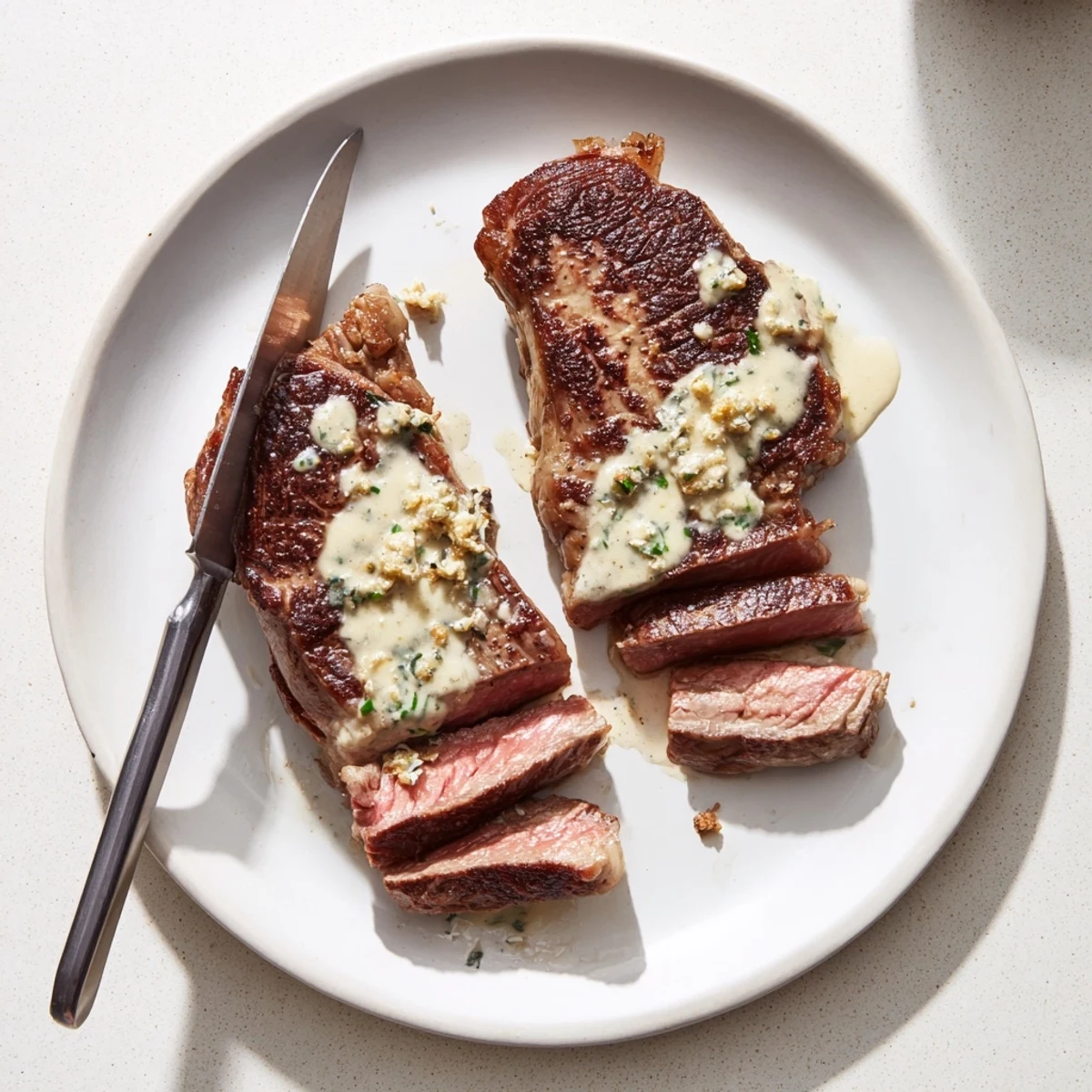
 This restaurant-quality dish features perfectly seared ribeye steaks with a beautiful caramelized crust, served alongside a luscious garlic cream sauce. The sauce strikes the perfect balance between rich heavy cream, savory beef broth, sharp Dijon mustard, and nutty Parmesan. Fresh parsley adds brightness while garlic provides aromatic depth. The entire meal comes together in just 30 minutes, making it ideal for both entertaining guests and elevating your weeknight dinner rotation. Serve with roasted vegetables or potatoes for a complete, satisfying meal.
The first time I made this sauce, I accidentally made too much and ended up dipping everything in sight into it—bread, asparagus, even my fork. My husband caught me doing the latter and just started laughing. That's when I knew this recipe was a keeper.
My sister came over for dinner last month, still wearing her work clothes, exhausted. I plated these steaks with that garlic sauce cascading over the edges, and she literally went quiet for three whole minutes. That's the highest compliment she's ever paid me.
Ingredients
- Ribeye steaks: The marbling makes all the difference here—I've tried cheaper cuts and they just don't deliver that restaurant-quality crust
- Olive oil: Use this instead of butter for searing because it can handle higher heat without burning
- Kosher salt: The larger crystals give you that perfect seasoned crust without making it taste salty
- Unsalted butter: Starting with unsalted lets you control exactly how salty your sauce ends up
- Garlic cloves: Fresh minced is non-negotiable here—jarred garlic has a weird aftertaste in cream sauces
- Heavy cream: Don't even think about substituting milk, it won't thicken properly
- Beef broth: This adds depth while letting you scrape up all those flavorful browned bits
- Dijon mustard: Just a teaspoon cuts through the richness and makes the sauce taste complex
- Parmesan cheese: The salty, nutty finish that makes people ask what your secret ingredient is
- Fresh parsley: Adds brightness and makes everything look intentional
Instructions
- Bring your steaks to room temperature:
- This took me years to learn—cold steaks cook unevenly and never develop that gorgeous crust we're after
- Season generously:
- Don't be shy with the salt and pepper, it's the only seasoning your meat gets
- Get your pan screaming hot:
- You want to hear that sizzle immediately when the steak hits the oil
- Sear to perfection:
- Let it develop a deep crust before flipping—resist the urge to move it around
- Let it rest:
- Tent it with foil while you make the sauce, those juices need to redistribute
- Build your flavor base:
- Butter and garlic in the same pan captures all that beef flavor you just created
- Create the sauce:
- The broth deglazes your pan while the cream transforms it into something velvety
- Finish it right:
- Mustard and Parmesan make it taste like you worked way harder than you actually did
- Plate like a pro:
- Slice against the grain and let that sauce cascade over everything
 Save Pin
 Last Valentine's Day, we were too tired to go out so I made this instead. We ended up eating at the kitchen counter in our sweatpants, and it was somehow more romantic than any restaurant meal we've ever had.
Choosing The Right Cut
I've tested this with every steak cut you can imagine. Ribeye gives you that restaurant experience with the fat rendering into incredible flavor. But if you're watching your budget, a good sirloin still absolutely works—just don't go as lean as filet mignon or you'll miss that juicy factor.
Temperature Timing
After years of overcooking steak, I finally invested in a meat thermometer and it changed everything. Medium-rare hits 130-135°F, medium is 140-145°F. The steak keeps cooking while it rests, so pull it a few degrees early. Your future self will thank you.
Make It Your Own
Sometimes I add a splash of white wine after sautéing the garlic, letting it reduce before adding the cream. Other times I'll throw in some thyme or rosemary if they're sitting on my counter. This recipe is forgiving—it wants you to experiment.
- A little cognac in the sauce makes it feel incredibly fancy
- Roasted garlic works if you have zero fresh cloves
- Double the sauce because you're going to want extra
 Save Pin
 Some recipes are just good food. This one somehow becomes a memory before you even finish eating.
Recipe Questions & Answers
- → What cut of steak works best for this dish?
-
Ribeye steaks are ideal due to their marbling and rich flavor, but strip steaks, filet mignon, or sirloin also work beautifully. Choose cuts at least 1-inch thick for proper searing.
- → How do I know when the steak is done?
-
Use an instant-read thermometer: 130-135°F for medium-rare, 140-145°F for medium. The steaks will continue cooking slightly while resting. Alternatively, the touch method—firm but springy indicates medium-rare.
- → Can I make the sauce ahead of time?
-
The sauce is best made fresh, but you can prepare the components ahead. Mince garlic and grate cheese in advance. The sauce comes together quickly while the steaks rest.
- → What can I substitute for heavy cream?
-
Half-and-half works for a lighter sauce, though it won't thicken quite as much. Coconut cream creates a dairy-free version with subtle coconut flavor. Avoid milk as it's too thin.
- → Why is it important to let steaks come to room temperature?
-
Room-temperature steaks cook more evenly, achieving a better sear without overcooking the interior. This 30-minute resting period ensures juicier, more evenly cooked results.
- → What sides pair well with this steak?
-
Roasted potatoes, mashed cauliflower, steamed asparagus, or a crisp green salad complement the rich flavors. The sauce also pairs beautifully with crusty bread for soaking up extra sauce.