
 Save Pin
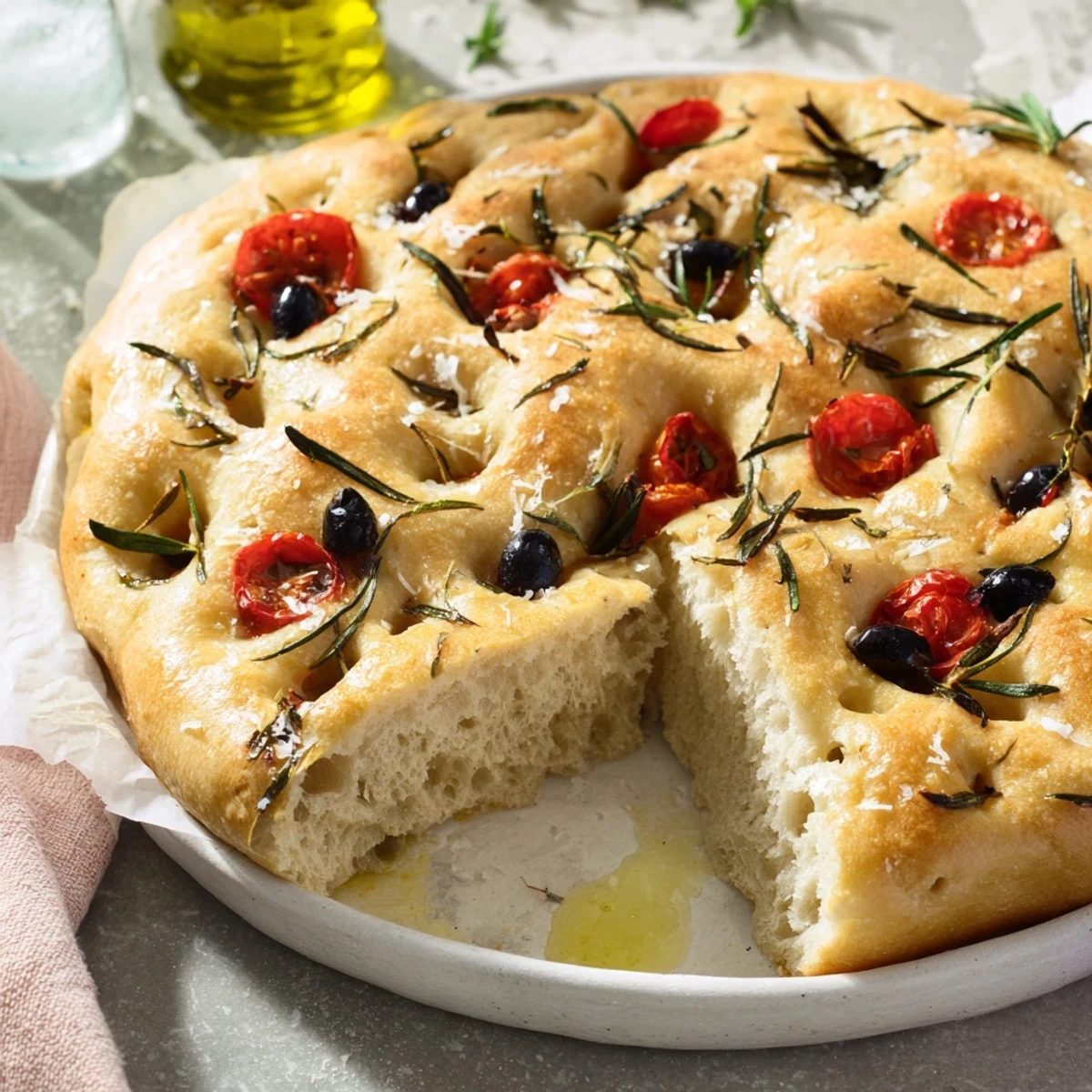
 This focaccia offers a golden, crisp crust with a soft, airy crumb infused with extra virgin olive oil and fresh rosemary. The dough, enriched with yeast and a touch of sugar, rises twice to develop its characteristic texture. After dimpling the surface, it’s drizzled generously with olive oil and sprinkled with aromatic herbs and coarse salt. Baking yields a warm, fragrant flatbread that pairs wonderfully as a side, appetizer, or sandwich base. Optional toppings like cherry tomatoes and olives add bursts of flavor. Ideal for those seeking a flavorful, medium-difficulty Italian bread.
I still remember the first time I made focaccia in my tiny apartment kitchen in Rome. The aroma of rosemary and golden olive oil filled every corner, and suddenly, I wasn't just baking bread—I was experiencing the warmth of Italian hospitality. That same recipe has traveled with me ever since, and every time I pull a sheet of focaccia from the oven, it takes me right back to that moment of discovery.
I'll never forget bringing a warm focaccia to my friend's dinner party and watching everyone's faces light up when they tasted it. One guest asked for the recipe right then and there, and I realized this simple flatbread had become something special—a bridge between people, a taste of somewhere far away made right in your own kitchen.
Ingredients
- Bread flour (500 g): This is your foundation, and using bread flour instead of all-purpose makes all the difference—it has more gluten, giving you that beautiful chew and structure that defines real focaccia
- Fine sea salt (10 g): Don't skip this or swap it out lightly; salt brings out the flavor and controls yeast activity, so measure carefully
- Active dry yeast (7 g): Make sure it's fresh and hasn't expired, as old yeast leads to disappointing rise and flat bread
- Lukewarm water (350 ml): Temperature matters here—too hot kills the yeast, too cold and nothing happens, so aim for the temperature of a comfortable bath
- Extra virgin olive oil (60 ml for dough, plus 2–3 tbsp for topping): This is where you taste the soul of focaccia; use the best olive oil you can afford, as it truly shines through
- Sugar (1 tbsp): A tiny amount feeds the yeast and helps it bloom faster, waking it up like a gentle nudge
- Fresh rosemary leaves (1–2 tbsp, chopped): Fresh is essential here—dried rosemary becomes bitter and overpowering, so don't compromise on this
- Coarse sea salt (1½ tsp): This adds those wonderful bursts of salinity and crunch that make focaccia special
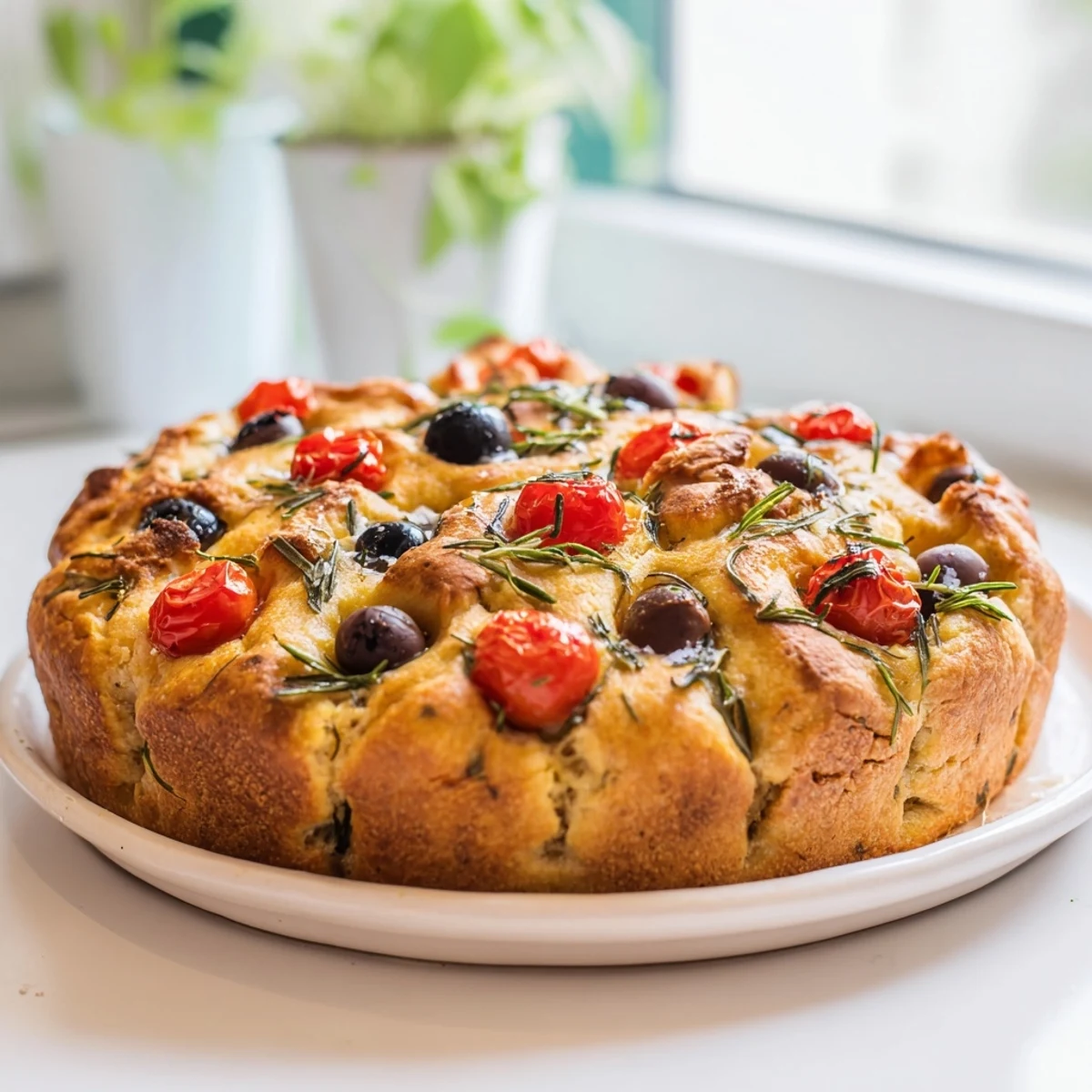
- Cherry tomatoes and black olives (optional): These are my go-to additions when I want to elevate focaccia from simple to spectacular, adding color and briny depth
Instructions
- Combine your dry ingredients:
- In a large bowl, whisk together the flour and fine sea salt. This mixture is like preparing a stage for the yeast to perform on, and keeping them separate at first prevents the salt from interfering with the yeast
- Activate the yeast:
- In another bowl, stir the yeast and sugar into lukewarm water and let it sit for 5–10 minutes. You're looking for a foamy, fragrant mixture that smells like a bakery—that's your signal that the yeast is alive and ready to work
- Bring it together:
- Pour the yeast mixture and olive oil into your flour bowl and mix gently with your hands or a wooden spoon until a shaggy, sticky dough forms. Don't worry if it looks rough—that's exactly right
- Knead with intention:
- On a floured surface, knead the dough for 8–10 minutes by hand (or 5–7 minutes with a stand mixer), working it until it becomes smooth, elastic, and springs back when you poke it. This is meditative work, and you'll feel the dough transform under your hands
- Let it rise in peace:
- Lightly oil a large bowl, place your dough inside, cover with a damp towel or plastic wrap, and set it in a warm spot for 1–2 hours. You're looking for it to roughly double in size—a warm corner of your kitchen, an oven with the light on, or even near a sunny window works beautifully
- Stretch and shape:
- Generously oil a baking sheet or 9x13-inch pan. Turn the dough onto the pan and gently stretch it to fill the space, coaxing it with your fingertips rather than forcing it. The dough wants to cooperate—let it tell you where to go
- Second rise:
- Cover the dough and let it rise again for 30–45 minutes until it's noticeably puffy and has some springiness to it. You want it risen but not overproofed
- Preheat your oven:
- While the dough rises for the second time, set your oven to 220°C (425°F) so it's ready and waiting
- Create the signature dimples:
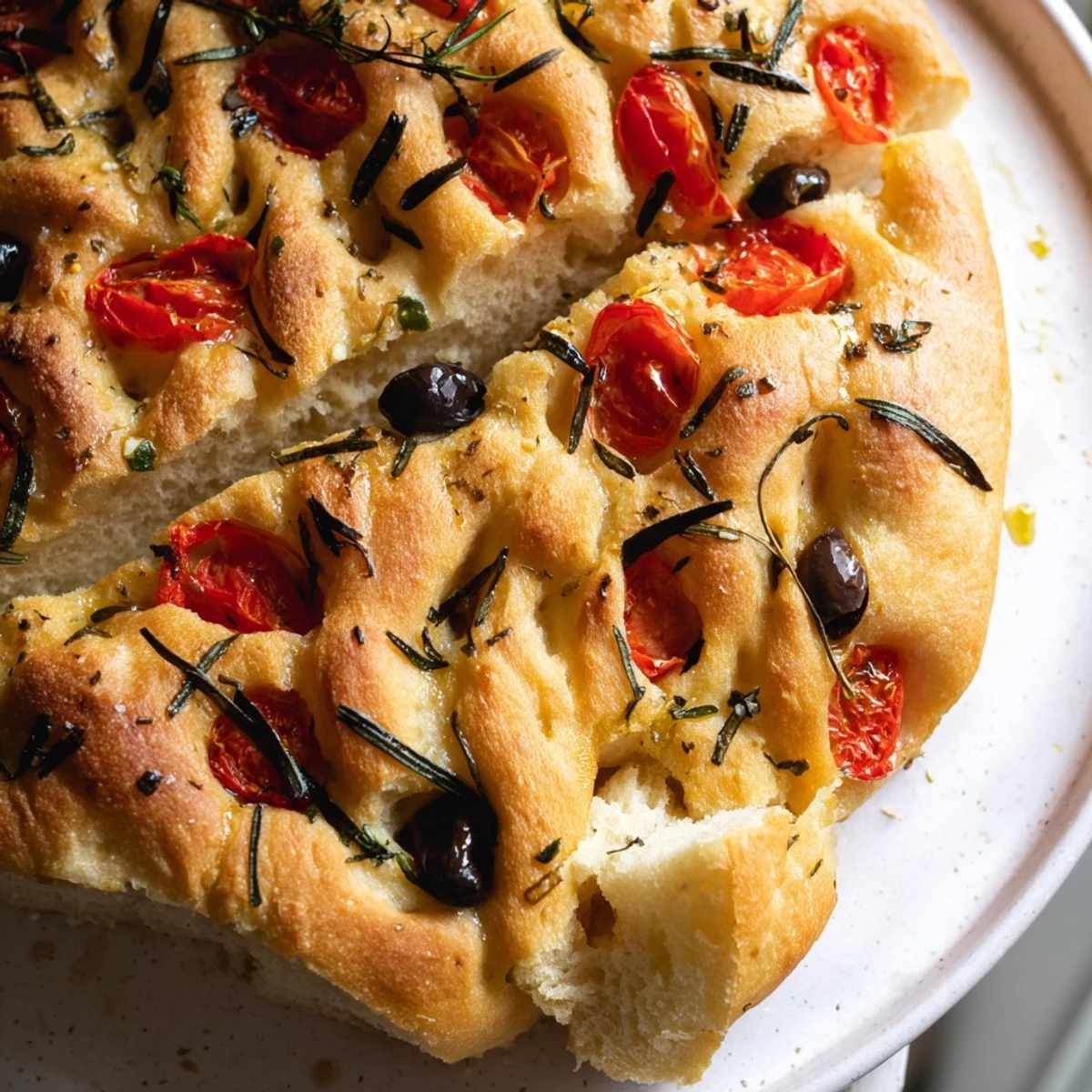
- With oiled fingers, gently press all over the surface of the dough, creating little indentations that will catch the olive oil and toppings. This is part of what makes focaccia so irresistible—those pockets of flavor and texture
- Crown it with toppings:
- Drizzle generously with olive oil, scatter fresh rosemary over the top, and sprinkle coarse sea salt. If you're using cherry tomatoes and black olives, nestle them into the dimples now, letting them become part of the bread rather than sitting on top
- Bake until golden:
- Slide the pan into your preheated oven and bake for 20–25 minutes until the top is deep golden brown and the edges are crispy and caramelized. Your kitchen will smell absolutely incredible
- Cool just slightly:
- Remove from the oven and let it rest for a few minutes before slicing, so the crumb sets up just enough. Serve warm or at room temperature, and watch people come back for more
 Save Pin
 Years later, I brought focaccia to a potluck where nobody knew each other, and somehow that simple bread became the conversation starter. People were trading stories about Italy, about their grandmothers' kitchens, about the places they wanted to travel. That's when I truly understood that focaccia isn't just bread—it's an invitation to connect.
Understanding Your Dough
The magic of focaccia lives in understanding that dough isn't something to be fought into submission—it's a living thing that responds to time and warmth. The yeast is doing all the heavy lifting, creating thousands of tiny air bubbles that give focaccia its signature texture. When you knead, you're developing gluten, the protein network that will hold all those bubbles. This is why bread flour matters; it has more gluten-forming potential than all-purpose flour, so your focaccia will be lighter and airier. Temperature matters too—a warm kitchen speeds things up, while a cool one slows things down. Work with your environment rather than against it.
Variations That Make Sense
The beauty of focaccia is its flexibility. Add minced garlic to your drizzling oil for garlic focaccia, or caramelize onions slowly until they're golden and sweet and lay them on top. Sun-dried tomatoes bring concentrated flavor, while fresh arugula tossed on after baking adds a peppery brightness. I've even tried thinly sliced red onions, crumbled feta if you're not vegan, and fresh thyme instead of rosemary. The foundation is always the same—what changes is your creativity and what flavors call to you on any given day.
Serving and Storage Wisdom
Focaccia is genuinely delicious every which way. Serve it warm from the oven when the oil is still glistening and the interior is at its softest, or let it cool to room temperature when the crumb sets and the crust becomes gloriously crispy. It's perfect as an appetizer before dinner, alongside soup or salad, or split horizontally and turned into the most extraordinary sandwich base. For storage, keep it in an airtight container at room temperature for a day or two, and reheat it gently in the oven to revive the crust.
- Leftover focaccia can be sliced, brushed with olive oil, and crisped up in a hot oven to become rustic crostini for dipping
- Freezing works beautifully too—wrap completely cooled focaccia well and it keeps for up to a month, then thaw and refresh in the oven
- If your focaccia seems dry after a day or two, a quick brush of olive oil and a few minutes in a warm oven brings it right back to life
 Save Pin
 Every time I bake focaccia, I'm reminded that the best recipes aren't just about following steps—they're about creating moments, nourishing people you care about, and filling your home with warmth. This bread will do that for you.
Recipe Questions & Answers
- → How long should the dough rise for best texture?
-
Allow the dough to rise for about 1–2 hours until doubled in size, then a second rise of 30–45 minutes after shaping ensures a light and airy texture.
- → Can I use different herbs besides rosemary?
-
Yes, alternatives like thyme, oregano, or basil can provide varied aromatic notes while maintaining the bread’s essence.
- → What is the purpose of dimpling the dough before baking?
-
Dimpling prevents large air pockets, helps hold olive oil and toppings, and creates the focaccia’s signature texture and appearance.
- → Can I add toppings like olives or tomatoes?
-
Yes, halved cherry tomatoes and sliced black olives can be gently pressed into the dough before baking for added flavor bursts.
- → What temperature is ideal for baking this bread?
-
Baking at 220°C (425°F) ensures a golden, crisp crust while maintaining a soft interior.