
 Save Pin
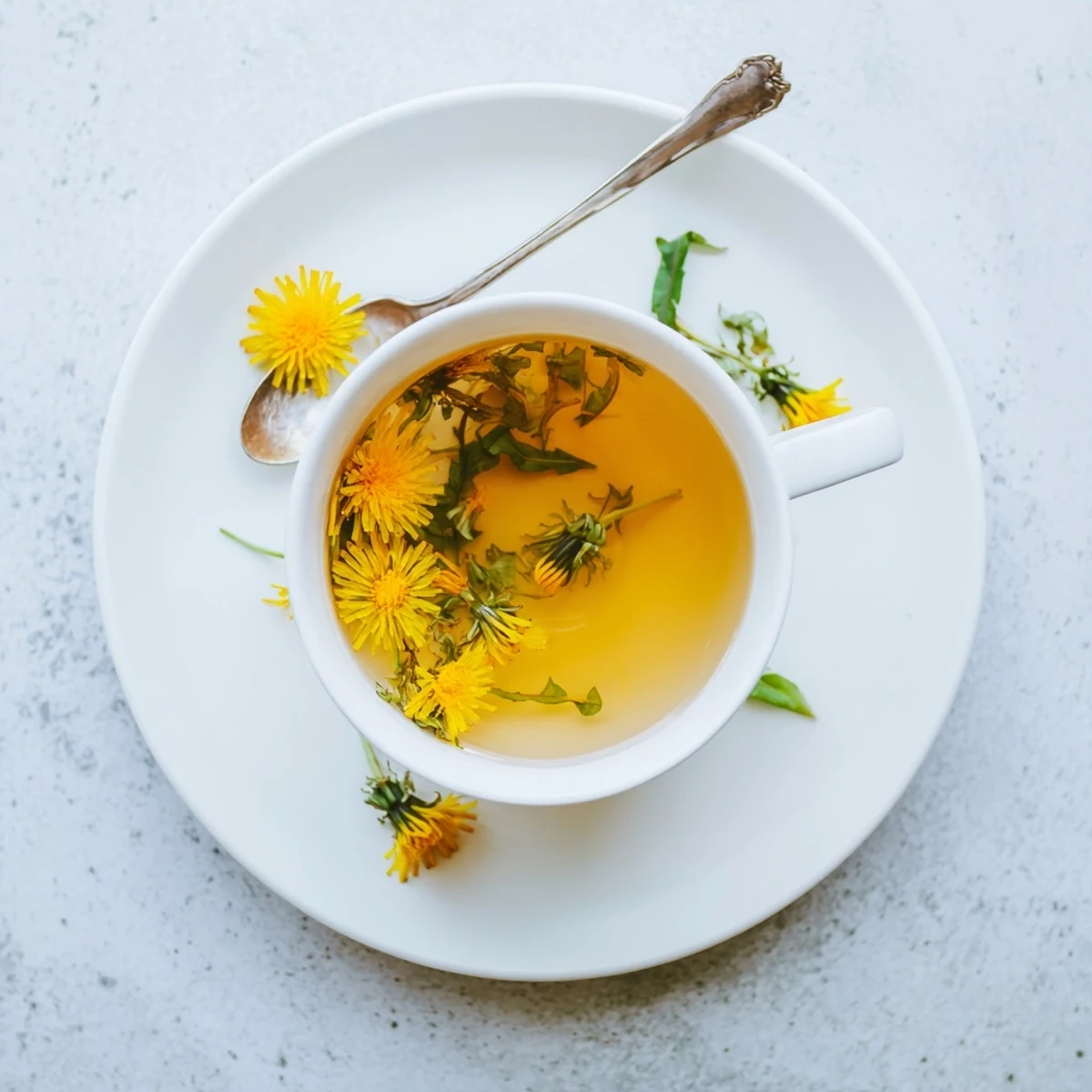
 This wholesome herbal infusion transforms fresh or dried dandelion petals and greens into a light, earthy beverage. The preparation involves carefully rinsing the plant material, then steeping it in hot water for 8–10 minutes to extract beneficial compounds. The result is a naturally caffeine-free drink that supports digestion and provides gentle detoxification. Sweeten with honey or brighten with lemon if desired, though the pure version offers the most authentic earthy flavor profile.
Last spring, I found myself staring at a lawn full of bright yellow dandelion flowers and wondered why we spend so much time trying to eradicate something so generously abundant. My grandmother used to harvest these pesky weeds for tea, and I finally understood why she bothered. There is something deeply satisfying about turning what others consider a nuisance into a nourishing beverage. That afternoon, I gathered a basket full of blossoms and greens, feeling like I was reclaiming a forgotten kitchen tradition.
I made my first batch during a rainy afternoon when I was feeling sluggish and needing something warming but not heavy. The ritual of rinsing those sunny yellow petals and watching them infuse the water with golden color felt meditative. Now whenever I see dandelions dotting the neighborhood, I see tea instead of weeds. My kids think it is hilarious that their mother collects yard weeds for beverages, but they have started asking for it when they feel under the weather.
Ingredients
- Dandelions: Fresh petals and leaves offer the most vibrant flavor, but dried works beautifully when the season has passed. Harvest from areas you know have not been treated with chemicals.
- Water: Filtered water tastes cleanest since the delicate flavor of dandelions deserves a pure backdrop.
- Honey or maple syrup: A touch of sweetness rounds out the natural bitterness if you prefer a milder cup.
- Lemon: Brightens the earthy notes and adds a lovely aroma that complements the herbal character.
Instructions
- Prep your harvest:
- Rinse the fresh petals and leaves thoroughly under cold water, checking for any tiny visitors who might have hitched a ride. I have learned to be gentle so the delicate petals do not bruise or fall apart.
- Heat the water:
- Bring your filtered water to a full boil, then let it sit for about thirty seconds so it is not violently hot when it meets the flowers.
- Combine and steep:
- Place the cleaned dandelion parts in your teapot or heatproof vessel, then pour the hot water over them. Cover immediately to trap the aromatic oils that carry so much of the beneficial compounds.
- Wait patiently:
- Let the mixture steep for 8 to 10 minutes. The longer you wait, the stronger and more medicinal the flavor becomes.
- Strain and serve:
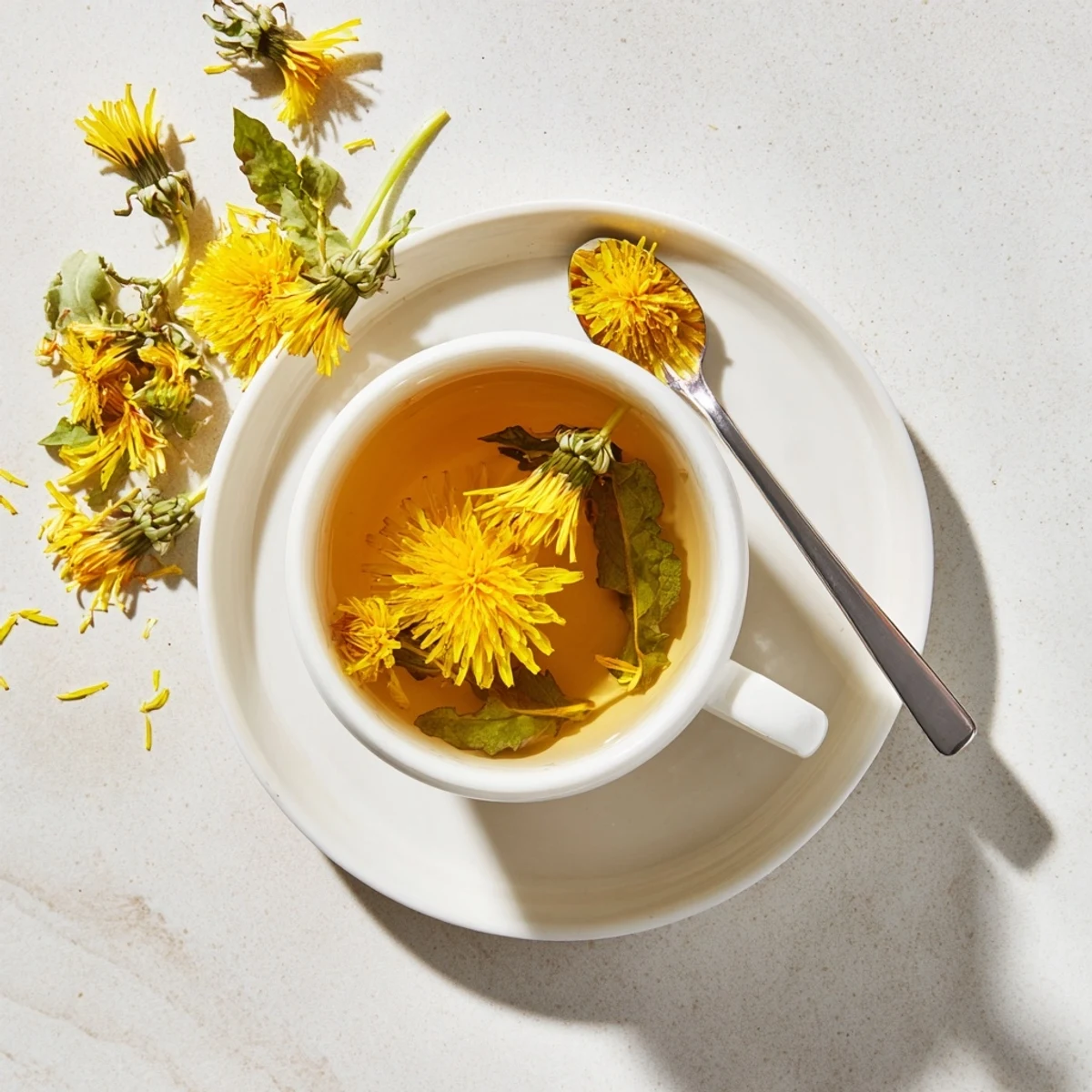
- Pour through a fine mesh strainer into your favorite mug, catching all the plant material. Stir in honey or add a lemon slice if the mood strikes you.
 Save Pin
 This tea has become my spring reset ritual, a gentle reminder that nourishment often grows right beneath our feet. Sharing a cup with skeptical friends who then ask for the recipe has been one of my favorite kitchen victories this year.
Harvesting Wisdom
The best time to gather dandelions is in the morning after the dew has dried but before the sun is high enough to wilt the flowers. Choose flowers that are fully open and vibrant yellow, avoiding any that look brown or past their prime. I have found that picking from different spots around the yard gives me a more interesting flavor profile since soil conditions affect the taste.
Storage Solutions
Fresh dandelion petals and leaves are best used the same day they are harvested, but you can extend their life by storing them in the refrigerator wrapped in a damp paper towel inside a sealed container. For long term storage, spread the cleaned flowers and leaves on a baking sheet and dry them in a warm oven with just the pilot light on, or in a dehydrator until completely crisp. Store the dried herb in a glass jar away from light and moisture.
Flavor Variations
Once you are comfortable with the basic recipe, try adding fresh mint leaves during steeping for a more refreshing cup. A small piece of ginger root adds warmth and pairs beautifully with the earthy dandelion flavor. In autumn, I sometimes add a cinnamon stick while the tea steeps for a cozy twist that feels especially grounding.
- Mix dried dandelion with nettle for a mineral rich blend
- Try it iced on hot days with a splash of apple cider
- A pinch of dried chamomile makes a lovely bedtime version
 Save Pin
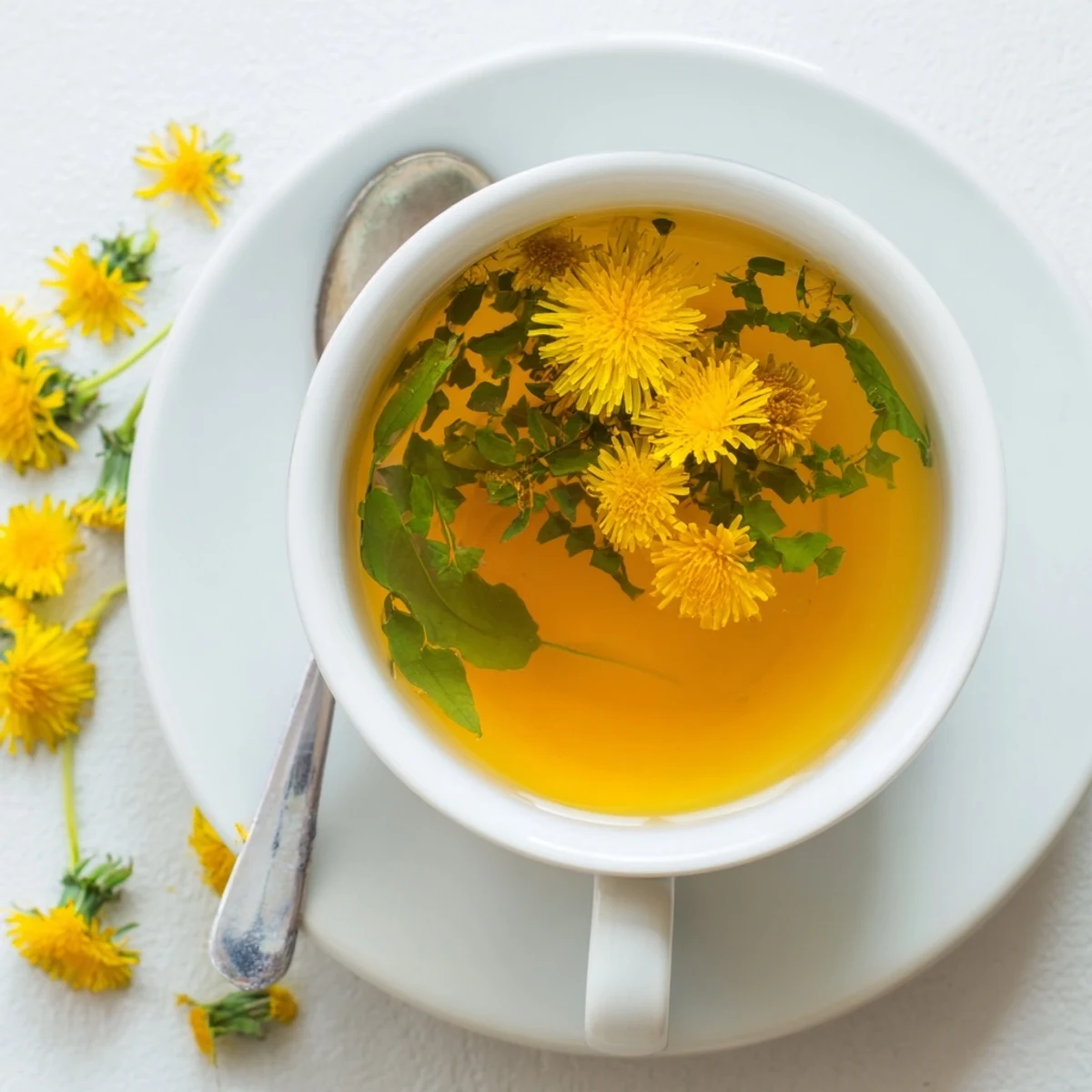
 There is something profoundly empowering about brewing tea from plants you gathered yourself, even if those plants grow in every crack in the sidewalk. May each cup remind you that abundance often appears where we least expect it.
Recipe Questions & Answers
- → What does dandelion tea taste like?
-
Dandelion tea has a light, earthy flavor with subtle herbal undertones. Fresh leaves and petals provide a mild grassy taste, while roasted roots create a deeper, coffee-like brew. The natural bitterness can be balanced with honey or lemon.
- → Can I use store-bought dried dandelion?
-
Yes, dried dandelion works beautifully. Use approximately 2 tablespoons of dried petals and leaves to replace 2 cups of fresh plant material. The steeping process remains the same.
- → Is it safe to harvest wild dandelions?
-
Wild dandelions can be used if harvested from areas free of pesticides, herbicides, and animal waste. Avoid roadsides or treated lawns. Always positively identify the plant and rinse thoroughly before use.
- → How long should I steep the tea?
-
Allow the dandelion to steep covered for 8–10 minutes. This duration extracts beneficial compounds while preventing excessive bitterness. Longer steeping may result in a more intense, bitter flavor.
- → Can I drink this daily?
-
Yes, this caffeine-free herbal infusion can be enjoyed daily. Its gentle properties support digestion and provide natural hydration. Start with one cup per day to assess your body's response.
- → What are the benefits of dandelion tea?
-
Dandelion tea traditionally supports healthy digestion, aids natural detoxification processes, and provides beneficial antioxidants. The leaves contain vitamins A, C, and K, along with minerals like potassium and calcium.