
 Save Pin
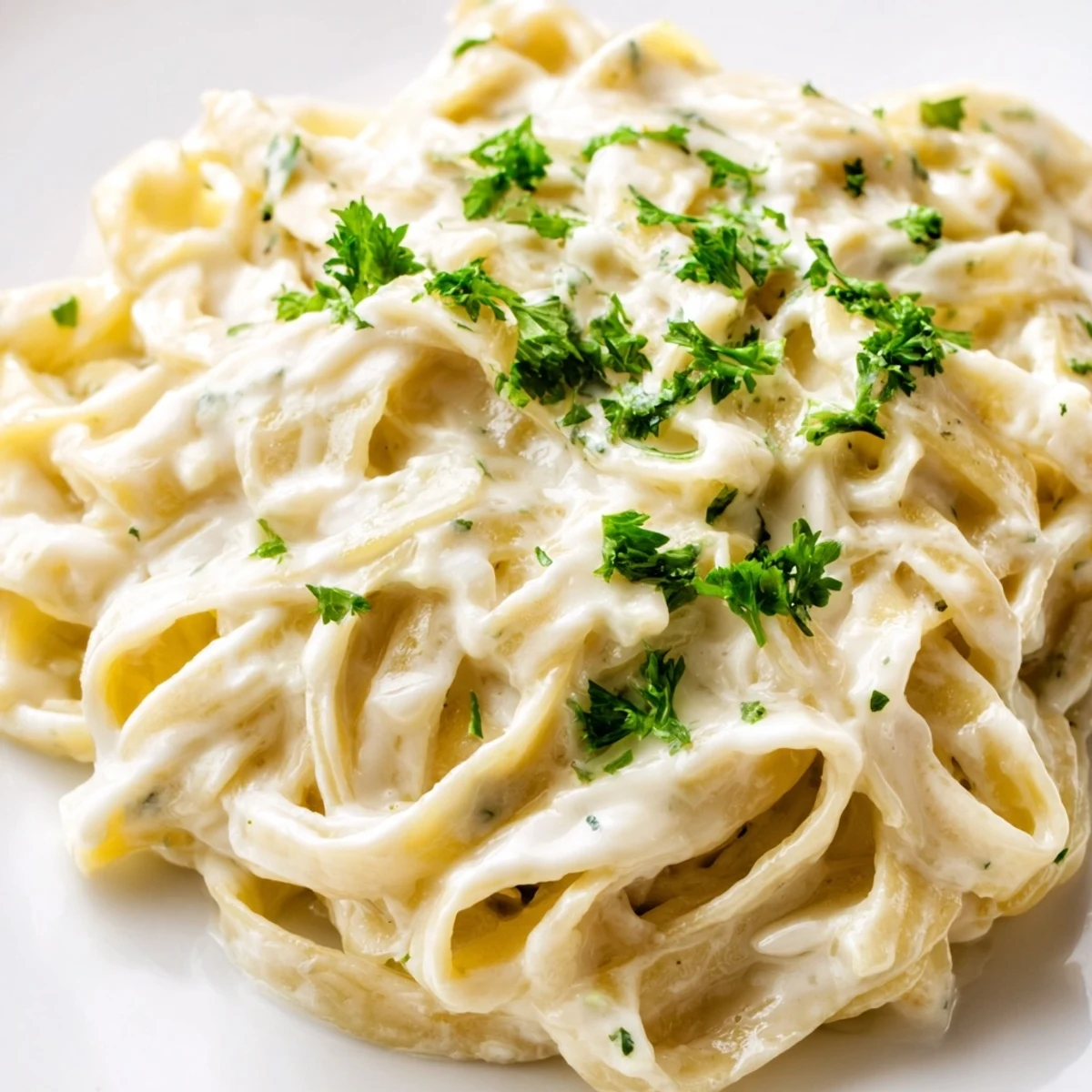
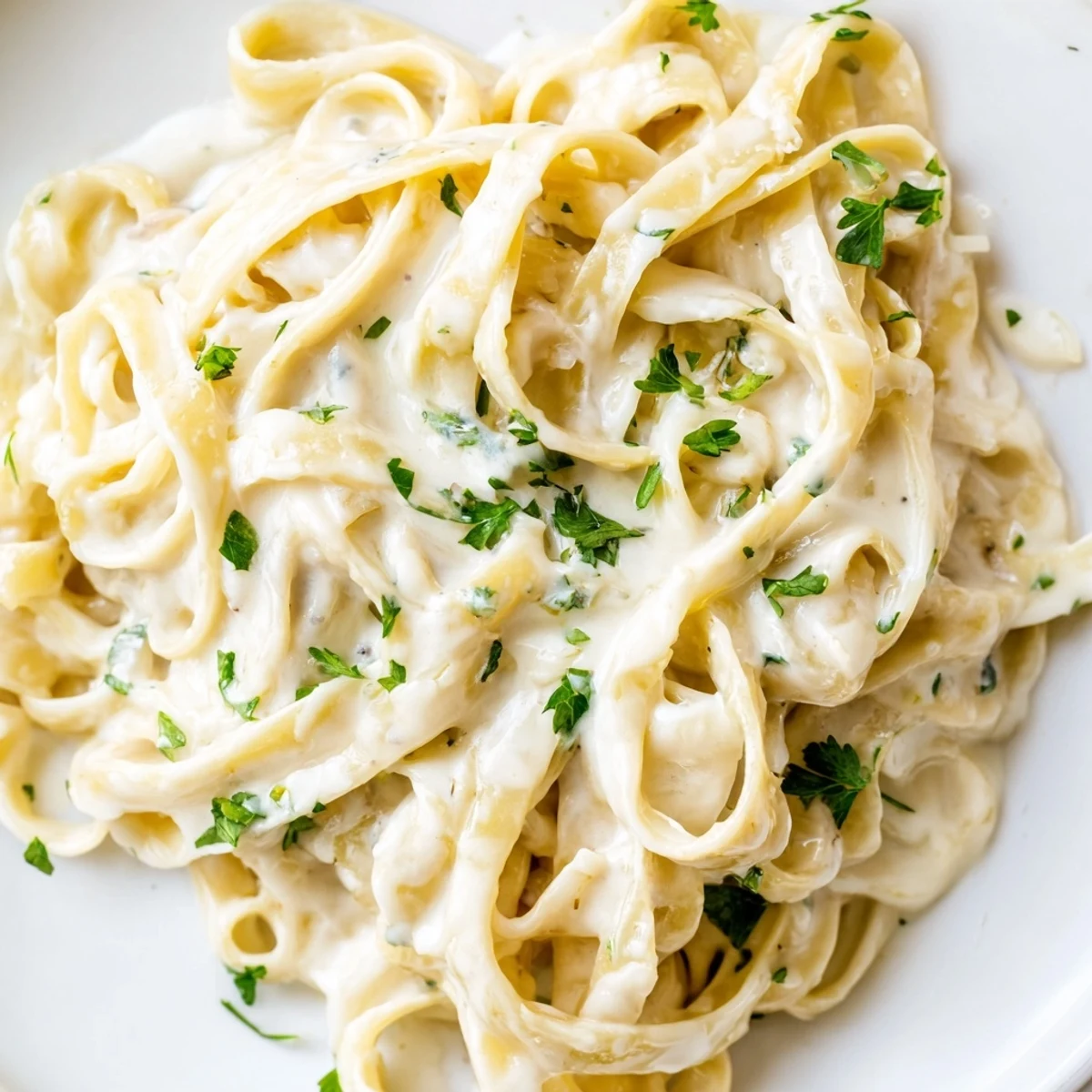
 This dish features tender fettuccine enveloped in a smooth, creamy Parmesan sauce accented by garlic and butter. The sauce is gently simmered to develop a rich texture, while a pinch of nutmeg adds subtle warmth. Fresh chopped parsley brightens the plate, creating a comforting yet refined meal perfect for any occasion. Ideal for vegetarian options, it pairs well with white wines like Pinot Grigio or Chardonnay.
The pasta is cooked al dente and combined with the sauce, which may be adjusted using reserved pasta water for the perfect consistency. Simple ingredients blend harmoniously to deliver a luxurious dining experience in under 30 minutes.
There's something about the way butter hits a hot pan that still stops me mid-conversation every time I cook this—that soft sizzle that fills the kitchen with a smell that promises something really good is about to happen. I discovered this version of Alfredo on a rainy Tuesday night when I had cream in the fridge and nothing much else, and it became the dish I make when I want to feel like I've cooked something impressive without the stress. It's the kind of meal that tastes like you've been in the kitchen for hours, but you're done in under thirty minutes. Simple ingredients, pure comfort.
I made this for my friend Marco once, who's Italian and therefore someone whose opinion on pasta I absolutely needed to worry about, and he went quiet for a second—that pause that either means disaster or something clicked. He came back for seconds, and that's when I knew the recipe was worth keeping close. That moment taught me that good food doesn't need fancy technique, just attention and real ingredients.
Ingredients
- Fettuccine (400g): Use dried fettuccine if fresh isn't available; the shape matters because it catches and holds the sauce in every fold.
- Unsalted butter (60g): This is your base, so don't skip it or substitute oil—butter is where the flavor lives.
- Garlic cloves (2, minced): Fresh garlic makes all the difference; jarred garlic tastes tired in comparison.
- Heavy cream (300ml): Full-fat is non-negotiable here; light cream will split if you look at it wrong.
- Freshly grated Parmesan cheese (120g): This one lesson cost me a grainy, broken sauce years ago—pre-grated cheese has anti-caking agents that fight melting.
- Fine sea salt (1/2 tsp plus more for pasta water): Taste as you go; the pasta water salt matters more than you'd think.
- Freshly ground black pepper (1/4 tsp): Grind it fresh over the sauce at the end for a brightness that stored pepper just won't give.
- Nutmeg (pinch, optional): A whisper of nutmeg is the secret that makes people ask what your special ingredient is.
- Fresh parsley (for garnish): Don't skip this; the green and the freshness cut through the richness in a way that matters.
Instructions
- Start the water and salt it generously:
- Fill a large pot three-quarters full with water and bring it to a rolling boil, then add enough salt that it tastes like the sea. This is your only chance to season the pasta itself, so don't be shy.
- Cook the fettuccine until it's just right:
- Drop the pasta in and stir it once so nothing sticks together. Cook for however long the package says, but taste it a minute or two before that time is up—you want it tender but still with a tiny bit of resistance when you bite it.
- Reserve pasta water, then drain:
- Before you drain, grab a measuring cup and save about half a cup of that starchy, salty water; it's liquid gold for loosening the sauce later. Drain the rest but don't rinse it—that starch is your friend.
- Melt butter and coax out the garlic flavor:
- In a large skillet over medium heat, let the butter melt slowly and then add your minced garlic. Listen for when it goes from silent to just barely crackling, and smell the moment when raw sharpness turns into something sweet—that's about one minute, and that's when you know to stop.
- Pour in cream and let it warm through:
- Add the heavy cream and turn the heat down just enough that small bubbles appear around the edges but it's not a rolling boil. Stir every so often and watch it thicken slightly, which takes about two to three minutes.
- Lower the heat and add cheese slowly:
- This is the moment to be gentle—reduce heat to low and add the grated Parmesan a handful at a time, stirring constantly until each addition melts before you add more. The low heat keeps the cheese from clumping or making the sauce break, and patience here is everything.
- Season and add the quiet touch of nutmeg:
- Sprinkle in salt, pepper, and if you're using it, just a whisper of nutmeg. Taste it and adjust; the flavors should taste bright and balanced, not one-note.
- Toss the pasta into the sauce:
- Add your drained fettuccine and toss gently, using tongs or two forks so every strand gets coated. If it looks too thick, add a splash of that reserved pasta water and toss again.
- Plate and garnish while it's warm:
- Serve immediately into warm bowls and scatter fresh parsley over the top, along with extra Parmesan if you like. This dish doesn't wait well, so eat it while it's at its most silky.
 Save Pin
 There's a quiet satisfaction in watching someone take that first bite and see their shoulders relax a little, like this simple dish gave them permission to slow down for a moment. That's what I love most about this recipe—it's not trying to impress with complexity, just with genuine, honest flavor.
The Secret Life of Good Parmesan
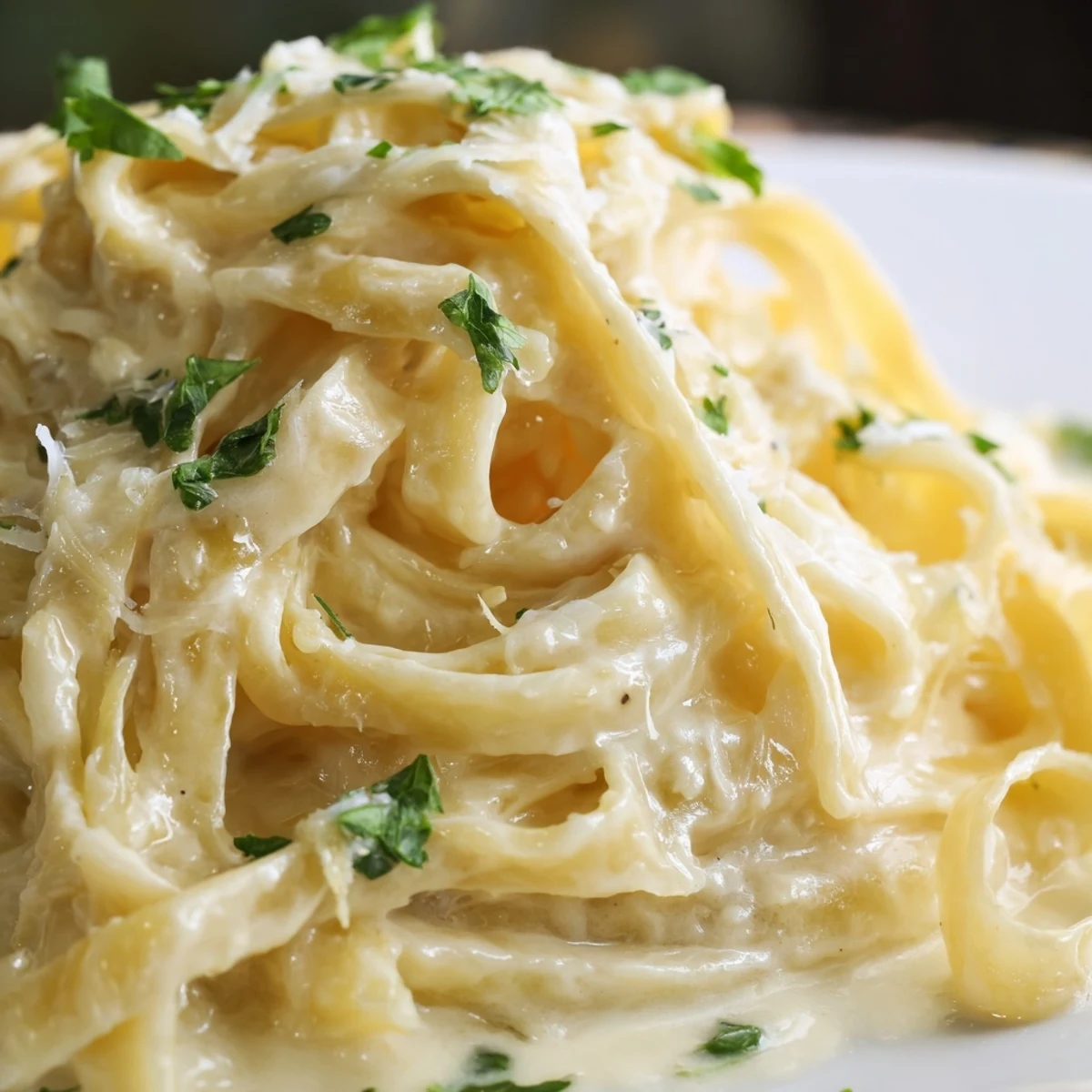
Years ago I learned that pre-grated Parmesan is basically saw dust held together with potato starch, and that one discovery changed how I make this dish. The difference between freshly grated cheese and the bagged kind is the difference between a sauce that's velvety and one that's grainy and sad—I now grate my block right before I need it, even if it takes an extra minute. A microplane grater makes it faster and finer than a box grater, and the extra fineness means it melts faster and more completely, which matters more than you'd think.
When Simple Becomes Elegant
This dish proves that restaurant-quality food doesn't require restaurant-level technique or ingredients you can't pronounce. What it does require is real cream, real butter, and real cheese—the kinds of things that were already in Italian kitchens centuries ago, unchanged and uncomplicated. The elegance comes from giving those simple things the space and heat and attention they deserve, nothing more.
Small Changes, Big Difference
Once you nail this base, the variations reveal themselves naturally—a handful of mushrooms sautéed in butter before the cream, or shrimp added in the last minute, or crispy pancetta crumbled on top, or a handful of fresh peas stirred in at the end. Each one is good, but this plain version is the one I return to most often, the way you return to a favorite song. There's a reason the classics last, and it's because they work.
- If you want to add protein, cook it separately and stir it in at the very end so the sauce stays silky.
- A squeeze of fresh lemon juice right at the end brightens everything without making the dish taste sour.
- Eat this immediately and don't leave it sitting; Alfredo is at its best when it's hot and glossy, not five minutes later.
 Save Pin
 This is comfort that doesn't apologize, elegance that doesn't perform. Make it when you want to feel taken care of, even if you're the one doing the taking care. That's the whole point.
Recipe Questions & Answers
- → How do I achieve a smooth Alfredo sauce?
-
Melt butter and sauté garlic gently before adding cream. Stir continuously when adding Parmesan to avoid clumps and ensure a silky texture.
- → Can I adjust the sauce thickness?
-
Yes, use reserved pasta water gradually to thin the sauce to your preferred consistency while tossing the pasta.
- → What adds depth to the sauce’s flavor?
-
Freshly grated Parmesan and a pinch of nutmeg enhance the richness and complexity of the sauce.
- → Can this dish accommodate added proteins?
-
Yes, cooked chicken, shrimp, or sautéed mushrooms can be added to complement the creamy sauce and pasta.
- → How should I garnish the dish?
-
Freshly chopped parsley adds color and a fresh note that balances the creamy sauce beautifully.