
 Save Pin
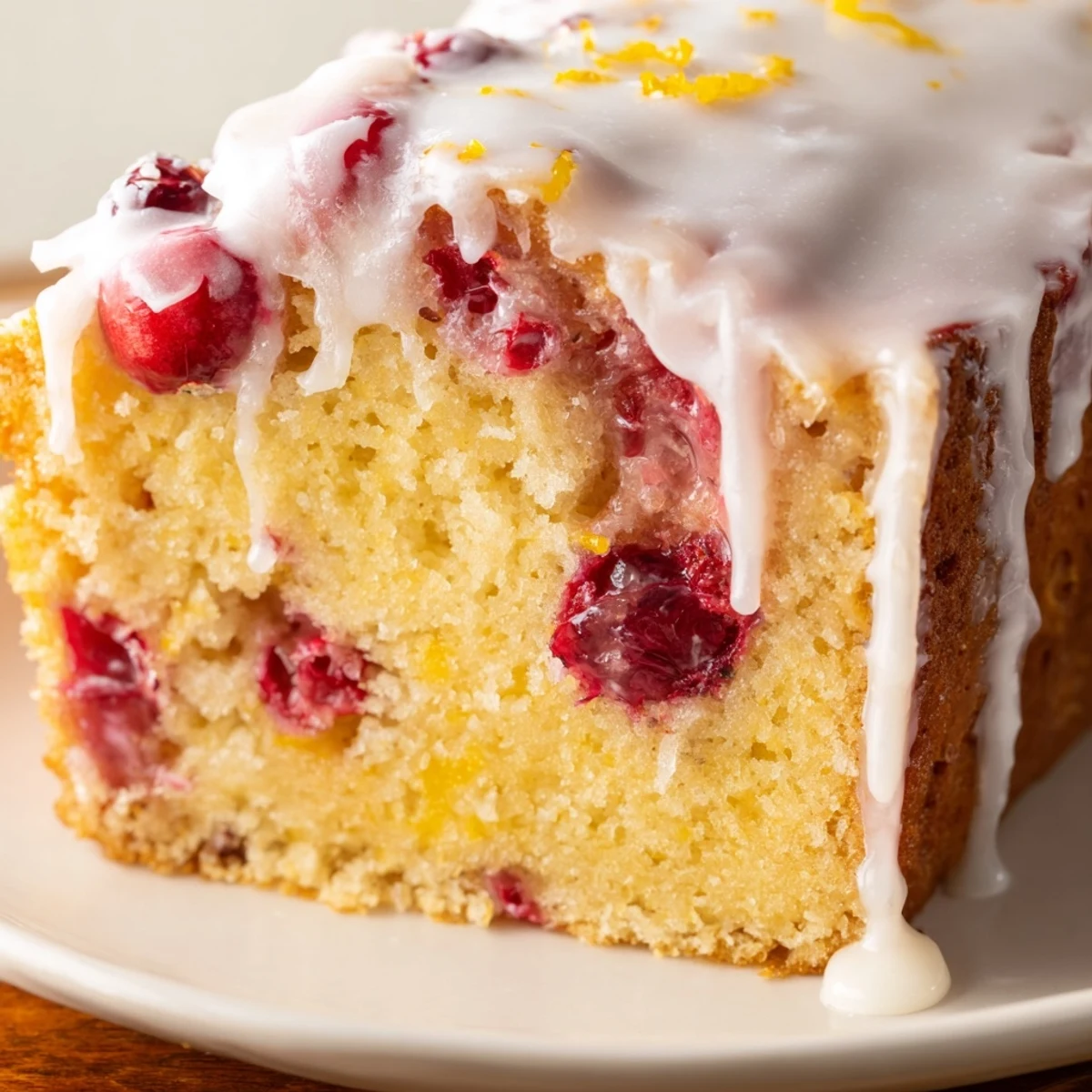
 This loaf combines the tartness of fresh cranberries with bright orange flavors, baked to a moist and tender texture. A sweet citrus glaze adds a glossy finish that balances the zest. Prepared swiftly with simple ingredients like Greek yogurt and vanilla, it’s an inviting treat suited for breakfast or a snack. Baking requires moderate heat and attention to prevent over-browning, ensuring the loaf remains soft and flavorful.
Optional additions like cinnamon or lemon provide versatility, while careful folding preserves the cranberry’s texture. Store in a sealed container to maintain freshness and enjoy alongside tea or sparkling prosecco.
The first time I made this loaf, my kitchen smelled like a Seville orange grove had somehow moved into my small apartment. My neighbor knocked on the door mid-bake, convinced I was making marmalade, and I realized right then that this recipe was something special—one of those rare things that transforms a regular Tuesday morning into something worth remembering.
I brought a slice to my mom's book club last month, and three people asked for the recipe that same afternoon. My mom actually took a photo of it before anyone ate it, which doesn't happen often in our family—we're more of a dig-in-immediately kind of group.
Ingredients
- All-purpose flour (2 cups): The foundation here, but don't sift obsessively; just measure and level for consistency.
- Baking powder and baking soda (1½ tsp and ½ tsp): This combination gives you that tender crumb that makes people think you're a better baker than you actually are.
- Salt (½ tsp): Balances everything and makes the citrus pop louder.
- Granulated sugar (1 cup): The sweetness anchor—use actual granulated, not turbinado or anything fancy.
- Unsalted butter, softened (½ cup): Room temperature is non-negotiable here; cold butter won't cream properly and you'll miss that fluffy lift.
- Eggs (2 large): Room temperature too, believe it or not—they blend smoother and trap more air.
- Greek yogurt or sour cream (½ cup): This is where the moisture magic happens; it keeps the loaf tender long after it cools.
- Milk (¼ cup): Thins out the batter just enough so it bakes evenly.
- Orange zest (from 1 large orange): Don't skip this; it holds flavor that juice alone can't deliver.
- Fresh orange juice (¼ cup): Use fresh-squeezed if you can—bottled will work but won't have that same brightness.
- Fresh or frozen cranberries (1½ cups): If yours are large, halving them prevents dense pockets of tartness and helps them distribute evenly.
- Vanilla extract (1 tsp): A background note that rounds out all the citrus sharpness.
- Powdered sugar for glaze (1 cup, sifted): Sifting matters here because lumps will never fully dissolve and you'll get a grainy glaze.
- Orange juice for glaze (2–3 tbsp): Start with 2, then add more until you reach that drizzle consistency—not soup, not frosting.
Instructions
- Prep the pan and heat the oven:
- Set your oven to 350°F and get a 9x5-inch loaf pan ready with parchment paper. This takes two minutes but saves you from a stuck loaf later, which is worth every second.
- Mix the dry team:
- Whisk flour, baking powder, baking soda, and salt in a medium bowl. You want these ingredients evenly distributed so your loaf rises uniformly.
- Cream butter and sugar until fluffy:
- This step is where butter and sugar trap air and set the stage for a tender crumb. Beat them for about 2–3 minutes until the mixture looks pale and cloud-like; that's your signal they're ready.
- Add eggs one at a time:
- Drop one egg in, beat until it disappears into the butter mixture, then repeat. Rushing this step means uneven texture.
- Fold in the wet ingredients:
- Add yogurt or sour cream, milk, orange zest, orange juice, and vanilla, stirring just until smooth. The mixture will look loose and tangy at this point, which is exactly right.
- Gently combine wet and dry:
- Pour the dry ingredients into the wet mixture and fold with a spatula until you barely see streaks of flour. Overmixing at this stage develops gluten and turns your loaf tough and dense.
- Fold in the cranberries:
- Gently turn the cranberries through the batter so they're evenly scattered. If you stir too vigorously, they'll break down and bleed color.
- Transfer and bake:
- Pour into your prepared pan, smooth the top gently, and slide it into the oven. Bake for 50–60 minutes—start checking around the 50-minute mark with a toothpick; when it comes out clean or with just a few moist crumbs, you're done.
- Cool properly:
- Let the loaf rest in the pan for 10 minutes (this helps it firm up), then turn it out onto a wire rack to cool completely. Glazing a warm loaf will make the glaze run off, so patience here pays off.
- Make and apply the glaze:
- Sift powdered sugar into a small bowl, whisk in orange juice a tablespoon at a time until you reach a drizzle consistency, then pour it over the cooled loaf. Let it set for at least 15 minutes before slicing.
 Save Pin
 Last winter, I made this for a small gathering on a rainy Sunday, and someone described it as tasting like happiness looks. I'm not sure what that means exactly, but I've thought about it ever since.
Citrus Variations Worth Trying
Orange is the star here, but the formula adapts beautifully to other citrus moods. Lemon zest and juice swap in seamlessly if you want something sharper and more spring-like, while grapefruit adds a subtle bitterness that works wonderfully if you reduce the cranberries slightly. I've even mixed orange and blood orange for a loaf that looked almost pink inside and tasted more complex than it had any right to.
Storage and Keeping
This loaf stays moist and pleasant at room temperature for three days in an airtight container, though honestly, it rarely lasts that long in my kitchen. If you want it to last longer, wrap it well and refrigerate it—the yogurt helps it stay tender even after a few days cold. It also freezes beautifully for up to a month if you wrap it in plastic wrap and then foil, and it thaws at room temperature in about four hours.
Pairings and Moments
Slice this warm or room temperature with a cup of strong black tea, and you've got a moment that feels intentional. It's equally at home alongside Prosecco for a casual brunch, or packed into a small container for an afternoon pick-me-up at the office. The tartness and citrus brightness cut through both morning fog and afternoon slump without feeling heavy.
- A sprinkle of fleur de sel on the glaze before it sets adds a sophistication that seems almost accidental.
- This loaf is forgiving enough for beginners but impressive enough to bring to someone who actually cares about what they eat.
- Make it ahead of time; it actually tastes better the day after baking once the flavors have settled into each other.
 Save Pin
 This is the kind of recipe that teaches you how to bake without feeling like a lesson. Make it once and you'll understand moisture, acid balance, and tender crumb in ways that actually stick.
Recipe Questions & Answers
- → How do I keep the loaf moist?
-
Use ingredients like Greek yogurt or sour cream and avoid overmixing the batter. Baking at the right temperature and cooling properly also helps maintain moisture.
- → Can I substitute the cranberries?
-
Fresh or frozen cranberries work best, but you can try other tart berries like raspberries for a different twist.
- → What’s the best way to add extra flavor?
-
Adding ground cinnamon to the dry ingredients enhances warmth and depth, complementing the citrus and berry notes.
- → How do I prevent the loaf from over-browning?
-
After 40 minutes of baking, tent the loaf loosely with foil to slow browning and ensure even cooking.
- → How should I store the loaf?
-
Keep it in an airtight container at room temperature for up to three days, or refrigerate for longer freshness.
- → What pairs well with this loaf?
-
It pairs beautifully with black tea or a glass of Prosecco, balancing the tart and sweet flavors.