
 Save Pin
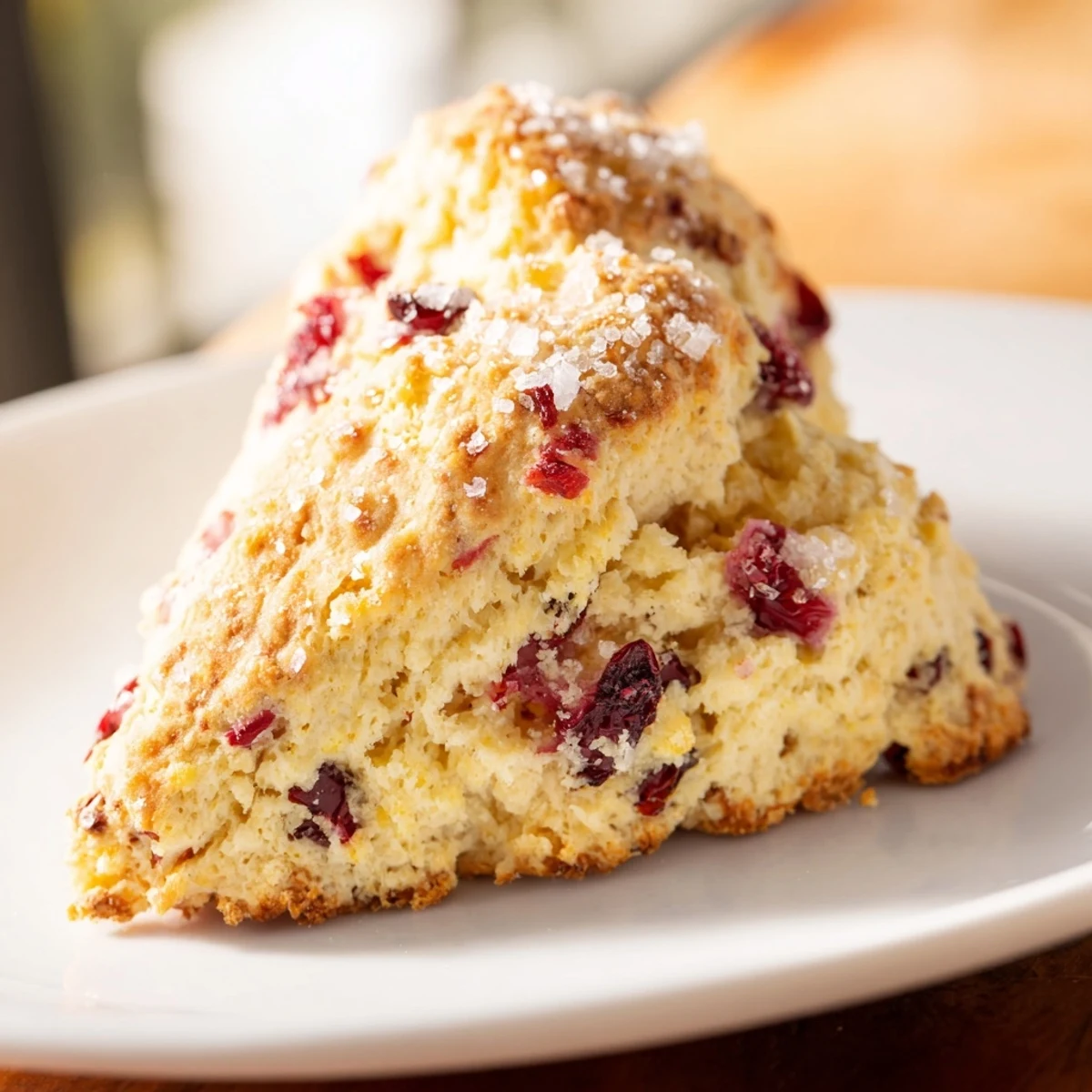
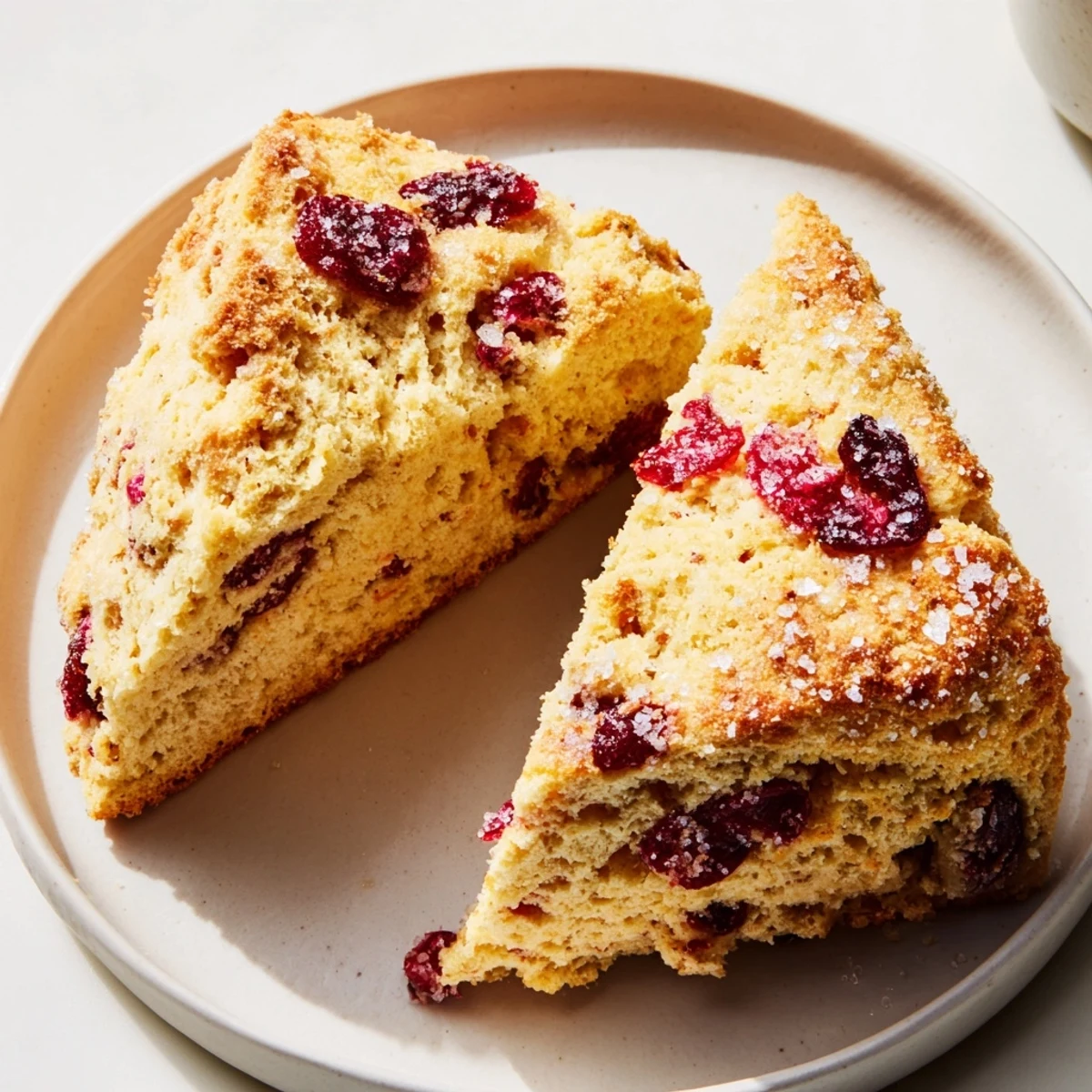
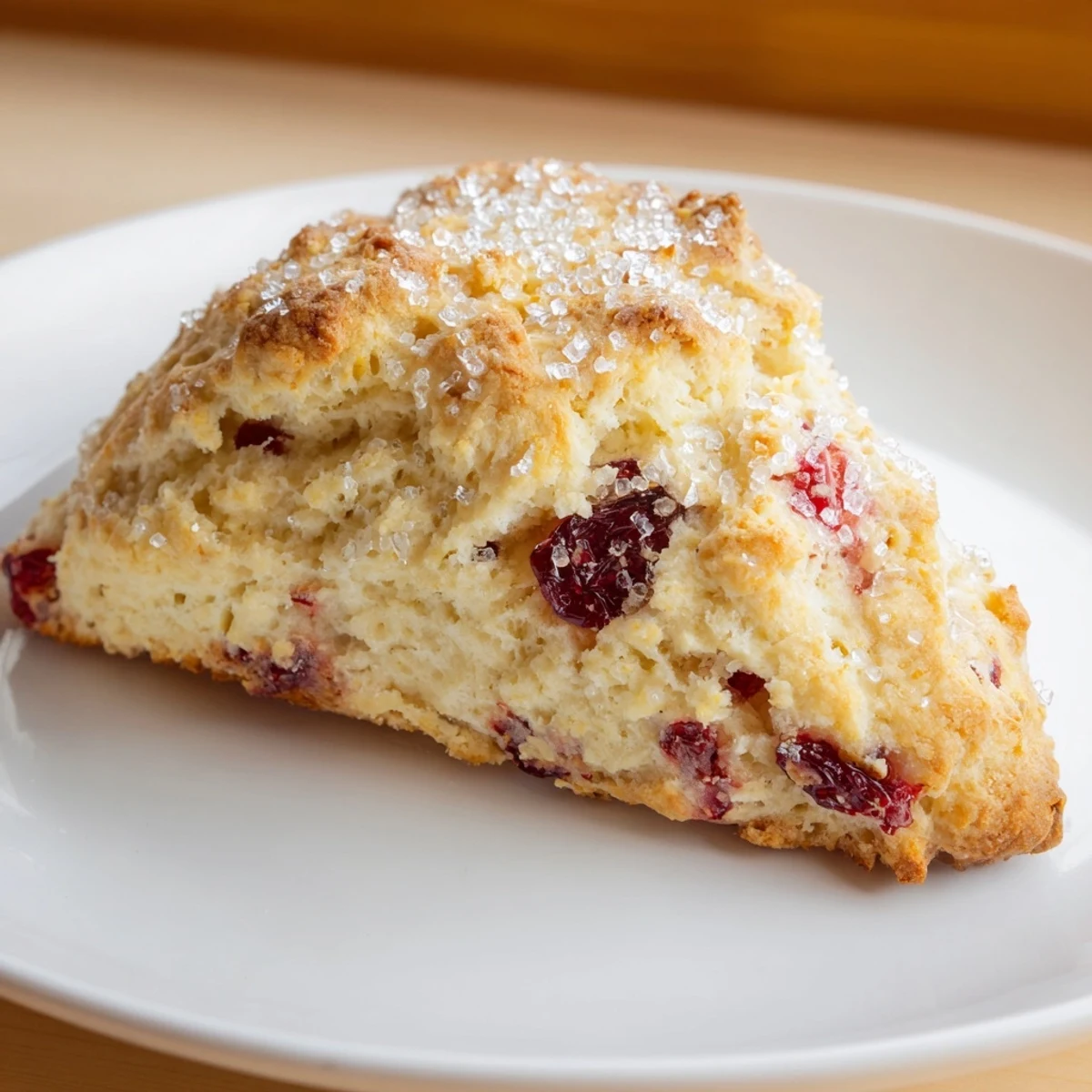
 These tender scones combine cold, cubed butter and buttermilk to create a soft, crumbly texture. Studded with tart dried cranberries, they bring a perfect balance of sweet and tangy flavors. Simple mixing and gentle folding help maintain a light crumb, while a sprinkle of coarse sugar adds a crispy finish. Ideal fresh out of the oven and perfect alongside tea or your favorite spread.
There's something about the smell of buttery scones baking that fills a kitchen with pure comfort. Years ago, a neighbor brought me a batch one Saturday morning, still warm from her oven, and I spent the next week trying to reverse-engineer her recipe. Those tender, cranberry-studded rounds became my own kitchen obsession, and now I make them whenever I need that particular kind of morning magic. This version finally captures what made hers so special—the crucial balance of cold butter and minimal mixing, plus that tart-sweet pop of cranberries in every bite.
I'll never forget the first time I served these to my book club on a rainy Tuesday—someone actually asked for the recipe before finishing their first scone, which felt like winning an invisible baking medal. That afternoon became the reason I keep cranberries stocked in my pantry year-round. One friend still texts me photos of her own attempts, and somehow knowing these scones are showing up at other kitchen tables makes them taste even better.
Ingredients
- All-purpose flour (2 cups): The foundation of every great scone—don't sift unless yours is noticeably lumpy, as gentle handling is the secret to tenderness.
- Granulated sugar (1/4 cup): Balances the tartness of cranberries without making these taste like dessert for breakfast.
- Baking powder and baking soda (2 tsp and 1/2 tsp): These two work together for proper rise and structure; use fresh leavening agents or your scones will deflate.
- Salt (1/2 tsp): Amplifies the cranberry flavor and prevents everything from tasting flat.
- Unsalted butter, cold and cubed (1/2 cup): The warmth of your hands is the enemy here—keep it cold straight from the fridge for those precious flaky layers.
- Buttermilk, cold (2/3 cup): The acidity creates tender crumb and tangy depth; a regular milk swap will shift the whole texture.
- Large egg (1): Binds the dough while the yolk adds richness and helps create that golden, appetizing exterior.
- Dried cranberries (2/3 cup): Toss them with a bit of flour before folding in so they distribute evenly instead of sinking to the bottom.
- Milk or cream for brushing (1 tbsp) and coarse sugar (2 tbsp): Optional but worth the extra step—they create a subtle crunch and professional finish.
Instructions
- Set up and preheat:
- Get your oven heating to 400°F and line a baking sheet with parchment paper while you gather everything—this recipe moves quickly once you start, so having your stage cleared prevents panicked scrambling.
- Build the dry base:
- Whisk flour, sugar, baking powder, baking soda, and salt in a large bowl, making sure the leavening is evenly distributed throughout so every scone rises the same way.
- Cut in the butter:
- Add your cold, cubed butter and use a pastry cutter, fork, or your fingertips to work it into the flour until the mixture looks like coarse breadcrumbs with pea-sized pieces of butter still visible. This is not the time for a food processor—those visible butter bits are what create the flaky layers.
- Add the cranberries:
- Stir in the dried cranberries gently, making sure they're coated and dispersed so each scone gets a fair share of tartness.
- Bring the dough together:
- In a small bowl, whisk buttermilk and egg together, then pour into the dry mixture and stir just until the dough comes together—overworking it is the fastest way to tough, dense scones. Stop as soon as you don't see dry flour.
- Shape into wedges:
- Turn the dough onto a lightly floured surface and gently pat it into a 1-inch thick round, then cut it like a pie into 8 wedges and arrange them on your prepared baking sheet with a tiny bit of space between them.
- Optional: glam them up:
- Brush the tops lightly with milk or cream and sprinkle with coarse sugar if you want that bakery-quality sparkle and crunch.
- Bake until golden:
- Slide them into your preheated oven for 16-18 minutes, watching for deep golden-brown exteriors and a cooked-through center—the moment they're done, they'll smell irresistible and look like something a proper baker made.
- Cool slightly before serving:
- Resist the urge to eat them piping hot straight from the pan; let them rest for a few minutes so the crumb sets and the texture becomes less fragile.
 Save Pin
 The moment someone told me they froze half the batch and baked them straight from frozen—adding just one extra minute to the bake time—I realized these scones had transcended my kitchen and taken on a life of their own. Now I make double batches specifically so people can have them on demanding mornings when they need something homemade but don't have the time.
Flavor Pairing Ideas
The tartness of cranberries is your secret weapon here, playing beautifully against creamy toppings and warm beverages. Clotted cream softens the berry tang while jam amps it up further, and a simple smear of good butter lets the scone itself shine. Earl Grey tea, black coffee, or even a delicate white wine work beautifully—the key is letting the scone be the star, not burying it under overpowering flavors.
Making Them Ahead
Scone dough freezes beautifully for up to a month, so you can shape the wedges, lay them on a tray, and pop them in the freezer until they're solid before transferring to a freezer bag. Bake straight from frozen, adding just a minute or two to the bake time—they'll taste like you made them fresh that morning. You can also bake the whole batch and freeze the cooled scones, reheating them gently in a 300°F oven for about five minutes to restore that just-baked tenderness.
Variations and Substitutions
Once you master the basic technique, scones become a canvas for whatever you're craving. Swap cranberries for blueberries, cherries, or even chocolate chips, or try adding a touch of vanilla or lemon zest to the dry ingredients for subtle complexity. The rules stay the same—keep everything cold, don't overmix, and respect the butter.
- If buttermilk isn't in your fridge, stir 2 teaspoons of lemon juice or white vinegar into regular milk and let it sit for five minutes; it won't be identical but it works in a pinch.
- Fresh or frozen cranberries can replace dried ones if you chop them roughly and toss with a tiny bit of flour first so they don't bleed into the dough.
- These scones sing with clotted cream and jam, but they're equally happy with softened butter, honey, or just eaten plain while still warm.
 Save Pin
 These scones remind me that the best recipes are the ones that feel effortless to make but impossible to stop eating. Bake them, share them, and watch people light up the moment they taste one.
Recipe Questions & Answers
- → What type of flour is best for these scones?
-
All-purpose flour is recommended to achieve a tender but sturdy crumb suitable for scones.
- → Can I substitute buttermilk in the batter?
-
Yes, mix 2/3 cup milk with 2 teaspoons lemon juice or vinegar as an alternative for buttermilk.
- → How do I incorporate the butter for the best texture?
-
Cut the cold butter into the dry ingredients until the mixture resembles coarse crumbs, ensuring flaky, tender scones.
- → Should I brush the scones before baking?
-
Brushing the tops with milk or cream and sprinkling coarse sugar enhances browning and adds a slight crunch.
- → How should the dried cranberries be prepared?
-
Use dried cranberries as is or toss chopped frozen cranberries with flour before mixing to prevent sinking.