
 Save Pin
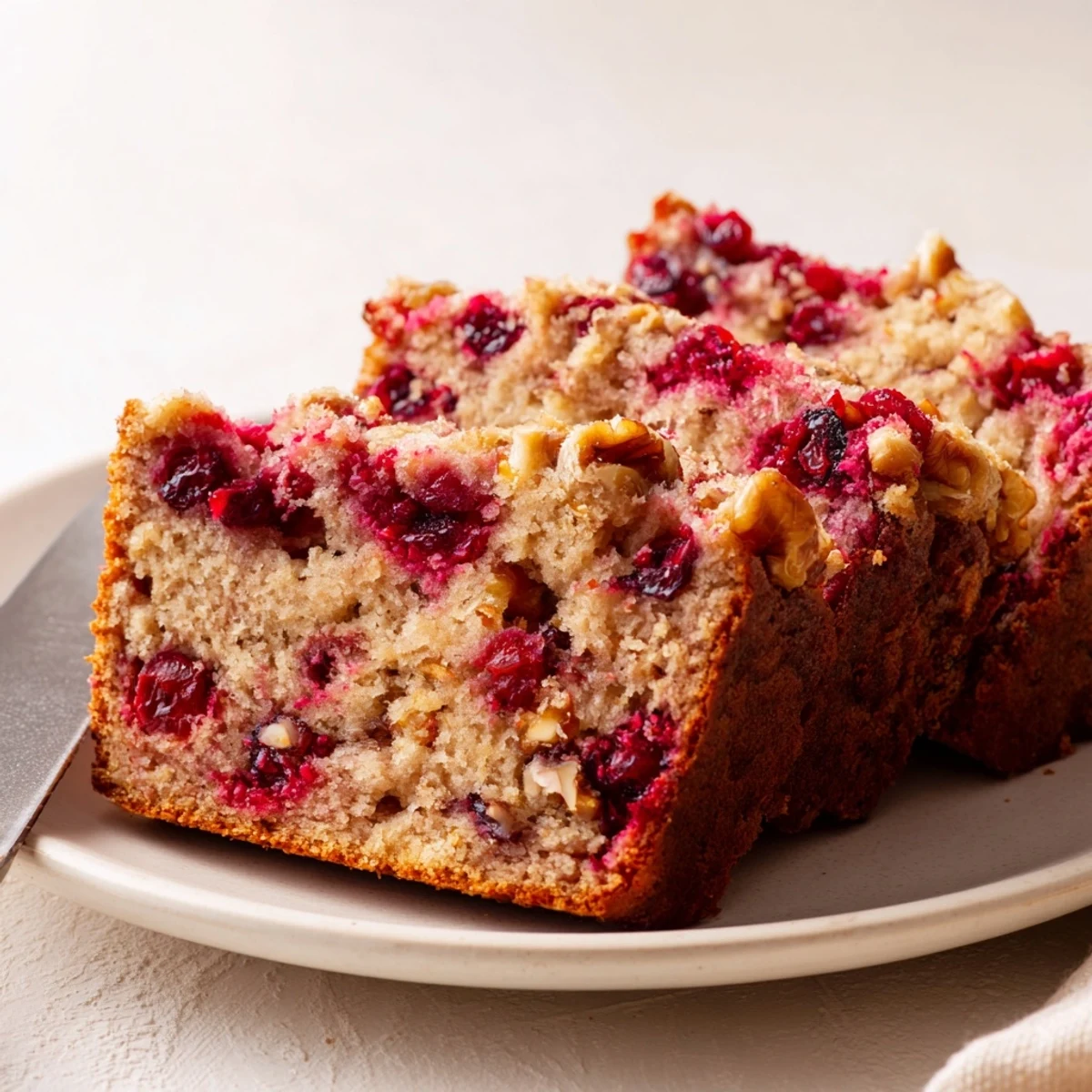
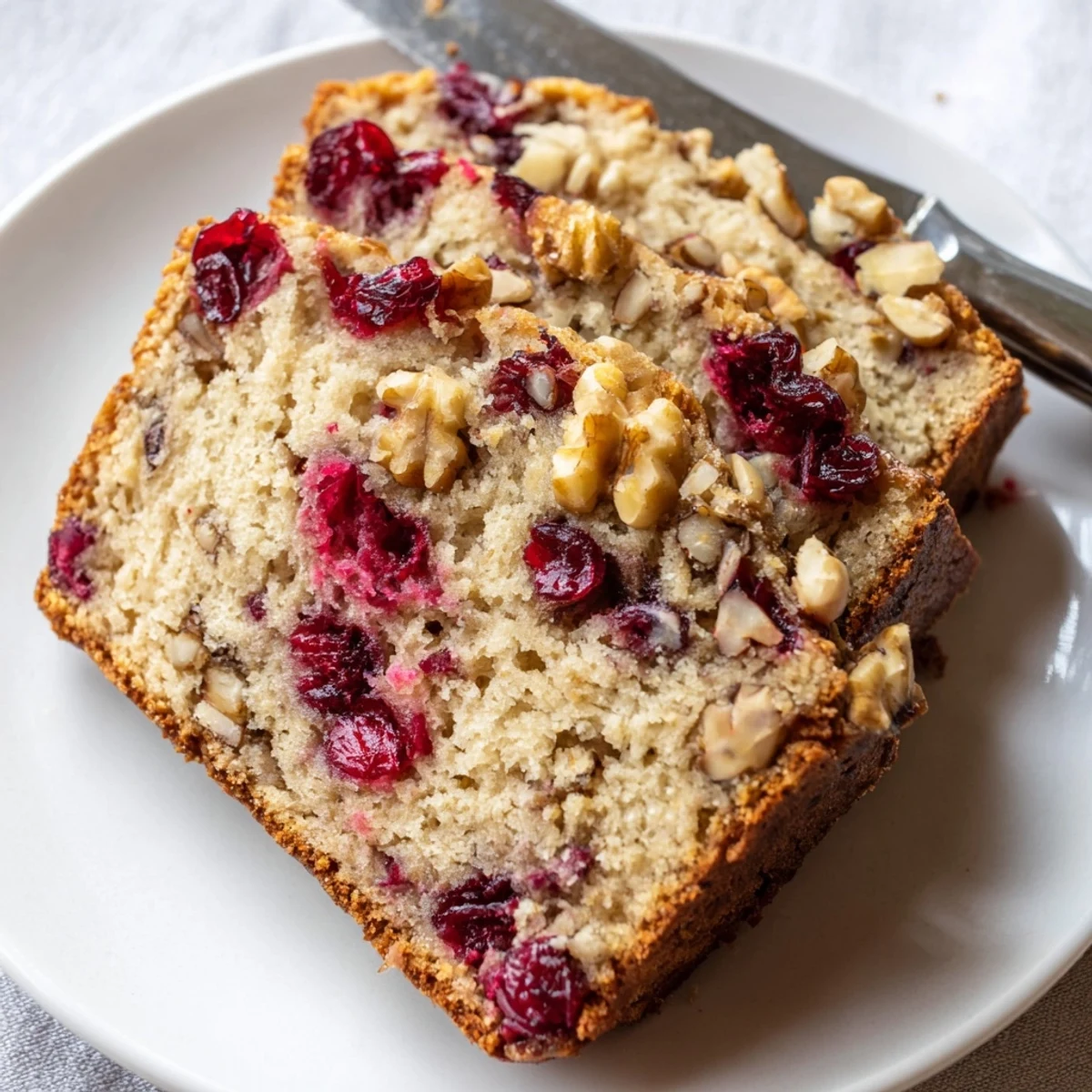
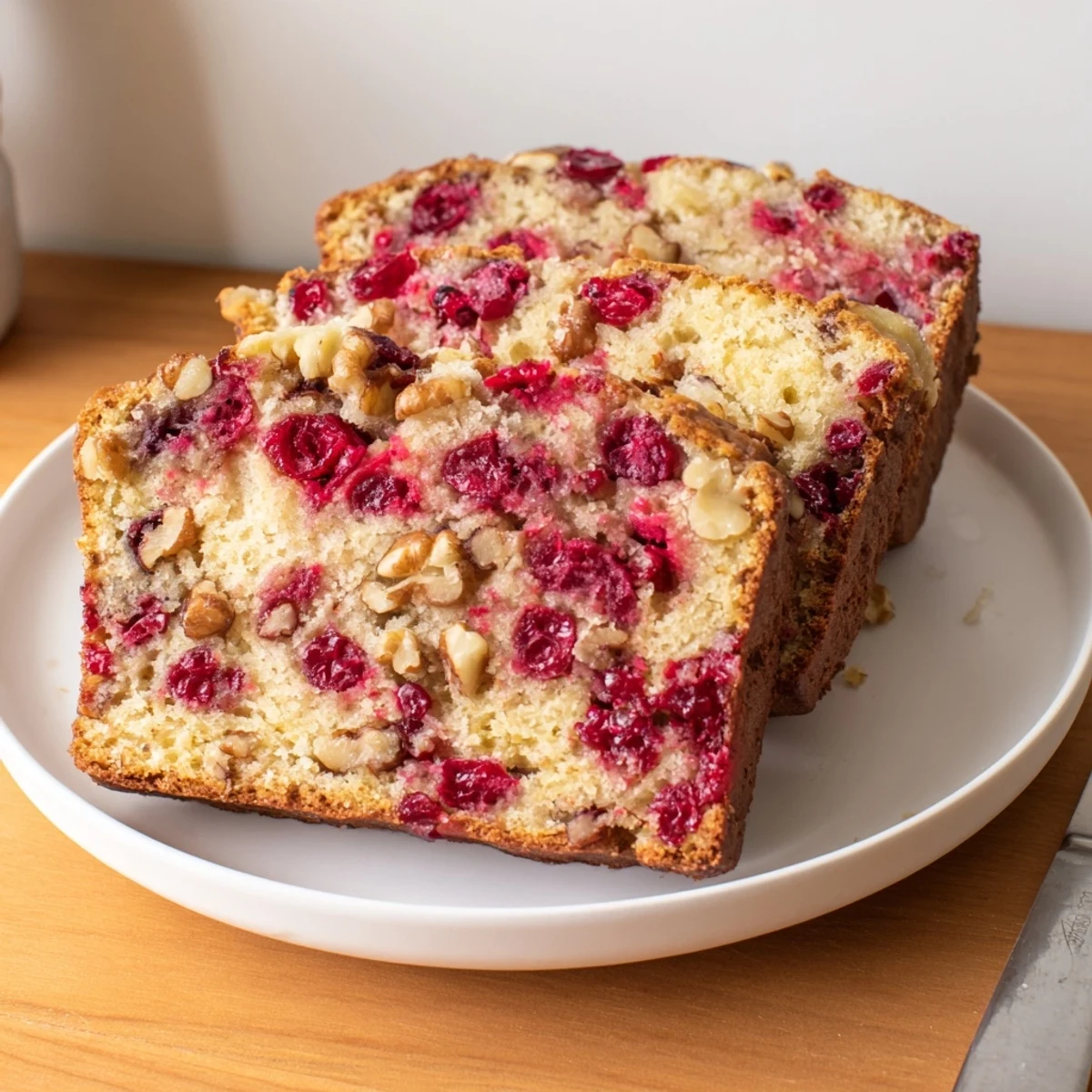
 This moist bread loaf offers a delightful balance of sweetness and tartness from fresh cranberries. A blend of all-purpose flour, sugar, and baking powder creates a tender crumb, while orange zest adds a bright citrus note. Softened with milk and oil or butter, and enhanced by vanilla, the batter is gently folded to preserve the berries' texture. Baked until golden and cool, it delivers a flavorful slice perfect for breakfast or an afternoon snack.
I discovered this cranberry bread on a chilly November morning at my aunt's farmhouse kitchen, where she pulled a golden loaf from the oven and filled the entire house with the most comforting aroma—tart cranberries mingling with butter and vanilla. She sliced it warm, spread soft butter across the still-steaming crumb, and handed me a piece without a word. That single bite became a tradition I've remade countless times since, each loaf a little love letter to that perfect moment.
I'll never forget the morning my daughter came downstairs, smelled this bread toasting, and asked if we could make it together every single Saturday. Now it's our ritual—she helps measure the cranberries, we toast walnuts together, and somehow that kitchen moment has become as important as the eating part.
Ingredients
- All-purpose flour (2 cups): The foundation that gives this bread its tender crumb; make sure it's spooned and leveled, not scooped straight from the bag, or you'll end up with a dense loaf
- Granulated sugar (1 cup): Sweetens the bread without overpowering the cranberries—resist the urge to add more or the texture will become gummy
- Baking powder (1½ tsp): This is your rise agent; don't skip it or use old baking powder or your loaf will be flat and disappointing
- Baking soda (½ tsp): Works alongside the baking powder to ensure an even, moist crumb throughout
- Salt (½ tsp): Balances sweetness and makes all the flavors sing—never omit
- Whole milk (¾ cup): Creates moisture and tenderness; use real milk, not a substitute, for the best texture
- Vegetable oil or melted butter (⅓ cup): Oil gives a more tender crumb than butter alone, but either works beautifully
- Large eggs (2): Bind everything together and add richness; they must be room temperature for even mixing
- Vanilla extract (1 tsp): The secret ingredient that makes people pause and ask what that lovely flavor is
- Orange zest (from 1 orange): This small addition lifts the entire loaf—I learned this the hard way after making it a dozen times before trying it, and I've never gone back
- Fresh or frozen cranberries (1½ cups): If using frozen, keep them frozen until folding them in—they'll stay suspended in the batter instead of sinking to the bottom
- Chopped walnuts or pecans (½ cup, optional): Adds texture and a subtle earthiness that complements the tartness perfectly
Instructions
- Prepare your pan and oven:
- Preheat to 350°F and grease your 9x5-inch loaf pan generously, dusting with flour so nothing sticks. This is the moment everything begins—make sure your oven has had a good 15 minutes to reach temperature so your bread rises evenly and bakes through.
- Combine the dry ingredients:
- In a large bowl, whisk together flour, sugar, baking powder, baking soda, and salt. Take your time here, making sure the baking powder and soda are evenly distributed or you'll get bitter pockets in your finished loaf.
- Blend the wet ingredients:
- In another bowl, whisk together milk, oil or butter, eggs, vanilla, and orange zest until smooth and well combined—the zest should be visible little flecks throughout.
- Gently marry everything together:
- Pour the wet mixture into the dry and stir just until combined; overmixing develops gluten and makes the bread tough. Stop stirring while you can still see a few flour streaks—this is the secret to tender crumb.
- Fold in the cranberries and nuts:
- Using a spatula, gently fold in cranberries and nuts if using. The cranberries should be scattered throughout, not crushed.
- Transfer to the pan:
- Pour batter into your prepared pan and smooth the top gently with a spatula so it bakes evenly.
- Bake with patience:
- Bake for 50–60 minutes; start checking around the 50-minute mark by inserting a toothpick into the center. When it comes out clean with just a few moist crumbs clinging to it, you're done. If it still has batter, give it another 5 minutes.
- Cool with intention:
- Let the loaf rest in the pan for 10 minutes—this allows the structure to set—then turn out onto a wire rack to cool completely before slicing. Cutting it warm will cause it to tear.
 Save Pin
 The best compliment I ever received was when a friend asked for the recipe after tasting a slice, then told me a week later that she'd made it and her whole family fought over the last piece. That's when I knew this bread was more than breakfast—it was a way of saying I care.
The Story Behind the Tartness
Cranberries are nature's most honest ingredient—they're assertively tart, unforgiving if you don't balance them properly, and absolutely uncompromising about their role in the final loaf. When I first started making this bread, I thought adding more sugar would make them more palatable, but that only made the bread cloyingly sweet. It wasn't until I added the orange zest that I understood: cranberries don't want to be hidden or overpowered. They want a gentle counterpoint, a whisper of citrus brightness that says yes, this is tart, and that's exactly why it's perfect.
Variations Worth Exploring
This is a foundation recipe that welcomes experimentation. Swap orange zest for lemon for a brighter finish, or use lime for something unexpected. I've added white chocolate chips before slicing and serving it toasted—it becomes almost decadent. Some mornings I dust the top with coarse sugar before baking, which creates a subtle crunch that catches the light and reminds me why I love baking in the first place. The nuts are optional but worthwhile; pecans add warmth where walnuts add earthiness. There's no wrong choice.
Making It Your Own and Beyond
This bread is forgiving and adaptable, which is why it's become a staple in my kitchen across seasons and moods. Make it twice to understand how it behaves, then trust yourself to adjust. Bake it when you need comfort, gift it when you need to say something words can't quite capture, freeze it for the moments when you need homemade goodness without effort.
- Wrap cooled loaves tightly in plastic wrap and freeze for up to three months—slice straight from frozen and toast for instant warmth and comfort
- If you find the loaf sinking in the middle, your oven might run hot; try lowering the temperature by 25°F next time
- This bread tastes even better the next day, when flavors have had time to settle and the crumb becomes slightly denser and more tender
 Save Pin
 This cranberry bread has taught me that the simplest recipes often hold the most meaning. Make this when you want your kitchen to smell like home, and watch how a single loaf becomes an invitation for connection.
Recipe Questions & Answers
- → Can I use frozen cranberries in this loaf?
-
Yes, frozen cranberries can be used without thawing to maintain their shape and tartness during baking.
- → How can I make the bread sweeter?
-
Sprinkling 1-2 tablespoons of coarse sugar on top before baking adds a crunchy, sweet finish.
- → Is it possible to substitute orange zest with another ingredient?
-
Lemon zest can be used instead of orange zest for a brighter, more tangy flavor profile.
- → What nuts work best in this loaf?
-
Chopped walnuts or pecans add a pleasant crunch and complement the tart cranberries well.
- → How should I store leftovers?
-
Wrap the loaf tightly and store in the fridge or freeze up to three months to preserve freshness.