
 Save Pin
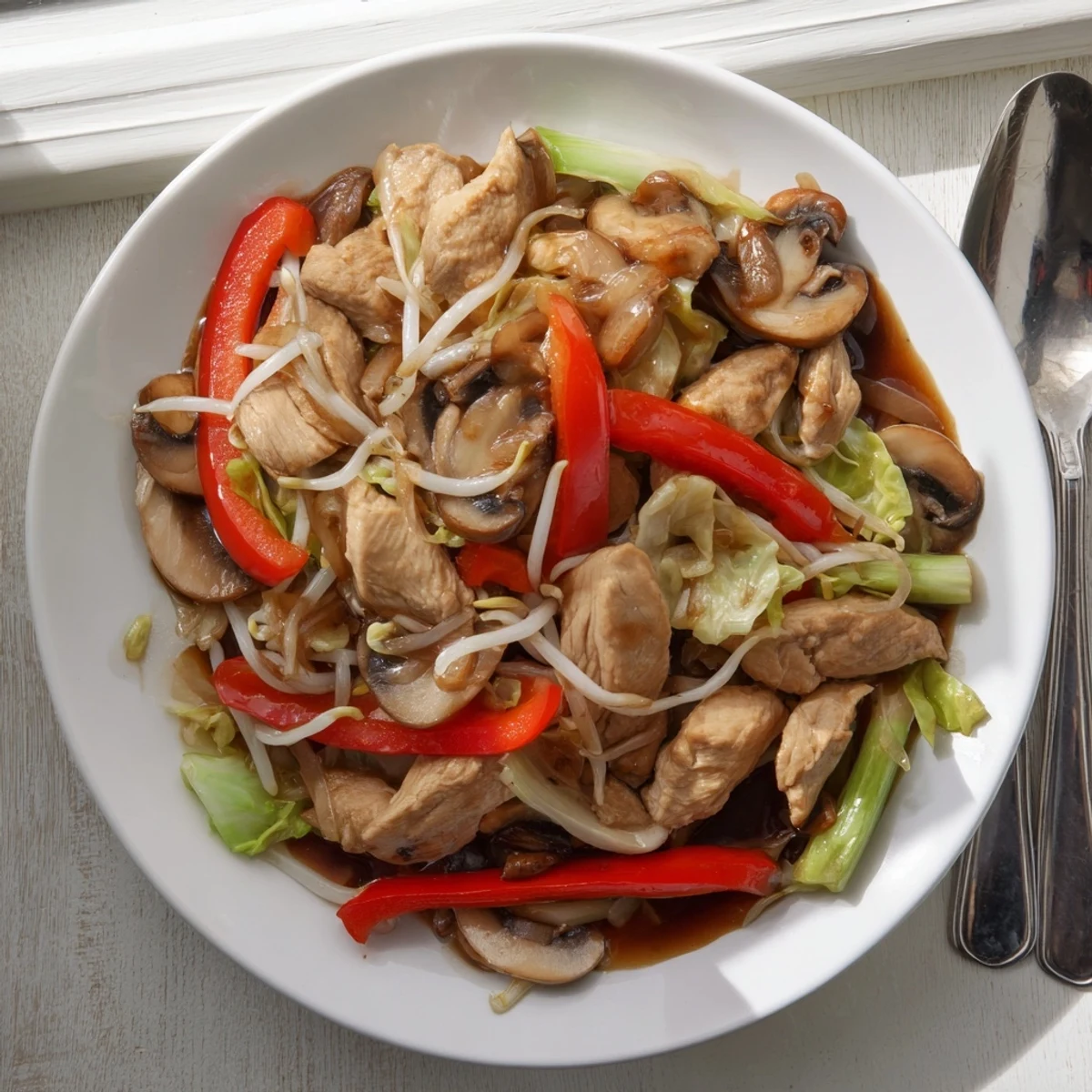
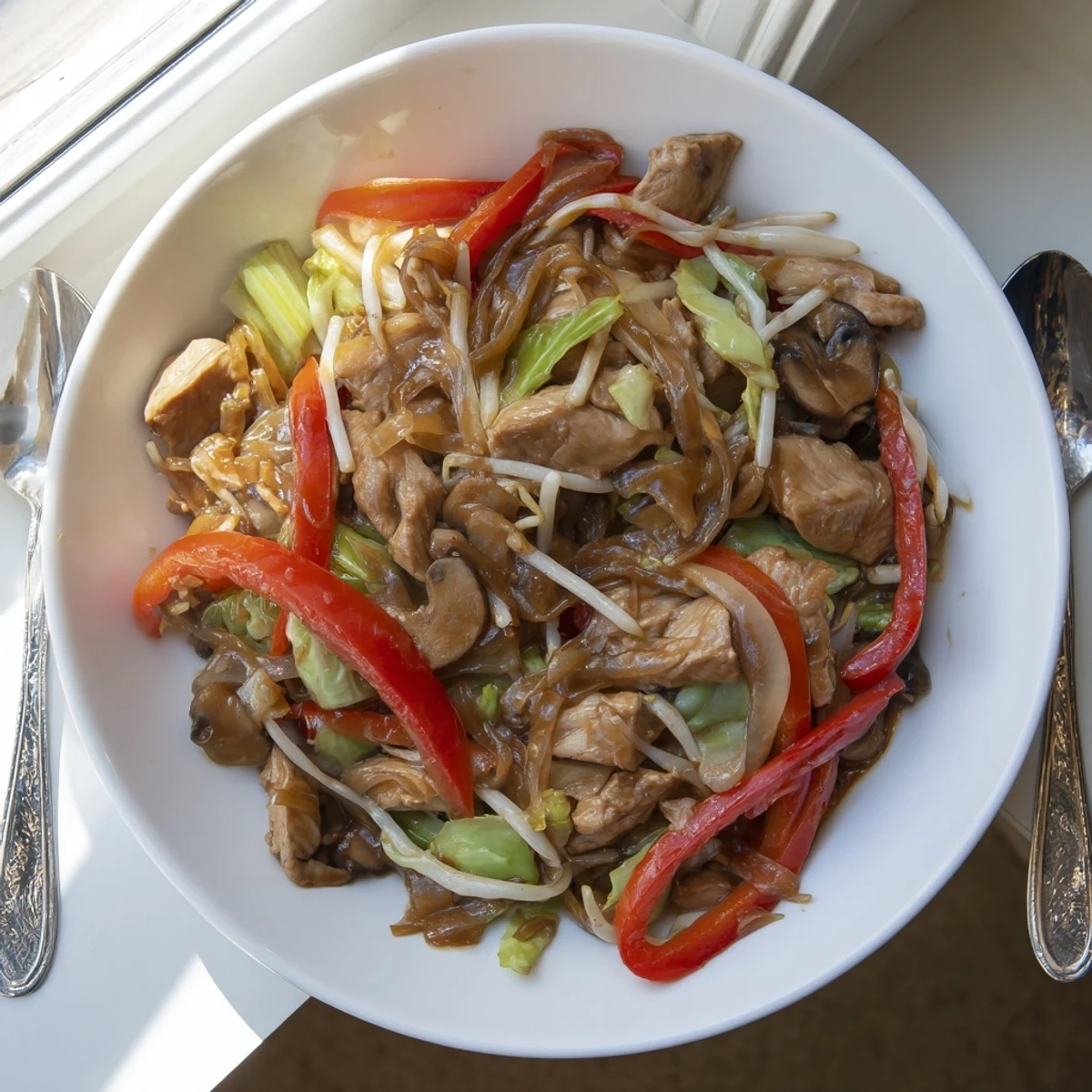
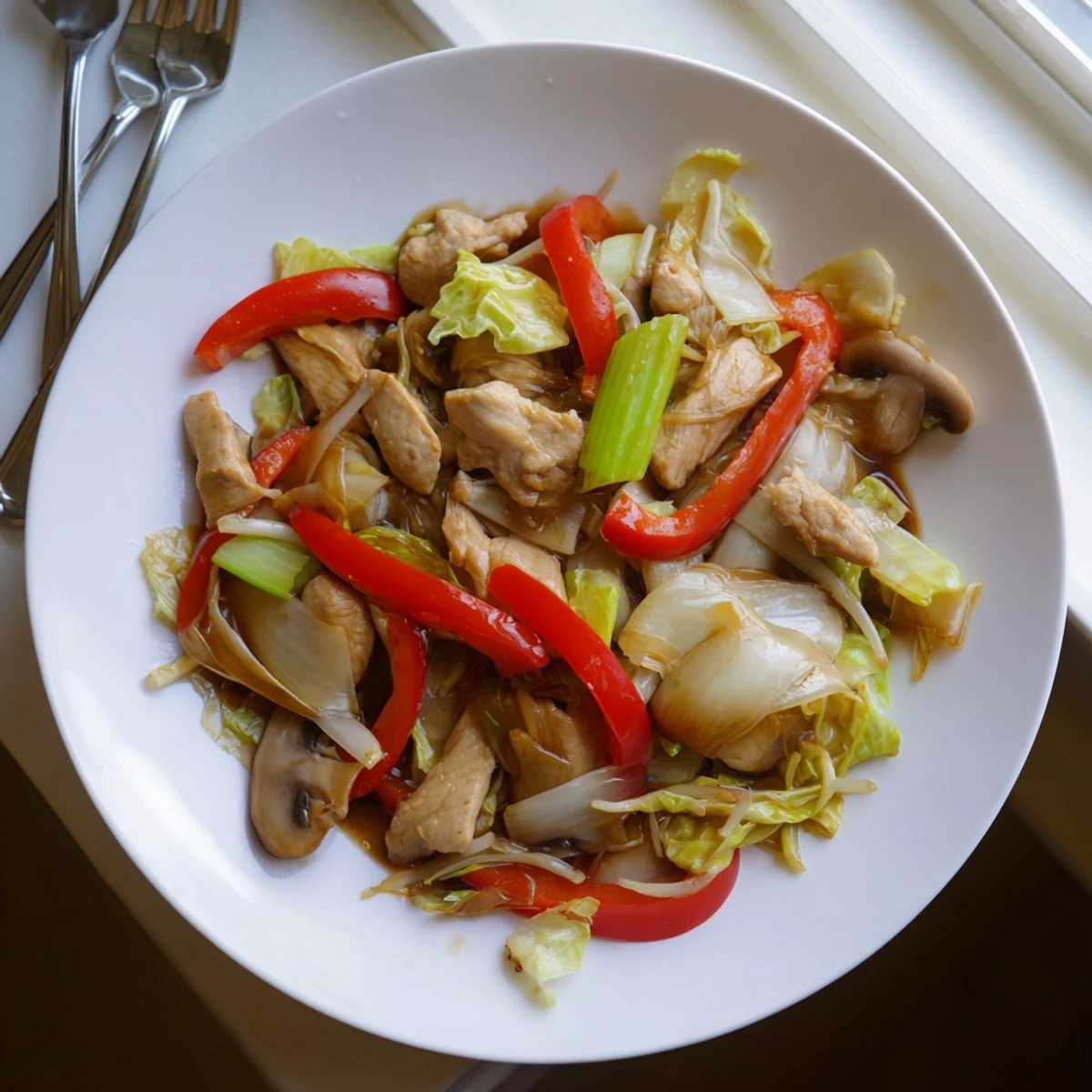
 This Chinese-American classic brings together tender chicken or pork with colorful vegetables like bell peppers, bean sprouts, and napa cabbage. The savory sauce combines soy, oyster sauce, and aromatic ginger for restaurant-quality flavor at home. Everything cooks in one wok for easy cleanup, and the versatile nature lets you customize with whatever vegetables you have on hand. Perfect served over steamed rice or noodles for a complete family meal.
My college roommate's grandmother taught me to make Chop Suey during a late-night study session. She'd never written down a recipe in her life, just grabbed whatever vegetables looked good from the crisper drawer and told me 'that's how it's supposed to be.' The kitchen filled with ginger and garlic, and suddenly my tiny apartment felt like a real home.
Last winter, my sister called at midnight, stressed about meal prep for her new job. I walked her through this recipe over the phone while cooking it myself. Three weeks later, she texted me a photo of her version with extra snap peas and the proud declaration that she'd cooked every night that week.
Ingredients
- Chicken breast or pork (300 g/10 oz): Slice against the grain into thin strips for tender bites that cook quickly and absorb the savory sauce beautifully
- Onion and red bell pepper: These provide the aromatic base and add natural sweetness that balances the salty soy sauce
- Bean sprouts (1 cup): Add them last so they stay crisp and refreshing, creating perfect texture contrast in every forkful
- Napa cabbage (1 cup, chopped): This wilts beautifully in the sauce while maintaining a satisfying crunch
- Celery stalks (2, sliced): Don't skip these, they bring essential crunch and a fresh, bright flavor that cuts through rich sauces
- Carrot (1 medium, julienned): The sweetness here complements the savory elements while adding gorgeous color to your bowl
- Mushrooms (100 g/3.5 oz): Slice them somewhat thickly so they don't disappear into the stir-fry
- Garlic cloves (2, minced): Fresh garlic makes all the difference here, so mince it right before cooking
- Fresh ginger (1 teaspoon, grated): Use a microplane or the smallest holes on your grater for the most intense flavor
- Soy sauce (3 tablespoons): This forms the salty backbone of your sauce, so use a quality brand you actually enjoy tasting
- Oyster sauce (1 tablespoon): The secret ingredient that adds depth and umami you can't quite put your finger on
- Cornstarch (1 tablespoon): This thickens your sauce into something glossy and coating, not watery and sad
- Rice wine or dry sherry (1 tablespoon): Adds brightness and complexity that plain soy sauce can't achieve alone
- Sesame oil (1 teaspoon): Just enough to give that unmistakable nutty aroma that makes your kitchen smell authentic
- Chicken or vegetable broth (150 ml/⅔ cup): Creates the saucy consistency that clings to every vegetable and protein
- Vegetable oil (2 tablespoons): Use a neutral oil with a high smoke point so it can handle the intense heat without burning
- Salt and pepper: Season lightly at each stage, remembering the soy sauce already brings significant saltiness
Instructions
- Whisk together your sauce ingredients:
- Combine the soy sauce, oyster sauce, cornstarch, rice wine, sesame oil, and broth in a small bowl until the cornstarch completely dissolves. This step prevents clumps and ensures your sauce finishes perfectly smooth and glossy.
- Cook your protein first:
- Heat half the oil in your wok over medium-high heat until it shimmers, then add the sliced meat in a single layer. Let it sear for a minute before stir-frying for 3-4 minutes until just cooked through, then remove to a plate to prevent overcooking.
- Bloom your aromatics:
- Add the remaining oil to the hot wok, then toss in the garlic and ginger, stirring constantly for just 30 seconds until fragrant. Watch closely, as garlic can turn bitter and acrid if it browns too much.
- Add the harder vegetables:
- Throw in the onions, carrots, celery, and bell pepper, stir-frying for 2-3 minutes until they start to soften and develop slight char marks at the edges.
- Softer vegetables come next:
- Add mushrooms and cabbage, cooking for another 2 minutes while stirring frequently to prevent sticking and ensure even cooking.
- Combine everything with sauce:
- Return your cooked protein to the wok, pour in that sauce you made earlier, and toss everything together until the sauce bubbles and thickens beautifully, coating each ingredient.
- Finish with bean sprouts:
- Add the sprouts last, stir-frying for just 1-2 minutes so they stay crisp and bright, creating that perfect texture contrast in every bite.
- Taste and adjust:
- Scoop up a small spoonful, taste carefully, and add more salt or pepper if needed, remembering the flavors will intensify slightly as it sits.
 Save Pin
 The first time I made this for my now-husband on our third date, he insisted on 'helping' by randomly adding ingredients from my fridge. The pineapple chunks were questionable, but we laughed through every bite and he still asks for that weird version whenever he's had a rough day at work.
Making It Your Own
I've discovered that this recipe accepts substitutions and additions with remarkable grace. Water chestnuts add incredible crunch, baby corn brings sweetness, and snap peas contribute that perfect pop when you bite into them. The sauce works equally well with shrimp, beef strips, or even just extra-firm tofu for completely plant-based versions.
The Rice Connection
Steamed jasmine rice creates the perfect canvas for all these flavors and textures, soaking up that savory sauce without competing for attention. Sometimes I cook the rice with a little chicken broth and crushed garlic for extra depth, turning an already satisfying meal into something truly memorable.
Leftover Magic
This dish actually improves overnight as the flavors meld and deepen, making it ideal for meal prep. The sauce thickens beautifully in the fridge, so I often add a splash of water when reheating to restore that perfect consistency.
- Store in airtight containers for up to four days in the refrigerator
- Reheat gently in a skillet with a tiny splash of water to refresh the sauce
- The bean sprouts will soften over time, so add fresh ones when reheating if you miss the crunch
 Save Pin
 Sometimes the best recipes aren't the ones with the longest history or the most precise measurements, but the ones that bring people together and fill your home with warmth and laughter.
Recipe Questions & Answers
- → What makes Chop Suey different from other stir-fries?
-
Chop Suey features a unique vegetable-forward approach with bean sprouts and napa cabbage, plus a thickened savory sauce that coats everything. Unlike some stir-fries, it traditionally includes a variety of textures from crisp vegetables to tender meat.
- → Can I make this vegetarian?
-
Absolutely. Substitute firm tofu for the meat and use vegetarian oyster sauce or mushroom sauce instead of traditional oyster sauce. The preparation method remains exactly the same.
- → What vegetables work best in Chop Suey?
-
Classic choices include bean sprouts, napa cabbage, bell peppers, celery, carrots, and onions. You can also add water chestnuts, bamboo shoots, or snap peas for extra crunch and variety.
- → How do I prevent the sauce from being too thick or thin?
-
The cornstarch in the sauce creates the thickness as it heats. If it's too thick, add a splash more broth. If too thin, mix an additional half teaspoon of cornstarch with cold water and stir in.
- → What's the best way to slice the meat for stir-frying?
-
Slice chicken or pork against the grain into thin, even strips about 1/4 inch thick. Partially freezing the meat for 20 minutes makes it easier to slice cleanly and uniformly.
- → Can I prepare Chop Suey ahead of time?
-
You can prep all ingredients in advance, but it's best cooked right before serving. The vegetables maintain their crisp texture better when freshly cooked. Reheated leftovers are still delicious, though slightly softer.