
 Save Pin
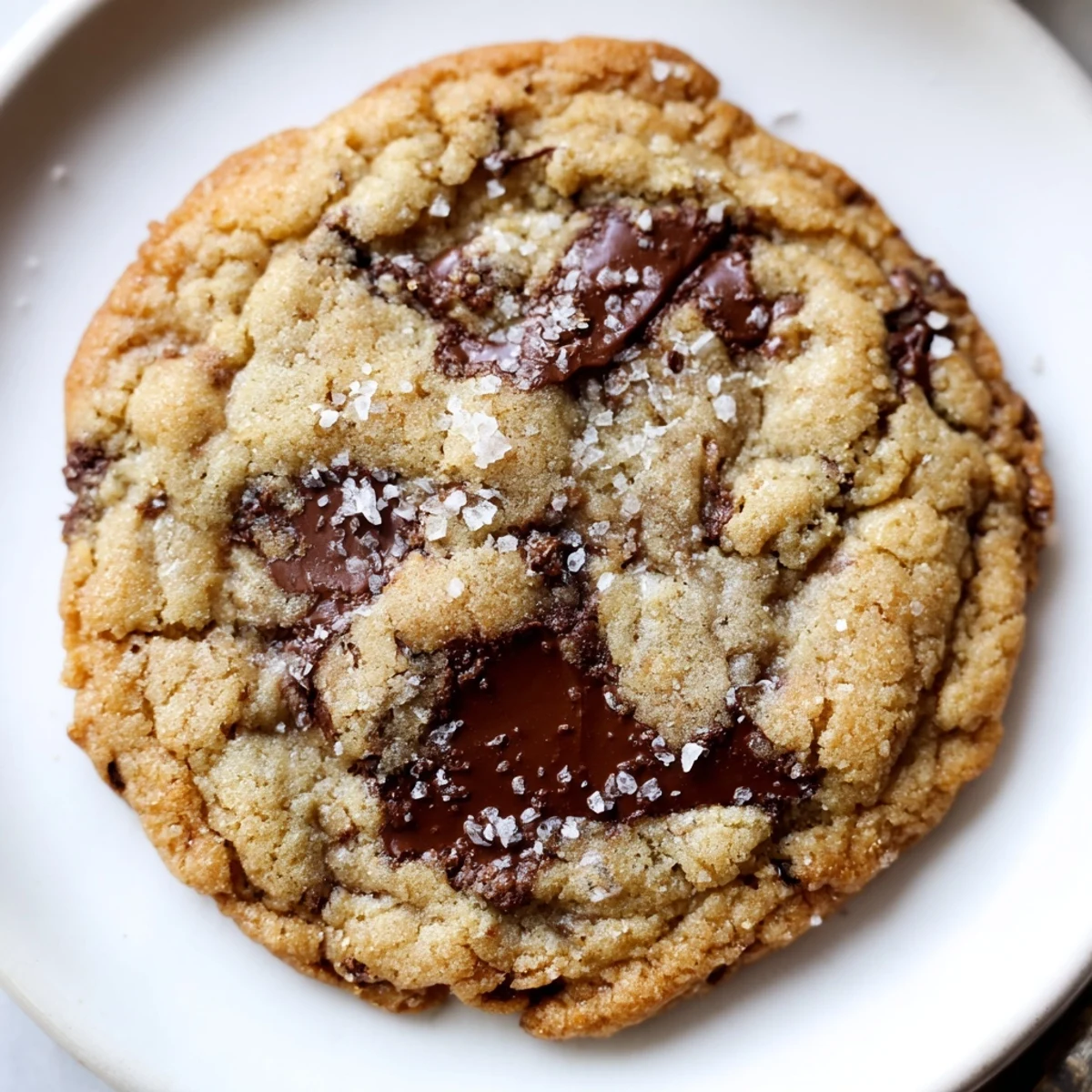
 These chocolate chip delights bring a perfect balance of crisp edges and soft, chewy centers. Made by blending melted butter, light brown sugar, and granulated sugar, the dough combines all-purpose flour, baking soda, and salt to create a tender base. Vanilla adds depth, while loads of semisweet chocolate chips melt into pockets of sweetness. Baking at 350°F for about 12 minutes develops golden edges and soft centers, delivering a classic treat that satisfies any sweet craving.
Enhance flavors with a sprinkle of flaky sea salt atop before baking or swap chocolate types to customize indulgence. These treats freeze well to keep their texture and taste fresh for months.
The smell of butter and brown sugar hitting a hot oven is something I chase on cold afternoons, and these cookies are the reason why. I stumbled into this recipe years ago when someone left a half-eaten cookie on my desk at work, and I spent the next week trying to reverse-engineer what made it so impossibly good. Turns out, it was the combination of melted butter and that extra egg yolk that did it, creating cookies with crispy edges that shatter when you bite them and centers that stay soft and almost underbaked. Now I make a batch whenever I need to remember what comfort tastes like.
I brought these to my neighbor's house during a rainstorm, just because I'd made too many and didn't want them going stale. She cried a little bit, which seemed like an overreaction until she explained that her daughter used to make something similar before moving away for college. Sometimes a cookie is just a cookie, and sometimes it's a way of saying I'm thinking about you without having to say much at all.
Ingredients
- All-purpose flour (2 1/4 cups): The foundation of structure, sifted or whisked together with the soda and salt to distribute the leavening evenly so your edges crisp but centers stay tender.
- Baking soda (1/2 teaspoon): This tiny amount is all you need for spread and browning without making the cookies cake-like or bitter tasting.
- Salt (1/2 teaspoon): Brings out the chocolate and butter flavors in ways you won't consciously notice but will definitely feel missing if it's gone.
- Unsalted butter (3/4 cup, melted and cooled): Melting it first changes everything, creating a richer flavor and different crumb structure than cold butter would give you.
- Light brown sugar (1 cup packed): The molasses in brown sugar adds that caramel note and keeps cookies chewy, the packing matters because it affects hydration.
- Granulated sugar (1/2 cup): This ratio of brown to white sugar is what keeps you from ending up with either cake or a greasy spread, it's the balance point.
- Egg plus egg yolk (1 large egg and 1 yolk): The extra yolk is the secret, it adds richness and emulsifies the butter without adding extra water that would toughen the dough.
- Vanilla extract (2 teaspoons): Use real vanilla, the flavor compounds actually do matter and make the chocolate taste better by contrast.
- Semisweet chocolate chips (2 cups): These melt slightly during baking and create those pockets of barely-set chocolate, don't skip the full amount or the cookies feel unbalanced.
Instructions
- Get your oven ready:
- Preheat to 350°F (175°C) and line your baking sheets with parchment paper while you assemble ingredients. This way when your dough is ready, nothing slows you down.
- Combine the dry team:
- In a medium bowl, whisk together flour, baking soda, and salt until you don't see any streaks of white. This distributes the leavening so your cookies rise evenly.
- Build the butter base:
- In a large bowl, combine melted butter, brown sugar, and granulated sugar, mixing until the texture looks smooth and slightly pasty. The brown sugar should break down into the mixture, not stay grainy.
- Wake it up with eggs:
- Add the egg, egg yolk, and vanilla extract, mixing until everything looks pale and slightly fluffy. This takes about a minute of stirring, and you'll notice the mixture transform.
- Marry wet and dry:
- Gradually add the dry ingredients to the wet mixture, stirring gently until just combined, then stop. Overmixing at this point develops gluten and makes cookies tough, you want thick and barely-smooth.
- Fold in the chocolate:
- Gently fold the chocolate chips into the dough with a spatula or wooden spoon until they're evenly distributed. Try to break up any clumps of dough that formed.
- Scoop onto sheets:
- Using a cookie scoop or tablespoon, drop mounds of dough about 2 inches apart on your prepared sheets. Spacing matters because they'll spread slightly and you want room for even browning.
- Bake to golden:
- Place in the oven for 10 to 12 minutes, until the edges are definitely golden but the centers still look slightly underbaked. They'll continue cooking on the hot sheet after you pull them out.
- Cool with patience:
- Let cookies rest on the baking sheet for 5 minutes to set up, then transfer to a wire rack to cool completely. This resting period is essential, move them too soon and they'll fall apart.
 Save Pin
 I once brought warm cookies to a friend who was going through something difficult, and she ate three in a row without saying anything, just sitting quietly on my kitchen stool. That's when I understood that sometimes the best thing you can offer someone isn't advice or conversation, just something warm that tastes like someone cared enough to make it.
The Melted Butter Moment
The decision to melt the butter changes the entire character of what you're making. When you cream cold butter with sugar, you're incorporating air and creating a certain texture, but melted butter creates something denser, richer, and almost fudgy in the center. I learned this by accident when I forgot to soften my butter one afternoon and threw it in the microwave instead of waiting, and the result was so superior that I never went back. It's one of those kitchen discoveries that makes you wonder what else you've been doing the long way.
Why the Extra Yolk Works
That single egg yolk is doing more work than you'd think, adding emulsifiers that bind the fat and flour into a cohesive dough without needing extra water or dry ingredients. It also contributes the richness that makes people pause mid-bite and ask what's different about these cookies compared to others they've had. I used to wonder if this was just cookbook nonsense until I made a batch without it as an experiment, and the difference was so stark that I actually threw them out because they felt wrong.
Customizing Your Chocolate
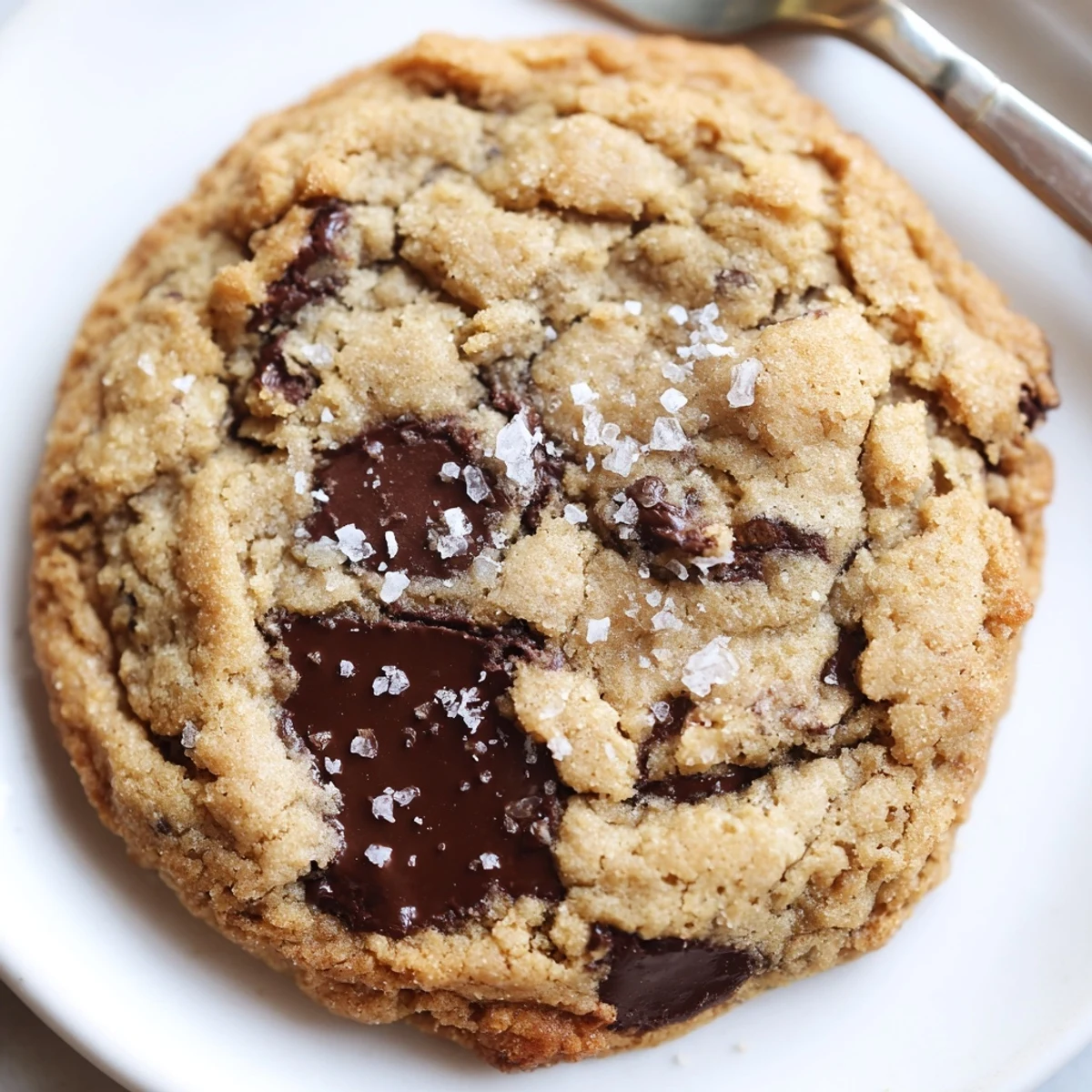
Semisweet chips are the classic choice, but these cookies are flexible enough to adapt to whatever chocolate moment you're in. Dark chocolate chips create cookies that taste almost sophisticated, more cocoa and less sugar, while milk chocolate makes them sweeter and a bit more indulgent. White chocolate feels different entirely, almost buttery and strange in a way that either delights you or disappoints, and I've never met someone who was neutral about it.
- For extra depth, try mixing two types of chocolate chips, like dark and milk together.
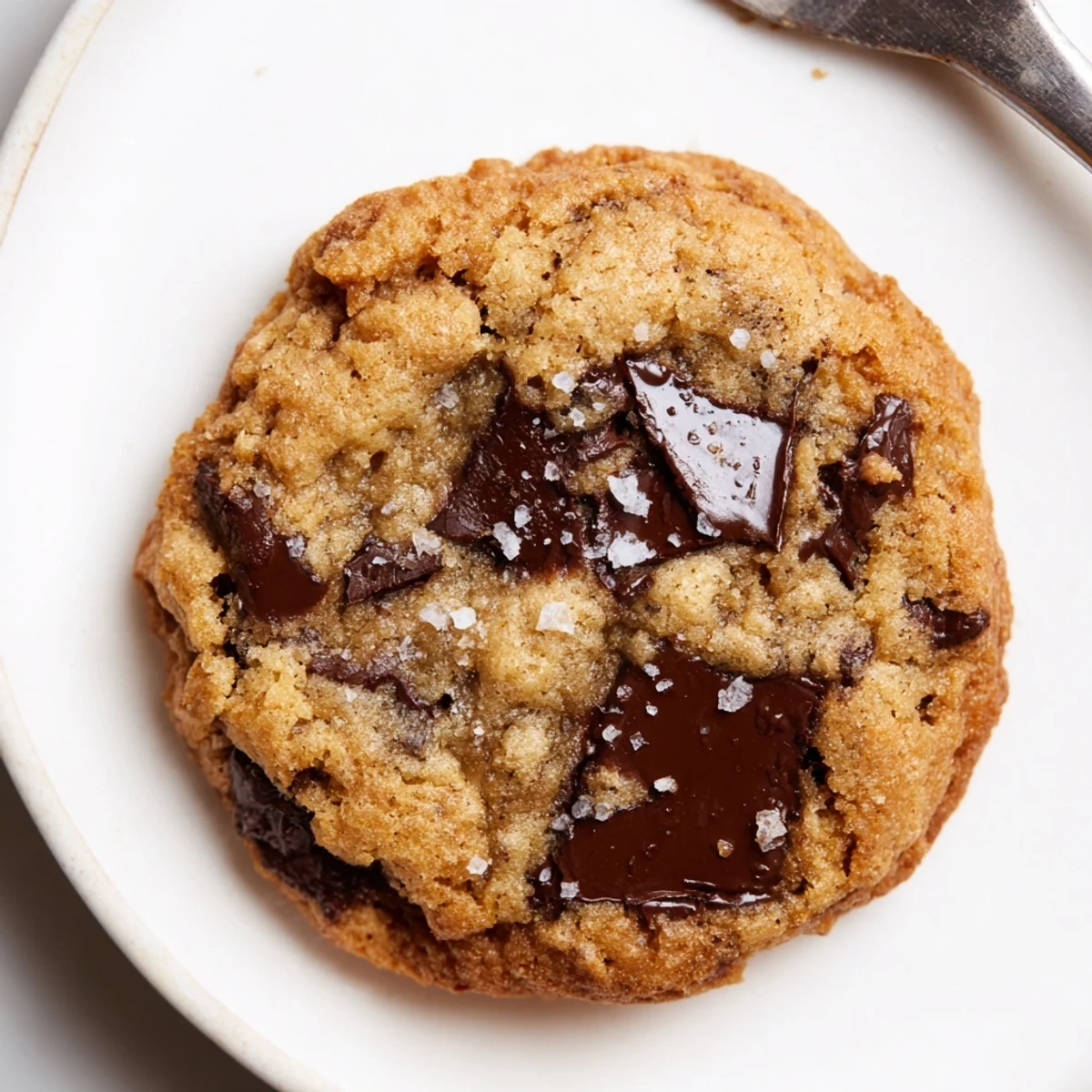
- Slightly chop larger chocolate bars into chunks instead of using chips for a more artisanal look and uneven melting.
- If your chocolate chips seem old or waxy, they'll still bake fine but won't taste as fresh or melt as elegantly.
 Save Pin
 These cookies have become my default gift, my rainy day comfort, and the thing I make when I want to feel like I'm doing something kind. They're easy enough that a teenager can pull them off, but thoughtful enough that they still feel a little special.
Recipe Questions & Answers
- → How can I achieve chewy yet crisp edges?
-
Using a combination of melted butter and sugars, especially light brown sugar, helps create moisture for chewiness while baking at the right temperature ensures edges firm up crisp.
- → What types of chocolate chips work best?
-
Semisweet chocolate chips balance sweetness and bitterness perfectly, but dark, milk, or white chocolates can be used to customize flavor.
- → Why is vanilla extract included?
-
Vanilla extract enhances the overall flavor by adding subtle aromatic notes that complement the rich chocolate and butter.
- → Can these be prepared in advance?
-
The dough can be chilled before baking to intensify flavors and prevent spreading, and finished treats freeze well for up to three months in airtight containers.
- → What is a tip for an extra flavor boost?
-
Sprinkling flaky sea salt atop before baking contrasts with the sweetness, enhancing the chocolate’s richness.
- → How do baking time adjustments affect texture?
-
Shorter baking yields softer centers, while longer baking results in firmer, crispier cookies; monitoring closely between 10-12 minutes helps find your preferred texture.