
 Save Pin
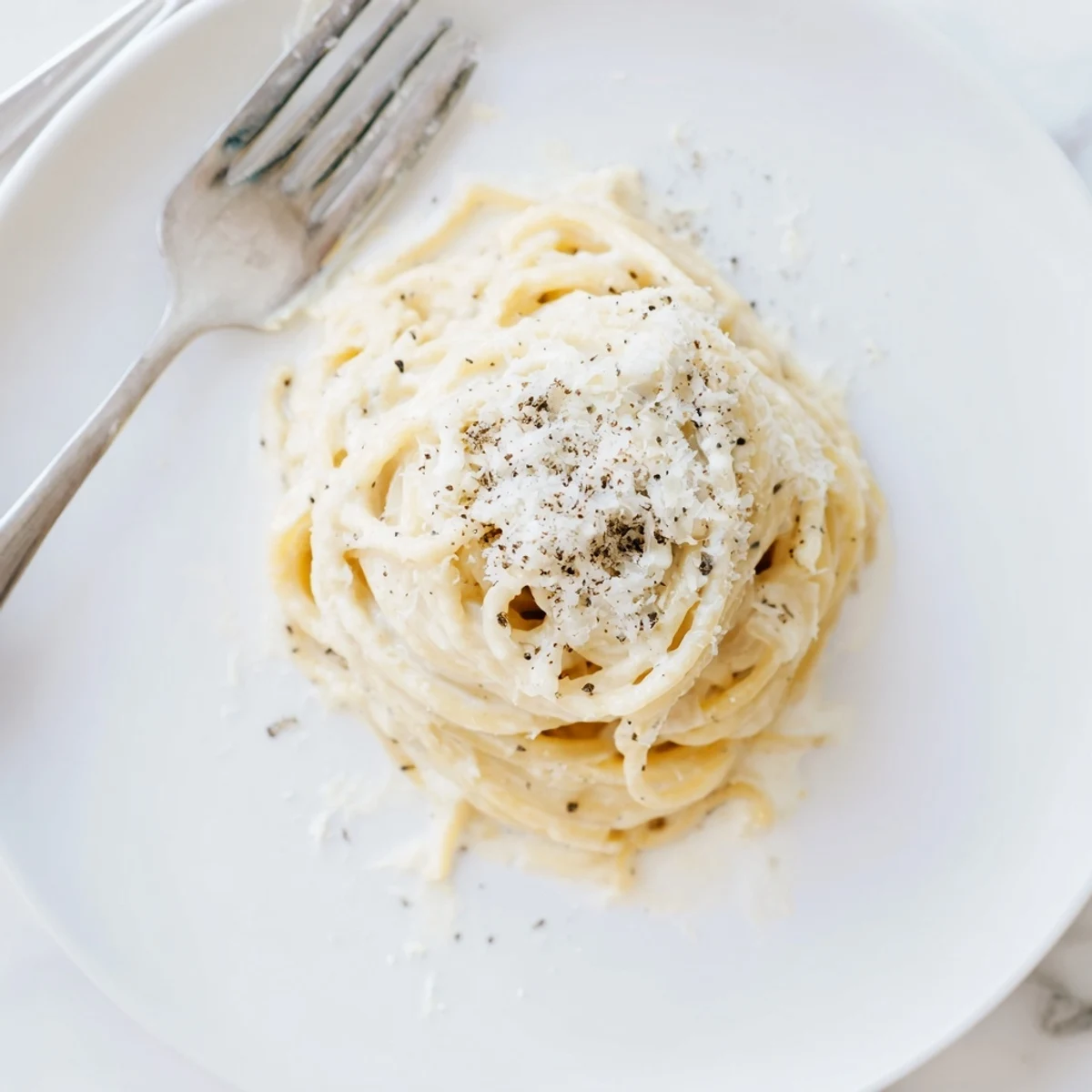
 This beloved Roman classic transforms simple ingredients into something extraordinary. The technique creates an emulsified sauce where finely grated Pecorino Romano melts with starchy pasta water and freshly toasted black pepper.
The key lies in creating a smooth cheese paste before combining with hot noodles, ensuring a silky coating that clings to each strand. With minimal ingredients and straightforward preparation, you'll achieve restaurant-quality results at home.
Perfect for weeknight dinners yet impressive enough for guests, this dish embodies Italian culinary philosophy: quality ingredients, proper technique, and respect for tradition.
The steam rising from my tiny Rome apartment kitchen carried this incredible peppery warmth that made my eyes water in the best way. My Italian neighbor leaned over her balcony and called down that I was using too much water for such an elegant dish. She was right, and that night I learned how simplicity creates magic.
Last winter when my best friend was going through a tough breakup, I made this for her on a freezing Tuesday night. She took one bite and actually cried, saying it tasted like comfort she didnt know she needed. Now its our official healing pasta.
Ingredients
- 200 g spaghetti or tonnarelli: Traditional tonnarelli has rough edges that grab sauce beautifully, but quality spaghetti works perfectly too
- 80 g Pecorino Romano, finely grated: This sheep milk cheese is essential and freshly grating it yourself makes all the difference in melting
- 2 tsp freshly ground black pepper: Dont be shy with the pepper, its the soul of this dish and should be freshly cracked
- 1/2 tsp salt: Just enough to season the pasta water since the cheese provides plenty of saltiness
- 1 liter water: Using less water than usual creates starchier pasta water that helps emulsify the sauce
Instructions
- Boil the water:
- Bring 1 liter of water to a boil in a large pot and add salt. You want less water than usual to concentrate the starches.
- Cook the pasta:
- Add spaghetti and cook until al dente, stirring occasionally. Reserve about 1 cup of the starchy pasta water before draining.
- Toast the pepper:
- In a large skillet over medium heat, toast the black pepper for 1 minute until fragrant. The heat releases the pepper oils.
- Create the pepper base:
- Add 1/2 cup of the reserved hot pasta water to the skillet with the pepper. Let simmer briefly to infuse.
- Make the cheese paste:
- In a large mixing bowl, combine grated Pecorino Romano with a few tablespoons of hot pasta water to form a thick paste.
- Combine pasta and pepper:
- Add the cooked spaghetti to the skillet with pepper and toss well. Remove from heat completely before adding cheese.
- Emulsify the sauce:
- Gradually add the cheese paste to the pasta, tossing quickly and adding more reserved pasta water as needed to form a creamy sauce.
- Serve immediately:
- Plate right away while the sauce is perfectly silky, topped with extra Pecorino Romano and black pepper.
 Save Pin
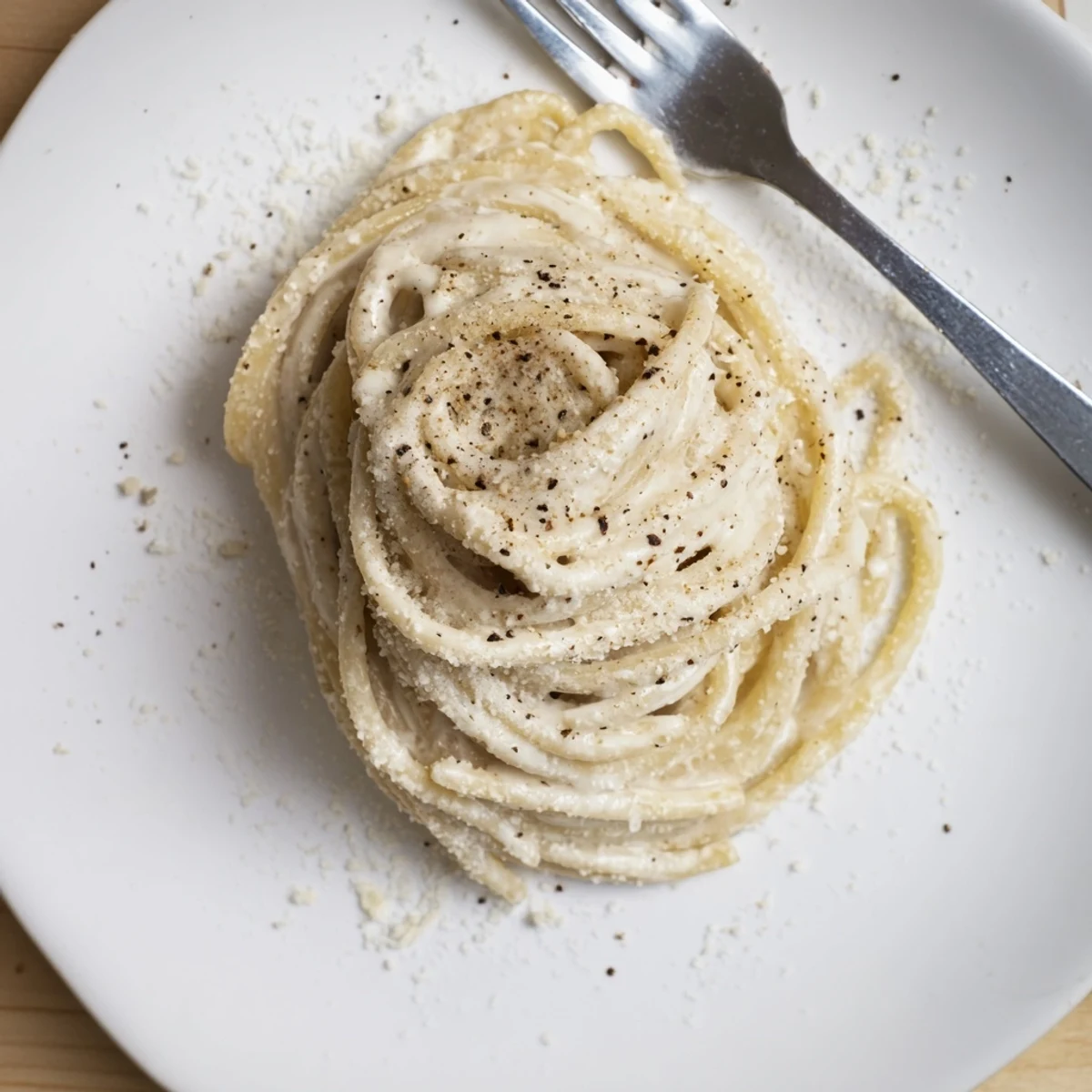
 This recipe has become my go to when I need to feel like a capable cook without spending hours in the kitchen. Something about that first twirl of cheese coated pasta makes everything feel right in the world.
Making It Your Own
While purists will tell you to never deviate, I have found that adding a tiny splash of pasta water to the cheese paste prevents clumping. The water should be hot but not boiling when you mix it with the cheese.
Serving Suggestions
A crisp Frascati wine cuts through the richness beautifully, though a cold glass of water works just fine on a Tuesday night. This dish wants to be the star, so keep sides simple like a green salad or crusty bread.
Common Mistakes To Avoid
The biggest error people make is rushing the emulsion process or adding cheese to a hot pan. Take your time and work off the heat.
- Grate your cheese finely from a wedge, never use pre shredded
- Toast your pepper just until fragrant, about 60 seconds max
- Have all ingredients ready before you start cooking
 Save Pin
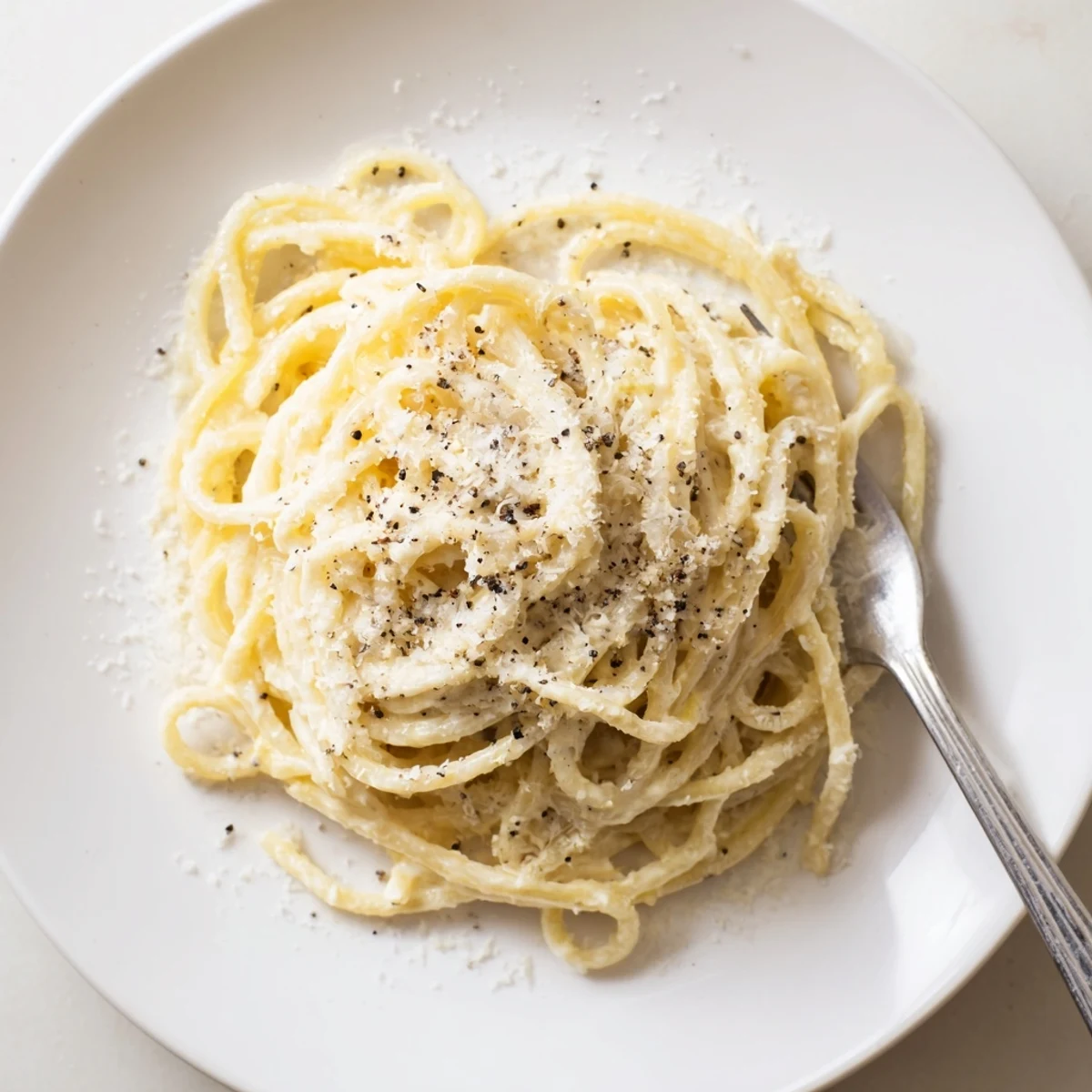
 There is something deeply satisfying about a dish that relies entirely on technique rather than fancy ingredients. This is the kind of recipe that teaches you to trust yourself in the kitchen.
Recipe Questions & Answers
- → Why is my sauce grainy?
-
Grainy texture typically occurs when cheese is added too quickly or at high temperature. Always create a paste with grated cheese and warm water first, then toss off the heat. Gradually incorporate while stirring vigorously to maintain smooth emulsion.
- → Can I use Parmesan instead of Pecorino?
-
While Parmesan works in a pinch, authentic Cacio e Pepe requires Pecorino Romano for its distinctive sharp, salty profile. The sheep's milk cheese provides the traditional flavor balance against the intense black pepper.
- → What pasta shape works best?
-
Long strands like spaghetti, tonnarelli, or bucatini are traditional. The surface area helps sauce cling properly. Fresh tonnarelli offers the best texture, but high-quality dried spaghetti yields excellent results.
- → How much pepper should I use?
-
The classic version features prominently peppery notes. Two teaspoons provides a pleasant warmth without overwhelming. Toasting the pepper in the skillet first releases aromatic oils and mellows the heat.
- → Can I make this ahead?
-
This dish tastes best immediately after preparation. The sauce emulsifies optimally when hot, and cheese can separate upon reheating. Plan to serve directly from the skillet for the silkiest texture.
- → Why use less pasta water than usual?
-
Using approximately one liter creates a more concentrated starchy liquid, which helps form the creamy emulsion. The extra starch content is crucial for binding the cheese into a smooth sauce.