
 Save Pin
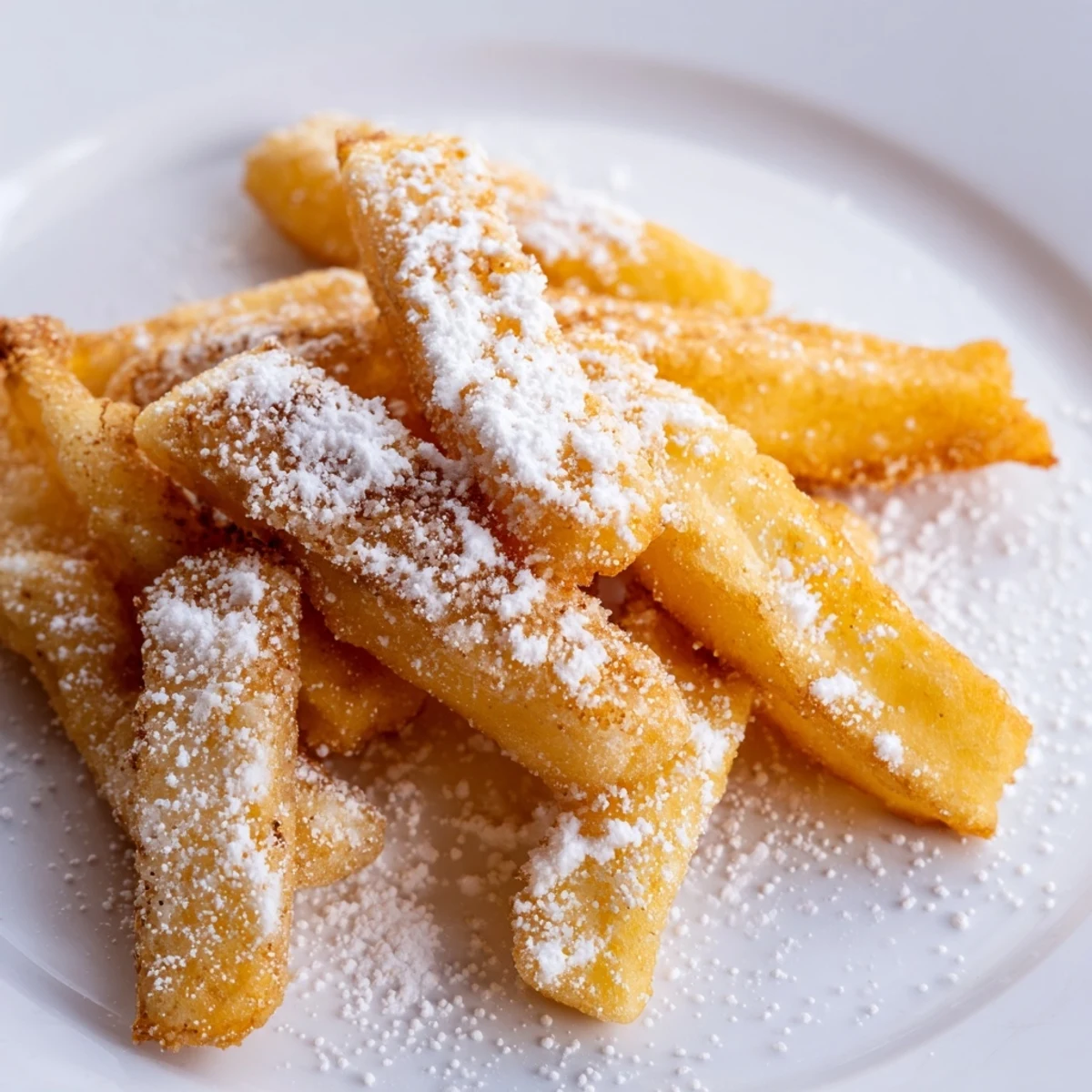
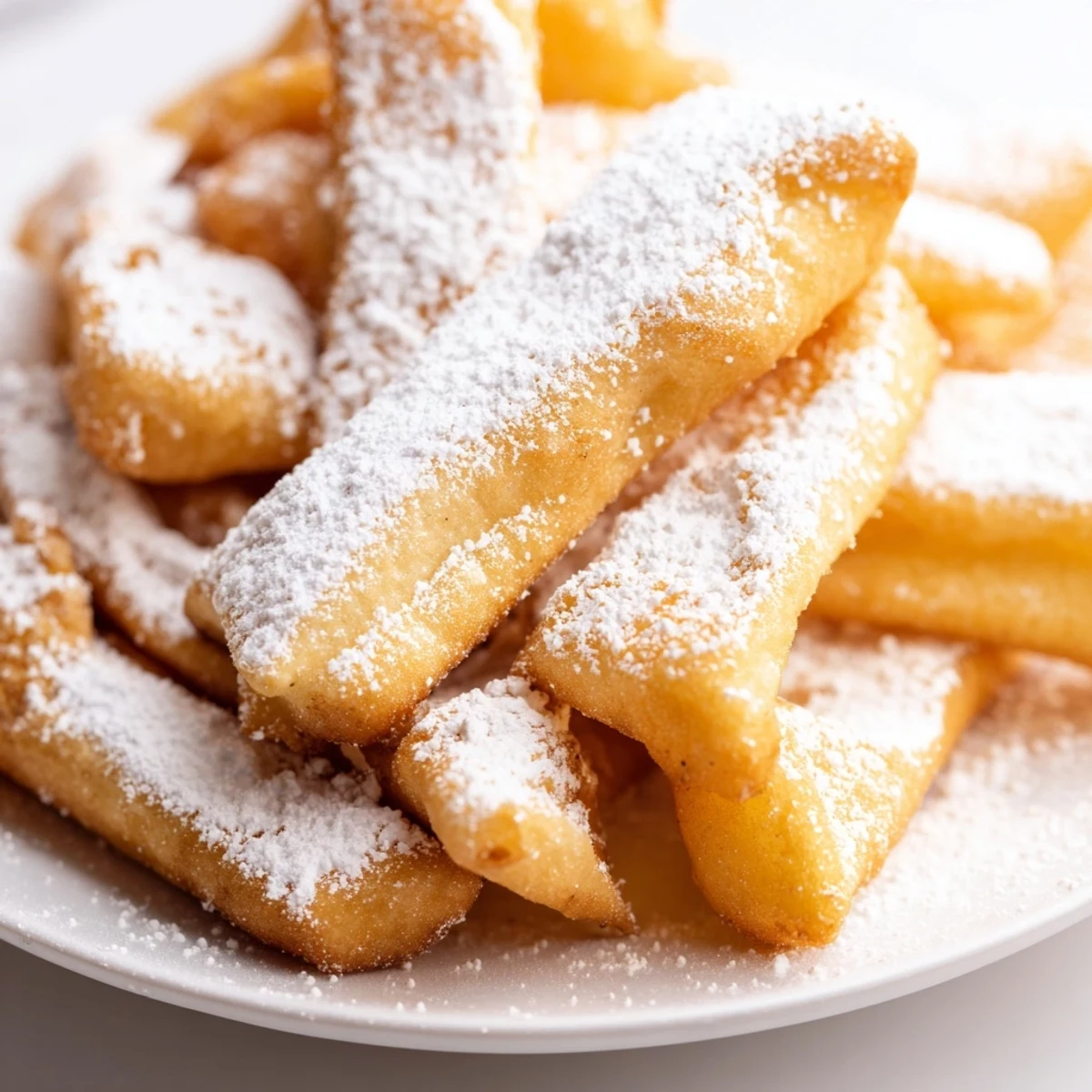
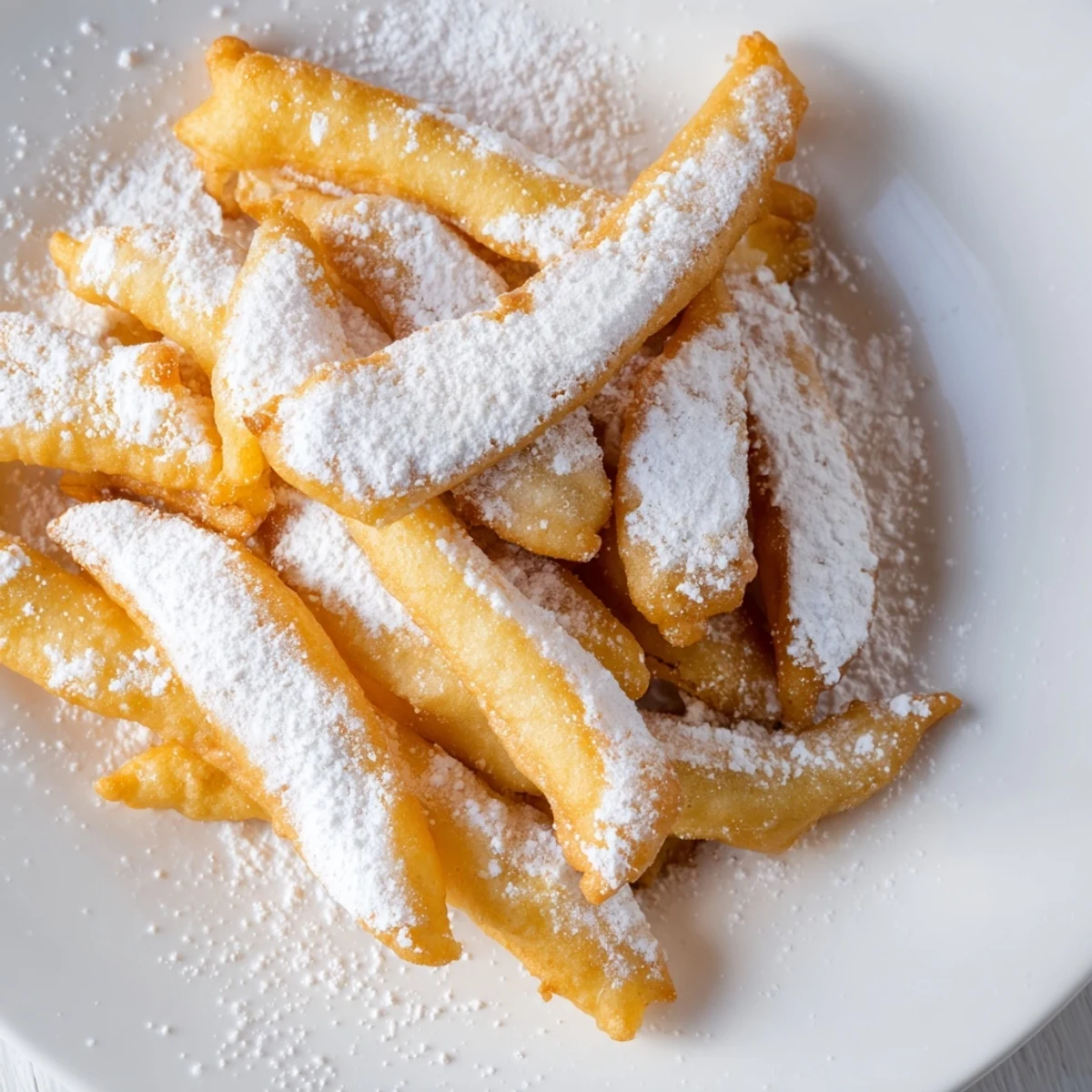
 These beignet fries are made by rolling a soft dough into strips and deep frying until golden and puffed. Once cooked, they are generously dusted with powdered sugar to add a sweet finish. The dough combines flour, sugar, baking powder, milk, egg, butter, and vanilla for a light and flavorful base. Perfectly crispy on the outside and tender inside, these fries provide a delicious twist on classic New Orleans flavors. Serve warm with optional citrus zest or dipping sauces like chocolate or fruit preserves for added flavor.
The air in my tiny apartment kitchen was thick with the scent of frying dough and vanilla, my roommates gathered around the stove like hungry birds. I'd promised them something special for movie night, something that felt like a carnival arrived right in our living room. These beignet fries emerged from the oil golden and puffed, and I swear I heard actual gasps when that first cloud of powdered sugar settled over the plate. They disappeared so fast I barely managed to snag one for myself.
Last summer I made these for my niece's birthday, setting up a little assembly line where the kids could dust their own fries with powdered sugar. The kitchen floor looked like a snow globe had exploded, but watching their powdered sugar mustaches and sticky fingers was absolutely worth the cleanup. Now whenever I visit, those little faces appear at the door asking if 'the sugar fries' are on the menu.
Ingredients
- All-purpose flour: I've experimented with bread flour but it makes the fries too chewy, stick with regular flour for that signature melt-in-your-mouth texture
- Granulated sugar: Just enough to balance the savory notes without making the dough itself sweet
- Baking powder: This is what creates those gorgeous puffy pockets inside each fry as they hit the hot oil
- Salt: Don't skip this even though it's a dessert, it makes all the flavors pop
- Whole milk: Room temperature milk incorporates better into the dough, I've learned the hard way that cold milk can leave tiny lumps
- Large egg: Bring it to room temperature too for the smoothest dough possible
- Unsalted butter: Melted and cooled slightly so it doesn't scramble the egg when you mix everything together
- Vanilla extract: Pure vanilla makes a noticeable difference here, it perfumes the whole kitchen as they fry
- Vegetable oil: You need enough oil so the fries can swim freely without crowding each other
- Powdered sugar: Buy the good stuff, cheap powdered sugar can have a weird chalky aftertaste that ruins the experience
Instructions
- Mix your dry base:
- Whisk the flour, granulated sugar, baking powder, and salt in a large bowl until everything's evenly distributed, taking a moment to inhale that comforting vanilla promise about to happen.
- Combine the wet ingredients:
- In another bowl, whisk the milk, egg, melted butter, and vanilla until the mixture is completely smooth and slightly frothy.
- Bring it together:
- Pour the wet mixture into the dry ingredients and stir with a spatula or wooden spoon until a soft dough forms, being careful not to overwork it or your fries will turn tough.
- Roll it out:
- Turn the dough onto a lightly floured surface and roll to about 1/4 inch thickness, keeping the thickness as even as possible so they all cook at the same rate.
- Cut your fries:
- Use a knife or pizza cutter to slice the dough into strips about 1/2 inch wide and 3 inches long, don't stress about perfect uniformity.
- Heat the oil:
- Heat your vegetable oil to 350°F, using a thermometer if you have one since oil that's too cool makes soggy fries and oil that's too hot burns them before the inside cooks through.
- Fry in batches:
- Carefully drop the dough strips into the hot oil, frying only about 6-8 at a time so they don't stick together, turning occasionally until golden brown and puffed.
- Drain and season:
- Lift the fries out with a slotted spoon and let them drain on paper towels for about 30 seconds before dusting generously with powdered sugar while they're still warm.
 Save Pin
 My friend Mimi from Louisiana taught me that the real secret is confidence when you drop them in the oil. She stands there with her glass of wine and drops each strip with such conviction, like she's been making beignets since birth. Watching her made me realize half of cooking is just believing it's going to work out beautifully.
Getting That Perfect Fry Shape
I keep a small bowl of flour beside my cutting board and dust my knife or pizza cutter between every few cuts. The dough can get surprisingly sticky, and this little trick keeps the fries from clumping together or losing their shape before they hit the oil. It's those tiny practical details that make the process feel smooth instead of frustrating.
Oil Management Wisdom
After countless batches, I've learned that a clip-on thermometer is absolutely worth the cabinet space. I used to guess based on how the dough looked when it hit the oil, but some of my earliest attempts were either raw inside or dark brown outside. There's something deeply satisfying about hitting that exact temperature every single time, like you've unlocked some secret chef knowledge.
Serving Ideas That Impress
Sometimes I set up a little dipping station with warmed chocolate sauce, strawberry preserves, and even a tiny bowl of whipped cream for the truly adventurous. It transforms these simple fries into something that feels like a dessert restaurant experience right at home.
- Try adding lemon zest to the powdered sugar for a bright, surprising twist
- A pinch of cinnamon mixed into the sugar makes them taste like churros fell in love with beignets
- Keep them warm in a 200°F oven if you're feeding a crowd, but don't stack them or they'll get soggy
 Save Pin
 There's something universally joyful about food you can eat with your fingers, especially when it's warm, sweet, and covered in sugar. These beignet fries have become my go-to for turning regular Tuesday evenings into something worth celebrating.
Recipe Questions & Answers
- → What type of flour is best for beignet fries?
-
All-purpose flour works best, providing the right texture and structure for crispy yet tender fries.
- → How hot should the oil be for frying?
-
Heat the oil to around 350°F (175°C) to ensure the dough fries evenly without absorbing excess oil.
- → Can I add flavors to the dough?
-
Yes, adding lemon or orange zest introduces a fresh, citrus aroma that complements the sweetness.
- → What is the ideal thickness for cutting the dough strips?
-
Roll the dough to about 1/4 inch thick and cut strips roughly 1/2 inch wide and 3 inches long for optimal frying results.
- → How should I serve beignet fries?
-
Serve warm with a generous dusting of powdered sugar, and consider pairing with chocolate sauce or fruit preserves for dipping.
- → Is it necessary to use a slotted spoon after frying?
-
Yes, a slotted spoon helps drain excess oil, keeping the fries crisp and less greasy.