
 Save Pin
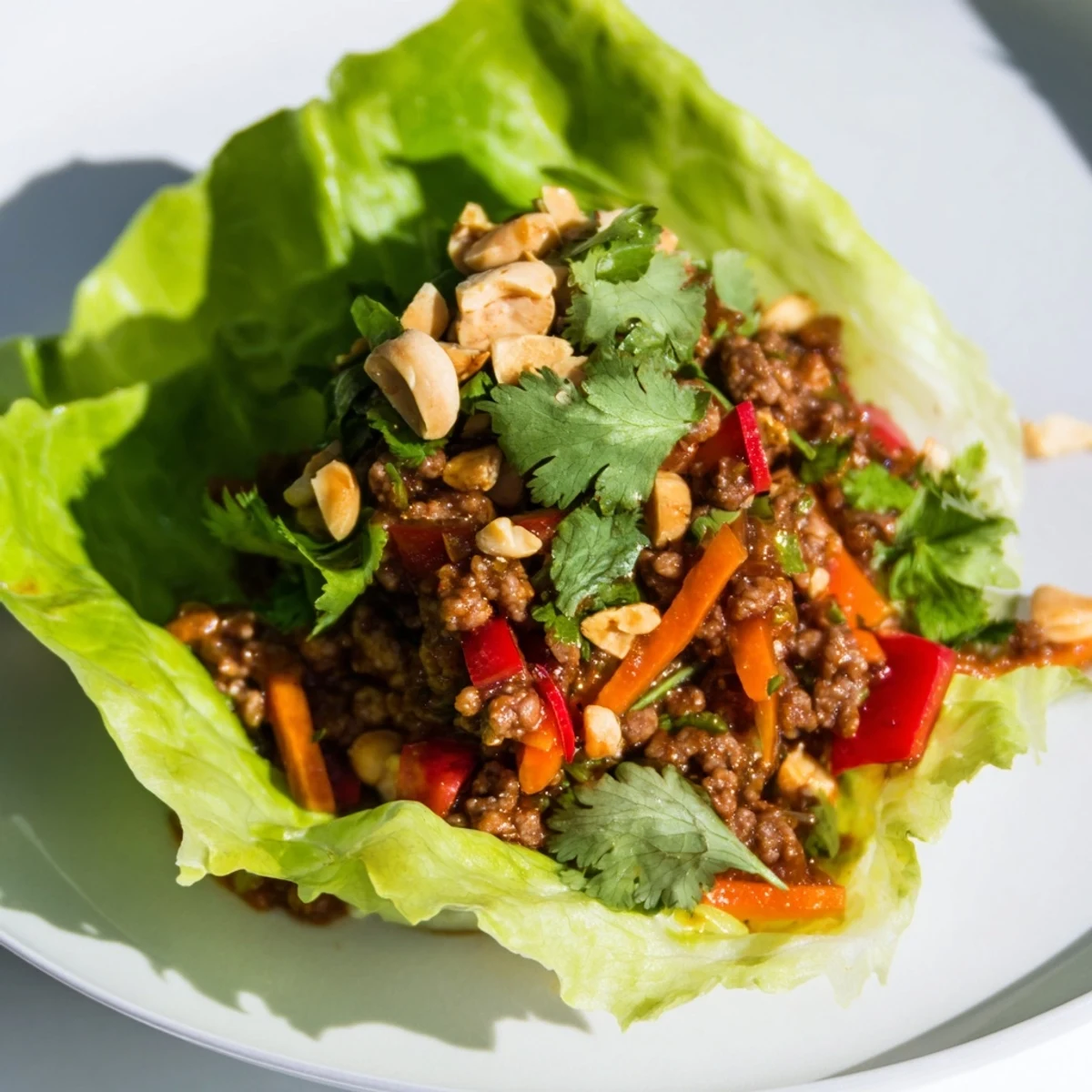
 This dish features tender ground beef cooked with garlic, ginger, and colorful vegetables, seasoned with a balanced mix of soy, hoisin, and sesame oils. The savory filling is nestled in crisp lettuce leaves and topped with chopped peanuts and fresh cilantro, delivering a mix of textures and vibrant flavors. Perfect for a quick, light meal with an Asian-inspired twist, it’s simple to prepare and ideal for sharing.
There's something about the sizzle of ground beef hitting hot oil that makes me feel like I'm cooking something real and alive. I discovered these lettuce wraps on a Tuesday night when I had hungry friends coming over and nothing but ground beef, a head of lettuce, and half my spice cabinet to work with. The first bite—that contrast of crisp, cool lettuce against warm, savory beef—felt like a small revelation, the kind of happy accident that becomes a regular thing.
I made these for a small dinner party last spring, and my friend Sarah, who's usually skeptical of anything called a "wrap," went back for thirds. Watching her assemble her own with handfuls of cilantro and that squeeze of lime made me realize this wasn't just food—it was something people actually wanted to linger over and customize. That moment of her licking lime juice off her fingers while laughing about how much she'd underestimated lettuce as a vessel stayed with me.
Ingredients
- 1 lb lean ground beef: Lean is your friend here because excess fat will make the filling greasy; look for packages labeled 90% lean or higher.
- Vegetable oil: You need just enough to get that proper sear on the beef—don't skimp or it won't brown right.
- Fresh garlic and ginger: Minced fine, these two become the aromatic backbone that makes the whole thing smell like something special is happening.
- Green onions: Added with the garlic, they soften and perfume the oil before the beef even comes in.
- Red bell pepper and carrot: These add color, sweetness, and texture—julienne the carrot thin so it softens quickly without turning to mush.
- Soy sauce and hoisin: Together they create a savory-sweet depth that feels unmistakably Asian without being heavy.
- Rice vinegar: A small splash cuts through the richness and keeps everything bright.
- Sesame oil: A teaspoon is all you need; it's potent and transforms the whole sauce into something fragrant and restrained.
- Brown sugar: Just a teaspoon bridges the salty and umami flavors, adding a whisper of sweetness.
- Red pepper flakes: Optional, but if you like a little heat, they belong here.
- Butter lettuce or iceberg: Butter lettuce is softer and more forgiving if you're new to this; iceberg is crunchier and more dramatic.
- Roasted peanuts: Unsalted is key because the filling is already salty; roughly chop them so they stay chunky.
- Fresh cilantro: This is the final note that ties everything together—don't skip it.
- Lime wedges: These aren't optional; they're the zing that makes each bite feel complete.
Instructions
- Get Your Pan Hot and Cook the Beef:
- Heat your oil over medium-high heat until it shimmers and moves easily around the pan. Add the beef and let it sit for a full minute before you start breaking it up with a spatula—this gives it a chance to brown instead of just turning gray. Keep stirring until there's no pink left and the meat smells rich and toasted, about 5 minutes total.
- Wake Up the Aromatics:
- Lower the heat slightly, add the garlic, ginger, and green onions all at once. The oil will smell almost floral in the next 30 seconds—that's your signal to keep moving and not let anything burn.
- Add the Vegetables:
- Toss in the red pepper and carrot and let them soften in the heat for 2 to 3 minutes, stirring occasionally. You want them tender but still with a little snap when you bite them.
- Build the Sauce:
- Pour in the soy sauce, hoisin, rice vinegar, sesame oil, brown sugar, and red pepper flakes if you're using them. Stir everything together and let it bubble gently for 2 to 3 minutes, watching as the liquid reduces and clings to the beef in a glossy coat. The whole filling should smell complex and savory by now.
- Assemble and Serve:
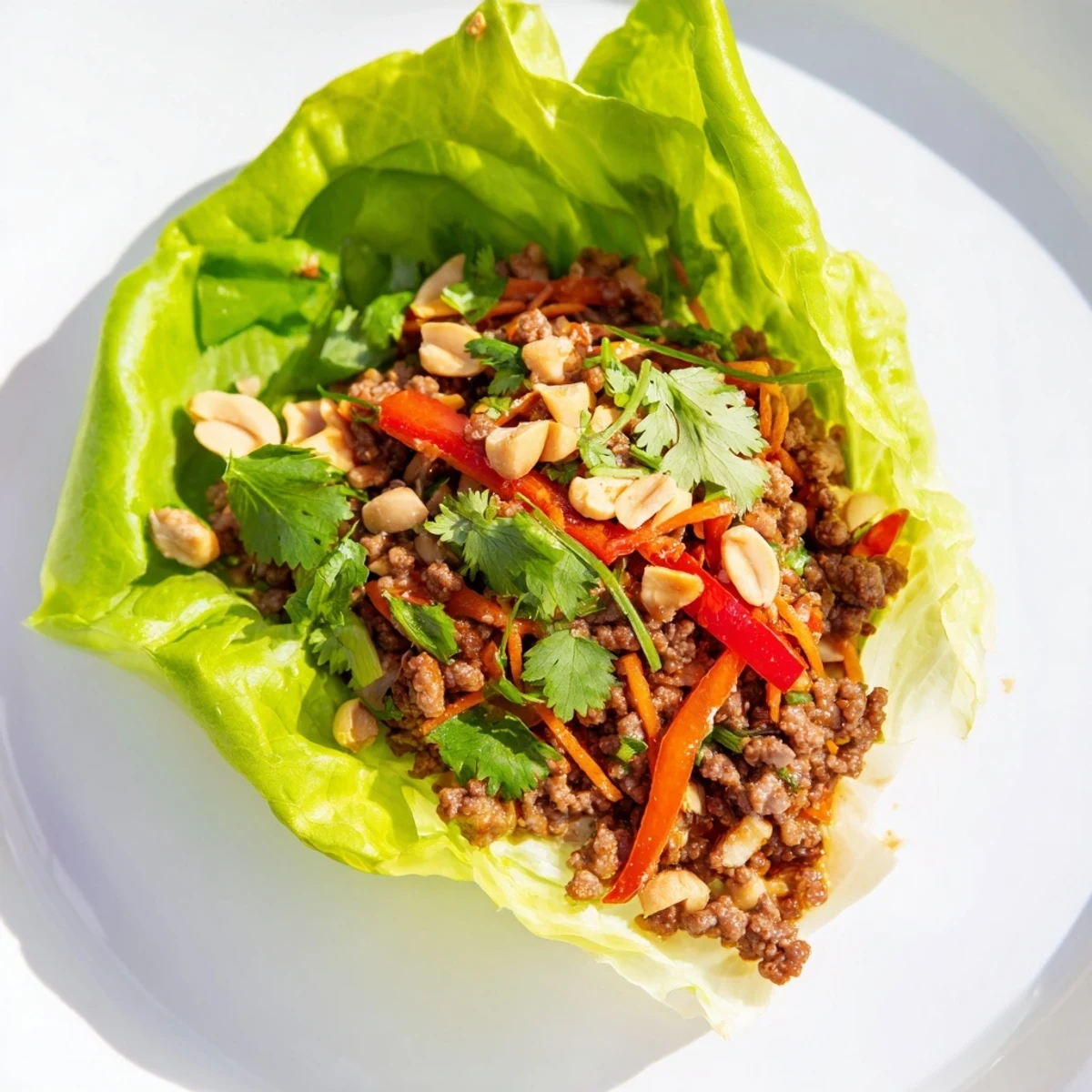
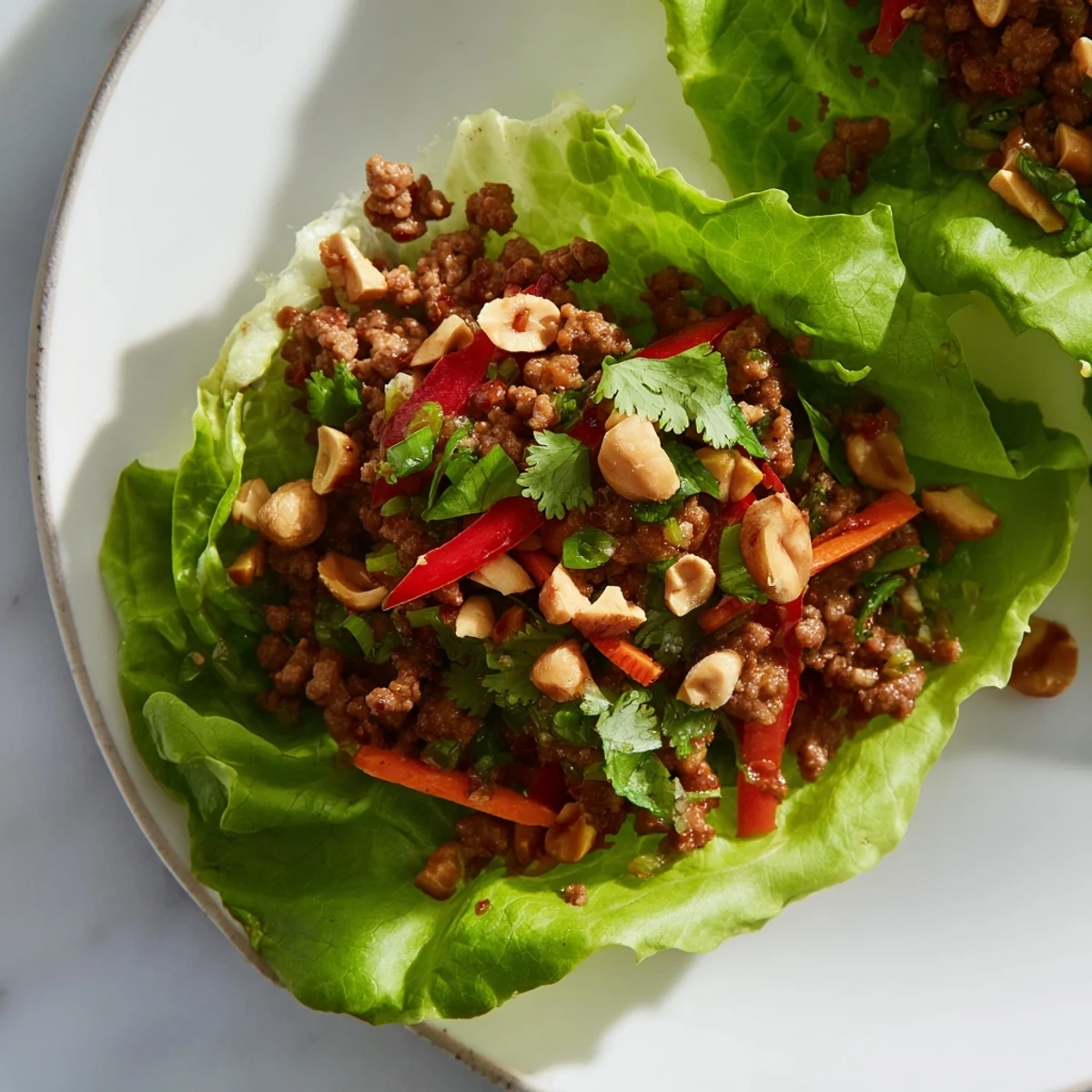
- Take a lettuce leaf, spoon a generous amount of warm beef mixture into the center, top with peanuts and cilantro, and squeeze a lime wedge over it. Eat it with your hands, because that's the whole point.
 Save Pin
 The first time I made these for my family, my 6-year-old nephew refused to eat them. Five minutes later, he was sneaking back to the kitchen for one more wrap, peanuts tumbling out onto the counter. Something about building his own food and getting to choose his own toppings made him feel in control, and that small moment of agency turned him into a believer. I think about that every time I make them now.
Why This Works as a Meal
Lettuce wraps occupy this beautiful middle ground between indulgent and light. The beef gives you serious protein and satisfaction, the fresh vegetables add fiber and vitamins, and the lettuce keeps everything from feeling heavy. There's no need for rice or bread—the wraps are complete as they are, which makes them perfect for a quick weeknight dinner that doesn't feel like you're denying yourself anything. I've served them to people on keto diets and people who don't follow any particular way of eating, and everyone seems equally happy.
How to Prep Like You Have Your Life Together
If you're planning ahead—and I respect you if you are—you can have everything chopped and ready hours before you cook. Mince your garlic and ginger, dice your vegetables, measure out your sauces into a small bowl, and store it all in the fridge. When you're ready to eat, you're just managing one hot pan for 15 minutes, which is the definition of low-stress entertaining. I like to set out my toppings in small bowls around the cooking station so people can see everything they're getting and help themselves to extra peanuts or cilantro if they want.
Variations That Still Feel Real
The bones of this recipe are flexible enough to adapt without losing their character. Ground chicken or turkey works beautifully if beef doesn't appeal to you, though you might need to add a bit more sauce since poultry is leaner. Water chestnuts or mushrooms add a second layer of crunch and umami if you want to make it more substantial. Some people add a tablespoon of peanut butter to the sauce for richness, and honestly, I can't argue with that.
- Swap sesame oil for regular oil if you don't have it, but your sauce won't taste quite the same.
- If you have sriracha or chili oil on hand, drizzle it over the finished wraps instead of using red pepper flakes.
- Mint works just as well as cilantro if that's what you've got—different but equally delicious.
 Save Pin
 There's something generous about a meal that invites people to assemble their own plate and make it taste exactly right to them. These wraps have become the thing I reach for when I want to feed people I care about without overthinking it.
Recipe Questions & Answers
- → What type of lettuce works best for wraps?
-
Butter lettuce or iceberg lettuce provides the ideal crispness and size to hold the filling securely without tearing.
- → Can I substitute ground beef with other proteins?
-
Yes, ground chicken or turkey can be used for a lighter option without compromising the flavor balance.
- → How do the peanuts complement the dish?
-
Roasted unsalted peanuts add a satisfying crunch and a subtle nutty flavor that contrasts with the tender beef and crisp lettuce.
- → What spices enhance the beef mixture?
-
Fresh garlic, ginger, green onions, and a touch of crushed red pepper flakes provide aromatic warmth and depth to the filling.
- → Are there any suggested beverage pairings?
-
A crisp citrusy white wine, like Sauvignon Blanc, complements the fresh and savory notes perfectly.