
 Save Pin
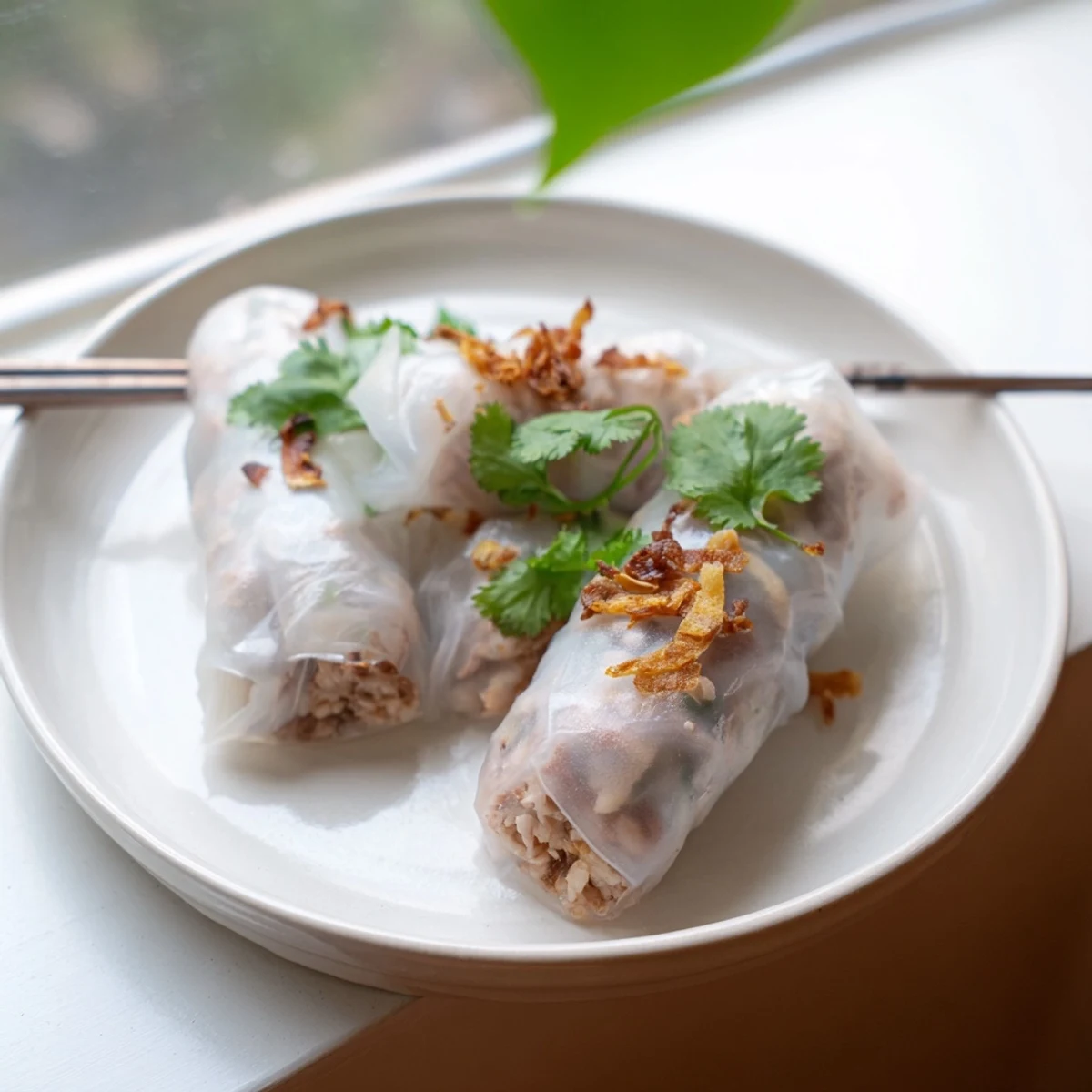
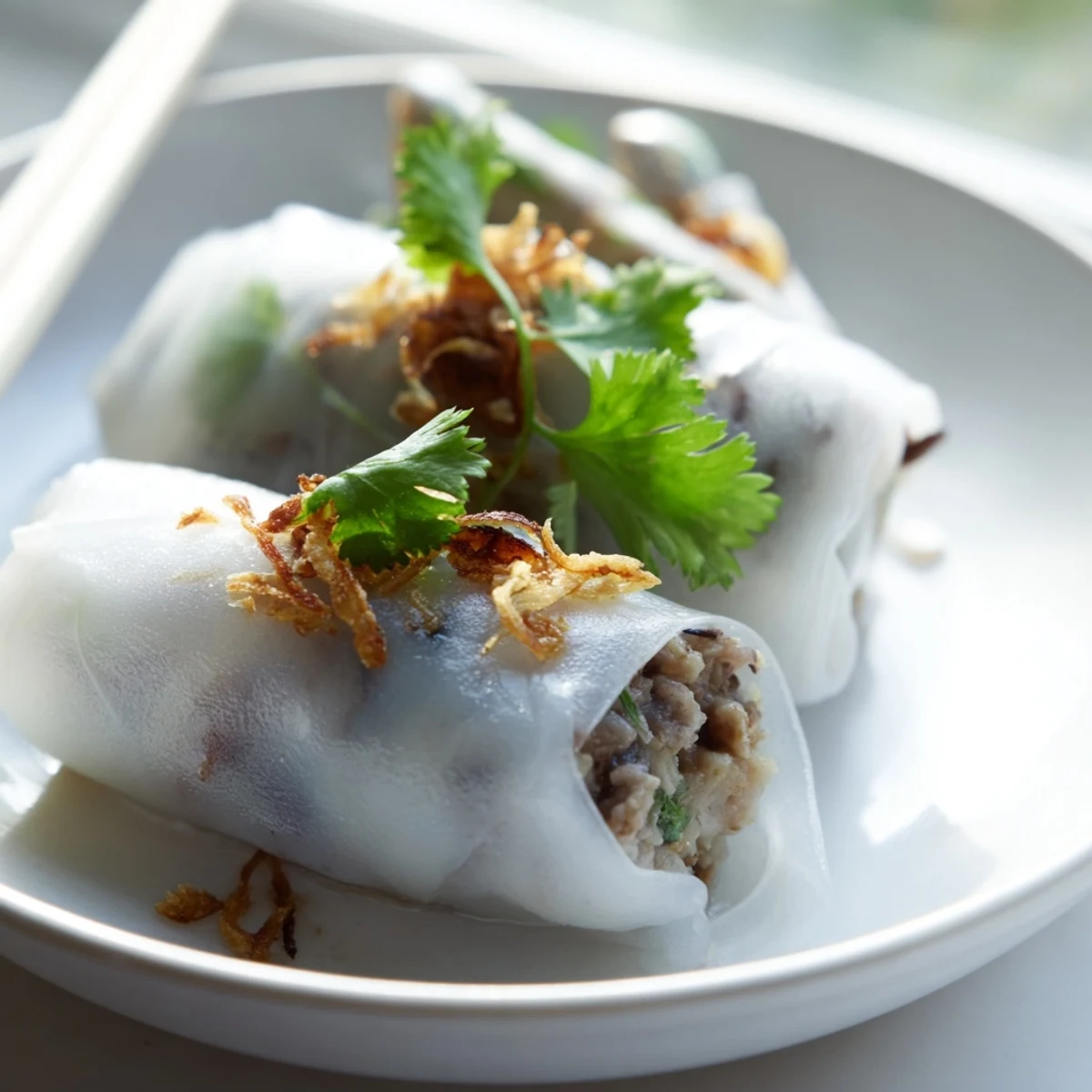
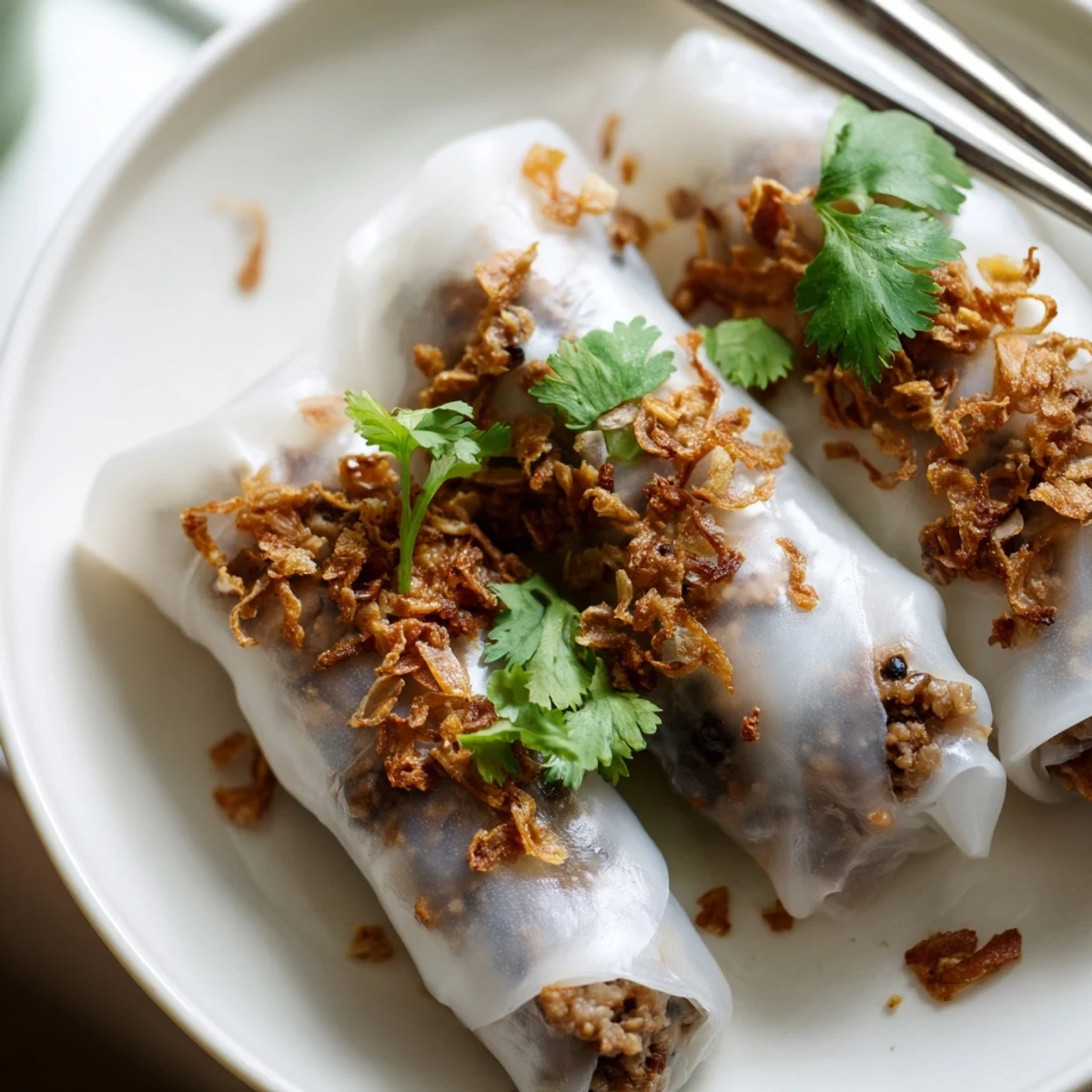
 These delicate steamed rice rolls showcase the finesse of Vietnamese cuisine. The silky, translucent wrappers are made from a simple rice flour batter that's steamed to perfection, then filled with a savory mixture of ground pork, wood ear mushrooms, and aromatics. What makes this dish special is the texture contrast—the soft, almost custard-like rice sheets against the hearty filling, all elevated by crisp bean sprouts, fresh herbs, and the bright tang of nuoc cham dipping sauce.
While traditionally reserved for weekend breakfast at street stalls in Hanoi, making these at home allows you to customize the filling and enjoy them fresh from the steamer. The key lies in achieving the right batter consistency and mastering the quick steaming technique. Once you get the rhythm down, you'll be rolling these delicate parcels like a pro.
The steam rising from my aunt's tiny kitchen in Hanoi still haunts me in the best way possible. She made banh cuon every Sunday morning, her hands moving with a rhythm that came from decades of practice. I tried to replicate her technique in my cramped apartment and failed seventeen times before something finally clicked.
My roommate walked in during attempt number twelve, when I'd somehow managed to create rice cement instead of ethereal rolls. She watched me scrape another failed batch into the trash, then surprised me by taking over. Her grandmother made these too, she said, and the trick was patience and a very hot pan.
Ingredients
- Rice flour: This forms the delicate backbone of your rolls and using a high quality flour makes the difference between translucent beauty and opaque disappointment
- Tapioca starch: The secret ingredient that gives banh cuon that signature stretch and silky texture without making it rubbery
- Cornstarch: Adds just enough structure to handle the filling while still maintaining that dreamy softness
- Ground pork: The savory foundation of your filling though I've also used finely minced shrimp when feeling fancy
- Wood ear mushrooms: These earthy gems add incredible texture and a subtle crunch that contrasts beautifully with the soft rice wrapper
- Fried shallots: Absolutely nonnegotiable for that authentic Vietnamese flavor and crave worthy texture
- Fresh cilantro and bean sprouts: The bright fresh elements that cut through the richness and make each bite feel alive
- Fish sauce: Use a good quality brand like Red Boat because cheap fish sauce will make your entire kitchen smell regrettable
Instructions
- Rest your batter:
- Whisk everything together until completely smooth then walk away for at least twenty minutes because resting lets the flour hydrate properly and prevents those frustrating lumps that ruin your texture
- Cook the filling:
- Sauté your onions and garlic until they perfume your entire kitchen then add the pork and cook until just browned before stirring in the mushrooms fish sauce and pepper until everything smells incredible
- Mix the dipping sauce:
- Combine fish sauce lime juice sugar and warm water until the sugar completely dissolves then add garlic and chili adjusting until it hits that perfect balance of salty sweet sour and umami
- Steam the rice sheets:
- Get your water boiling then ladle just enough batter to create a paper thin layer swirling quickly to cover the surface cover and steam until the sheet sets and becomes slightly translucent
- Roll with filling:
- Gently slide that delicate sheet onto an oiled plate using your thinnest spatula place a modest line of filling along one edge and roll it up tightly like you're tucking someone into bed
- Top and serve:
- Pile your rolls onto a platter shower them with fried shallots fresh herbs bean sprouts and cucumber then serve immediately with that dipping sauce on the side before they lose their magical texture
 Save Pin
 The first time I served these to friends I was so nervous about the texture that I almost ordered pizza instead. But when they all went silent for the first five seconds of eating then immediately demanded I teach them how to make banh cuon I knew the weeks of failed attempts had been worth it.
Mastering the Steaming Setup
I've tried every possible steaming setup from bamboo steamers to silicone mats and the absolute best results come from stretching a clean tightly woven cotton cloth over a pot and securing it tightly. The cloth absorbs just enough moisture while creating that perfectly smooth surface for your rice sheets.
Getting the Wrapper Texture Right
The difference between good banh cuon and great banh cuon comes down to that brief moment between undercooked and overcooked. You want the sheet to be set and translucent but still pliable enough to roll without tearing. This usually takes exactly ninety seconds once your steam is consistent.
Timing and Serving Strategy
Banh cuon waits for no one because that ethereal texture starts deteriorating the moment it hits room temperature. I always set up my serving platter garnishes and dipping sauce before I even start steaming so I can transfer each roll directly to the table and people can eat them immediately.
- Keep your water at a steady boil not a rolling boil which creates too much turbulence and tears your delicate sheets
- Oil your hands lightly when handling the cooked rice sheets to prevent sticking without making them greasy
- If you're making these for a crowd consider having someone help with the rolling process while you man the steamer
 Save Pin
 There's something deeply satisfying about serving these delicate rolls to people who've never tried Vietnamese comfort food before and watching their faces light up with that first bite.
Recipe Questions & Answers
- → What is the trick to getting thin, translucent rice sheets?
-
The batter should be thin and crepe-like, similar to heavy cream. Letting it rest for 20 minutes helps eliminate lumps. A light coating of oil on your steaming surface prevents sticking, and using just enough batter to create a thin layer ensures the sheets cook through properly while remaining delicate.
- → Can I make Banh Cuon without a traditional steamer?
-
Absolutely. Use a large nonstick skillet with a lid—the key is creating a contained steam environment. Lightly oil the pan, pour your batter, swirl quickly, and cover immediately. The trapped steam cooks the sheet from above while the pan heats from below, mimicking the traditional steaming method.
- → How do I prevent the rolls from tearing or sticking?
-
Oil your work surface lightly and use a thin, flexible spatula to lift the cooked sheets. Don't let them cool completely before rolling—warm sheets are more pliable. Work efficiently and keep a small bowl of oil nearby to grease your spatula between rolls if needed.
- → Can I prepare components ahead of time?
-
The filling and dipping sauce can be made a day in advance and refrigerated. The batter can also be prepared ahead, but give it a good whisk before using. However, the rice sheets are best made just before serving for optimal texture—they become less silky if held too long.
- → What can I substitute for wood ear mushrooms?
-
Shiitake mushrooms work well as a substitute, providing a similar chewy texture that complements the pork. For a different take, try diced jicama for crunch or rehydrated black fungus. The goal is adding texture and earthy flavor that balances the savory filling.